Best California King Blankets at Every Price: What Your Money Really Gets You for 2026
Disclosure: We may earn a commission when you buy through links on this page, at no extra cost to you. As an Amazon Associate I earn from qualifying purchases. Learn more

Learn how to choose the best california king blankets by price tier, material, weight, and care, so you get the right warmth without overspending at all.
A California king bed is longer than a standard king, and a blanket that falls short at the foot or the sides will annoy you every single night. Prices span from under $30 to well over $200, and the gap is not always explained by warmth. The best california king blankets match your climate, your sleep temperature, and your laundry habits at a fair price.
This guide sorts blankets by price tier first, then covers the materials and features that are worth paying for. Use the comparison table below to check true dimensions, because labeled size and measured size often differ.


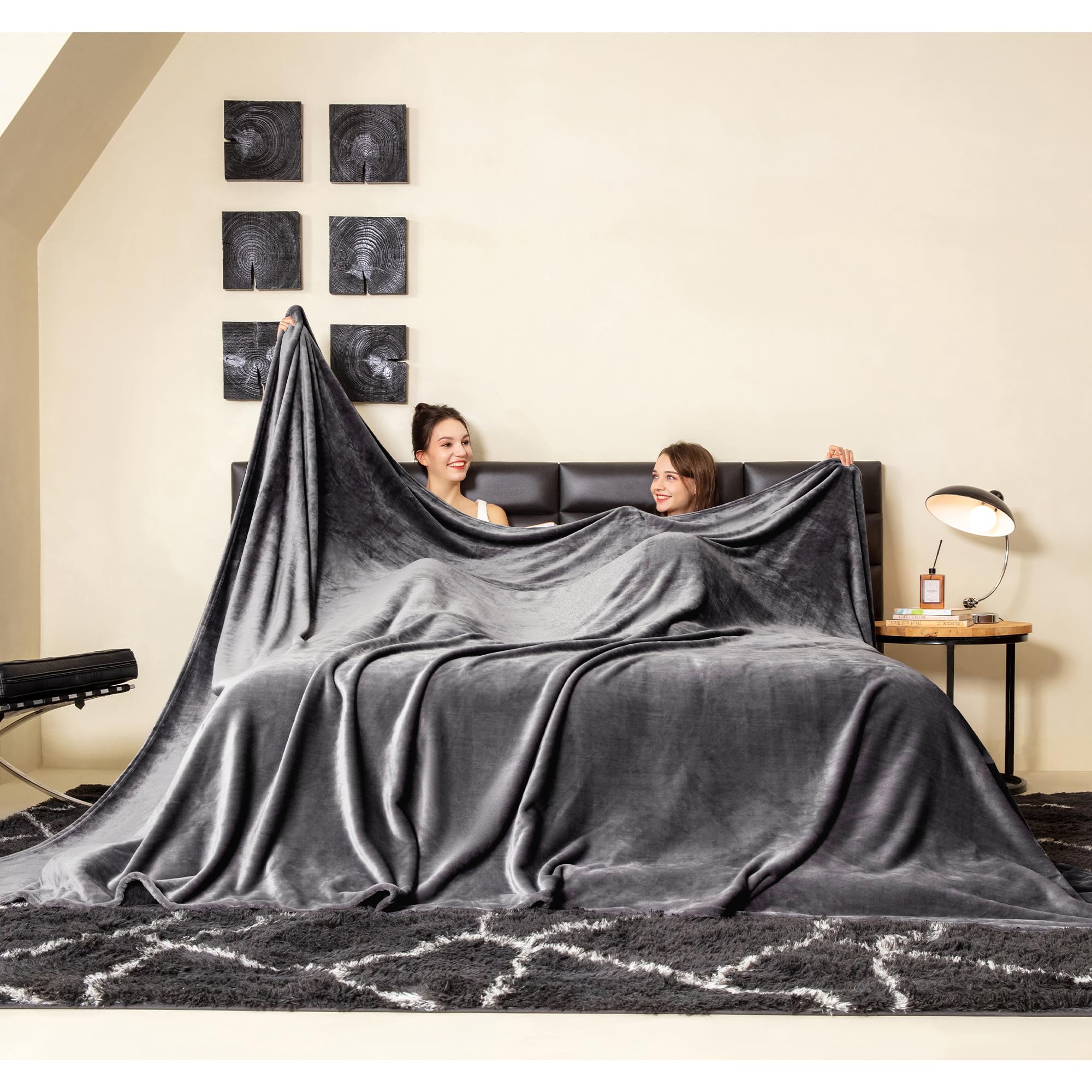
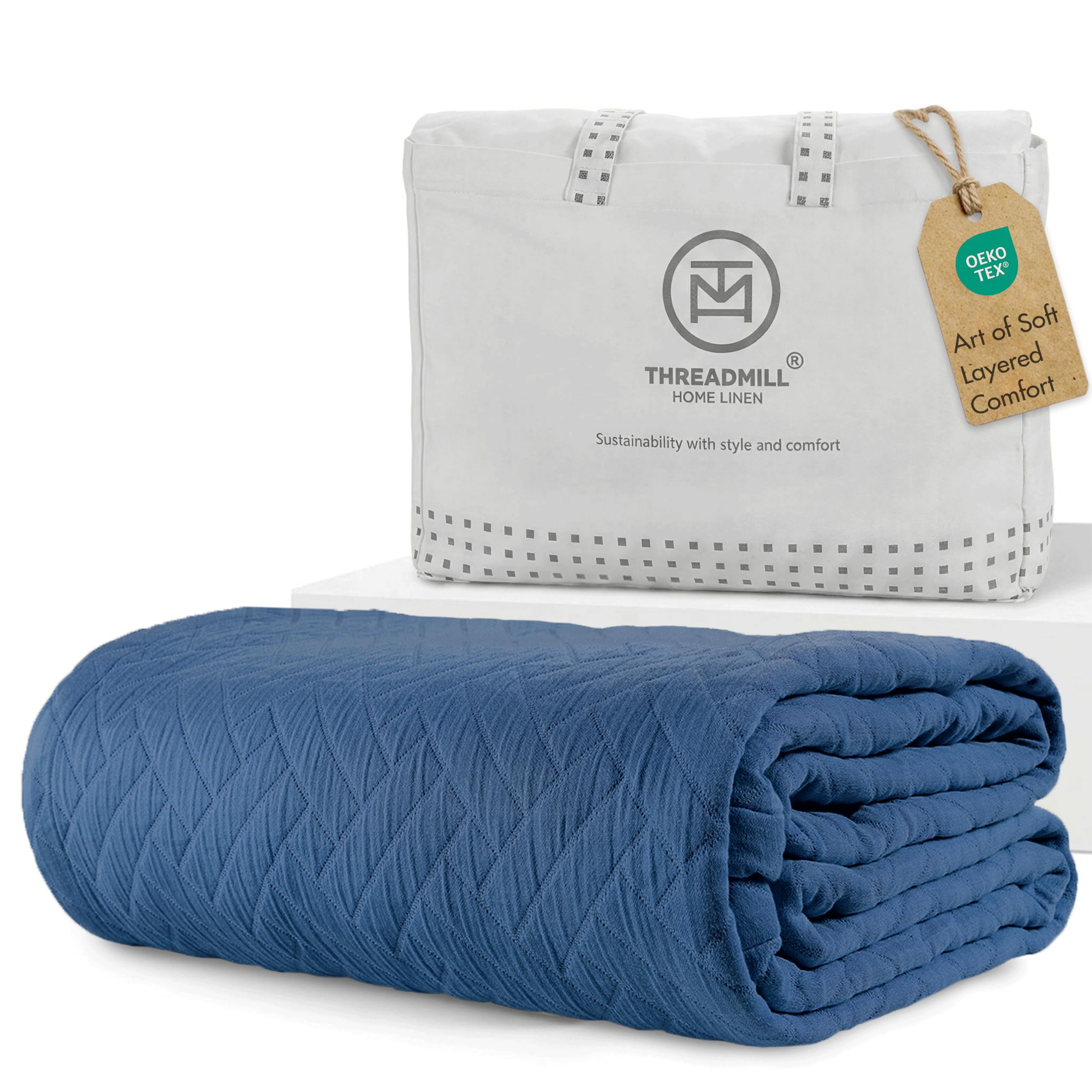
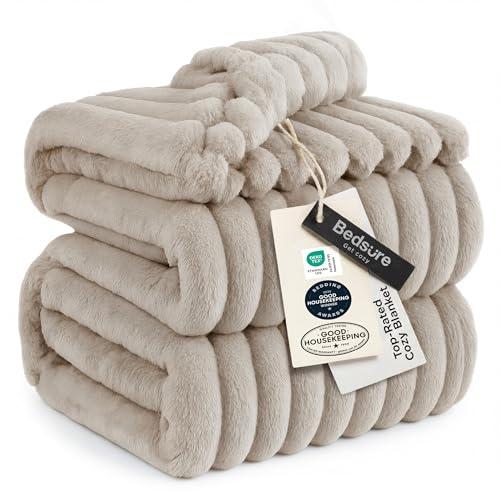
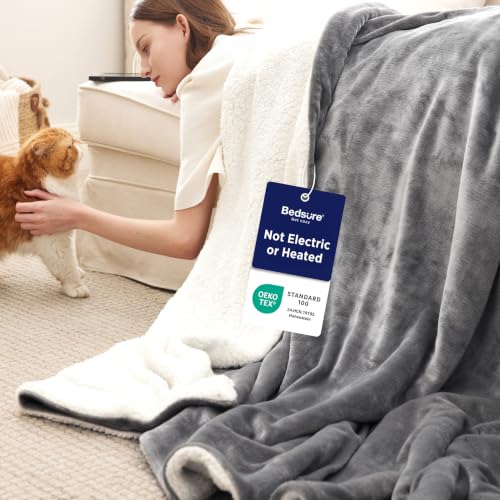
What Each Budget Tier Looks Like in Practice
Think of the tiers as buyer profiles rather than fixed products. Any blanket in the product table above that matches a profile and fits your bed can be the right buy.
Budget Profile
The budget profile suits guest beds, dorm style setups, and warm climates where the blanket is a light layer rather than your main warmth. Expect simple fleece or basic cotton weaves, decent softness, and edges that may thin after a year or two of heavy washing. Around $25 to $45 is a realistic range for this size. The trade off is longevity and drape, not basic comfort. Measure on arrival, because budget blankets are the most likely to run smaller than the label claims.
Midrange Profile
The midrange profile is where most households should shop, with better cotton, wool blends, or quality down alternative fills that survive weekly washing. Edges are bound or hemmed more carefully, the weave feels even, and sizes tend to match the label. Expect around $50 to $110 for a true California king size. This tier suits year round use in most homes when paired with a sheet in summer. It is also the safest gift tier, since midweight warmth pleases the widest range of sleepers.
Premium Profile
The premium profile buys natural materials and craftsmanship, such as long staple cotton, real wool, or responsibly sourced down with a well made cotton shell. These blankets drape closely, breathe well, and often last a decade with proper care. Prices around $120 to $250 or more are common at this size. The trade off is care, since wool and down may need gentler washing or professional cleaning. Pay this much only when you will use the blanket nightly and value how natural fibers feel and age.
What Your Money Gets You at Each Price Tier
Price rises with fiber quality, blanket size accuracy, and finishing details you can feel at the edges. Here is how the tiers break down in practice.
Budget Tier: What to Expect
Budget blankets rely on polyester fleece or microfiber and simple cotton blends. They feel soft at first touch, dry quickly, and shrug off frequent washing, which makes them practical for kids rooms and rental homes. Warmth per weight is good, but breathability is limited, so hot sleepers may wake up sweaty. Static and pilling are the common complaints after a season. At this tier, spend your attention on dimensions and return terms rather than on fancy fiber names in the listing.
Midrange Tier: The Sweet Spot for Most Buyers
Midrange spending gets you natural or blended fibers, tighter weaves, and fills that stay evenly distributed after washing. Cotton blankets in this tier breathe well and layer easily, while down alternative fills add loft without animal products. You also see better certifications and clearer care labels. For couples who disagree on temperature, a midrange cotton or wool blend on the cooler partner side can balance a shared bed. Our guide to the best king blankets explains how standard king sizing compares if you are furnishing two bed sizes.
Premium Tier: When Spending More Pays Off
Premium money pays for fiber length, fill quality, and finishing that keeps a blanket feeling new for years. Wool regulates temperature across seasons in a way synthetics rarely match, and quality down gives maximum warmth at minimum weight. You may also get generous oversizing that tucks properly on a thick mattress. Spending more pays off for nightly use in a main bedroom, and much less for a spare bed. If you like a structured top layer instead, compare with the best california king quilts before you decide.
Features Worth Paying For and Ones to Skip
Five features decide whether a blanket earns its price. Two of them, true size and care needs, are easy to overlook until the first wash.
Durability and Care
Check whether the blanket is machine washable in a home machine, because an oversized California king blanket may need a large capacity washer. Front load machines without a central agitator treat big blankets more gently. Bound edges, tight weaves, and fill that is quilted or woven in place all extend life. Follow the label drying heat, since high heat breaks down both natural and synthetic fibers over time. A blanket you cannot wash easily will quietly cost you in cleaning bills and hassle.
Weight, Loft, and Sleep Position
Blanket weight should match your sleep style more than any firmness idea, since a blanket supports nothing, it only warms and settles. Side sleepers often like a blanket with enough drape to fill the gap at the shoulder and hip. Back and stomach sleepers usually prefer lighter layers that do not press on the chest or feet. Heavier blankets feel cozy and stay in place, but they trap more heat. If you toss and turn, a midweight blanket in a breathable fiber is the forgiving middle choice.
Material and Fill
Cotton breathes, washes well, and suits most climates as a layering piece, with percale feeling crisp and sateen feeling smoother. Wool insulates even when slightly damp and naturally resists odor, though it needs gentler care. Linen and bamboo derived fabrics feel cool and suit warm rooms. Down gives the most warmth for the least weight, while down alternative copies that loft at lower cost and suits allergy sensitive homes. Fleece and microfiber are warm and cheap but breathe the least, so match the fiber to your bedroom temperature first.
Cooling and Breathability
Breathability comes from fiber type and weave openness, not from a thread count number. Cotton, linen, and open weave blankets let heat escape, while gel claims belong to pillows and mattress foams, not to blankets, so treat cooling labels with skepticism. Hot sleepers do better with a light natural fiber blanket plus a flat sheet than with one thick synthetic layer. If you want powered cooling or heating instead, look at the best king size electric blankets and follow all safety guidance that comes with them.
Certifications: OEKO TEX and RDS
OEKO TEX Standard 100 means the finished fabric was tested for a list of harmful substances, which matters for something that sits against skin all night. The Responsible Down Standard, or RDS, tracks down sourcing and animal welfare through the supply chain. CertiPUR US applies to foam products, so it does not apply to most blankets, and a listing that waves it around for a simple cotton blanket deserves a second look. Certifications verify specific claims, so check which claim each label actually covers.
Long Term Costs to Factor In
A cheap blanket replaced every year can cost more over five years than a midrange blanket that lasts. Add the cost of special washing, oversized machine fees at a laundromat if your home washer is small, and the energy cost of long drying cycles for heavy natural fibers. Storage matters too, since a bulky winter blanket needs a clean, dry place for half the year. Buy one versatile midweight blanket before buying two seasonal ones, and your cost per night of use drops fast. Shoppers furnishing a standard king as well can compare dimensions in our guide to the best blankets for king bed.
Frequently Asked Questions
How often should I replace my California king blanket?
Replace it when the fill or weave no longer recovers after washing, the edges fray, or warmth becomes uneven across the bed. Synthetics often show this at around two to four years of nightly use, while quality cotton and wool can last much longer. A blanket that still feels even and clean after a wash has life left in it. Guest bed blankets age by washes more than by years, so judge them by condition rather than by purchase date.
What blanket weight is best for side and back sleepers?
Side sleepers usually do best with a midweight blanket that drapes into the curve at the waist and shoulder, which keeps warm air from escaping. Back sleepers can choose freely, and most prefer a light to midweight layer that does not feel heavy on the chest. Your bedroom temperature matters more than position alone, so adjust by adding a sheet or a second light layer in winter instead of buying the thickest blanket available.
How do I wash California king blankets safely?
Use a large capacity front load washer, a gentle cycle, and mild detergent, and wash the blanket alone so it can move freely. Dry on low to medium heat or line dry natural fibers, and make sure a down or wool blanket is fully dry before storage to prevent mildew. Check the care label first, since wool and down sometimes need special handling. Never use high heat or harsh bleach on protein fibers such as wool, which can felt and shrink.
Is a higher thread count always better for a California king blanket?
No, because thread count only describes woven cotton fabrics, and it says nothing about fiber quality or warmth. Many blankets, including fleece, wool, and knit styles, have no thread count at all. Very high counts can even reduce breathability by packing the weave too tightly. Judge a cotton blanket by fiber length, weave evenness, and how it feels after a wash. Treat thread count as one small detail, not the headline measure of quality.
Are cooling California king blankets worth it for hot sleepers?
They can be, when cooling simply means a light, breathable natural fiber in an open weave that lets body heat escape. They disappoint when the claim rests on a surface treatment that washes out within a season. Hot sleepers get the most reliable relief from a thin cotton or linen blanket, a cool room, and moisture managing sheets. If night sweats are frequent or severe, mention them to your doctor, since they can sometimes signal a health issue worth checking.
Wrapping Up
Confirm the true size, pick the fiber for your climate, and buy the tier that matches how often the blanket will be used and washed. Apply those three filters to the product table above, and compare with the best king size blankets if your bed is a standard king instead. Chosen that way, the best california king blankets for your home will feel right on the first night and still earn their place years later.