Best Calibrated Monitors Made Simple: A Clear Buying Guide for 2026
Disclosure: We may earn a commission when you buy through links on this page, at no extra cost to you. As an Amazon Associate I earn from qualifying purchases. Learn more

New to color work? This first time guide explains the best calibrated monitors in plain English, from factory reports and gamut to setup and care.
Buying your first color accurate screen can feel like learning a new language, full of terms that listings throw at you without any explanation. This guide slows down and builds from the basics, so you understand what calibration actually means before you spend anything. By the end you will know how to read a spec sheet, what the best calibrated monitors share, and which corners you can safely skip at your budget.
The walkthrough below starts with plain definitions, then moves through the specs that matter, the rookie mistakes to dodge, and the first steps to take after unboxing. The comparison table below gathers the main options in one place so you can match each point to real listings as you read.





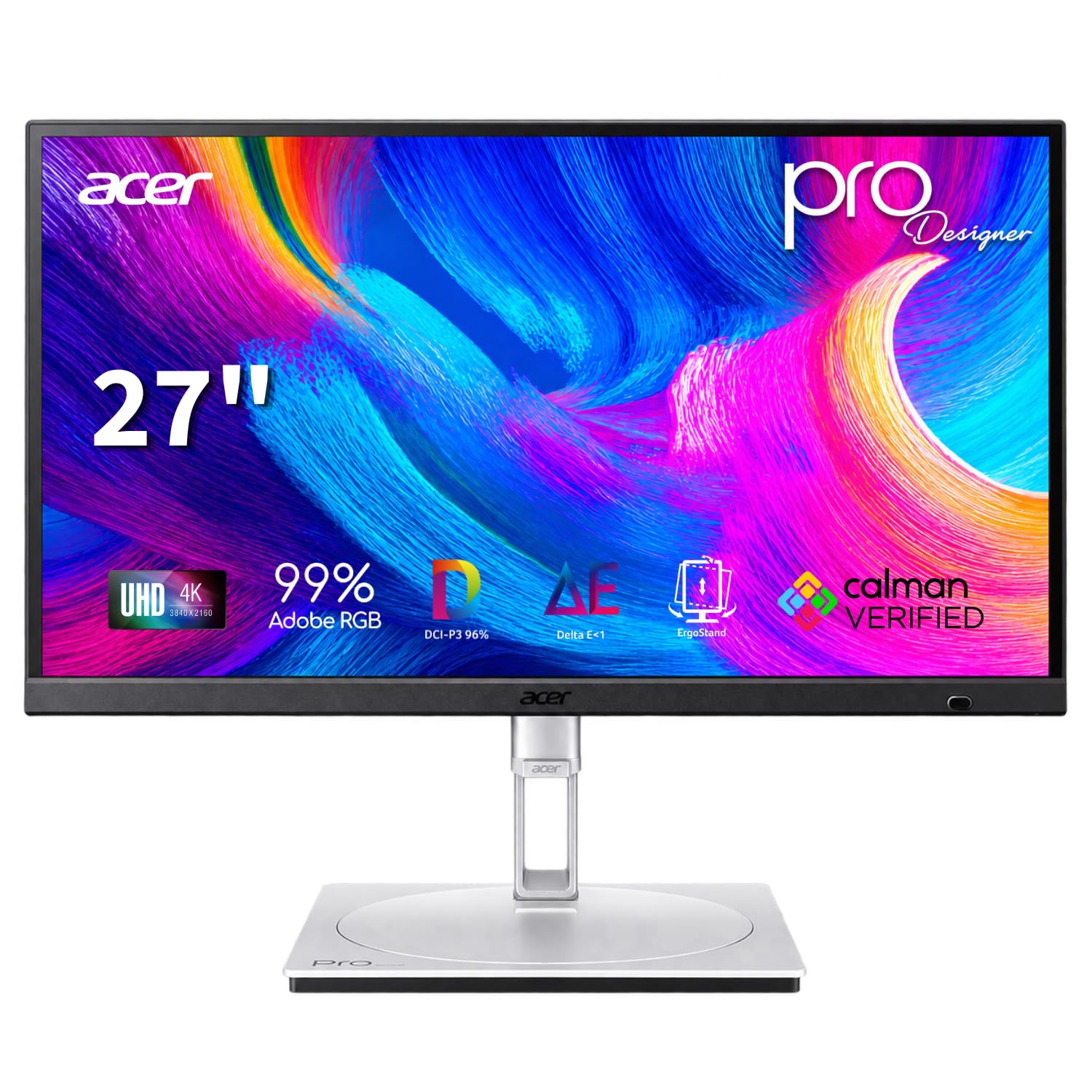
Calibrated Monitors 101: The Basics
A calibrated monitor is a display whose colors have been adjusted and verified against a known standard, so reds, greens, and skin tones land where they should instead of drifting warm or cool. Shoppers judge this class by one thing above all else, and that is accuracy. Makers express accuracy with a Delta E score, and lower is better. A score under 2 means the error is smaller than most eyes can spot, which is the range serious photo and print work needs.
Most screens in this class ship with a factory calibration report in the box, a printed sheet showing the measured error for that exact unit. That report is worth more than any marketing line, because it shows what your panel actually does rather than what the product line promises on average. The factory report governs how much you can trust the screen on day one, and a guide to best color calibrated monitors shows how those reports compare across the wider class. The word monitor also covers nursery video devices, and best infant monitors belong to that separate class, so none of their specs apply to a desk display.
Key Specs Explained in Plain English
Spec sheets mix the vital with the decorative, so this section sorts them in the order a first time buyer should check them.
Panel Technology
The panel is the layer that makes the picture, and each type trades color behavior against cost. IPS panels hold their color steady when you view them at an angle, which matters when two people review a photo together. VA panels give deeper blacks but shift color more off center, and OLED panels give perfect blacks with a small risk of image retention on static toolbars. Whatever the type, even brightness across the screen matters as much as the panel name, a point the roundup of best quality monitors returns to often.
Color Gamut: Match the Space to Your Work
Gamut is the range of colors a screen can show, and you read it against the work you plan to do. Screens quote coverage of the standard sRGB space used for web work, and full or near full coverage is the baseline for this class. Print work wants a wider space, because presses and photo printers reach shades of cyan and green that sRGB leaves out. Video editors working for streaming platforms look at yet another wide space. Wider is not automatically better, though. A wide gamut screen showing ordinary web content without color managed software will oversaturate reds and greens, so match the space to your actual output first.
Resolution and Screen Size
Resolution is the pixel count, and it governs how much fine detail and working room you get. At 27 inches, 1440p gives text and toolbars a comfortable size, while 4K at the same size makes photo detail finer but shrinks interface elements unless you scale them. Bigger is not always better for accuracy work, because very large screens are harder to light evenly from corner to corner. Most first time buyers land between 24 and 32 inches, sitting about an arm and a half away from the screen.
Stand, Mounting, and Ergonomics
You will judge color while seated for long stretches, so the stand matters more than listings admit. Look for height adjustment so the screen center sits slightly below eye level, plus tilt and a pivot option for portrait documents. A VESA mount pattern on the back lets you move the panel to an arm later, which frees desk space and fine tunes distance. A wobbly stand that drifts after every bump will undo careful setup work, so treat a solid base as part of the accuracy budget.
Refresh Rate and Motion
Refresh rate counts how often the picture redraws each second, and for color work it is a minor spec. Sixty hertz is plenty for photo editing, layout, and office work, and paying extra for high rates buys nothing your tasks can use. Readers who play fast games can compare the speed first approach in our guide to best gaming monitors, since that class trades color uniformity for motion clarity. A related roundup, best computer monitors for gaming, ranks panels by frame handling rather than color error, which shows how different the two buying goals are.
HDR and Brightness
Brightness is quoted in nits, and for calibration work the useful range is modest, about 100 to 160 nits in a typical room, because editing at full brightness skews how shadows look in print. What matters more is that the screen holds that brightness evenly and stays stable as it warms up. HDR badges on this class usually mean the panel can accept an HDR signal and reach higher peaks for video playback, which is a bonus rather than the core job. Judge this class by steady, even light first.
Keeping Accuracy Over Time
No panel stays accurate forever, because backlights age and their output drifts slowly month by month. Screens that accept hardware calibration store the correction inside the display itself, so every connected computer benefits from it. A small hardware colorimeter tool, costing about $150 to $250, measures the screen and builds that correction in minutes. Rechecking two or three times a year with such a tool is what keeps a good screen honest, and it is a running cost worth planning for from the start.
Rookie Mistakes to Avoid
- Trusting the box art over the report: a vivid showroom picture says nothing about accuracy, while the printed factory report shows the measured error for your exact unit.
- Buying the widest gamut by default: without color managed software, extra gamut just makes ordinary content look oversaturated.
- Editing in vivid mode: factory picture presets boost contrast and saturation, which hides the very errors you bought the screen to see.
- Skipping the warm up: judging color in the first minutes after switch on gives shifting results, because the backlight needs about 30 minutes to settle.
- Ignoring your room light: bright or strongly colored room lighting changes how the screen looks, and no calibration can fix glare falling across the panel.
Getting Started: Setup and First Use
Set the screen at a comfortable height, connect it with the cable in the box, and let it warm up for about 30 minutes before judging any color. Switch the picture mode to the standard or custom preset named in the factory report, and turn off vivid or dynamic modes. Set brightness so white on screen roughly matches a sheet of paper beside it under your room light. Note the date, and plan your first tool based recheck a few months out, since the product table above lists which options accept hardware calibration.
Frequently Asked Questions
IPS or OLED: which panel is better for color work?
IPS is the safer first choice for most color work, because it holds color steady at wide angles and carries no risk of image retention from static toolbars. OLED gives perfect blacks and superb contrast for video grading in dark rooms. Its weak spots are lower full screen brightness and the care needed with static elements. If your work mixes photos, documents, and spreadsheets all day, IPS is the calmer tool. Choose OLED when dark scene video dominates your schedule.
How long do calibrated monitors last?
A good panel typically serves about five to eight years of daily work before brightness loss becomes hard to correct. The backlight fades gradually rather than failing at once, so accuracy drifts long before the picture looks broken. Regular rechecks with a colorimeter extend the useful span, because each correction compensates for the aging. Budget for a replacement when the screen can no longer reach your target brightness or when corrections stop holding between checks.
Does refresh rate matter for non gamers?
For photo editing, layout, writing, and office tasks, refresh rate barely matters at all. A standard 60 hertz panel redraws fast enough that menus, scrolling documents, and video playback all look smooth. Higher rates help fast moving games and little else. There is one small exception: very sensitive eyes sometimes find higher rates more comfortable during long scrolling sessions. For everyone else, money saved here is better spent on panel uniformity or a calibration tool.
What size calibrated monitor should I get for my desk?
Most desks suit 27 inches, which balances working room with even lighting across the panel. At that size, 1440p keeps text crisp without scaling, while 4K suits photo detail work. Smaller 24 inch screens fit shallow desks and sit closer, and 32 inch screens reward deep desks where you can sit farther back. Measure your desk depth before ordering. If the screen will sit closer than about 60 centimeters, stay at 27 inches or below.
Is 4K worth it for color accurate work?
4K is worth it when your source photos or video are high resolution and you often zoom to check focus and fine detail. It also future proofs the desk for sharper interfaces. It is not worth it when your work is mostly documents, web graphics, or prints at modest sizes, because the extra pixels do not change color accuracy itself. Remember that 4K asks more of your computer graphics hardware, so older machines may feel slower driving it.
The Bottom Line
For a first purchase, judge screens in this order: the factory report and its measured error, the gamut your output actually needs, then panel size and uniformity. The best calibrated monitors are not the ones with the longest spec sheet, but the ones whose accuracy you can verify on day one and maintain with a tool later. Check the product table above to see which options in your price range publish a report and accept hardware calibration, and start there.