Best Business Computer Monitors for 2026: What Your Money Really Gets You
Disclosure: We may earn a commission when you buy through links on this page, at no extra cost to you. As an Amazon Associate I earn from qualifying purchases. Learn more

Learn what to pay for in the best business computer monitors: panel, stand, ports, and which extras you can skip for office work.
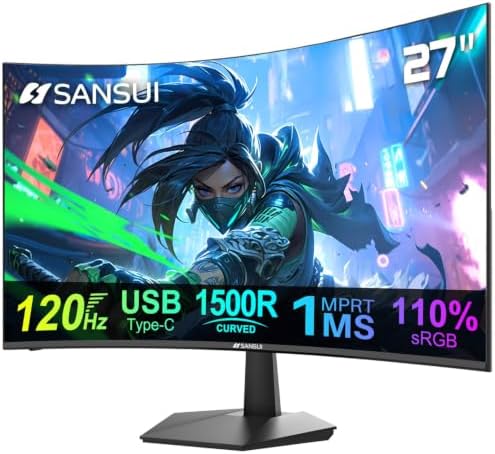
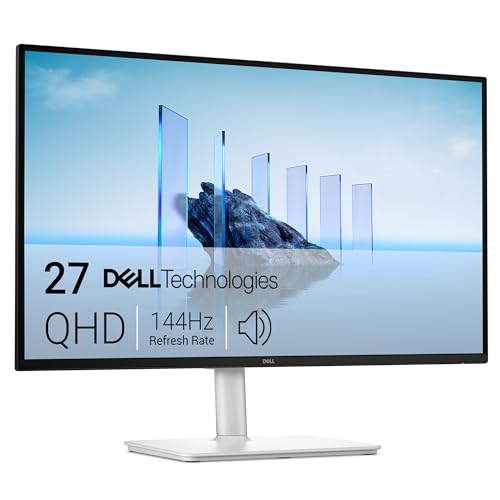
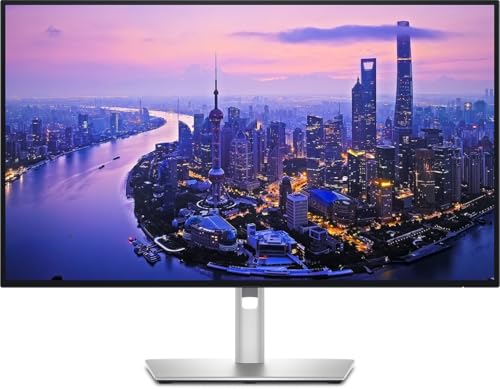
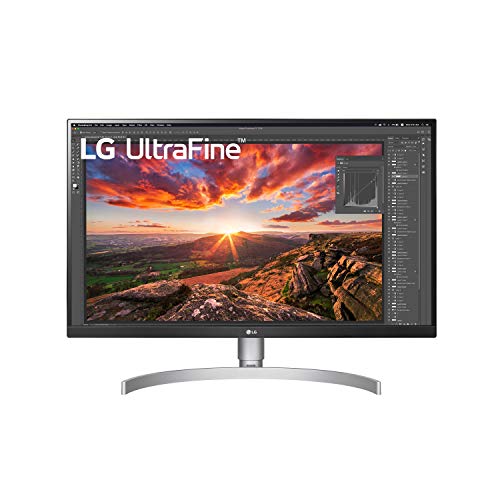
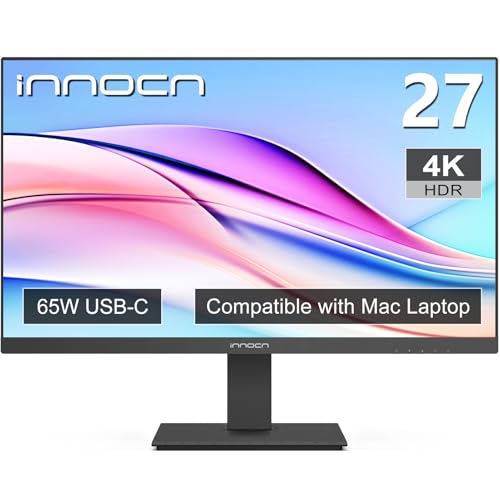
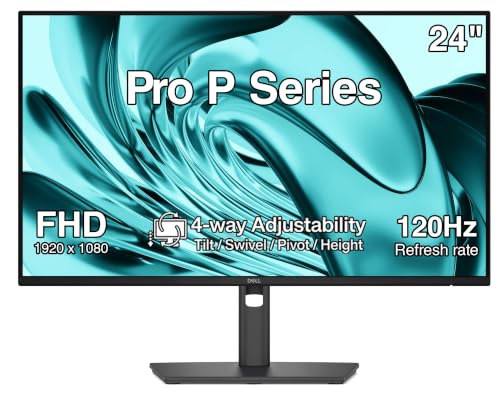
Shopping for best business computer monitors can feel confusing because prices stretch from modest desk displays to large, high resolution screens that cost several times as much. The good news is that office work rarely needs the most expensive screen on the shelf, and a clear spending plan helps you put money where it changes your day. The comparison table below lays out the main types side by side so you can see the trade offs before you read further.
This guide walks through spending levels, the features that matter for documents, spreadsheets, video calls, and design review, and the long term costs that are easy to miss. By the end you should know which level fits your work, which upgrades are worth paying for, and which extras you can safely skip.




Spending Levels for Business Displays
Rather than naming individual models, it helps to think in three broad spending levels. Each level suits a different kind of workday, and the right choice depends more on how many hours you sit at the desk and what you look at than on chasing the highest specification. The product table above shows how the levels compare at a glance.
Entry Level Spending
Entry level spending, usually about $100 to $200, buys a solid screen for email, documents, and video calls. Expect a standard high definition or basic quad high definition panel, a simple stand with tilt adjustment, and common ports such as HDMI and DisplayPort. Color accuracy is adequate for everyday office work, though it may not satisfy print or photo work. This level suits a second screen, a home office on a tight budget, or a desk where the monitor is used for a few hours a day.
Middle Spending Level
The middle spending level, usually about $200 to $450, is where most office buyers find the best balance. Screens here often add a sharper quad high definition or 4K panel, height and swivel adjustment, a USB C connection that can charge a laptop, and better factory color calibration. Text looks crisper, windows feel roomier, and the stand lets you set a comfortable eye height without stacking books under the base. For full time desk work, this level is usually the sensible place to land.
Higher Spending Level
Higher spending, usually about $450 to $900 or more, buys larger or wider screens, premium panel technology, and features such as high dynamic range support or a built in docking hub. These screens suit people who compare large spreadsheets side by side, review detailed drawings, or edit video alongside office tasks. If your work is mostly email and documents, the extra money buys comfort and screen space rather than a must have capability, so weigh it against a better chair or a second screen.
What Each Spending Level Gets You
Price tiers in office displays follow a fairly steady pattern. Lower cost screens cover the basics well. Middle cost screens improve sharpness, adjustability, and connectivity. Higher cost screens add size, panel quality, and convenience features.
Knowing this pattern stops you from paying for a premium feature you will never notice while missing a basic one you will use every day.
Lower Cost Displays
Lower cost displays focus on the essentials: a clear picture, stable brightness, and reliable ports. You may give up height adjustment, USB C charging, and wide color coverage, and the stand may feel basic. For a spare desk or a short daily session, those trade offs are easy to accept. Check the return terms before ordering, since a screen that cannot tilt enough for your desk height can become annoying fast.
Middle Cost Displays
Middle cost displays add the upgrades office workers notice most. A sharper panel makes small spreadsheet text easier to read, and a fully adjustable stand helps you keep your neck level. USB C with power delivery can replace a separate laptop charger on the desk, which tidies cables. This level also tends to include better anti glare coatings, which matter if your desk faces a window.
Higher Cost Displays
Higher cost displays are for demanding visual work or very wide multitasking. Ultrawide screens replace two monitors for some people, while premium panels offer deeper contrast and wider color coverage for design review. Before spending at this level, measure your desk depth: a very large screen placed too close forces constant head turning and can tire your eyes faster than a smaller screen at a comfortable distance.
Features Worth Paying For and Ones to Skip
Not every feature on a specification sheet earns its price. The four areas below cover the choices that most affect office work, including one popular extra that most business buyers can skip.
Panel Technology
Panel type shapes color, contrast, and viewing angle. IPS panels are the usual office choice because colors stay steady when you shift position, which helps when a colleague looks at your screen. VA panels offer deeper blacks but can shift color at an angle. OLED panels give superb contrast yet cost much more and need care to avoid static images burning in over long office days.
Mini LED backlights improve contrast on some premium screens. For most office work, a good IPS panel is the right balance of price and performance.
HDR and Brightness
High dynamic range, often shortened to HDR, improves bright and dark detail in video and photos, but office documents gain little from it. A brightness of about 250 to 350 nits suits most indoor rooms, while a very bright room with direct sun may need more. Do not pay a large premium for HDR certification alone if your day is spent in documents and email. A matte anti glare finish usually improves comfort more than a higher HDR label.
Connectivity and Ports
Ports decide how neatly a screen fits your desk. DisplayPort and HDMI cover most computers, while USB C can carry video, data, and laptop charging through one cable. A built in USB hub is handy for a keyboard, mouse, and webcam, and it reduces cable clutter. Check that the screen has enough inputs for every device you plan to connect, since adding an external switch later costs money and desk space.
See our guide to best portable computer monitors if you also need a screen that travels with a laptop.
Smart Platform and Sound
Some displays now include a smart TV platform and built in speakers. For a business desk, these are usually features to skip. A smart platform adds menus and update prompts you do not need when a computer already drives the screen, and built in speakers rarely match even modest desk speakers for call clarity. Spend the difference on an adjustable stand, a better webcam, or a headset instead.
If you want a screen that doubles as a TV in a break room, that is a different buying decision, and our guide to best looking computer monitors covers style led choices.
Choosing Business Computer Monitors for Your Situation
Match the screen to the work, not to a specification contest. A writer or analyst benefits most from sharp text and a comfortable stand. A designer or video reviewer needs accurate color and a larger canvas. A hot desk user benefits from quick connections and a simple stand.
Write down your top three daily tasks before shopping, and let those tasks decide the size, resolution, and ports.
Best Affordable Business Computer Monitors: Where Your Money Goes
The phrase best affordable business computer monitors points to a simple rule: at lower prices, spend on the panel and the stand first. A clear, flicker free picture and a stand that reaches your eye height matter more than a smart platform or decorative lighting. Two criteria separate good value from false economy here: a resolution that keeps small text sharp at your normal viewing distance, and a warranty and return policy that lets you swap a screen with dead pixels or uneven brightness. Keep a modest reserve for a monitor arm if the included stand cannot adjust enough.
For a contrasting use, see our guide to best computer monitors for gaming, where refresh rate and response time matter far more than they do at an office desk.
Long Term Costs to Factor In
The purchase price is only part of the total cost. Larger and brighter screens use more power, and a screen left on all day adds up over a year, so use sleep settings and switch the display off overnight. Cables, a monitor arm, and a webcam may add about $30 to $150 depending on what you already own. Check the warranty length and whether dead pixel cover is included, since a screen is awkward and costly to ship back.
A screen that lasts five to seven years usually costs less per year than a cheaper screen replaced twice, so durability and a solid stand deserve weight in the decision. If you play games after work on the same desk, our guide to best gaming monitors explains the different priorities for that second use.
Business Computer Monitors: Your Questions Answered
Is 4K worth it for office work?
Yes, 4K is worth it on screens of 27 inches or larger, where sharper text and extra workspace are easy to notice. On smaller screens the benefit is harder to see, and scaling settings can make text look inconsistent in older software. A quad high definition screen is often the better value at 24 or 27 inches. Try the scaling settings on your operating system before deciding, since comfort depends on your eyesight and viewing distance as much as on resolution.
How long do business monitors last?
Most business monitors last about five to seven years with daily office use. Backlight dimming, yellowing, or failing ports are the usual reasons for replacement rather than a sudden breakdown. Screens used many hours a day in bright rooms may age faster, so use moderate brightness and sleep settings. Keep the original box for the first month in case an early fault appears, and register the warranty promptly.
Does refresh rate matter for non gamers?
Refresh rate matters only a little for non gamers. A standard 60 hertz screen is fine for documents, email, and video calls, while a 75 or 120 hertz screen can make scrolling and cursor movement feel slightly smoother. Do not pay a large premium for a very high refresh rate for office work alone. Spend that money on resolution, panel quality, or adjustability instead, where the daily difference is larger.
What size should I get for my desk?
For most desks, a 24 to 27 inch screen is the comfortable choice, while a 32 inch or ultrawide screen suits deep desks and heavy multitasking. Measure your viewing distance first: your eyes should sit about an arm length from the screen, and the top of the screen should sit near eye level. A screen that is too large for a shallow desk forces constant head movement. If desk space is tight, a monitor arm can reclaim room and improve positioning.
IPS vs OLED: which is better for office work?
IPS is usually better for office work because it offers steady color, no burn in worry with static toolbars, and a much lower price. OLED wins on contrast and deep blacks, which matters for video and photo review but rarely for spreadsheets. OLED screens also cost more and need varied content to avoid image retention. Unless your work involves regular visual review where contrast is critical, choose IPS and put the savings toward size or ergonomics.
The Bottom Line
For most office buyers, the middle spending level offers the best mix of sharpness, adjustability, and connectivity, while entry level screens suit light use and higher cost screens suit demanding visual work. Prioritize panel quality, a fully adjustable stand, and the ports you actually need, and skip smart TV extras and extreme refresh rates for office use. If your eyes feel tired, take regular breaks, adjust brightness to match the room, and see an eye care professional if eye pain or vision changes persist. With those priorities clear, best business computer monitors become a straightforward choice, and the product table above can guide your final comparison.