
Best Cabinet Saws for Woodworking: Which One Fits the Way You Use It for 2026
Disclosure: We may earn a commission when you buy through links on this page, at no extra cost to you. As an Amazon Associate I earn from qualifying purchases. Learn more

Cabinet saws for woodworking compared by motor power, fence accuracy, dust control and shop space.
There is no single cabinet saw that suits every workshop. A furniture maker ripping thick maple all week needs different power, fence capacity, and dust control than a hobbyist building one bookcase a year. The best cabinet saws for woodworking are the ones matched to your material, your space, and your electrical supply.
Use the comparison table below to compare the main classes of saw, then read on for the features that actually change your results at the blade. Paying for capacity you will never use is the most common way buyers overspend here.


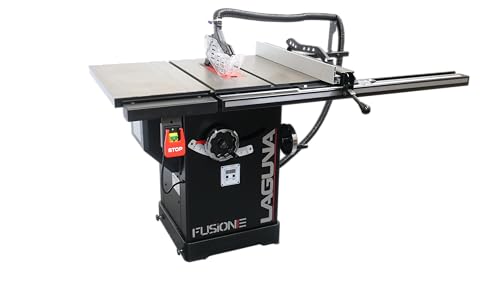
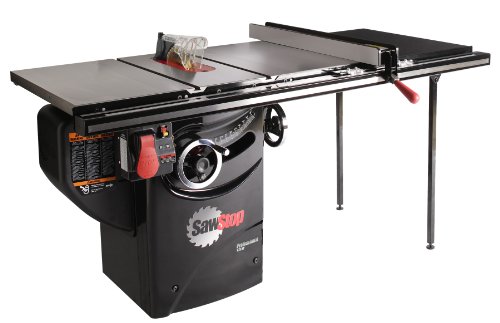
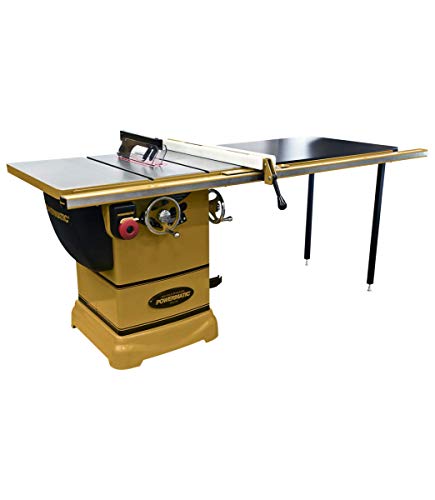
Who Should Buy Which Cabinet Saws?
For People Who Want the Best Performance
Performance buyers should spend on a heavy cabinet mounted trunnion, a true 3 to 5 horsepower motor, and a fence that locks parallel every time. That combination rips 8/4 hardwood without slowing and holds settings through years of daily use. Premium money also buys better dust collection, with a shrouded blade and a larger port, which keeps the shop and your lungs cleaner during long milling sessions.
For Gift Shoppers
Buying a cabinet saw as a gift is a major purchase, so favor flexibility over raw power. Choose a widely sold class of saw with strong warranty support, widely available parts, and a footprint that fits a typical garage bay. Confirm the recipient has, or can add, the right electrical circuit before you buy. A saw that needs a new panel upgrade turns a generous gift into an expensive project.
For Value Seekers
Value in this category comes from the lighter cabinet saw class, often called a hybrid, and from prior generation full size models. You give up some motor power and cabinet mass but keep a proper fence, a riving knife, and flat cast iron tables on many models. For plywood, cabinet parts, and furniture in softer hardwoods, that trade off saves around $700 to $1,500 with little loss in cut quality.
Key Features to Compare
Accessories Included
Check exactly what ships in the box before you compare prices. A quality rip fence, a miter gauge, a blade guard assembly, a riving knife, and push sticks should all be included or priced into your budget. Blades matter too. Many saws ship with a general purpose blade that is fine for rough work, but a dedicated rip blade and a fine crosscut blade, at around $50 to $120 each, transform results on furniture grade stock.
Durability and Motors
Cabinet saws use induction motors, not the brushless motors found in small portable tools, and that is a strength. Induction motors run quietly, deliver steady torque, and last for decades with little more than belt checks. Durability also lives in the trunnion. Cabinet mounted trunnions keep the blade aligned to the miter slots when you move the saw, while lighter table mounted designs need realignment after a move. Cast iron tables should be flat enough that a straightedge shows no visible light gap.
Power Supply and Electrical Needs
A cabinet saw is a corded stationary tool, and power supply is a buying decision, not an afterthought. Smaller models run on a standard 110 volt circuit, while full size 3 horsepower and larger saws need a 220 volt circuit, often 20 to 30 amps. Measure the distance from your panel to the saw location and price an electrician visit if needed. Running a big motor on an undersized circuit trips breakers and can overheat the motor over time.
Features That Matter for Woodworking
Woodworking demands repeatable accuracy above all. Look for a fence with at least 30 inches of rip capacity for cabinet work, and 50 inches if you break down full sheet goods at the saw, as covered in our guide to the best saws for woodworking. Blade tilt should be smooth, with positive stops at 90 and 45 degrees you can verify with a square. Dust ports of 4 inches connect to a proper collector, which matters because fine dust from MDF and plywood builds up fast. Our overview of best cabinet saws explains how these classes differ in more detail.
Sizing the Saw to Your Shop
Plan the delivery before you plan the first project. A full size cabinet saw weighs around 500 to 600 lb, arrives on a pallet, and will not turn tight basement stairs or fit through a narrow door without partial disassembly. Measure every doorway and corner on the route from the curb to the saw spot, and line up two or three strong helpers or a rented lift for moving day.
Once the saw is placed, think about workflow rather than the saw alone. You need clear space in front for ripping long boards, room behind for an outfeed table or roller stand, and side space equal to the largest sheet you plan to cut. A mobile base costs around $100 to $250 and earns its keep in a shared garage, letting you park the saw against a wall and roll it out only when you build. Mark the saw footprint and the sheet path on the floor with tape for a week before delivery, and you will spot problems while they are still free to fix.
Common Mistakes to Avoid When Buying Cabinet Saws
- Shopping on horsepower alone, when fence quality and table flatness shape your daily results far more.
- Ignoring your electrical panel and discovering after delivery that the saw needs a circuit you do not have.
- Buying 50 inch rip capacity for a small garage, then losing the space you needed for assembly and finishing.
- Skipping the riving knife and guard in your setup, which removes the protection that prevents kickback.
- Forgetting the cost of blades, an outfeed table, and dust collection, which together can add around $300 to $800.
Care and Maintenance Tips
- Wear eye and hearing protection for every cut, and keep the blade guard and riving knife installed for all non through cuts where they fit the task.
- Let the saw do the work. Feed stock at a pace the motor holds without bogging down, and never force a cut that starts to burn or bind.
- Keep blades clean and sharp. Pitch buildup makes a sharp blade cut like a dull one, so clean with a blade solution before you blame the saw.
- Wax the cast iron table monthly in a humid shop to prevent rust and help stock glide smoothly.
- Unplug the saw before blade changes, and check fence alignment to the miter slot every few months.
For parts of a project a cabinet saw cannot handle, such as tight curves, see our guide to the best band saws for woodworking, and for finish cuts away from the shop, our guide to the best hand saws for woodworking helps. If you are comparing cabinet designs specifically, read our guide to the best cabinet table saws next.
Frequently Asked Questions
What features matter most in cabinet saws for woodworking?
Fence accuracy, table flatness, and a riving knife matter most, ahead of raw horsepower. A fence that locks parallel to the blade gives you glue ready edges without extra jointing. Add effective dust collection and a motor sized to your thickest stock, and you have the core of a saw that will serve a furniture or cabinet shop for decades.
Do I need a 220 volt circuit for a cabinet saw?
Many full size cabinet saws with 3 horsepower or more need a 220 volt circuit, while lighter 1.75 horsepower models often run on a standard 110 volt circuit. Check the motor plate and the manual, and ask an electrician to confirm your panel and wiring before the saw arrives.
What specs matter most for home projects?
For home projects, 1.5 to 3 horsepower, 30 inches of rip capacity, and a footprint you can park against a wall cover nearly every task. Most home builds use sheet goods and 4/4 lumber, which a lighter saw handles easily. Spend your remaining budget on two good blades and a flat assembly surface rather than on extra horsepower you will seldom call on.
Is a cabinet saw better than a hybrid for furniture work?
A cabinet saw has a heavier, enclosed base, a stronger motor and better dust collection, which helps with thick hardwood and long sessions. A hybrid saw costs less and takes less space, and it is fine for plywood and furniture in softer woods. Choose by the stock you cut most, not by the label.
What blade should I buy first?
A quality 40 tooth general purpose blade is a good starting point, and a dedicated 24 tooth rip blade makes thick hardwood far easier. Add a fine crosscut blade when you move to furniture grade joinery, and keep blades clean and sharp.
The Bottom Line
Match the saw to your thickest stock, your circuit, and your floor space, then judge fences in person if you can. Most home shops thrive with a mid power saw and excellent blades. Check your shortlist against the product table above, and you will choose the best cabinet saws for woodworking setup for the way you actually build.


