
Best bench top band saws Buying Guide 2026
Disclosure: We may earn a commission when you buy through links on this page, at no extra cost to you. As an Amazon Associate I earn from qualifying purchases. Learn more

Choose among the best bench top band saws by throat depth, cutting height, motor power and guide quality for curves and small resawing.
A full size band saw takes floor space and money that most home shops cannot spare, which is why the best bench top band saws are popular for curves, small resawing and scroll style cuts. A good bench model makes smooth, narrow kerfs in wood and, with the right blade, some plastics and soft metals. This guide explains the specs that decide capacity and accuracy so you can pick a saw that fits your bench and your projects.
Use the product table to line up capacity, motor power and speed side by side, then read the sections that follow to understand what those numbers mean in daily use.
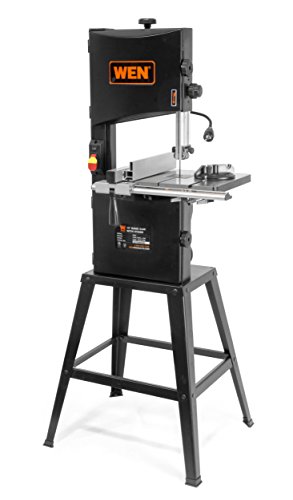

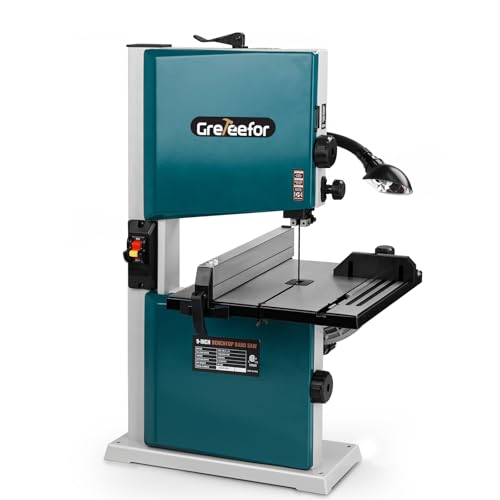


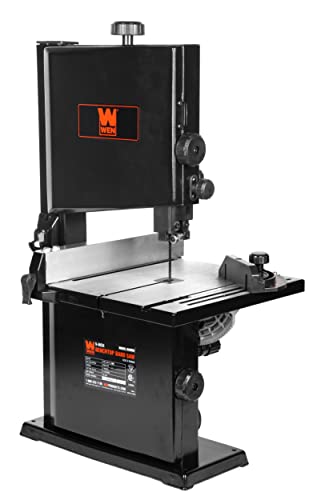
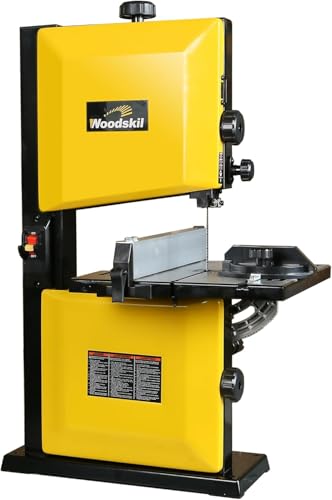
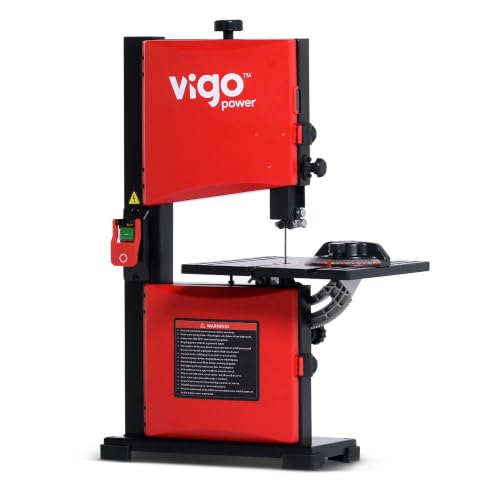
Who Should Buy a Bench Top Band Saw
A bench saw suits woodworkers who cut curves, scrolls and small joinery parts and who work in a garage, basement or shared space. It also suits hobbyists making toys, boxes, signs and craft pieces, and beginners who want to learn band saw technique before moving up to a floor model.
If you regularly resaw wide hardwood boards or cut thick stock, a benchtop model will feel limited. In that case look at the guides to the best band saws for woodworking or the best wood band saws, which cover larger machines.
Key Features to Compare
Throat Depth and Cutting Height
Throat depth is the distance from the blade to the frame behind it, and it sets the widest piece you can turn through the saw. Most benchtop models offer 8 to 10 inches. Cutting height is the clearance between the table and the upper blade guide, commonly 3 to 5 inches on bench models, and it sets the thickest board you can cut.
Motor Power and Blade Speed
Motors on benchtop saws are usually rated about 2.5 to 4 amps. That is plenty for pine, poplar and thin hardwood, but it can bog down in thick hard maple or oak. Single speed saws are simple and fine for wood. Dual speed or variable speed saws let you slow the blade for plastics and soft metals, which is worth having if you cut more than wood.
Table, Tilt and Fence
A flat, cast or heavy table helps keep cuts square. Most tables tilt up to about 45 degrees for angled work, and a stock fence or a rip fence helps with straight cuts and repeat widths. Check how easily you can square the table to the blade, because loose or wobbly tables are the most common source of drift.
Blade Guides, Tension and Dust Port
Ball bearing or block guides keep the blade from twisting, and a quick blade tension release makes blade changes easier. A dust port that connects to a shop vacuum helps keep the table and the lower wheel housing clean, which also helps blade tracking.
Blade Choice
Blade width controls what you can cut. A narrow blade, about 1/8 to 1/4 inch, turns tight curves. A wider blade, about 3/8 to 1/2 inch, cuts straighter and resaws better. Tooth count matters too: fewer, larger teeth clear chips faster in thick stock, and more teeth give a smoother cut in thin material. Keep a few common blade sizes on hand, and see the notes on blade length in the manual before you buy replacements.
Size, Weight and Space
Measure the bench where the saw will live, and leave room around it to feed long boards. Many benchtop models weigh 30 to 60 pounds, so you can move them but may not want to carry them often. Some include a stand, which raises the saw to a comfortable working height and adds stability. A model without a stand can be bolted to a bench or a sturdy cart.
How Much Should You Spend
Basic 8 to 9 inch saws sit at roughly $100 to $200 and handle hobby work and thin stock. Mid range 9 to 10 inch saws at roughly $200 to $400 add better tables, quieter motors and more precise guides. Larger bench or small floor models above that range add resaw capacity and cast iron parts. Spend first on guide quality and table flatness, because those affect every cut, and save on extras such as work lights.
Setup and Daily Use
Most saws arrive with the table, fence and guards to attach. Take time to set blade tension, tracking and guide clearance before the first cut, because a poorly tracked blade wanders and can come off the wheels. Square the table to the blade with a small square, and set the upper guide just above the thickness of the wood you are cutting.
Feed the work slowly, keep the cut line in front of the blade and let the blade do the work. Forcing wood through a small saw burns the cut and wears the blade faster. Plan cuts so that you do not back out of a long curve, which can pull the blade off the wheels.
Safety and Care
Always keep your hands out of the blade path, use push sticks for small pieces, and wear eye and hearing protection. Unplug the saw before changing blades or adjusting guides. Keep the blade guard set about a quarter inch above the work.
- Release tension on the blade after long sessions to extend blade life.
- Clean sawdust from the wheels and the lower housing after each use.
- Check guides and bearings for wear before long cutting days.
Common Mistakes to Avoid
- Buying on motor amps alone and ignoring table flatness and guide quality.
- Using a wide blade for tight curves, which binds and breaks blades.
- Leaving the upper guide too high above the work, which lets the blade twist.
- Skipping blade tension release, which stretches the blade and flattens the tires over time.
- Expecting a small saw to resaw wide hardwood without help from a sharp, wide blade and slow feed.
FAQ
What size bench top band saw do I need?
Throat depth and cutting height matter more than overall size. A compact 8 or 9 inch saw suits curves in thin stock, while a 10 inch bench saw suits wider boards and some resawing. Measure your typical board width and thickness, then choose a saw with some spare capacity.
Can a bench top band saw cut hardwood?
Yes, if the motor has enough power and the blade suits the thickness. Use a sharp blade with the right tooth count, feed slowly, and avoid forcing the cut. Thick hardwood in a small saw can burn and wander if the blade is dull.
What blade should I use for curves?
Narrow blades turn tighter curves, while wider blades cut straighter and resaw better. A 1/4 inch blade suits most curves, while a 1/2 inch blade suits resawing. Match tooth count to material thickness.
How do I keep band saw cuts accurate?
Set blade tension and tracking correctly, adjust guides close to the work, and use a fence for straight cuts. Check that the table is square to the blade before angled work, and replace dull blades as soon as cuts start to drift.
Is a bench top band saw safe for beginners?
A band saw cuts downward and holds the work on the table, which many beginners find easier to control than a table saw. Learn blade changing, guide adjustment and push stick use before cutting small pieces, and never reach across the blade path.
Final Thoughts
Pick a saw whose throat depth and cutting height cover your usual boards, favor solid guides and a flat table over extra features, and keep a few good blades on hand. Compare the models in the product table by capacity and speed range, and the best bench top band saws for your shop will be easy to spot.


