
Best Butt Cushions for 2026: Which One Fits the Way You Use It?
Disclosure: We may earn a commission when you buy through links on this page, at no extra cost to you. As an Amazon Associate I earn from qualifying purchases. Learn more

Compare butt cushions by foam, shape, thickness and cover grip, with use cases for office, driving, lumbar support and kayaking, plus care tips.
There is no single cushion that suits every chair, body and routine. The best butt cushions for a long desk day need steady support and a shape that unloads your tailbone, while a cushion for a car, a kayak or a stadium bench faces different demands. Start with where you will sit and what discomfort you notice first.
Use this guide to match foam, shape and size to your actual seat before you spend anything, with the key options gathered in the comparison table below.
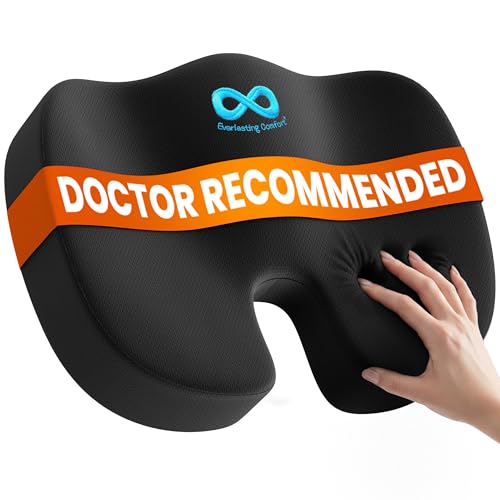
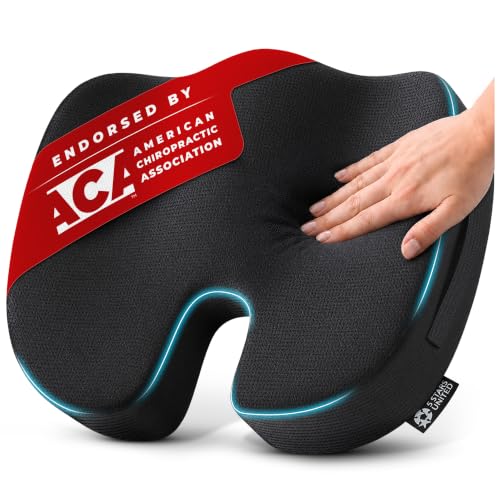


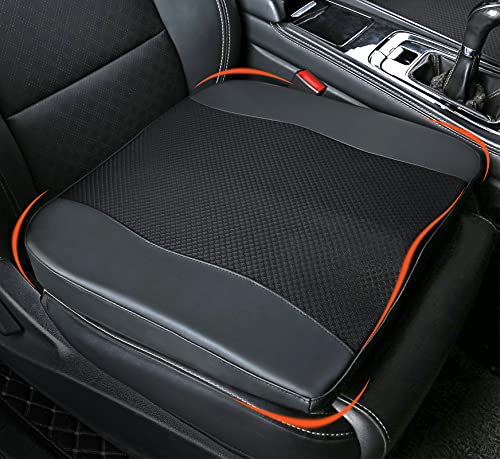
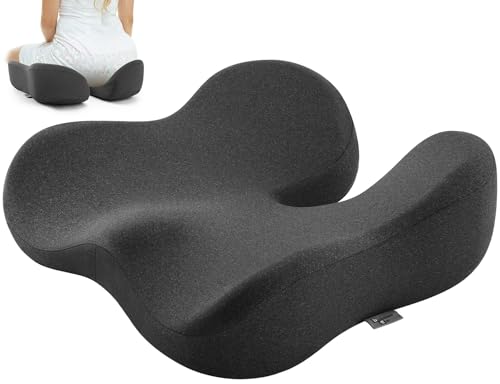


Who Should Buy Which Butt Cushions?
Your chair and your day should decide the cushion. The three groups below point to a different mix of thickness, firmness and portability.
For Office and Remote Workers Who Sit for Hours
You need a cushion that holds its shape through a full workday, not one that feels plush for ten minutes and then flattens. Choose medium firm memory foam or firm latex foam, a contoured top with a rear cutout for your tailbone, and a grippy base so the cushion stays put when you shift. Measure your chair seat first, since a cushion that overhangs the front edge will tilt you forward and strain your thighs.
For Drivers, Travelers and Spectators on Hard Benches
You sit on surfaces you cannot change, so portability matters more than a large sculpted shape. A compact cushion about 2 to 3 inches thick lifts you off a hard seat or bleacher without pushing your head close to the roof or your knees into the seat ahead. Look for a handle, a cover that resists spills, and foam that stays supportive in a hot parked car.
For First Time Buyers and Gift Shoppers
If this is your first cushion, or you are buying for someone else, keep the choice simple. A medium size contoured cushion in medium firm foam suits the widest range of chairs and bodies, and a removable washable cover makes it easier to live with. Check the return window before ordering, and avoid very thick or very soft novelty shapes, since those are the ones most often left in a closet.
Picking the Right Butt Cushions for Different Uses
Two uses deserve their own advice, because back support pairing and water exposure pull the design in opposite directions.
Best Lumbar Butt Cushions
When you shop for best lumbar butt cushions, you are really buying a pairing: a seat cushion plus support for the curve of your lower back. Choose a seat cushion with a rear cutout and a level surface, then a lumbar roll that fills the gap between the chair back and your spine without pushing you forward. If pain shoots down a leg, causes numbness or follows a fall, see a doctor promptly, and talk with your clinician about personal needs.
Best Kayak Butt Cushions: What to Prioritize
For best kayak butt cushions, water changes everything. Pick closed cell foam or a waterproof coated design that will not soak up spray and grow heavy, a low profile about 1 to 2 inches thick so your center of gravity stays low, and straps or a textured base that keep the pad from sliding on a wet seat. Rinse it after salt water use and dry it fully, since trapped moisture under a stored pad invites mildew.
Key Features to Compare
When you compare best butt cushions side by side, work through the five factors below in order. Each one changes how the cushion feels after an hour, which is the moment that separates a good buy from a drawer filler.
Foam Type, Density and Firmness Feel
Memory foam molds to your sit bones and spreads pressure evenly, which suits desk work, but it can feel warm and slow to recover when you stand. Latex foam feels springier and cooler, while plain polyurethane foam costs less and often softens sooner. Density matters more than softness at first touch. If you weigh more, lean firmer and denser, since light foam bottoms out under greater load and leaves you sitting on the chair itself.
Shape, Cutout and Pressure Relief
Most supportive cushions use a contoured top that cradles your thighs and a U shaped cutout at the back. That cutout lets your tailbone float instead of pressing into the seat, which is the main reason people buy one. A flat pad only adds padding, so it helps on a bench but does little for tailbone soreness. Check that the raised front edge sits behind your knees rather than digging into them.
Thickness, Size and Chair Fit
Thickness usually runs about 1 to 4 inches, and more is not always better. Every inch raises you by roughly that amount, so check headroom in a car, eye level at a desk and whether your feet still rest flat on the floor. Measure your chair seat and choose a cushion slightly smaller than its width and depth, so the edges do not curl up the chair arms. If your thighs tingle after twenty minutes, the cushion is likely too thick or too deep.
Cover Grip, Cooling and Washability
The cover decides how the cushion behaves day to day. A rubberized or dotted base stops sliding on smooth office chairs and leather car seats, while a smooth base suits fabric seats. Gel infused foam and breathable mesh covers feel cooler at first touch, although no cushion stays cold through a long summer drive. Choose a cover that unzips fully and washes on a gentle cycle, since spills, sweat and pet hair all end up there.
Certifications and Materials You Can Verify
Labels give you a checkable fact in a category full of vague comfort claims. CertiPUR US means the foam was tested for harmful emissions and certain banned substances, and OEKO TEX on a cover means the fabric passed limits for skin contact chemicals. Neither label proves a cushion will feel right for you, so treat them as a safety screen, not a comfort promise. If a listing names no foam type and no density, that silence is useful information.
Common Mistakes to Avoid When Buying Butt Cushions
Most returns trace back to a short list of avoidable errors.
- Choosing by softness in the first minute, so the cushion feels lovely in the shop and leaves you aching after an hour at your desk.
- Skipping the chair measurement, so the cushion overhangs the seat, curls at the edges and slides every time you stand up.
- Buying the thickest option for a car, so your head ends up close to the roof and your knees jam against the dashboard.
- Ignoring the cover, so sweat and spills soak straight into foam that you cannot wash.
- Expecting a cushion to fix pain that needs medical care, so you delay seeing a clinician while symptoms get worse.
Care and Maintenance for Butt Cushions
Foam lasts longer when you treat it gently. Unzip and wash the cover on a gentle cycle with mild detergent, then air dry it so heat does not damage the grip dots or zipper. Never put the foam core in a washing machine, since agitation tears it and soaked foam takes days to dry. Spot clean the core with a damp cloth, and dry it fully before zipping the cover back on.
Stand the cushion on edge overnight once a week so compressed foam can recover, and keep it out of a hot car trunk in summer, where heat speeds up softening. If you also shop for supportive footwear for the standing parts of your day, see our guide to the best shoes with cushion.
Frequently Asked Questions
How often should you replace a butt cushion used every day?
Replace a butt cushion when it stops recovering its shape overnight. For daily desk use that is often about 12 to 24 months for standard foam and longer for dense latex foam. Press the center hard for ten seconds: if the dent lingers or the cushion feels thinner where your sit bones rest, support has already faded.
Are cooling butt cushions worth it if you feel warm while sitting?
Cooling butt cushions are worth it if heat, not pressure, is your main complaint. Gel layers and mesh covers delay the warm feeling, but body heat wins over a long session, so pair one with lighter clothing and short standing breaks. If sweating soaks your cover often, a second washable cover matters more than any gel claim.
What firmness should you choose for a butt cushion if your back aches after sitting?
Choose medium firm for most back aches linked to long sitting. Very soft foam lets your pelvis sink and tilt, which can leave your lower back rounded and tired, while very firm foam concentrates pressure under your sit bones. Also check your desk setup: feet flat, screen at eye level and a short walk each hour help too.
How do you wash a butt cushion without damaging the foam?
Wash only the cover, and keep the foam core out of the machine. Unzip the cover fully, turn it inside out to protect the grip base, and use cold water with mild detergent. For a stain on the foam, blot rather than rub with a damp cloth, then press with a dry towel and air the cushion until no damp smell remains.
Can a butt cushion work on a dining chair or a wheelchair seat?
Yes, a butt cushion can work on both, but the fit rules change. Dining chairs need a thinner, firmer pad so table height still suits your arms, while wheelchair users should ask their care team before adding thickness, since extra height changes transfer balance and armrest reach. In both cases a strap or high grip base matters more than at a desk.
Final Thoughts
Start with your chair, your longest sitting stretch and the spot that bothers you first. Match foam density to your weight, shape to your tailbone, and thickness to the room your seat allows. Readers comparing related options may also want to see our guide to the best seat cushions for broader seating advice, or check what separates the best quality cushions when build quality is your top concern. Chosen that way, the best butt cushions stop being a guess and become a fit, so revisit the product table above and pick the type that matches your day.


