Best Butora Climbing Shoes: Matching the Right Model to Your Routine for 2026
Disclosure: We may earn a commission when you buy through links on this page, at no extra cost to you. As an Amazon Associate I earn from qualifying purchases. Learn more

Butora climbing shoes compared by shape, stiffness, closure and fit, so you can choose the right pair for your routine.
No single climbing shoe suits every climber, because a shoe that edges beautifully on steep sport routes can feel miserable on a long gym session, and a soft comfortable shoe can fold on tiny footholds. Butora builds shoes across that whole range, from flat beginner friendly shapes to downturned performance designs. Finding the best butora climbing shoes for you means matching the shape, stiffness, and closure to how and where you actually climb.
Use the comparison table below to note the shapes and closure styles in your size range, then read the use cases and fit guidance that follow. Fit is the decision that matters most, and this guide gives you a repeatable way to judge it.
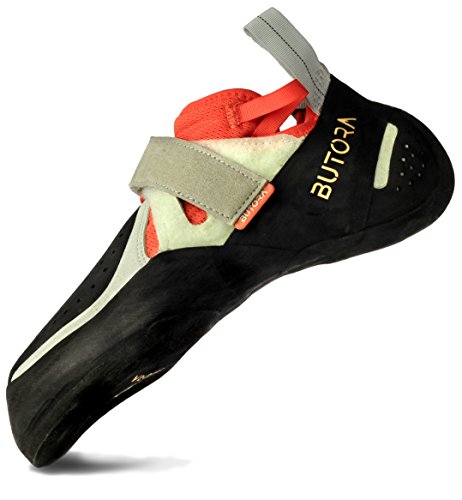

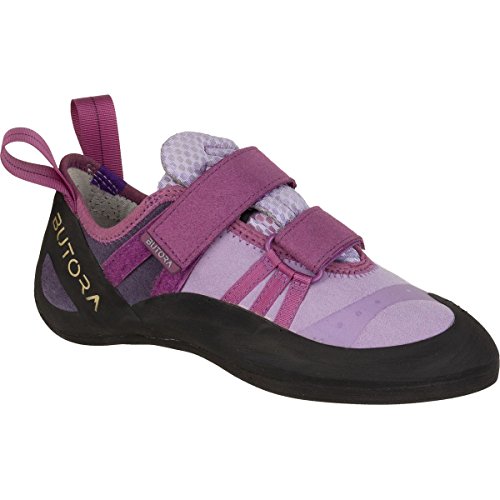

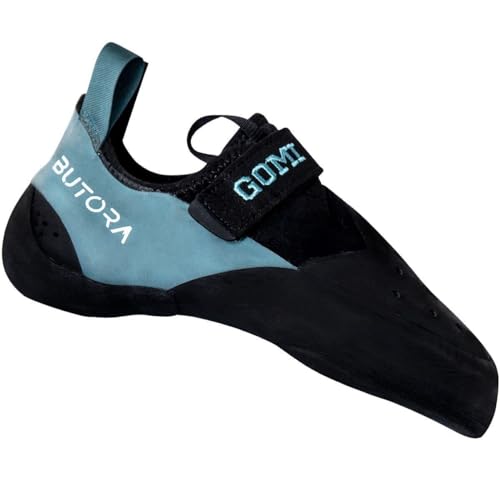

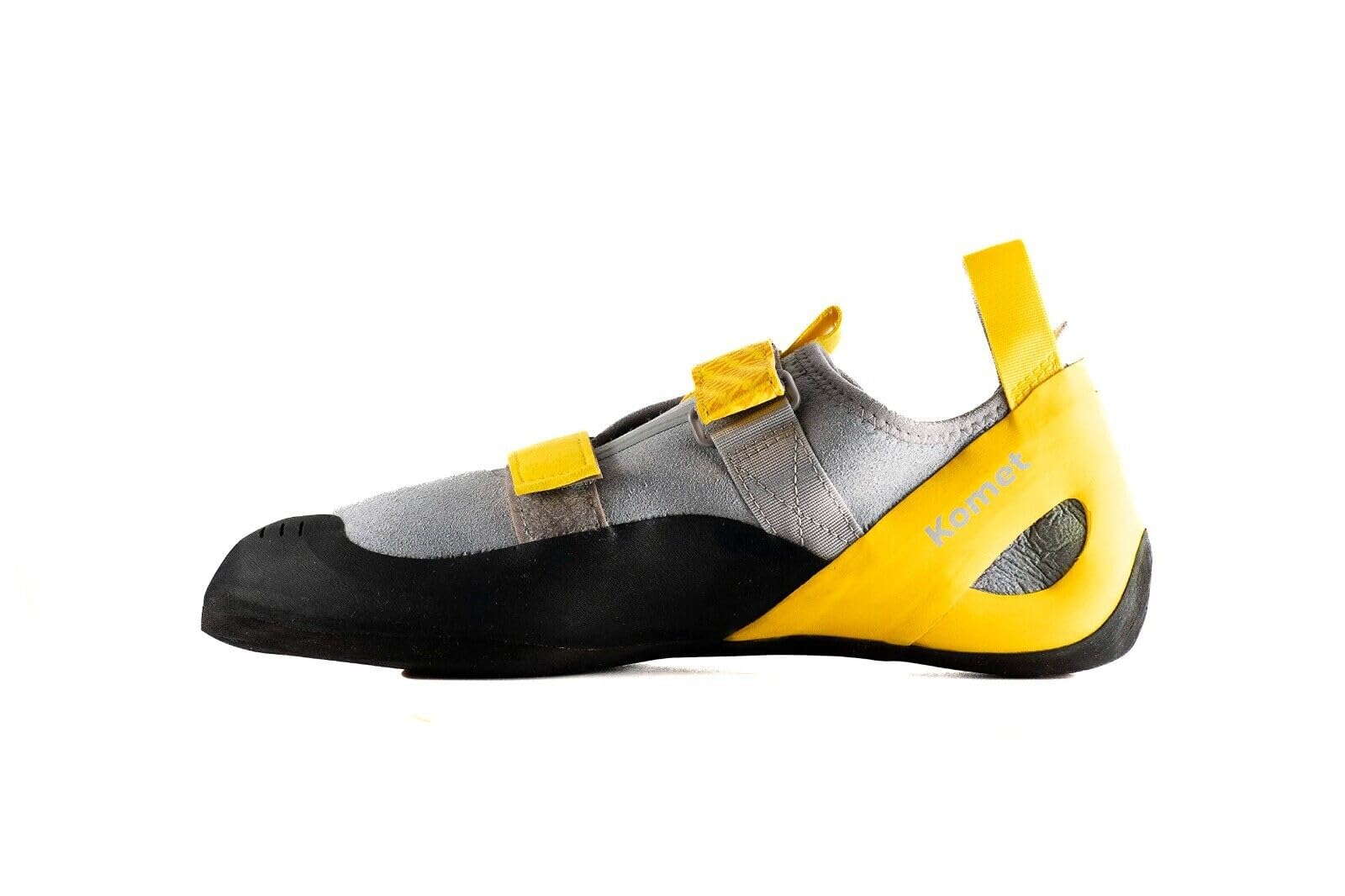
Who Should Buy Which Butora Climbing Shoes?
For Weekend Beginners
If you climb a few times a month at the gym and are still building footwork, choose a flat soled, moderately stiff shoe with a relaxed fit. A neutral shape lets your feet last a full session while you learn to trust small holds, and thicker rubber survives the scuffed, imprecise foot placements every beginner makes. Lace closures help because you can fine tune tightness as your feet swell. Our guide to the best starter climbing shoes covers this category broadly if you are comparing across brands before settling on a first pair.
For Small Spaces and Easy Storage
Climbers who train at a crowded gym, travel light, or keep gear in a locker benefit from a low volume slipper or a soft shoe that packs flat in a gym bag. Flexible shoes roll or compress beside a chalk bag and harness without forcing a bigger pack. The trade off is support: a very soft shoe asks more of your foot muscles on long vertical sessions. If your routine is mostly short boulder problems and board training, that trade is usually worth it, and the shoe doubles as a warm up pair later when you own a stiffer option.
For Bad Weather and Tough Conditions
Outdoor climbers facing rough granite, long approaches, and changing weather need a durable upper, a protective toe rand, and rubber that still grips when rock is dusty or slightly damp. A slightly roomier fit allows thin socks on cold mornings and leaves room for swollen feet at the end of a long day. Leather uppers mold to your foot over time and resist abrasion well, while synthetic uppers dry faster after a wet approach. Whatever you choose, dry your shoes fully between outings, because damp linings break down faster and smell far worse.
Key Features to Compare
Size, Weight, and Fit
Climbing shoe sizing ignores your street shoe number. What matters is toe shape: your toes should touch the end of the shoe, gently curled in performance models or nearly flat in comfort models, with no empty space at the heel. Butora is known for offering wider fit options alongside regular ones, which helps climbers whose feet feel crushed in narrow European lasts. Try shoes late in the day when your feet are slightly swollen, wear them for several minutes, and stand on a small edge. Sharp pain is a warning sign, while firm pressure that eases slightly is normal for a new pair.
Skill Level and Intended Use
Beginner shoes favor durability and comfort, with flatter shapes and thicker soles around 4 to 5 mm. Intermediate all around options add a mild downturn and better edging so you can progress on steeper gym terrain and outdoor sport routes. Advanced performance options use aggressive downturns, softer rubber, and asymmetric shapes that demand strong feet and precise technique. Buying above your current level rarely speeds progress; a shoe you can wear for a full session teaches more footwork than a painful shoe you keep removing between climbs.
Indoor vs Outdoor Use
Gym climbing rewards sensitivity and grip on smooth plastic volumes, and it wears rubber fast because of frequent, dynamic foot placements. A dedicated indoor pair keeps that wear off your outdoor shoes. Outdoor rock adds sharp edges, cracks, and longer routes, so stiffness and a protective upper matter more. Climbers who split time between both often own a comfortable all around pair for long days and a tighter pair for hard attempts. If most of your climbing is inside, see our guide to the best indoor climbing shoes for how gym specific designs differ.
Performance Characteristics
Four qualities define how a shoe climbs. Grip comes from soft, sticky rubber that conforms to the rock but wears faster. Edging power comes from a stiffer midsole that lets you stand on tiny holds without the shoe rolling. Sensitivity is how much of the hold you feel through the sole, which helps precise placements on volumes. Forgiveness describes how a shoe tolerates sloppy technique; flatter, stiffer shoes forgive more, while soft downturned shoes punish loose feet. Match these traits to your terrain instead of chasing the most aggressive shape on the shelf.
Portability and Storage
A climbing shoe lives in your pack, car, and locker, so how it stores matters more than most buyers expect. Slip on and strap closure models pack flatter than high volume lace models. Keep shoes loose in a breathable bag rather than sealed in plastic, and never leave them in a hot trunk, because heat degrades rubber grip. Clip them to the outside of your pack on the walk out from the crag so air circulates. A simple habit like loosening every strap and lace before storage also helps the upper hold its intended shape.
Common Mistakes to Avoid When Buying Butora Climbing Shoes
- Buying on price alone and ending up with a shape that fights your foot anatomy all season.
- Ignoring fit details such as heel volume and toe box width, which decide comfort more than the size number does.
- Sizing far too small because a friend insists pain equals performance, risking numb toes and cut sessions.
- Choosing an advanced downturned shoe for long beginner sessions, then climbing less because your feet hurt.
- Skipping the warranty and return policy check, which matters when stitching or a strap fails early.
One practical safeguard: buy from a seller whose return policy allows an indoor carpet test at home. Stand on the edge of a step, load the heel, and confirm there are no sharp pressure points before the shoes touch real rock.
Care and Maintenance Tips
Store your shoes out of direct sun and extreme heat, and let them air dry with the closures open after every session. Check wear before each use, especially the toe area where the rubber thins fastest and the rand beneath it. Once the edge rounds off and a line of different colored material shows through, it is resole time, and resoling early protects the structure of the shoe. Clean and dry shoes after outdoor use with a soft brush and plain water. A light dusting of foot powder or an odor absorbing insert between sessions keeps linings fresher without harsh chemicals.
Butora Climbing Shoes: Your Questions Answered
Indoor vs outdoor: does it matter?
Yes, mainly for rubber wear and support. Gym volumes and frequent sessions grind soft rubber down quickly, so many climbers keep one pair for plastic and another for rock. Outdoor routes also run longer, which makes a supportive, slightly roomier shoe more comfortable over a full day. If you can own only one pair, choose a moderate all around shape and accept faster wear at the gym as the cost of simplicity.
What size should I get?
Start near your street shoe size in comfort oriented models and expect performance models to feel one half to a full size tighter in fit, even at the same number. Your toes should reach the end without a gap, your heel should not lift when you edge, and no single spot should throb. Because lasts differ between regular and wide versions, the same labeled size can feel completely different, so always judge by a weighted stand on a small edge, not by the box.
How long does it last?
With two or three gym sessions a week, expect roughly six to twelve months of good edging before a resole or replacement, depending on your footwork. Dragging toes on the wall is the fastest way to halve that life. Outdoor only climbers often get a year or more from a pair. Rotate two pairs if you climb often, because rested rubber and dried linings both last longer, and keep an eye on strap stitching, which can fail before the sole does.
Is it worth buying premium as a beginner?
Usually not for your first pair. Premium prices buy aggressive shapes, thin sensitive soles, and soft rubber that wears quickly under learning footwork, so beginners pay more for traits that slow them down. A midpriced comfort model teaches clean technique and survives the process. Upgrade once your footwork is quiet and you know exactly which wall angles you climb most. Climbers moving up a grade can compare the best intermediate climbing shoes when that moment arrives.
The Bottom Line
Decide by fit first, then by the terrain you climb most, then by stiffness and closure style. Those three filters turn the best butora climbing shoes from a long catalog into one or two honest candidates. Check your finalists in the product table above, check the fit on an edge before committing, and remember that a comfortable shoe you wear often builds more skill than a severe shoe you avoid. For style conscious climbers, our look at the best looking climbing shoes shows how much appearance varies across modern designs.