Best Cameras for Mountaineering: Matching the Right Model to Your Routine for 2026
Disclosure: We may earn a commission when you buy through links on this page, at no extra cost to you. As an Amazon Associate I earn from qualifying purchases. Learn more

Climbers can weigh the best cameras for mountaineering by weight, sealing, cold battery life, and glove friendly controls for steep terrain.
There is no single model that suits every climber, route, and season. The best cameras for mountaineering for a fast summer ascent may feel wrong on a long winter expedition, where cold, wind, and heavy gloves change what you can actually operate. Your routine, meaning how far you travel, how much weight you carry, and when you stop to shoot, should drive the choice.
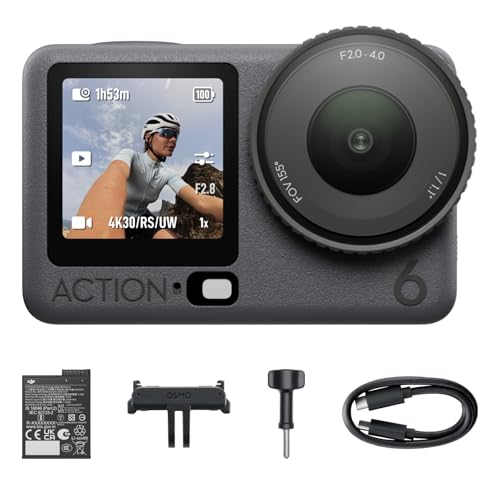
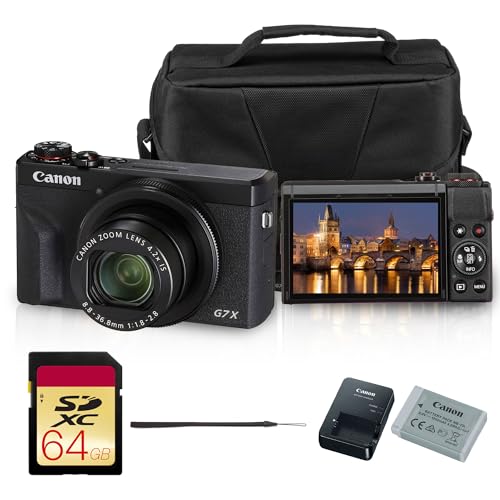
This guide works through that routine first, then covers the features that matter once you narrow the type. Use the comparison table below to see how the main options differ on weight, sealing, and battery claims, and treat the sections that follow as the reasoning behind those numbers.






Who Should Buy Which Camera for the Mountains?
Start with the kind of trip you take most often, because that trip decides your weight limit, your sealing needs, and how simple your controls must be. A camera that stays in the pack during hard moves earns nothing. Readers who want a broader view first can see our guide to the best digital cameras and then return to the mountain specific tradeoffs below.
For Fast and Light Alpine Climbers
You move quickly, count every ounce, and shoot mostly at belays, on ridges, and at camp. A compact point and shoot with a one inch sensor usually fits you best, because it rides in a chest pocket and comes out with one hand. Prioritize a fast startup time, a secure wrist loop, and a lens that covers wide scenes without swapping parts. Skip interchangeable lens systems here, since extra bodies add weight and fumble risk when the pace is high.
For Expedition and Winter Climbers
You spend many days out, face spindrift and deep cold, and may wear thick mitts for long stretches. Look for a weatherproof body with strong sealing, large buttons, and a battery you can swap without bare skin contact with metal. A rugged compact or a sealed mirrorless body both work, as long as the controls stay usable in mitts. Endurance and toughness outrank maximum image quality for your routine.
For Climbers Who Prioritize Summit Photos and Video
You plan shots in advance, carry a little more to get them, and care about dawn light, night skies at camp, and 4K video of the route. A mirrorless camera with an APS C or full frame sensor gives you the dynamic range and low light reach your goals demand. If that is your aim, see our guide to the best cameras for photography for the wider craft side, and accept the extra batteries and careful packing that serious output requires on a climb.
Key Features to Compare
Once your routine sets the type, compare the details that decide whether the camera works at altitude and in cold. When you compare the best cameras for mountaineering side by side, the product table above gives the headline specs, while the points below explain what those specs feel like on a real route.
Sensor Size and Image Quality
A larger sensor gathers more light per photo, which helps at dawn starts, inside tents, and under heavy cloud on a north face. One inch sensors in premium compacts balance quality and size well, APS C sensors step up detail and dynamic range, and full frame sensors lead in low light but add bulk. Megapixels alone tell you little, since lens quality and processing shape the final file as much as the count. Readers who rank files above all else can see our guide to the best quality cameras for context beyond the mountains.
Autofocus and Image Stabilization
Autofocus has to lock onto a partner in bright snow glare and in flat evening light, often while you hold the camera in one gloved hand. Face and eye detection helps for portraits at camp, but predictable center point focus often wins on steep ground where you cannot compose for long. Image stabilization steadies handheld shots when your arms are tired and your stance is poor, and it smooths walking footage on approach trails. Prefer stabilization in the body or lens over digital only modes, which crop the frame and soften detail.
Weight, Size, and How the Camera Carries
Every ounce competes with water, food, and safety gear, so weigh the full shooting kit and not just the body. Include the case, spare batteries, memory cards, and any strap or clip you plan to use. A camera you can reach without removing your pack gets used far more than a better one buried at the bottom. The right carry spot is the one you can open, shoot, and close again while wearing gloves.
Battery Life in Cold Air
Cold drains lithium cells faster, so rated shot counts measured indoors can drop sharply on a winter summit day. Choose a camera with a larger battery where possible, and plan to carry at least one spare on any full day above the treeline. USB charging from a power bank helps on multiday trips, though charging slows in deep cold and cables stiffen. Turn off WiFi, GPS logging, and constant screen review on the move, because those quiet drains add up across a long approach.
Weather Sealing and Build Strength
A weatherproof rating and sealed dials protect against spindrift, light rain, and the damp inside a tent after a storm day. Sealing matters most at the lens mount, battery door, and port covers, where fine snow finds its way in during long carries. A metal chassis survives pack life better than thin plastic doors. Remember that sealing resists weather rather than immersion, so a camera that falls in a stream still needs quick drying and care.
Controls You Can Use With Gloves
Small touch targets and deep menus become unusable once you pull on liner gloves, and hopeless once mitts go on. Favor raised buttons, a distinct shutter feel, and a mode dial you can turn by touch alone. Set key choices, such as file type and focus mode, before you leave camp so the summit needs only one or two adjustments. A bright screen helps too, since viewfinders fog quickly when you breathe hard near the eyepiece.
Zoom Range and Lens Reach
Optical zoom changes the real focal length, so detail holds up when you frame a partner on a distant pitch or wildlife on a far slope. A range near 24 to 70 mm covers landscapes, camp life, and portraits for most climbers. Longer reach, up to about 200 mm, helps on big faces but adds size and shake at the long end. Digital zoom only enlarges pixels, so judge the lens by its optical range alone.
How to Match a Mountaineering Camera to Your Route
Think about your next three trips rather than your dream trip, and let those routes set the spec floor. A weekend glacier course needs far less sealing and battery depth than a week long traverse in unsettled weather. Write down your longest day, your coldest expected night, and the heaviest pack you accept, then check each candidate against those three numbers. That short list prevents both overbuying for a single epic and underbuying for trips you repeat.
Test handling before you commit if a shop allows it, and do the test wearing the gloves you climb in. Practice turning the camera on, changing the battery, and finding the shutter without looking down. Notice whether the grip fills your hand, since a tired and cold hand drops what it cannot hold securely. Ten minutes of honest handling tells you more than another hour of reading specification charts.
Finally, plan the carry system as part of the purchase rather than as an afterthought. Decide where the camera rides and how the tether attaches to your harness or chest strap. A short tether has saved many cameras over ledges and crevasses. If the carry plan feels awkward in the living room, it will feel impossible on an exposed ridge in wind.
Common Mistakes to Avoid When Buying a Camera for Mountaineering
- Choosing by megapixel count alone, which leads you to pay for detail your lens and light cannot deliver.
- Ignoring total kit weight, which leaves the camera behind at camp on the days that matter most.
- Buying a body with tiny controls, which makes simple shots impossible once thick gloves go on.
- Trusting indoor battery ratings, which overstate how long the camera runs on a cold summit day.
- Skipping a tether or secure carry, which turns one slip on a ledge into a lost camera.
- Paying for long digital zoom claims, which add no real detail to distant subjects.
How to Make Your Mountaineering Camera Last Longer
Clean the lens with a soft lens cloth and a blower, never with a shirt hem or glove that can drag grit across the glass. Brush snow off the body before you bring the camera into a warm tent, and let it warm up inside a sealed bag so condensation forms on the bag rather than on the lens and sensor. Small habits like these protect the optics and electronics that mountain weather attacks first.
Store the camera in a dry padded bag at home, with the battery removed if it will sit unused for many weeks. Keep memory cards in a hard case, format them in the camera, and replace a card that ever shows an error instead of trusting it on a big trip. Check the strap anchors, battery door latch, and port covers before each season, since those small parts fail more often than sensors do.
On the route, keep the camera close to your body in extreme cold so your warmth slows battery drain between shots. Wipe battery and card contacts with a dry cloth if charging becomes unreliable in damp camps. After any drop on rock, test the lens movement, screen, and every dial before the next climb, because hidden damage is cheaper to fix early.
FAQs
What features matter most in a camera for mountaineering?
Weight, weather sealing, cold weather battery life, and glove friendly controls matter most in a camera for mountaineering. Those four decide whether the camera leaves the pack and works at the moment you need it. One point many buyers miss is built in GPS tagging, which logs where each summit and camp photo was taken and helps you map the route later without extra devices.
Is a smartphone enough instead of a camera for mountaineering?
A smartphone is enough for casual snaps on short and mild trips, and its photos suit sharing straight from the trail. Keep in mind that your phone is also your map, weather check, and emergency contact tool, so draining it for long video sessions can put safety at risk. A dedicated camera protects that lifeline, adds real optical zoom, and keeps working with gloves when touch screens stop responding.
What specs matter most for beginners choosing a camera for mountaineering?
Simple auto modes, a fixed zoom lens, and a weight you barely notice matter most for beginners choosing a camera for mountaineering. A single lens removes swapping decisions in bad weather, and clear scene modes let you focus on climbing while you learn. New buyers comparing entry options can see our guide to the best starter cameras and then weigh those choices against the sealing and cold weather needs described here.
How much should you spend on a first camera for mountaineering?
Plan on about $200 to $500 for a capable rugged or compact model that handles weather and cold well enough for regular mountain use. Spending under $200 usually means weak sealing and small batteries that struggle in winter, while higher prices buy larger sensors and stronger builds. Put part of the budget aside for spare batteries, cards, and a good carry case, because those extras decide how the camera performs on real trips.
How cold is too cold for a camera for mountaineering and its batteries?
Most cameras keep working well below freezing, but battery output falls fast once temperatures drop toward 0 degrees Fahrenheit and screens can respond slowly. Warmth is the cure, so rotate two batteries during the day and keep the resting one in an inside pocket against your base layer. That rotation habit, paired with short shooting bursts rather than long video takes, keeps power available for the summit window.
Which camera type is better for low light on a mountaineering trip?
A larger sensor camera type is better for low light on a mountaineering trip, since it holds detail and color at dawn starts and in shaded tent interiors. Bright lenses help just as much, gathering light that a slow kit zoom cannot. Remember that snowfields reflect strong light even on grey days, so the hardest moments are the first minutes before sunrise and the last minutes after sunset at camp.
Final Thoughts
Match the camera to your routine first, then weigh sealing, battery behavior in cold, and controls you can run with gloves. The product table above can confirm the short list once those priorities are clear, and a simple carry plan will make sure the camera actually reaches the summit with you. Chosen that way, the best cameras for mountaineering become the ones that fit your trips, your pack, and your hands, rather than the ones with the longest spec sheet.