
Best Business Wireless Routers for Every Need: How to Pick the Right One for 2026
Disclosure: We may earn a commission when you buy through links on this page, at no extra cost to you. As an Amazon Associate I earn from qualifying purchases. Learn more

Discover the best business wireless routers for your needs. We match features to real use cases so you avoid overpaying and get the right fit the first time.
There is no single router that fits every business. A three person design studio pushing large files, a retail shop running card payments, and a home office built around video calls all stress a network in different ways. Choosing the best business wireless routers for your own setup starts with your floor plan, your device count, and your internet plan, not with the biggest speed number on a box.
Use the comparison table below to note which standards and coverage figures match your space, then work through the use cases and features that follow. A router matched to your actual workload will feel faster and stay stable longer than an oversized model bought on specifications alone.


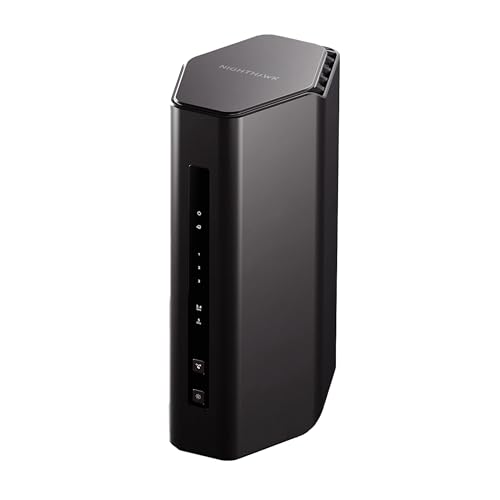
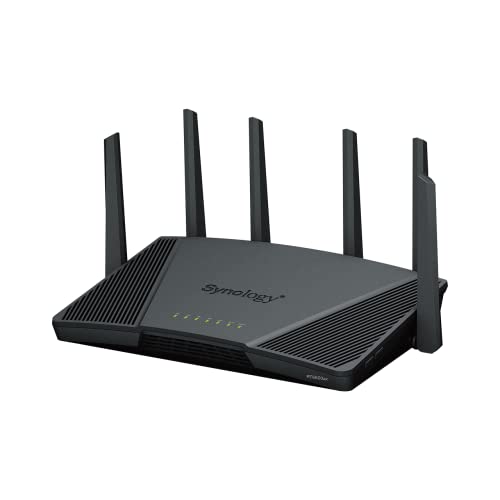

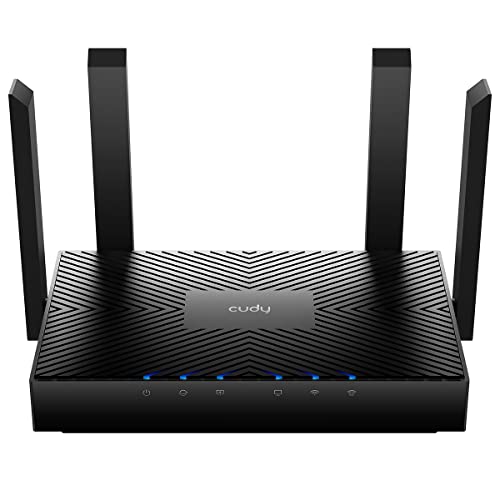
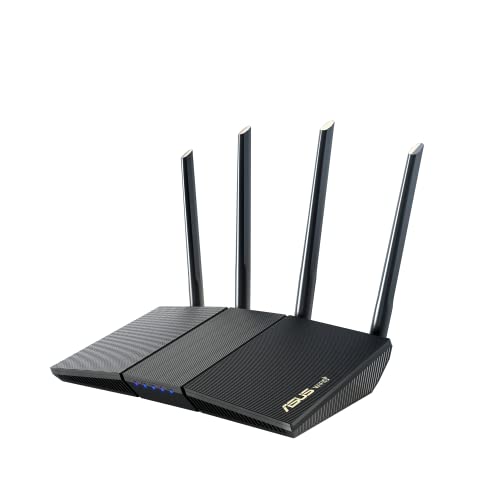

Who Should Buy Which Business Wireless Routers?
For Remote Workers and Creators
If your income depends on video calls and large uploads, reliability outranks raw speed. Prioritize a router with strong quality of service controls so calls stay clear when someone else starts a big download, plus a dependable 5 GHz band for your work machine. A good webcam and microphone only perform as well as the connection behind them, so place your desk within clear range or wire it by Ethernet. Dual band models with a stable firmware track record suit most home offices, and a USB port or multi gig port helps if you share files from local storage.
For Travelers and Commuters
People who split the week between a main office, a home office, and client sites need consistency more than power. A compact router for the secondary space, using the same network name and password, lets laptops and phones reconnect without fuss. Look for simple setup, automatic updates, and a guest network you can switch on for visitors. If you run a small satellite office or a pop up location, a model that supports a cellular failover or a VPN connection back to headquarters protects you when the main line drops during trading hours.
For Students and Everyday Users
Small teams in shared spaces, interns, and everyday office users mainly need a network that stays up and stays simple. A midrange WiFi 6 router with clear app based setup, automatic security updates, and enough capacity for a few dozen devices covers email, cloud documents, and streaming training videos without drama. Long and stable performance matters more than a 6 GHz band here. If your space is a single room or small suite, skip mesh kits and put the savings toward a better internet plan.
For Gamers and Power Users
Some businesses have genuinely demanding traffic: esports venues, streaming studios, software teams pushing builds, and trading desks where latency costs money. These users should prioritize low latency under load, quality of service that can pin critical traffic first, and multi gig ports for wired machines. A tri band design keeps high demand devices off the crowded 2.4 GHz band. Still, wire your most important workstation by Ethernet whenever possible, because no wireless link beats a cable for consistent response times during peak hours.
Choosing Business Wireless Routers for Your Situation
Best Simple Business Wireless Routers: What to Prioritize
If you want the best simple business wireless routers experience, prioritize three things: an app guided setup you can finish in under fifteen minutes, automatic firmware and security updates, and a guest network that turns on with one toggle. Simple models trade away advanced traffic shaping and detailed logs, which most small offices never open. Choose a WiFi 6 dual band unit sized for your floor area, and you will get a network that staff can use without an IT call every week.
Complexity is a real cost in a small business. Every advanced feature you will never configure is a setting that can be misconfigured, so a simpler router that you understand fully often runs more securely than a powerful one left on defaults. If your needs grow later, most simple routers can become an access point behind a stronger main unit, so the purchase is rarely wasted. Growing firms comparing broader options can also see our guide to the best wireless routers for small business for sizing advice by team size.
Key Features to Compare
WiFi Standard (WiFi 6, 6E, 7)
WiFi 6 handles crowded offices well by scheduling many devices efficiently on the 2.4 and 5 GHz bands. WiFi 6E adds the 6 GHz band, which is fast and uncrowded but only works with newer laptops and phones, and its range is shorter through walls. WiFi 7 raises capacity further and suits dense, high demand spaces planning to keep a router for many years. For most businesses, WiFi 6 or 6E is the value choice today. Buy WiFi 7 when your devices support it or your device count is large enough to strain older standards.
Coverage and Home Size
Coverage claims on boxes assume open space, while real offices add walls, shelving, and metal fixtures that weaken signal. A single router usually serves about 1,500 to 2,500 square feet on one floor if placed centrally. Beyond that, or across multiple floors, a mesh system with two or three nodes keeps speeds even in far rooms. Our guide to the best wireless mesh routers explains node placement in depth. Measure your space honestly, count the walls between the router and the farthest desk, and size the system for the worst seat, not the average one.
Gaming Features (QoS, Low Latency)
Quality of service, or QoS, lets the router prioritize selected traffic, such as video calls or a point of sale terminal, when the connection is busy. For a business, that matters more than any gaming branding: a card payment or a client call should never wait behind a large backup upload. Look for device based or application based prioritization that you can set once and forget. Low latency figures quoted by makers assume an empty network, so judge a router by how it behaves at your busiest hour, which QoS controls directly influence.
Speed Ratings vs Your Internet Plan
Labels like AX3000 describe combined theoretical speeds across all bands, and no single device will ever see that number. What matters is whether the router can deliver your full internet plan speed to each active device. A gigabit plan needs a router with gigabit or faster ports and WiFi 6 capacity; a 300 Mbps plan does not. Check the WAN port speed as well, because an older port can cap a fast new plan. For a general comparison of consumer and office models, see our roundup of the best wireless routers and match the ratings there against your plan.
Common Mistakes to Avoid
- Buying on price alone and ending up with a router that drops connections under your real device count.
- Ignoring the WiFi standard and keeping an aging unit that cannot use the speed your plan already provides.
- Oversizing a tiny office with an expensive mesh kit, or undersizing a warehouse with one small router.
- Forgetting to check warranty length and update policy, which decide how long the router stays secure.
- Leaving the default admin password in place, an open door for anyone who reaches the login page.
Most of these mistakes cost more in lost work time than the price gap between router tiers. A short planning pass before ordering, covering floor area, device count, and plan speed, prevents nearly all of them.
Tips to Get the Most From Your Business Wireless Router
Place the router centrally and elevated, on a shelf rather than the floor, and away from thick masonry, metal cabinets, and microwave ovens. Update firmware regularly, or turn on automatic updates, because updates patch security flaws and often improve stability. Change the default admin password on day one and store it in your company password manager. Use WPA3 security where devices allow it, with WPA2 compatibility for older hardware. Finally, reboot the router monthly and label your network cables, two small habits that make troubleshooting far faster when something does go wrong.
Business Wireless Routers: Your Questions Answered
How often should I replace my router?
Plan on four to six years for a business router. Replace sooner if security updates stop, if the unit cannot deliver your upgraded plan speed, or if drops and restarts become routine. A useful signal is your newest laptops supporting a standard your router lacks, such as 6 GHz, while your device count keeps climbing. Budgeting a replacement cycle also avoids an emergency purchase during your busiest season.
Will a new router speed up my internet?
It can, but only up to the speed of your internet plan. A new router removes local bottlenecks such as an old WiFi standard, weak coverage in far rooms, and slow ports, so devices reach the full plan speed more often. It cannot make a 200 Mbps plan behave like gigabit service. Test with a wired connection first: if wired speeds already match your plan, the router and its placement are where your gains live.
Mesh or a single router: which is better?
A single router is better for compact, open spaces because it is cheaper, simpler, and often faster near the unit. Mesh is better for larger floors, multiple stories, and buildings with signal blocking walls, because extra nodes keep far rooms connected at usable speeds. Many growing offices start with one strong router and add a compatible node later, which spreads the cost and avoids replacing hardware you already own.
Do I need WiFi 7 yet?
Most businesses do not need WiFi 7 yet. Its benefits appear in dense spaces with many WiFi 7 devices moving large amounts of data, which describes few offices today. WiFi 6E already covers the 6 GHz advantage for current laptops. Consider WiFi 7 if you are outfitting a new office for a long term, stream heavy, or device dense workload, since the router will stay in service while your device fleet catches up.
Wrapping Up
Match the router to your floor plan, your device count, and your plan speed, in that order, and the shortlist narrows quickly. The best business wireless routers for you are simply the ones whose coverage and controls fit how your team actually works. Check the product table above against those three figures, confirm WPA3 support and a solid update policy, and you will buy once and buy well. Firms weighing wired and wireless layouts together may also find our guide to the best routers for business helpful for the wired side of the plan.


