Best Business Shoes for 2026: Styles, Construction, and Fit
Disclosure: We may earn a commission when you buy through links on this page, at no extra cost to you. As an Amazon Associate I earn from qualifying purchases. Learn more

How to choose the best business shoes: styles, leather and construction, fit, price tiers, and care for men and women.
A good pair of business shoes does two jobs at once. It tells clients and colleagues that you pay attention to detail, and it carries you through a long day of meetings, commutes, and corridors without hurting. The best business shoes combine clean lines, honest materials, and a sole that supports your stride, and the price you pay shows up in leather quality and construction more than in the name on the box.
This guide explains the main styles, the construction details that decide how long a pair lasts, and how to choose by dress code and budget. Use it alongside the product table above to shortlist pairs for men and women.






The Main Styles of Business Shoes
Oxfords
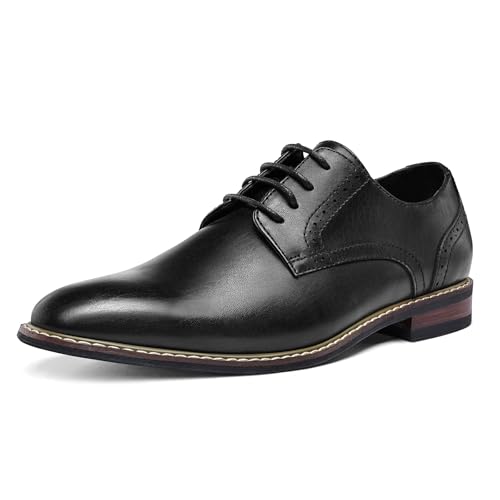
Oxfords have closed lacing, where the eyelets are stitched under the vamp, which gives a sleek, formal line. They are the default for suits and conservative offices. Plain-toe and cap-toe versions are the most versatile; wingtip (brogue) versions add decoration and read slightly less formal.
Derbies
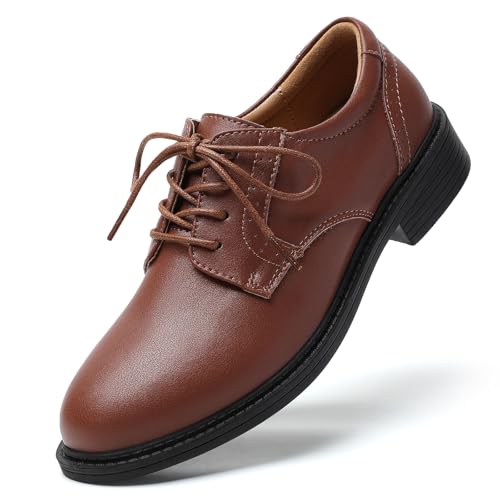
Derbies have open lacing, which makes them easier to adjust and often more comfortable for wider or higher-arched feet. They look a little more relaxed than oxfords and pair with both suits and chinos.
Loafers and Monk Straps
Loafers slip on and suit business casual offices and warm climates. Monk straps use a buckle instead of laces and look smart with tailored trousers. Both are quick to wear, but make sure the heel grips so the shoe does not slip.
Dress Boots and Chelsea Boots
Sleek leather boots with a thin sole work with suits in cooler weather and give you more protection from rain.
Women's Styles
Women's business footwear includes pumps with a low or block heel, polished flats, Mary Janes, loafers, and oxfords. Heel height under about two inches is the most comfortable for long days, and cushioned insoles make a visible difference by late afternoon.
What Separates a Good Pair From a Poor One
Leather Quality
Full-grain leather ages well, breathes, and polishes to a deep shine. Corrected-grain leather is more uniform and cheaper, but creases can crack with age. Synthetic leather costs less and wipes clean, though it does not breathe and rarely lasts as many years.
Construction
A Goodyear welt or a similar stitched construction joins the upper to the sole with thread, so a cobbler can replace the sole when it wears down. Glued construction is lighter and cheaper but usually ends the life of the shoe when the sole is worn through. Blake stitching sits in between.
Insole and Cushioning
Padding under the ball and heel prevents fatigue. A removable insole lets you add an orthotic if you need one.
Outsole
Rubber or rubber-blend soles grip office floors and wet pavements. Leather soles are elegant but slick and wear faster.
Fit Details
Look for a roomy toe box, a snug heel, and a lacing system that lets you adjust the instep. Many brands offer wide sizes, which are better than buying a larger length.
Choosing by Dress Code
For formal offices and client meetings, black or dark brown oxfords or cap-toe derbies are the safest choice. For business casual workplaces, brown derbies, loafers, and suede styles add variety without looking sloppy. For creative or hybrid workplaces, dress sneakers and ankle boots can work if they stay clean. If you attend interviews, choose a classic, well-polished pair in a neutral color and break it in beforehand.
Price Tiers
The best business shoes are not always the most expensive, but price tiers do tell you what to expect from the leather and construction.
Pairs under about $50 can look neat and work for occasional use, though leather quality and cushioning are basic. Between about $50 and $120 you often find better leather, improved insoles, and sturdier stitching, which is the sweet spot for regular office wear. Above that, you pay for full-grain leather, stitched soles, and the option to resole, which makes sense if you wear a pair weekly for years.
Rotating two pairs through the week typically extends the life of both, because each pair has a full day to dry and recover its shape.
Fit and Break-In
Try on shoes in the afternoon and wear the socks you wear to work. Walk on a hard floor, and check that your toes have room, your heel stays put, and the arch feels supported. Quality shoes soften slightly with wear, but they should never hurt on day one. If foot discomfort persists, talk with a podiatrist or your doctor.
Care Routine
Brush off dust after wearing, apply conditioner every few weeks, and polish leather occasionally. Insert cedar shoe trees when you take the shoes off to absorb moisture and hold the shape. Let wet shoes dry at room temperature, away from heaters. Replace worn heel caps early, since uneven wear changes how you walk and damages the rest of the shoe.
Socks, Laces, and Small Details
The pair you wear matters less than how you finish it. Wear socks that match your trousers rather than your shoes, choose thin merino or cotton blends that wick moisture, and replace socks that bunch under the heel. Waxed flat laces look cleaner than round laces on most oxfords, and a fresh pair costs little. A belt in a similar tone to your shoes pulls the outfit together, and a quick wipe with a damp cloth before a meeting removes dust and street grime.
Common Mistakes to Avoid
- Buying a half size too small for a sleeker look, which causes blisters and toe pain.
- Wearing the same pair every day, which shortens its life and leaves no backup.
- Choosing a style that clashes with your dress code, such as chunky soles with a suit.
- Skipping shoe trees, which let leather curl and crease deeply.
- Ignoring the commute, since a shoe that works at a desk may struggle on a long walk.
Related Guides
If your office is relaxed, see business casual shoes. For women's styles, compare business shoes for women.
Frequently Asked Questions
What is the difference between oxfords and derbies?
Oxfords have closed lacing and look more formal. Derbies have open lacing, which fits more foot shapes and looks slightly more relaxed.
Are expensive business shoes worth it?
For daily wear, better leather and stitched construction usually last longer and feel better. For occasional use, a moderately priced pair is often enough.
How do I choose the right size?
Measure your foot in the afternoon, check both length and width, and try on shoes with work socks. A heel that slips or a toe that pinches signals the wrong size.
Can business shoes be resoled?
Shoes with stitched construction usually can. Glued soles generally cannot be replaced.
How do I polish business shoes?
Brush off dust, apply polish thinly with a cloth, let it dry briefly, then buff with a brush for a shine. Repeat for a deeper finish.
Final Thoughts
The best business shoes are the ones that match your dress code, fit your feet, and hold up to regular wear. Choose a style that works with most of your wardrobe, check the leather and construction rather than relying on a brand name, and build a small rotation so each pair lasts longer. Compare the pairs in the product table above, keep the return window open until you have worn them for a full day, and polish them regularly so they keep looking sharp.