Best Business Shoes for Women 2026: Polish and Comfort
Disclosure: We may earn a commission when you buy through links on this page, at no extra cost to you. As an Amazon Associate I earn from qualifying purchases. Learn more

How to choose the best business shoes for women: styles, fit, heel height, and care for a comfortable workday.
Work shoes need to look professional and feel good after hours on your feet, and best business shoes for women focuses on that balance. The right pair supports your stride, matches your office dress code, and survives daily wear without losing its shape. The comparison table below brings the main options together in one place, so you can scan the differences before reading the detail.
Business footwear covers a wide range, from polished loafers and low heels to smart flats and ankle boots. Your office culture, commute, and time on your feet should shape the choice more than fashion alone. A shoe that looks perfect but hurts by midday will end up unworn, while a comfortable shoe that looks too casual may not suit formal meetings.




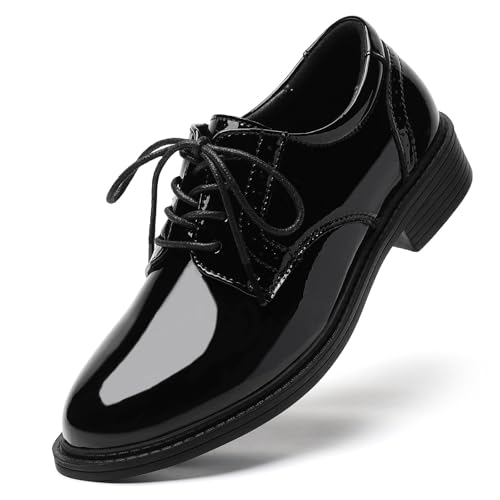
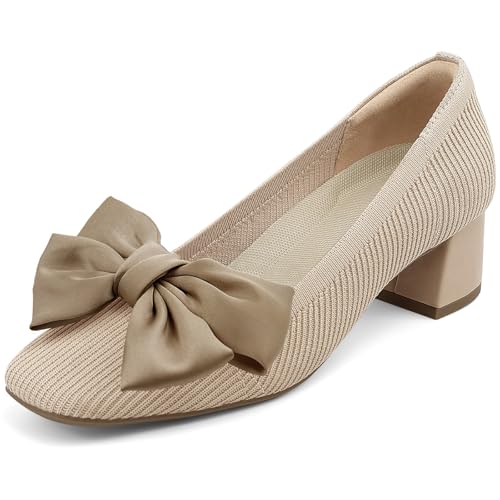

Who Should Buy Business Shoes for Women
This guide suits women who work in offices, client facing roles, or any job where appearance matters and comfort is essential. It is especially useful if you walk or stand for much of the day, commute on foot, or move between meetings and desks. If your workplace is formal, polished leather styles may be expected, while business casual offices allow more flexibility. Anyone with foot discomfort should prioritize fit and support alongside style.
Key Features to Compare
The features below matter more than the brand name alone. A shoe that fits well, looks appropriate, and lasts will serve you better than a fashionable pair that fails on comfort.
- Comfort and cushioning, since a shoe that hurts will not last a full workday no matter how good it looks
- Professional appearance, including clean lines, quality materials, and a finish that suits your office
- Fit and width, because a shoe that pinches the toes or slips at the heel causes problems all day
- Durability, meaning soles, stitching, and materials that survive daily wear and weather
- Versatility, so one pair works across meetings, commuting, and after work occasions
For walking shoes for women, best walking shoes for women covers that angle.
Types of Business Shoes to Consider
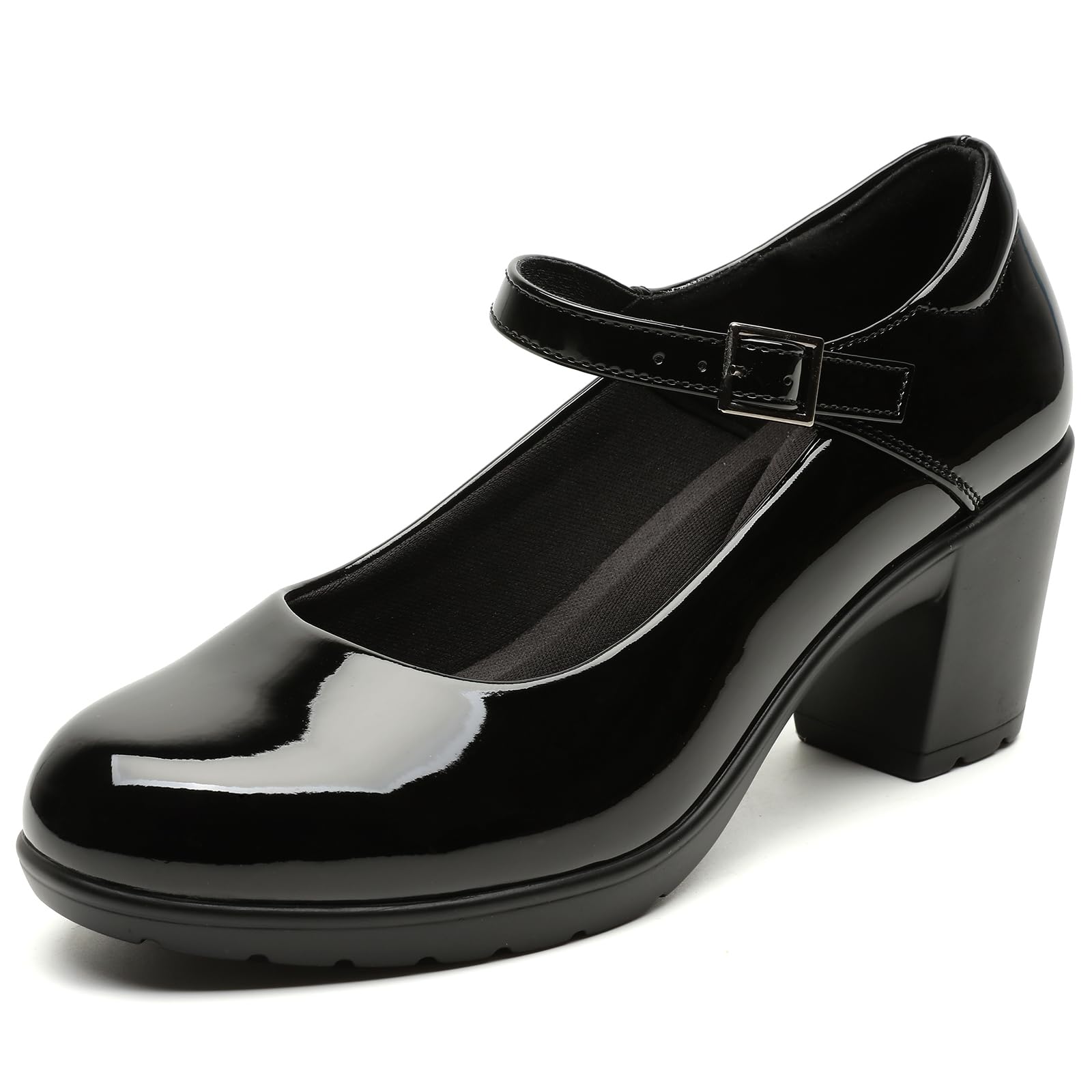
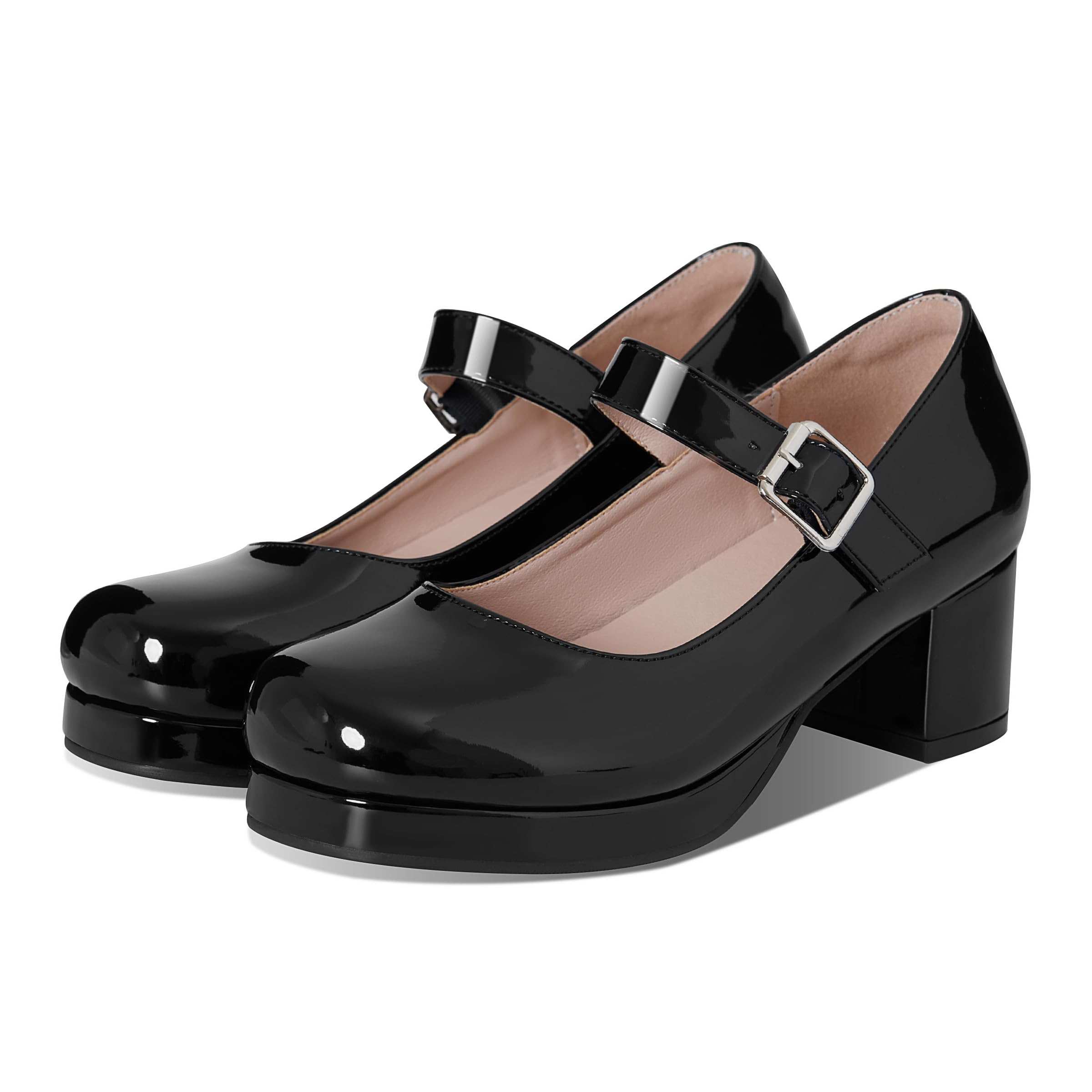
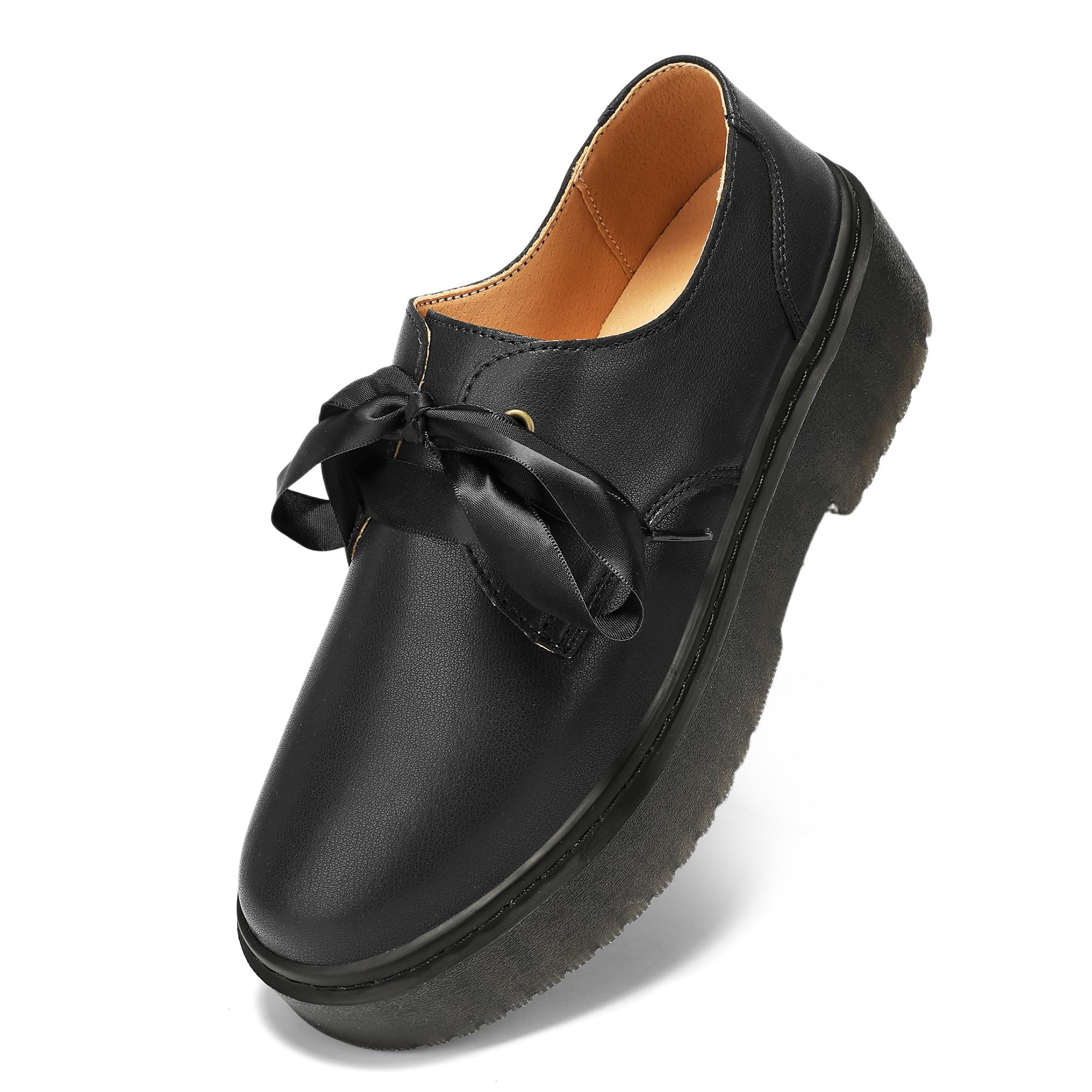
Loafers are a versatile choice, offering a polished look with easy on and off convenience and good coverage. Low heeled pumps suit formal offices and lengthen the leg line, though heel height should stay comfortable for walking. Smart flats work well for business casual settings and long days, especially with cushioned insoles. Ankle boots suit cooler weather and add a structured look with trousers or skirts. Oxford style shoes offer a classic, tailored appearance that pairs well with suits. Trying two types helps you learn which silhouette suits your wardrobe and your feet.
For jogging shoes for women, best jogging shoes for women is a useful companion guide.
How to Choose the Right Option
Start with your office dress code and your commute, then narrow by comfort needs. Try shoes later in the day when feet are slightly larger, and walk around for several minutes rather than standing still. Check that toes have room to move, the heel stays put, and the arch feels supported without pressure. Consider a second pair for commuting if you walk far, changing into office shoes at work to protect them and your feet. Keep the receipt until you have worn them for a full day, since comfort issues often appear after hours.
For slippers for women, best slippers for women covers at home comfort.
Common Mistakes to Avoid
A common mistake is to buy shoes a half size too small for a sleeker look, which causes blisters and toe pain. Another is to choose a heel height you cannot walk in comfortably, especially if your day involves stairs or longer walks. Ignoring the commute is also frequent, since a shoe that works at a desk may fail on a long walk to the office. Buying only one pair and wearing it daily wears it out faster and leaves no backup. Finally, skipping weather considerations means leather shoes may suffer in rain without protection.
Heel Height, Materials, and Fit for Business Shoes for Women
Heel height shapes comfort more than any other detail. A flat or a heel under about one inch suits long commutes and days spent standing, while a block heel of one to two inches adds polish with better stability than a narrow stiletto. If you wear heels most days, a cushioned insole and a wider toe box make a clear difference by the afternoon.
Leather breathes, molds to the foot, and polishes well, which makes it a dependable choice for loafers, oxfords, and flats. Suede feels softer but needs protection from rain. Quality synthetic uppers cost less and wipe clean, though they may breathe less and crack with age. Whatever the material, check that the lining is smooth, the heel counter holds the back of your foot, and the sole has some grip for polished office floors and wet pavements.
Fit is more than length. Try shoes on at the end of the day, with the hosiery or socks you wear to work, and walk on a hard surface. Your heel should stay put, your toes should lie flat, and the widest part of your foot should not feel pinched. Many brands offer wide widths, which suit feet that swell during the day.
Planning for Everyday Use
Rotate between at least two pairs so each can air out and recover its shape between wears. Use shoe trees for leather styles, protect them with spray before wet weather, and clean them regularly. Replace insoles when cushioning flattens, and repair soles and heels promptly rather than waiting until damage spreads. Store shoes with space around them, not crushed at the bottom of a closet. These habits keep business shoes looking sharp and feeling good longer.
For general shoes for women, best shoes for women covers the wider category.
Frequently Asked Questions
What heel height is comfortable for all day work?
Low heels of around one inch or less are usually the most comfortable for long days, though this varies by person. Block heels offer more stability than narrow heels at the same height. Choose the height you can walk in comfortably for your full commute and workday.
Are flats professional enough for business settings?
In many business casual offices, polished flats are entirely appropriate, especially in quality leather with clean lines. In very formal settings, a low heeled shoe or loafer may be expected. Check your office culture and dress code if you are unsure.
How do I prevent blisters from new work shoes?
Break shoes in gradually with short wears at home before a full workday. Use cushioned insoles, heel grips, or blister pads where needed, and ensure the fit is right rather than hoping shoes will stretch. Persistent blistering usually means the fit or style is wrong.
Should I wear the same shoes for commuting and work?
Many people keep a comfortable pair for commuting and change into office shoes at work, which protects both feet and shoes. If you prefer one pair, choose a style with good cushioning and grip for walking. A second pair also extends the life of both.
When should I replace business shoes?
Replace them when cushioning feels flat, soles are worn unevenly, or the upper no longer holds its shape. Worn shoes can change your gait and cause foot, knee, or back discomfort. Regular inspection helps you spot wear before it causes pain.
For general business shoes, best business shoes is a useful companion guide.
Final Thoughts
The best business shoe is the one that looks right for your office and feels good at the end of the day. Start with your dress code and commute, prioritize fit and cushioning, and rotate pairs to extend their life. With the right choice, work shoes become something you stop thinking about, which is exactly how they should feel. If foot pain persists, talk with your clinician about support options.
Choosing the right best business shoes for women comes down to matching the option to your routine, space, and budget.
The product table above is a useful starting point, but your own routine, space, and budget should guide the final choice.