
Best Business Laptops Under 800: Everything to Know Before Your First Purchase for 2026
Disclosure: We may earn a commission when you buy through links on this page, at no extra cost to you. As an Amazon Associate I earn from qualifying purchases. Learn more

Shopping for the best business laptops under 800 for the first time? Learn the terms, compare options, and avoid common mistakes with this easy guide.
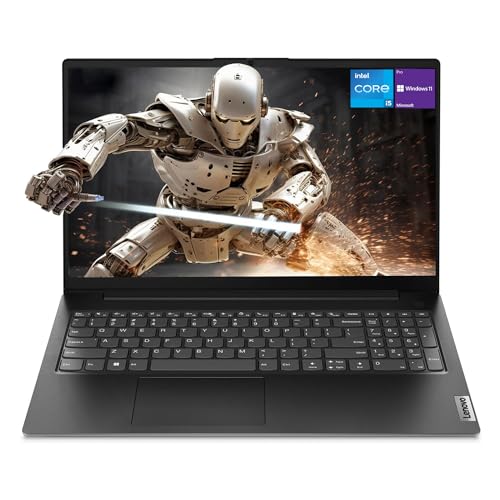
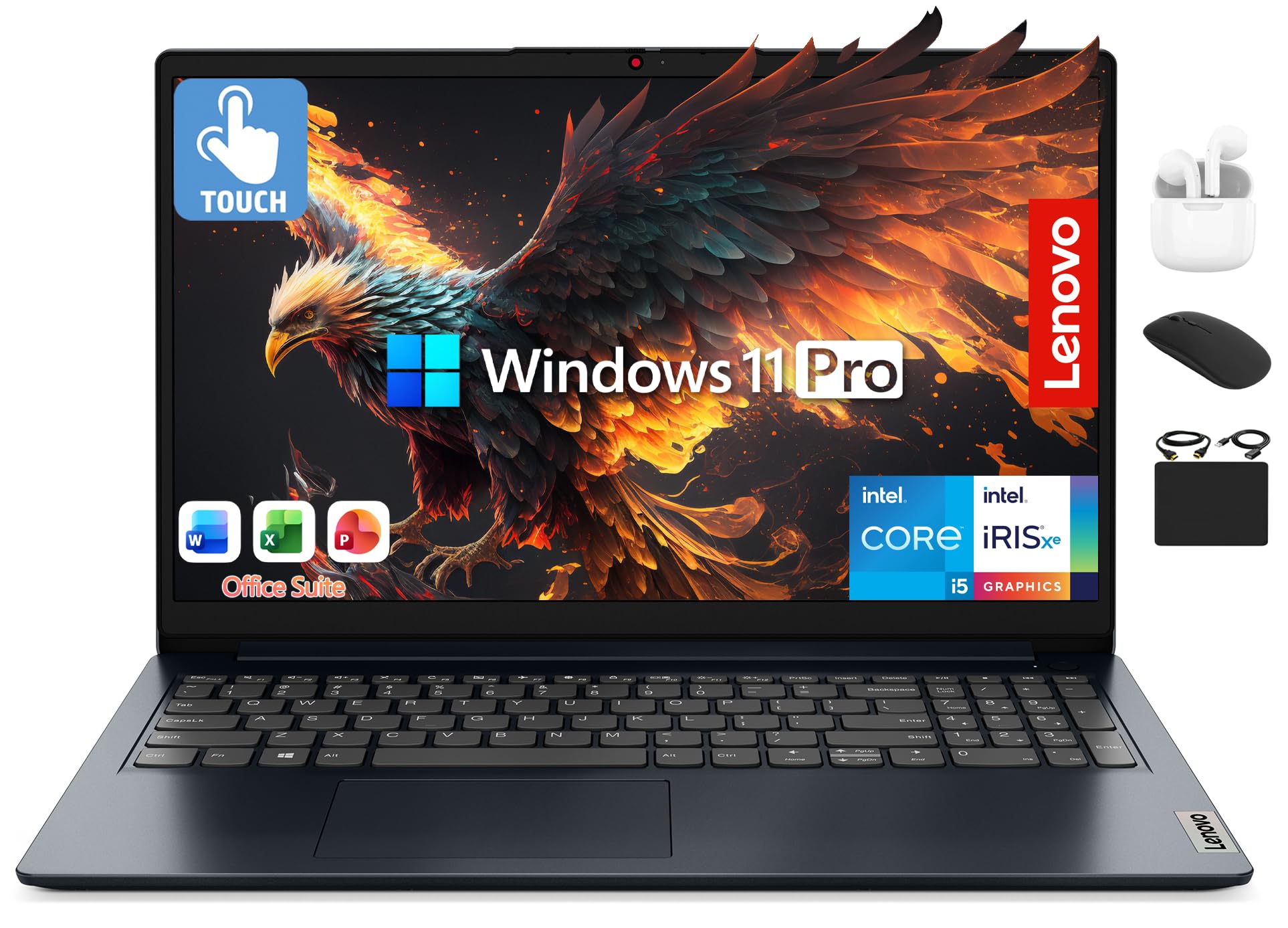
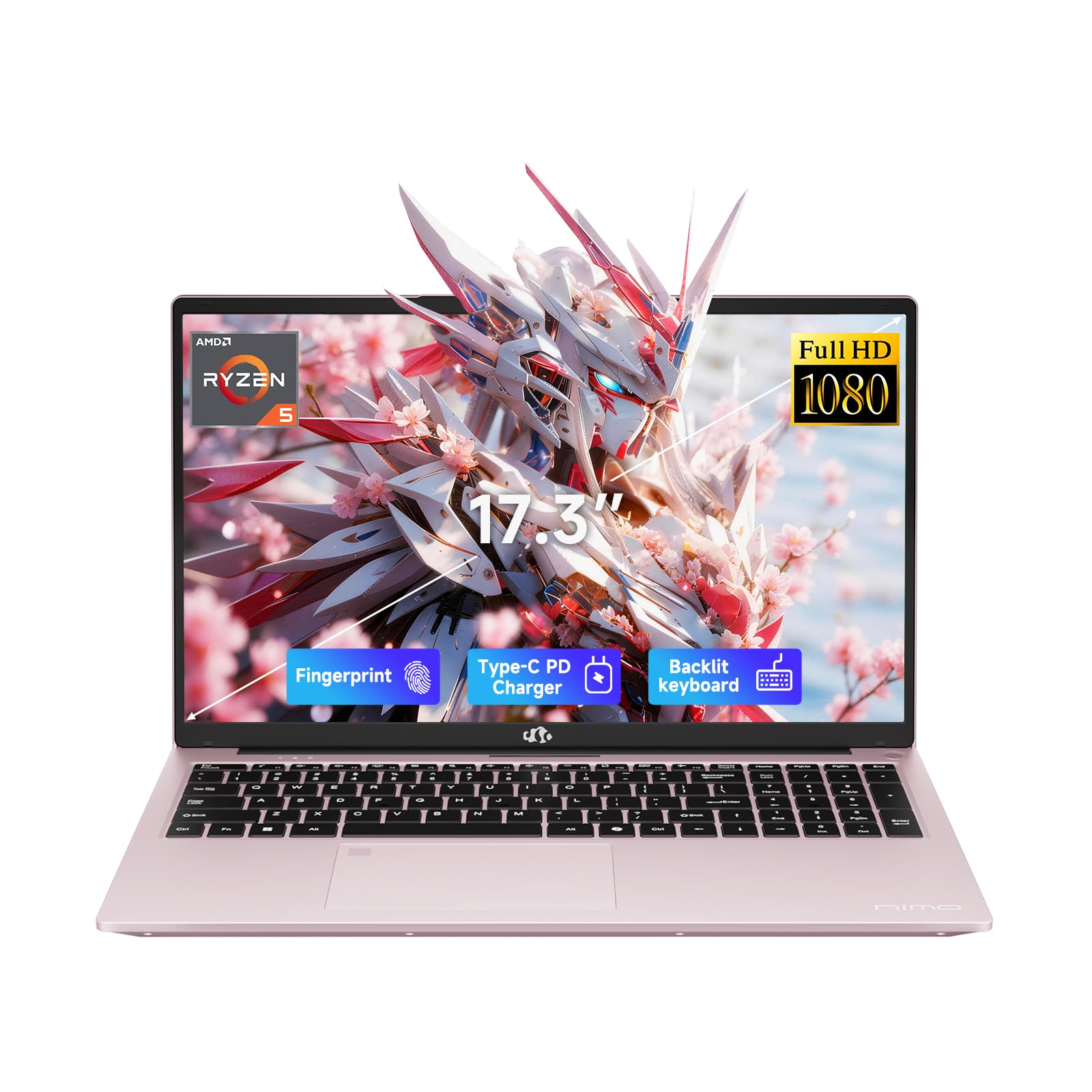
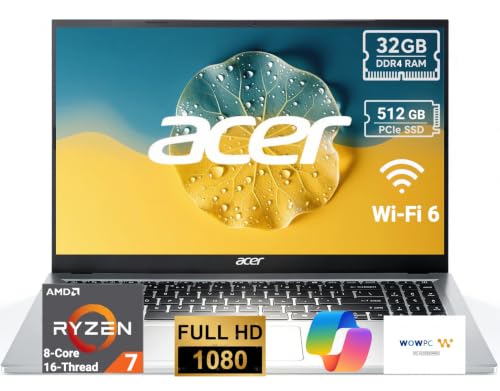
Buying your first work laptop is confusing because every listing shouts specs you may never have had to judge before. This beginner friendly guide explains best business laptops under 800 in plain language, step by step. You will learn what each term means, what level to aim for, and which mistakes drain a budget. Start with the comparison table below, then read the basics before you decide.
You do not need to become an expert. You only need a short list of must haves and the confidence to ignore extras. At $800, a well chosen laptop can feel fast and comfortable for years.





Business Laptops 101: The Basics
A business laptop is a laptop built for work first. Compared with a basic home model, it usually has a tougher body, a better keyboard, stronger security tools such as a fingerprint reader, and support options aimed at keeping you working. It still runs the same everyday apps, such as email, browsers, documents, and video calls.
Three ideas explain most of the price. The processor is the brain that does the work. RAM is short term memory that holds open apps. Storage is the filing cabinet for your files, and an SSD storage drive makes the whole machine feel quick. Screen, battery, and build quality decide comfort. Once those basics click, spec sheets stop looking like code.
Key Specs Explained in Plain English
What You Can Realistically Get Under $800
Under $800 you can realistically expect 16 GB of RAM, a 512 GB SSD, a sharp and bright display, and a partly or fully metal body. Many models add a backlit keyboard, a good webcam, and fast WiFi. You will usually give up the very best OLED screens and powerful dedicated graphics. Do not spend extra on storage you will never fill while accepting a dim screen you look at all day.
Processor and Performance Tier
The processor decides how smoothly the laptop handles many tasks at once. Recent midrange Intel Core and AMD Ryzen chips are the sweet spot for office work, accounting, light design, and coding. A higher tier chip helps with large spreadsheets, photo batches, and frequent video exports. For email and documents alone, an entry chip still works, but the midrange tier stays comfortable longer as software grows heavier.
Keyboard, Trackpad, and Build
You touch the keyboard and trackpad more than any other part. Look for keys with clear travel, a layout that does not shrink important keys, and a trackpad that clicks evenly. Aluminum or magnesium bodies feel sturdier and resist flex when you type. A practical test is to type a full paragraph in a store if you can, because comfort differences show up within a minute.
Ports and Connectivity
Ports are the sockets on the sides of the laptop. USB C is the small oval port that can charge the laptop, send video to a monitor, and move data. HDMI connects directly to most TVs and meeting room screens. WiFi 6E or WiFi 7 means faster and more stable wireless in busy buildings. If a slim model drops ports you need, a small hub adds cost and clutter.
Operating System (Windows, macOS, ChromeOS, Android, iPadOS)
The operating system is the software world the laptop lives in. Windows runs the widest range of business software. macOS suits people already using an iPhone and Apple services, though Mac models at this price are limited. ChromeOS is simple and web focused. Android and iPadOS belong mainly to tablets. Choose based on the apps your job requires, not on habit alone. For a wider view of this budget, see our guide to the best laptops under 800 for general models.
Display terms are simpler than they sound. Resolution means how many pixels draw the picture, and 1080p or higher keeps text sharp. Brightness is measured in nits, and around 300 nits or more handles bright rooms. Refresh rate means how often the picture redraws each second. Sixty Hz is fine for office work, while higher rates feel smoother when scrolling. If listings in dollars help you compare, our guide to the best laptops under 800 usd covers the same price ground.
Battery claims need translating too. Makers test with low brightness and light tasks, so real mixed office use is usually shorter. For a full day away from a charger, look for user focused estimates around eight to ten hours and a battery near or above 50 watt hours. Fast charging helps in a pinch, because a short top up during lunch can add hours. Weight of the charger matters as well, since you carry it with the laptop.
Rookie Mistakes to Avoid
- Buying on processor name alone while accepting 8 GB of RAM and a dim screen that you will regret daily.
- Choosing the largest screen without checking weight, then leaving the laptop at home because it is a burden to carry.
- Ignoring the webcam and microphone, even though remote meetings are a core part of most jobs now.
- Forgetting software costs, such as office apps, backup storage, and security tools, when you set your total budget.
- Skipping the return policy check, because keyboard feel and screen glare are hard to judge from photos alone.
One more know how point for first time buyers is to update the laptop fully before you install your work apps. Updates on day one fix early bugs and let you spot a faulty unit while returns are still simple. Also photograph the serial number and keep the box until you are sure the machine is right.
Getting Started: Setup and First Use
Start by charging the laptop fully and running all system and firmware updates. Turn on device encryption and a sign in method such as a fingerprint or PIN. Install your browser, office apps, and video call tools, then sign in to cloud backup so files protect themselves from day one. Avoid running at 100 percent charge all the time if a battery limit setting is available for desk use.
Next, test every port, the webcam, the speakers, and WiFi in the rooms where you will work. Adjust text scaling so documents are easy to read without leaning in. If your role may later need a larger budget, our guide to the best business laptops under 1000 shows what waiting or stretching buys. If your budget drops, our guide to the best business laptops under 500 shows the safest cuts.
Frequently Asked Questions
Can you get a good business laptop under $800?
Yes, $800 buys a genuinely good business laptop for most jobs. At this level you can get 16 GB of RAM, a fast SSD, a bright screen, and a sturdy body in one machine. The key is balance. A model that is strong in every basic area beats a model with one flashy feature and weak basics.
Is a dedicated GPU worth it?
A dedicated GPU is not worth it for most first time business buyers. Integrated graphics handle calls, documents, presentations, and two monitors well. A GPU makes sense for video editing, 3D design, or engineering apps. If none of those describe your work, spend the money on RAM, screen quality, and a comfortable keyboard instead.
How long should a business laptop last?
A business laptop under $800 should last four to five years with basic care. Battery life will fade first, and storage can fill if you keep large video files locally. Choosing 16 GB of RAM and a 512 GB SSD at purchase is the simplest way to avoid feeling forced to replace the laptop early.
Should I buy a laptop or a tablet?
Buy a laptop if this is your main work device. Tablets are excellent for reading and markup, but long typing, file handling, and multitasking are slower. A laptop also includes the keyboard and trackpad in the price. Count the cost of tablet accessories honestly, because a case, keyboard, and pen can erase the apparent savings.
Is a Chromebook enough for school?
A Chromebook is enough for school if your courses use web based tools and cloud storage. It is affordable, light, and easy to manage. It is not enough if a course needs Windows only programs or special exam software. New buyers should confirm the software list with the school before choosing ChromeOS over Windows.
Shoppers comparing dollar listings can also read our guide to the best laptops for under 800 dollars for more context on how sellers price this tier. That context helps you spot when a discount is real and when a model started overpriced.
The Bottom Line
For your first purchase, keep it simple. Aim for 16 GB of RAM, a 512 GB SSD, a bright 1080p or sharper screen, and a keyboard you enjoy. Ignore graphics power and novelty features unless your job truly needs them. Use the product table above to compare best business laptops under 800 that meet those basics, and choose the size that fits your desk and your bag.


