
Best Business Rugged Laptops: Types Compared and How to Choose for 2026
Disclosure: We may earn a commission when you buy through links on this page, at no extra cost to you. As an Amazon Associate I earn from qualifying purchases. Learn more

Compare types in this guide to best business rugged laptops, with advice on durability, display, performance and weight for work in tough places.
Drops, dust, rain, and truck rides kill ordinary laptops long before the software feels old. The best business rugged laptops are built to survive those conditions while still running your field apps, reports, and video calls. With several levels of rugged design on sale, choosing can feel confusing. This guide compares each type clearly, then shows you how to match protection, performance, and weight to your actual work.
Start by being honest about your environment. A warehouse floor, a construction site, and a delivery route each demand a different level of protection, and the comparison table below will make more sense once you know yours.


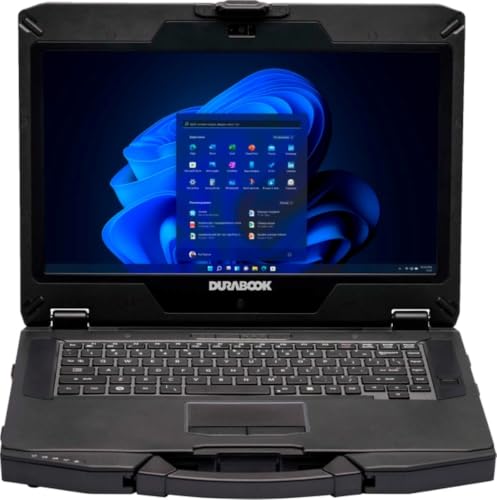

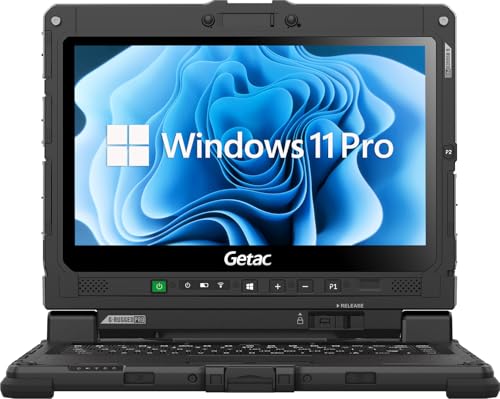

Types of Business Rugged Laptops Compared
Rugged laptops sit on a spectrum. Some add a tough shell to a standard design, while others are built from the frame up for drops and water. The types below are grouped by form and protection style, with typical prices from around $600 for light duty designs to about $2500 or more for fully rugged units.
Tablets
Rugged tablets pair a touch screen with a sealed body and often a hand strap or vehicle mount. They shine for inspections, inventory, and forms where you stand and tap rather than type. Battery swaps and barcode options help field teams work a full shift. The limits are typing comfort and screen size, so long reports feel slow without a dock or keyboard. Choose a tablet when mobility and one handed use matter more than a full keyboard.
Budget Laptops
Budget laptops with a reinforced case offer basic protection at the lowest cost. They may add thicker corners, a spill resistant keyboard, and a stronger hinge to a standard business design. This level suits schools, light warehouse use, and travel where bumps are likely but harsh weather is not. You give up sealed ports and high drop ratings. For many office staff who commute and work on site visits, this balance of price and toughness is enough.
Chromebooks
Rugged Chromebooks serve teams that live in web apps and need simple management. Reinforced models handle classroom and retail abuse well, start fast, and cost less to replace. Offline limits and app compatibility are the main trade offs, because field software that needs Windows will not run. Battery life is usually strong. Choose this type when your workflow is browser based and central control matters more than local power or storage.
If your needs turn out to be lighter than expected, you can also see our guide to the best notebook laptops for slimmer everyday options.
Semi-Rugged or Fully Rugged
Semi-rugged laptops add reinforced corners, a spill-resistant keyboard, and a tougher hinge to a business design, which suits drivers, inspectors, and workers who face knocks and dust but rarely heavy rain. Fully rugged laptops add sealed ports, a shock-mounted drive, and high drop and water ratings for factories, outdoor sites, and vehicles. Match the level to the harshest day you expect, because fully rugged units cost more and weigh more than most office staff need.
Look for published ratings such as an IP number for dust and water and a drop height, then check which parts the rating covers. Port covers and seals are the first things to wear, so replaceable covers and a clear warranty on the seals add real value.
How to Choose the Right Business Rugged Laptop
Once the type is set, these five factors separate a good field machine from an expensive disappointment. Check them against your software and your sites before you look at price.
Display Size, Resolution, and Brightness
Outdoor readability depends on brightness more than resolution. Look for at least five hundred nits if you work in sunlight, plus a matte or treated surface that cuts glare. Sizes from thirteen to fifteen inches balance view and portability for most field roles. Touch input with glove support helps in cold or industrial settings. A screen that dims well also matters for night shifts, so check the low end of the brightness range if your team works varied hours.
Processor and Performance Tier
Match the processor to your heaviest daily app, not a rare peak task. Modern midrange chips from Intel, AMD, or Apple class platforms handle office work, mapping, and video calls with ease. Engineers running large models or local analysis need a higher tier and more cooling headroom. In rugged bodies, sustained performance can throttle if cooling is limited, so favor designs that describe their thermal approach for long sessions in warm environments.
Graphics: Integrated vs Dedicated GPU
Integrated graphics cover documents, dashboards, and most inspection software while saving weight and battery. A dedicated GPU earns its cost for CAD, 3D viewing, and heavy image work in the field. It also adds heat and shortens unplugged time. If you only view plans and photos, integrated graphics are the smarter pick. If you render or edit on site, budget for the GPU and for a larger battery or spare power source to go with it.
Weight and Portability
Every extra pound matters by the end of a shift. Fully rugged laptops often weigh five to seven pounds, while lighter reinforced models stay closer to three or four pounds. Add the charger and case to your mental total, because that is what you actually carry. A good handle or strap can make a heavier unit practical. If the device mounts in a vehicle most of the day, weight matters less and screen size can grow.
RAM and Storage
Sixteen gigabytes of RAM is the sensible baseline for business multitasking, with eight gigabytes only for simple web or forms work. Storage should be a solid state drive, which also resists shock better than a spinning drive. Two hundred fifty six gigabytes suits cloud based teams, while local files and offline maps call for five hundred twelve gigabytes or more. Confirm whether RAM or storage can be upgraded, because field fleets often stay in service for years.
For a broader shortlist beyond the toughest models, see our guide to the best rugged laptops and compare protection ratings side by side. Owners who run a company fleet may also find our guide to the best laptops for business owners useful for warranty and management questions.
Setup and Care Tips
- Keep the operating system and firmware updated, because updates often fix battery, WiFi, and security issues that matter in the field.
- Avoid running at full charge all the time when docked, since staying near a midrange charge can slow battery wear.
- Use a padded sleeve or the rated carry case when commuting, even with a rugged body, to protect the screen.
- Clean dust from ports and vents with dry air on a schedule if you work on dusty sites.
- Check seals and port covers monthly, because a torn cover can quietly remove water protection.
Brand specific fleets are common in larger firms. If your team standardizes on one maker, see our guide to the best hp business laptops or our guide to the best business laptops dell for service and dock compatibility notes before you mix models.
Business Rugged Laptops: Your Questions Answered
How long should a business rugged laptop last?
A business rugged laptop should last four to six years with normal care, longer than a standard model in the same setting. The body may outlast the battery, so a replaceable battery extends useful life a lot. Software support length matters too, so favor models with a clear update window. Budget for one battery swap and minor repairs such as a worn port cover during that span.
How much RAM do I need?
Most business users need sixteen gigabytes of RAM for smooth multitasking across mail, browser tabs, and office apps. Eight gigabytes works only for light forms and web tasks. Thirty two gigabytes helps engineers and analysts with large files or virtual machines. RAM needs grow over a long service life, so buying one step above your current need is a practical way to avoid an early replacement.
Should I buy a laptop or a tablet?
Buy a laptop if you type long reports, use many windows, or need a wide range of ports and software. Buy a rugged tablet if you stand, walk, scan, or fill forms all day. Some teams solve both needs with a tablet plus a dock and keyboard at base. The deciding question is where most work happens, at a desk surface or on your feet across a site.
Is a dedicated GPU worth it?
A dedicated GPU is worth it only if your field work includes CAD, 3D models, or heavy photo and video tasks. For documents, dashboards, and calls, it adds cost, heat, and weight without visible benefit. A simple test is to watch your current machine during your heaviest task. If graphics use stays low and the work feels smooth, integrated graphics will serve you well in the new unit too.
Wrapping Up
Match the protection level to your worst normal day, keep weight honest, and give yourself enough RAM and brightness for field work. The right best business rugged laptops choice will survive your sites and still feel fast in year three. Look back at the product table above with your type and protection needs fixed, and the shortlist will narrow quickly.


