Best Bushcraft Saws: A Complete Buying Guide for 2026
Disclosure: We may earn a commission when you buy through links on this page, at no extra cost to you. As an Amazon Associate I earn from qualifying purchases. Learn more

The best bushcraft saws fold safely, cut cleanly and stay sharp: compare types, blade length, locks and care.
A bushcraft saw is the quiet workhorse of a camp kit. It cuts shelter poles, firewood and tent stakes faster and with less effort than a knife or hatchet, and it weighs far less than an axe. The best bushcraft saws fold or pack down small, cut green and dry wood cleanly, and keep working after a wet night. This guide explains the types, the specs that matter and the habits that keep a blade sharp and safe.
Compare the saws in the product table, then use the sections below to decide which blade length, tooth pattern and lock suit the wood you actually cut.


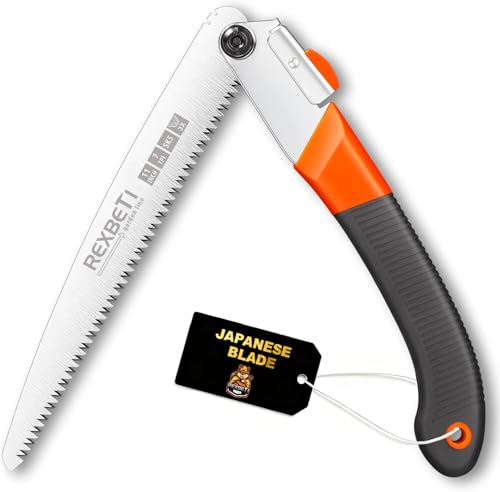
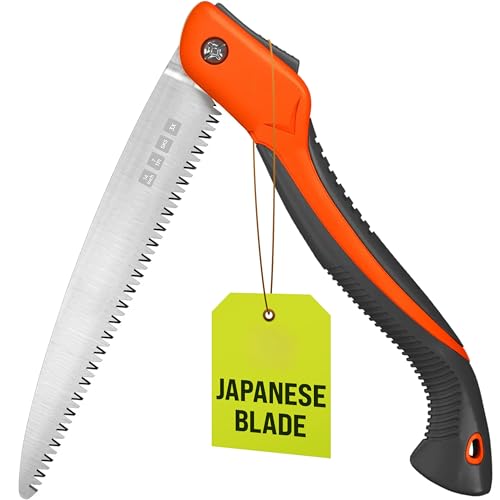


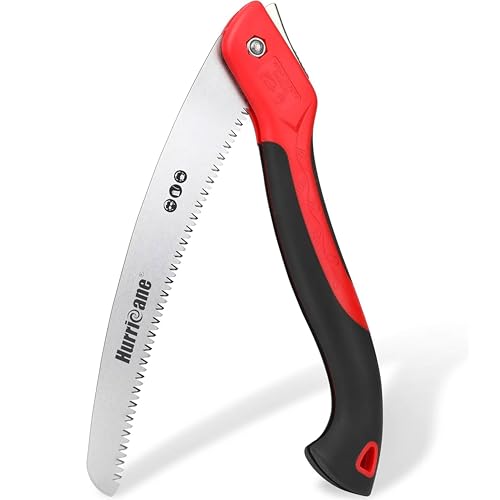
Types of Bushcraft Saws
Folding Saws
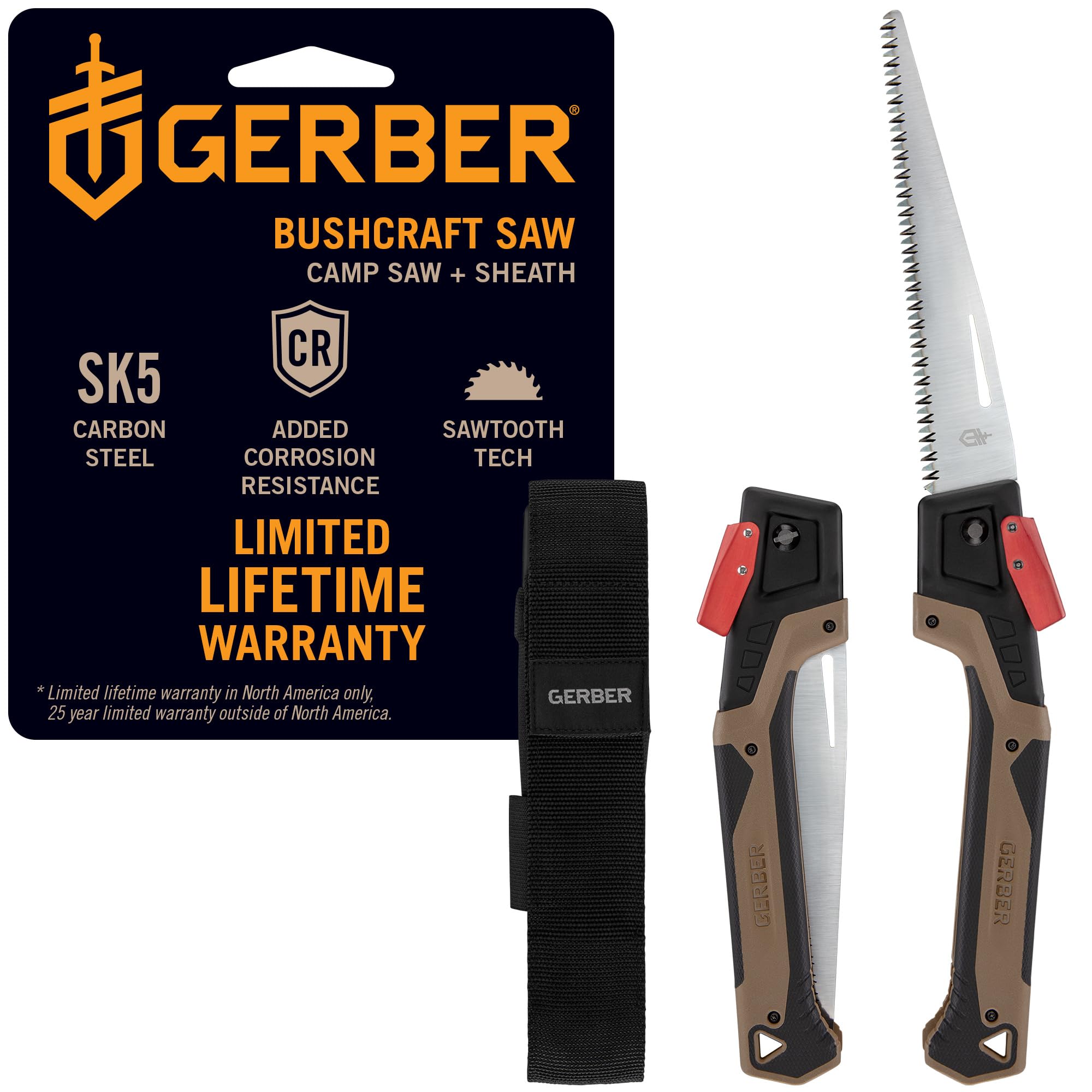
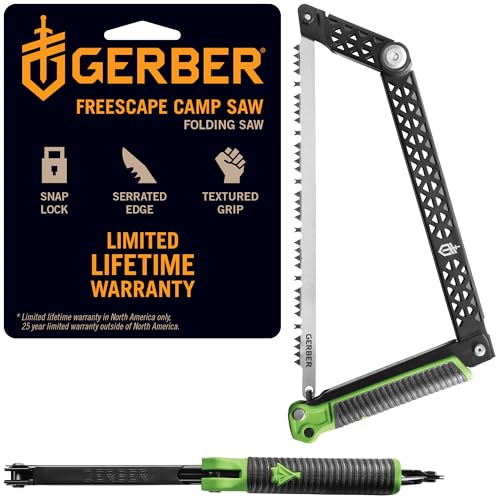
Folding saws are the default choice. The blade tucks into the handle, so the saw rides safely in a pack or on a belt, and a good lock holds it rigid in use. Blades of 7 to 14 inches handle most camp jobs, from kindling to limbs a few inches thick. Their weakness is the hinge, so check how firmly the lock engages and keep it clean.
Fixed Blade and Bow Saws
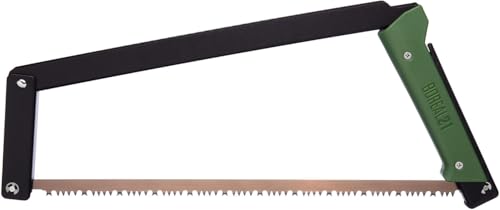
Fixed blade saws and takedown bow saws give a longer, stiffer cut for larger logs. A bow saw frame lets you push and pull through wood much thicker than a folder can, which suits a base camp or a car camping site. They weigh more and need a sheath or case, so they are less suited to long carries.
Wire and Pocket Saws
Wire saws and pocket chain saws weigh almost nothing and fit in a survival kit. They cut slowly and need a rope or strap at each end, so treat them as a backup rather than your main saw.
Key Features to Compare
Blade Length and Tooth Pattern
A longer blade cuts thicker wood in fewer strokes, while a shorter blade packs smaller and gives more control. Aggressive teeth with a wide set cut green wood quickly without binding, while finer teeth leave cleaner cuts in dry hardwood. Many camp saws cut on the pull stroke, which keeps the thin blade straight and makes cutting easier.
Locking Mechanism
A firm lock keeps the blade open during use and closed in the pack. Look for a lock that engages with a clear click and has no side play. A loose lock can fold on a hand, so test it before relying on it.
Handle and Grip
A handle with a textured, slip resistant surface and a guard for your fingers gives control when your hands are wet or cold. A handle that is too slim tires the hand on long cuts.
Weight and Pack Size
A saw that fits a side pocket gets used more than a heavy one left at camp. Folding saws between 8 and 14 ounces suit most hikers, while bow saws trade weight for cutting speed.
Rust Resistance and Blade Replacement
Coated or stainless blades resist rust after wet use, though drying still matters. Check whether replacement blades are sold for the saw, because a dull blade is more tiring and more likely to slip.
Who Should Buy Which Type
Backpackers and Hikers
Choose a compact folding saw with a blade around 7 to 10 inches. It handles firewood and light shelter work while staying under half a pound.
Car Campers and Family Trips
A 14 inch folding saw or a takedown bow saw cuts larger logs for the fire pit and is easier to use for hours.
Bushcrafters and Survival Hobbyists
A fixed blade or a well built folder with a sturdy lock and a replaceable blade is a sensible core tool. Pair it with a sharp knife and a small axe if you build shelters.
Property Owners
If you also prune trees or clear brush, consider a pruning style folding saw. For a closer look at that style, see our guide to the best folding saws for bushcraft.
Price Ranges
Basic folding saws cost about $15 to $30 and are fine for light camping. Mid range saws at about $30 to $60 add better steel, stronger locks and replacement blades. Premium saws at $60 and above use finer blades and heavier construction, and they suit people who cut wood often. Spending more helps most when it buys a better lock and a blade that stays sharp longer.
Using a Bushcraft Saw Safely
Keep your free hand clear of the cut line, cut away from your body and support the wood so it does not pinch the blade. Let the saw do the work with long, even strokes instead of forcing it, and avoid twisting the blade in the cut, since twisting can snap it. Wear gloves for thorny branches and stop when you are tired. Children should only use a saw with close adult supervision.
Care and Maintenance
Dry the blade after wet use, wipe off sap with a rag and a little cooking oil or solvent, and oil it lightly before storage. Check the lock and hinge regularly, replace a bent, cracked or badly rusted blade, and store the saw in a dry place with the blade closed. Sharpen only if the maker allows it, because many saw teeth are hardened and cannot be filed.
Common Mistakes to Avoid
- Buying the longest blade when you mostly cut small branches.
- Skipping a test of the lock, which is the part most likely to fail.
- Leaving a wet saw closed for days, which invites rust.
- Using a pruning saw on seasoned hardwood, which dulls fine teeth quickly.
- Carrying a saw loose in a pack with no sheath or closed blade.
Putting Together a Simple Camp Wood Kit
A saw works best as part of a small set of tools. Pair one of the best bushcraft saws with a sharp fixed blade knife for carving and feathering kindling, and a small hatchet if you plan to split logs or build a larger shelter. For a weekend trip, a folding saw, a knife and a pair of leather gloves cover almost everything. Add a small file or sharpening stone for the knife, and a spare blade for the saw if the maker sells one.
Think about the wood you will meet. Dry deadfall snaps and saws easily, while green hardwood binds the blade and needs wider teeth and steadier strokes. Cut limbs on a log or stump and brace the wood with your knee or foot instead of holding it in your hand. Make the first cut a shallow notch on the underside of a thick branch, which stops the bark from tearing as the wood falls. Practising at home on scrap wood teaches the rhythm before you need it in the field.
Frequently Asked Questions
What blade length do I need?
A blade of 7 to 10 inches suits kindling and light branches, while 12 to 14 inches handles thicker limbs faster. Choose by the largest wood you cut regularly, not by the biggest saw you can carry.
Are folding saws strong enough for camp work?
Yes, a good folding saw with a firm lock handles most camp cutting. Avoid twisting the blade, and use a bow saw for logs thicker than the blade can reach.
Can a bushcraft saw replace an axe?
For cutting and sawing, yes, and it is lighter and safer. An axe still splits wood faster, so many campers carry a small saw and a hatchet together.
How do I look after a saw in wet weather?
Dry the blade after use, wipe off sap, and oil it lightly before packing. Check the lock and sheath regularly.
Can I fly with a bushcraft saw?
Saws belong in checked luggage only, never in a cabin bag, and rules differ by airline and country. Pack the blade closed and secured, and check current rules before you travel.
Final Thoughts
Choose the blade length for the wood you cut, a lock you trust and a weight you will actually carry. Compare the saws in the product table, and the best bushcraft saws will be the ones that cut cleanly, fold safely and stay sharp trip after trip.