
Best Bow Saws 2026: Everything Before Your First Purchase
Disclosure: We may earn a commission when you buy through links on this page, at no extra cost to you. As an Amazon Associate I earn from qualifying purchases. Learn more

Learn how to choose a bow saw by blade length, tooth pattern, frame strength, and cutting task, with practical guidance for pruning, firewood, and camp use.
A bow saw looks simple, but best bow saws differ in blade length, tooth design, and frame stiffness, and those differences affect cutting speed and control. The comparison table below compares the main bow saw types side by side, while this guide explains how to choose for pruning, firewood, and general outdoor work.
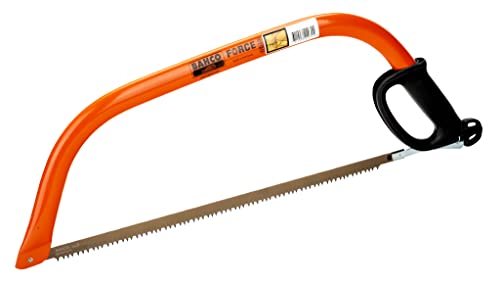
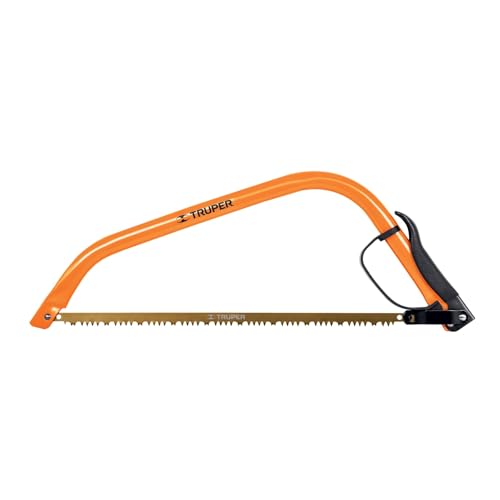
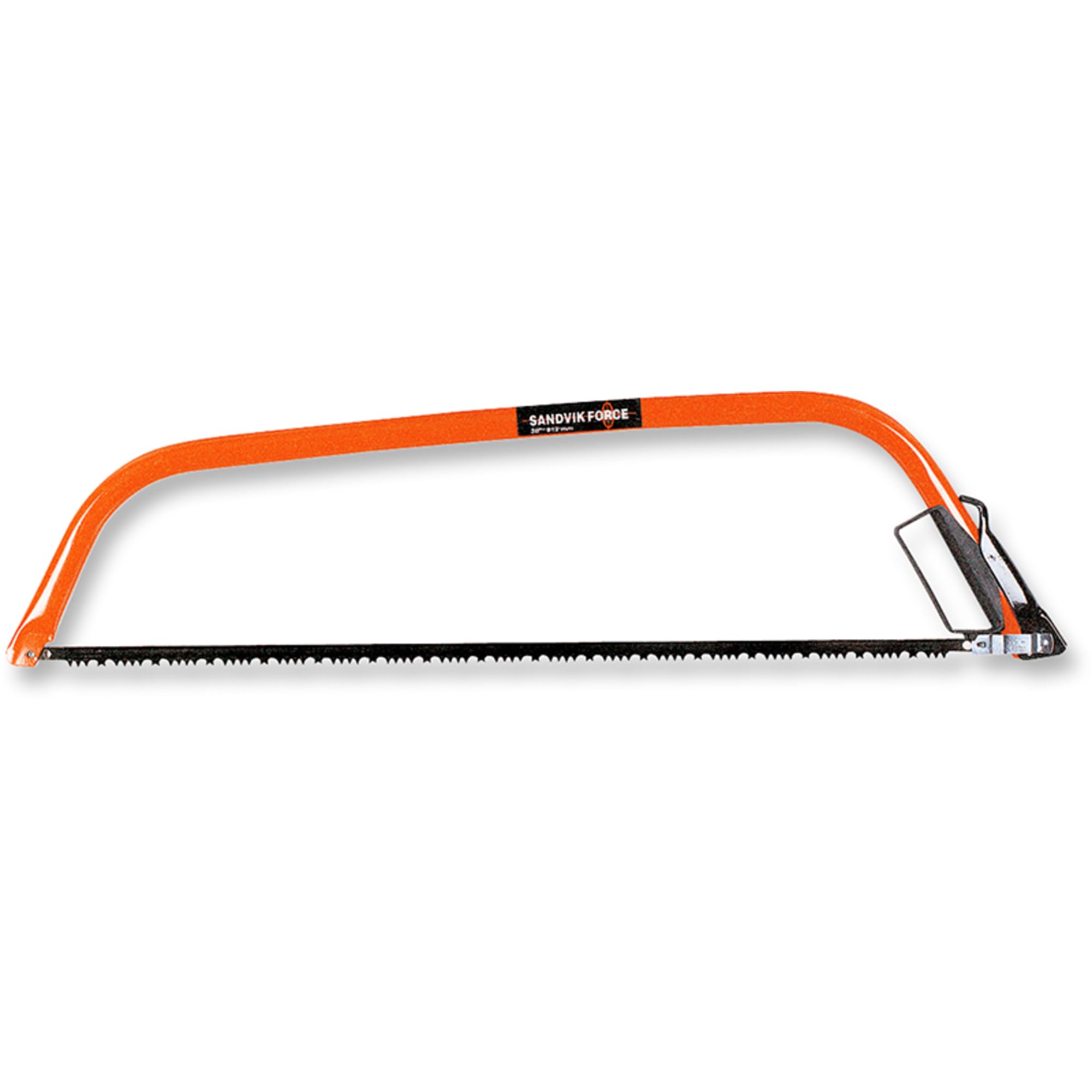
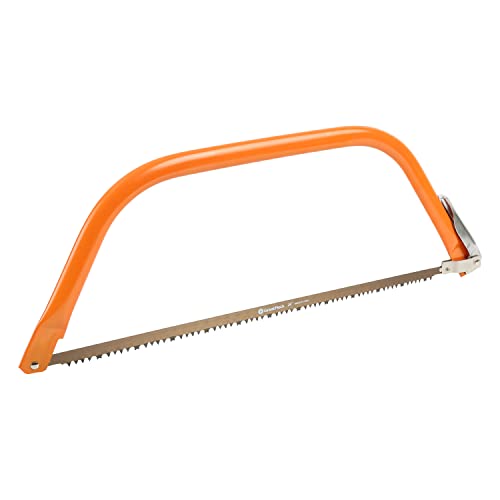
A bow saw has a tubular or flat metal frame shaped like a bow, with a blade stretched between its ends. The frame keeps the blade taut, which allows fast, aggressive cutting in green wood and logs. Bow saws are popular for pruning, clearing, and cutting firewood, because they are light, portable, and do not need fuel or power. The main choices are blade length, tooth pattern, and whether the saw folds or disassembles for storage.




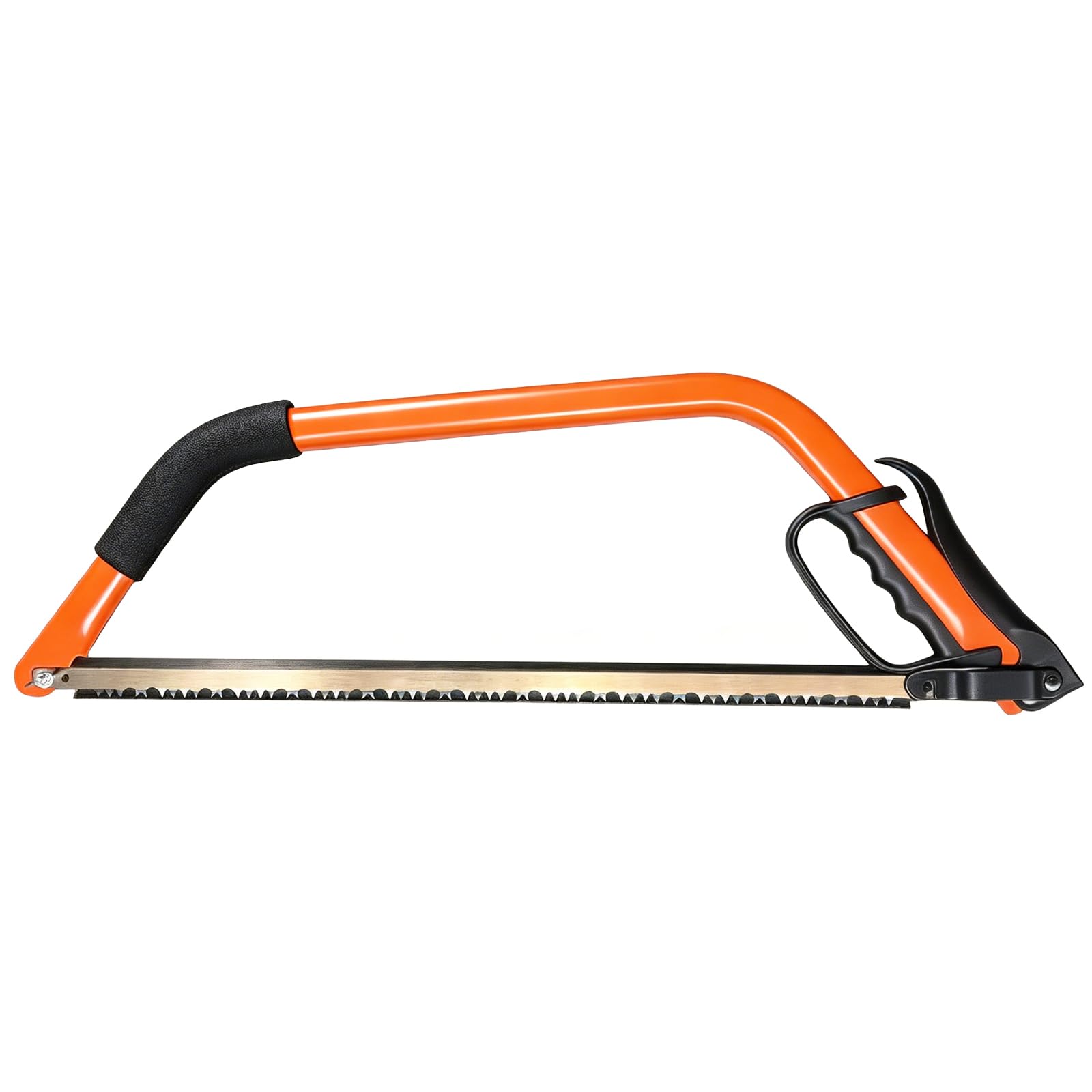

The Basics
Blade length affects both cutting capacity and portability. A longer blade cuts larger logs faster, but it is bulkier to carry and store. A shorter blade is easier to handle in dense branches and for camping, but it cuts large logs more slowly.
Tooth pattern also matters: coarse teeth cut green wood quickly, while finer teeth give a smoother cut in dry wood. A blade guard is important for safe storage and transport, because bow saw teeth are sharp and exposed.
Key Features to Compare
Blade Length and Cutting Capacity
Blade length should match the largest wood you will regularly cut. A 21 inch blade suits most pruning and camp firewood, while a 24 or 30 inch blade suits larger logs and clearing work. A blade that is much longer than needed can be awkward in dense branches, while a blade that is too short will struggle with thick logs and force you to cut from both sides.
Tooth Pattern and Wood Type
Tooth pattern should match the wood you cut most. Coarse, raker style teeth clear green wood chips well and cut fast in live branches. Finer teeth give a cleaner cut in dry wood and are less likely to tear. If you cut both green and dry wood, a medium tooth pattern is a reasonable compromise, but keep a spare blade for the other type if you cut both often.
Frame Strength and Tension
Frame strength affects how taut the blade stays under load. A stiff frame keeps the blade straight and cuts accurately, while a flexible frame can allow the blade to wander or buckle. Check how tension is applied and whether the frame has a blade guard or a folding design. A frame that is easy to tension correctly will be safer and more pleasant to use.
Handle Comfort and Control
Handle comfort matters during long cutting sessions, because a poor grip can cause blisters and fatigue. A handle with a comfortable shape and a secure grip helps you control the saw on both push and pull strokes. Check that the handle suits your hand size and that you can hold the saw securely with gloves on, because outdoor work often requires gloves.
Portability, Storage, and Safety
Portability depends on whether the saw folds, disassembles, or has a blade guard. A folding saw packs neatly for camping, while a fixed frame saw is often stiffer for regular workshop or garden use. Always use a blade guard for storage and transport, store the saw where children cannot reach it, and keep the blade dry to prevent rust.
Who Should Buy Which Type
For Pruning and Garden Clearing
For pruning, a medium length bow saw with coarse teeth cuts green branches quickly and handles garden clearing well. A blade guard is essential for carrying the saw around the garden, and a comfortable handle helps during longer clearing sessions. Pair the saw with gloves and eye protection, and cut branches at a safe distance from your body.
For Firewood and Camp Use
For firewood, a longer blade cuts logs faster, but a folding or packable saw is easier to carry to camp. Choose a blade length that balances cutting speed with pack size, and carry a spare blade for longer trips. A saw that is easy to tension in the field is valuable, because a loose blade cuts poorly and can be unsafe.
For First Time Buyers
First time buyers should start with a medium length, well made bow saw rather than the largest or cheapest model. Learn correct tensioning, practice on smaller branches first, and wear gloves and eye protection from the start. A simple, sturdy saw that is easy to use safely will teach good technique better than a complex saw.
Related Choices to Compare
If you are also weighing a nearby option, the guide to best bow saws for cutting trees explains how that choice differs and when it may suit your needs better. Compare its main trade offs with the points above before you decide.
Common Mistakes and Care
A common mistake is using a dull blade and forcing the saw, which causes wandering cuts and fatigue. Replace or sharpen the blade when cutting becomes slow, and let the teeth do the work with steady strokes. Another mistake is storing a bow saw without a blade guard, which risks cuts and damages the blade teeth.
Keep the blade clean and dry, oil it lightly if the maker suggests it, and check frame joints and tensioning parts for wear. Store the saw with its guard on, away from damp, and replace blades that are bent, cracked, or missing teeth. Regular care will keep the saw cutting fast and safely.
Frequently Asked Questions
What size bow saw do I need?
A 21 inch blade suits most pruning and camp firewood, while a 24 or 30 inch blade suits larger logs and clearing work. Choose the smallest blade that handles your largest regular job, because a very long blade is awkward in dense branches. If you cut both small and large wood, a medium blade is a good starting point.
How do I tension a bow saw blade correctly?
Follow the maker instructions for your frame type, because tensioning methods vary. The blade should feel taut and give a clear ping when plucked, without being so tight that it strains the frame. Check tension before each use, because a loose blade wanders and cuts poorly, while an over tight blade can damage the frame.
Can a bow saw cut dry hardwood?
Yes, a bow saw can cut dry hardwood, but it works best with a suitable tooth pattern and a sharp blade. Very hard or very thick hardwood may cut slowly, and a larger saw or a different saw type may be faster for regular hardwood work. For occasional hardwood cuts, a sharp bow saw with a medium tooth pattern is usually adequate.
Is a bow saw safe for beginners?
A bow saw can be safe for beginners if used with gloves, eye protection, and correct technique, including a stable stance and cutting away from the body. Learn tensioning, use a blade guard for storage, and practise on smaller branches first. If you are unsure, ask an experienced user to demonstrate safe cutting before tackling larger jobs.
How often should I replace the blade?
Replace the blade when it becomes dull, bent, cracked, or missing teeth, or when cutting becomes noticeably slower despite correct tension. Blade life depends on wood type and use, so there is no fixed interval. Keep a spare blade on hand so a dull blade does not tempt you to force the saw.
A Final Check Before You Order
Before you order, decide the largest wood you will regularly cut, choose a tooth pattern for that wood, and check whether you need a folding design for transport or a fixed frame for workshop use. A saw with a blade guard, a stiff frame, and a comfortable handle will cut faster and safer than a larger saw that is awkward to tension or store. Practice tensioning at home, wear gloves and eye protection from the first cut, and keep a spare blade ready so a dull blade never tempts you to force the saw through a cut.
Final Thoughts
Match blade length to your largest regular job, choose teeth for your main wood type, and prioritize a stiff frame and a blade guard. A well chosen bow saw that is easy to tension and safe to store will be a reliable outdoor tool for years. The comparison table above can help you compare blade lengths and types.
For most buyers, best bow saws come down to the right blade length, a tooth pattern for your wood, and a frame that holds tension well. Get those right and cutting will feel fast and controlled.


