
Best Bulking Tablets: A First Time Buyer's Guide for 2026
Disclosure: We may earn a commission when you buy through links on this page, at no extra cost to you. As an Amazon Associate I earn from qualifying purchases. Learn more
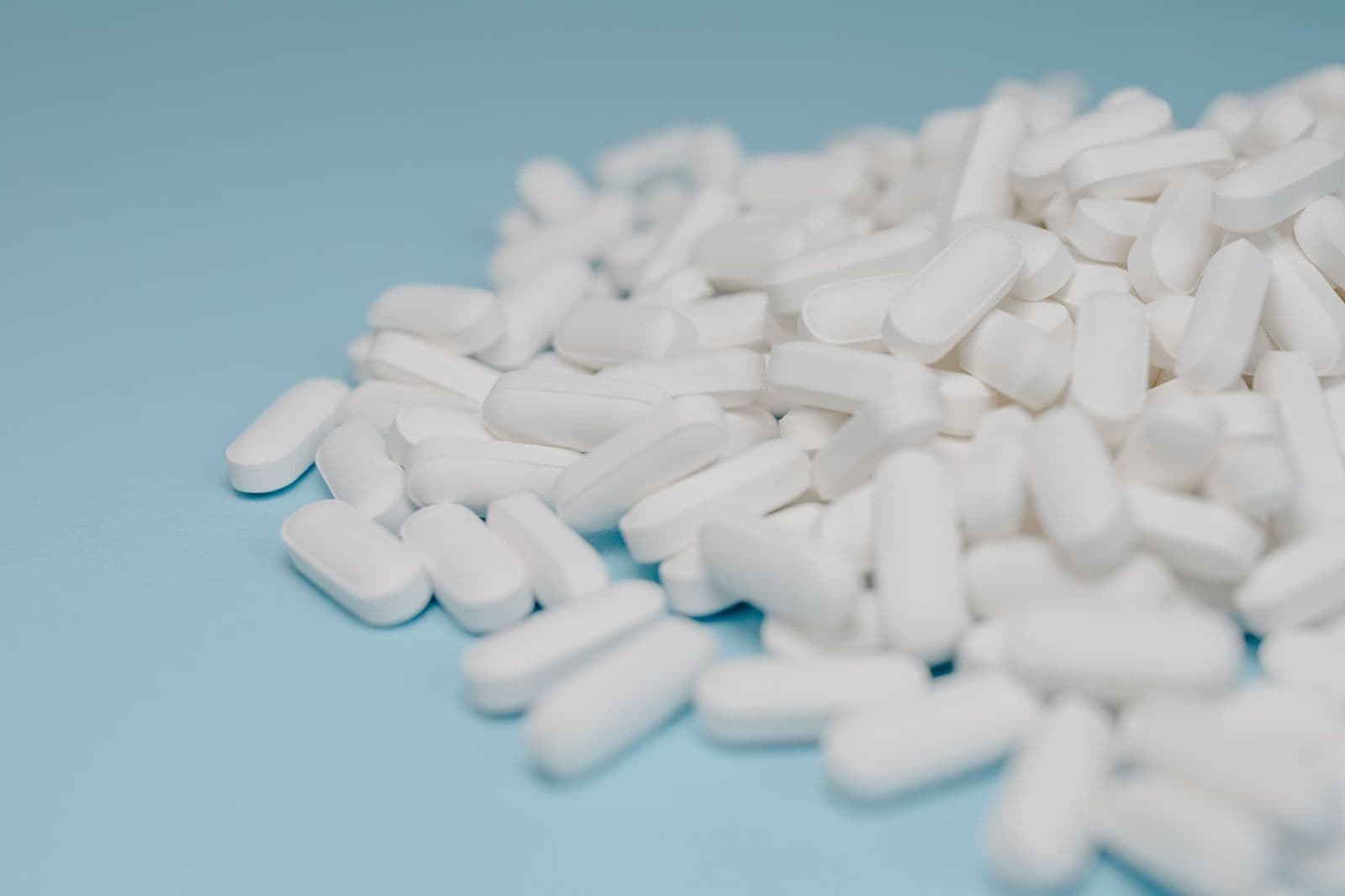
New to the best bulking tablets? Learn how to read labels, judge doses and testing, spot safety risks, and decide if a supplement fits your plan.
Bulking means eating and training to gain body weight, ideally mostly muscle, over a period of weeks or months. Tablets sold for bulking promise to make that easier, but the labels mix useful ingredients with marketing, and first time buyers have no easy way to tell the difference. This guide explains what the best bulking tablets can and cannot do, in plain language.
You will learn how to read a label, judge a dose, check for independent testing, and spot products you should walk away from. Read the safety sections carefully, because this is a health purchase, not a gadget purchase.
Bulking Tablets 101: The Basics
Bulking tablets are dietary supplements in pill or tablet form that aim to support weight gain or muscle building. Common ingredients include creatine, protein derived blends, amino acids, herbal extracts, vitamins, and minerals. Unlike a mass gainer powder, a tablet carries very little food energy: a few tablets add almost no calories. That single fact shapes everything else in this guide. Tablets can support a bulking plan, but the weight gain itself comes from your total food intake and your training.
Know the basic terms before you shop. A serving is the number of tablets the label bases its amounts on. A proprietary blend lists ingredients as a group total without each amount, which hides whether any single ingredient reaches a useful dose. Daily value percentages apply to vitamins and minerals only. Finally, supplements are not approved for effectiveness before sale the way medicines are, so the burden of checking quality sits with you and the brand.
Key Specs Explained in Plain English
Active Ingredients and What They Do
Start with ingredients that have a clear job. Creatine monohydrate is a widely sold ingredient aimed at repeated hard efforts in the gym, so check how many tablets make a serving and follow the manufacturer's instructions. Protein and amino acid tablets add small amounts of protein per serving, often only a few grams. Herbal and hormone themed blends make the biggest claims with the weakest support, and any product that promises drug like results deserves extra suspicion, not extra money.
Protein, Calories, and Serving Size
Do the simple math on every label. If a serving of six tablets gives you 3 grams of protein and 15 calories, it is a minor top up, not a meal. Food does nearly all of the protein work, and a doctor or registered dietitian can give you a personal target.
Testing, Labels, and Certifications
Look for independent testing by a recognized program that checks identity, purity, and banned substances, and checks the batch or product listing on the certifier site when you can. Prefer labels that state the exact amount of each active ingredient. Avoid products with no manufacturer address, no lot number, or claims to be alternatives to prescription drugs. Athletes who face drug testing should only use certified products, because contaminated supplements have caused real positive tests in the past.
Price vs Value
Compare cost per day at the full label dose, not cost per bottle. A bottle at around $20 that lasts ten days costs more than a bottle at around $40 that lasts a month. Simple, single ingredient products are usually the best value, often around $15 to $35 per month. Large blends with long ingredient lists usually charge premium prices, around $40 to $70 per month, for amounts too small to matter. If a product costs more than the extra food your plan needs, the food is the better buy.
Safety, Side Effects, and Who Should Avoid These Products
This section matters most. Do not use bulking tablets if you are under 18, pregnant, or breastfeeding, or if you have kidney, liver, or heart disease, unless your own clinician says otherwise. Talk with a doctor or pharmacist first if you take any regular medication, including blood pressure, diabetes, or mental health medicines, because supplement ingredients can interact. Never use products sold as steroids, prohormones, or selective androgen receptor modulators outside medical care: they can harm the liver, heart, fertility, and mood.
Stop use and seek medical care promptly for warning signs such as yellowing of the skin or eyes, dark urine, severe stomach pain, chest pain, a racing or irregular heartbeat, swelling of the face or lips, or a widespread rash. Milder effects such as stomach upset, headache, poor sleep, or breakouts are also a reason to stop and reassess rather than push through. More is not better with supplements, and doubling a dose doubles risk faster than it doubles any benefit.
Ease of Use and Routine Fit
Tablets suit people who travel, dislike shakes, or want a set routine with meals. Count the daily tablets honestly: a product that needs eight to twelve large tablets a day is not easy for most people, and missed doses erase its small edge. Check tablet size if you find pills hard to swallow, and note whether the label says to take them with food, which reduces stomach upset for many ingredients. A product you will actually take consistently, at a modest dose, beats a stronger one you abandon in week two.
Rookie Mistakes to Avoid
- Replacing food with tablets. Weight gain needs a calorie surplus from meals and snacks. Tablets add almost no calories and cannot create that surplus.
- Buying proprietary blends. If the label hides each amount, you cannot tell a useful dose from label decoration. Choose products that disclose amounts.
- Stacking several products at once. Combining blends can quietly double ingredients such as caffeine or vitamin A. Start with one product or none, and track how you feel.
- Chasing fast promises. Claims of dramatic gains in days signal a risky or dishonest product. Healthy bulking is measured over months.
- Skipping the training plan. Without progressive resistance training, extra calories mostly add body fat, whatever the tablets promise.
Getting Started: Setup and First Use
Begin with a week of honest tracking before you buy anything. Note your meals, your body weight each morning, and your training. Many beginners find they simply eat less than they thought, and fixing two meals beats any supplement. Set a food first plan: regular meals, a protein source at each one, and a snack after training. Related reading on the best collagen tablets explains one popular protein format, though collagen is an incomplete protein and should not be your main protein source.
If you and your clinician agree a tablet product fits, buy the smallest bottle, start at the lowest label dose with food, and change nothing else for two weeks so you can judge tolerance. Keep the product in its original labeled container, away from children. Reassess after a month using your weight trend and training log, not day to day mirror checks.
Frequently Asked Questions
How long should bulking tablets be used?
Use them only as long as they serve a clear purpose inside a food and training plan, and reassess every month or so. There is no benefit to open ended use of a product that shows no measurable help. Many people use a simple product such as creatine for a full training block of several months. Stop any product at once if side effects appear, and review continued use with your clinician at regular checkups.
Are bulking tablets better than food or shakes?
No, food comes first, and shakes are usually more useful than tablets for bulking because they can carry real calories and 20 to 30 grams of protein in one serving. Tablets win only on convenience and portability. Think of them as a small supplement to a diet that already works. If your total intake is too low, spend your money at the grocery store before you spend it on any supplement bottle.
How much protein do I need while bulking?
Protein needs depend on body size, training, age, and health, so ask a doctor or registered dietitian for a personal target. Food should supply most of it, spread over meals, with any supplement as a small top up. People with kidney disease or other conditions should follow the plan their clinician gives them.
Do bulking tablets work without exercise?
No tablet builds meaningful muscle without a training stimulus. Muscle grows when resistance training signals the body to build, and food supplies the material. Without training, a calorie surplus mainly increases body fat, and ingredients aimed at workout performance have nothing to support. If you cannot train because of injury or illness, talk with your clinician or a physical therapist about a safe plan rather than relying on supplements.
Are bulking tablets safe for teenagers or older adults?
Teenagers should not use bulking tablets, because their bodies are still developing and products are rarely studied in that age group; a pediatrician and a dietitian can build a food based plan instead. Older adults should review any product with their clinician, since kidney function, medication lists, and blood pressure change the risk picture. At any age, unexplained rapid weight change, loss of appetite, or persistent fatigue deserves a medical visit, not a supplement.
Wrapping Up
Judge every product by disclosed doses, independent testing, and honest cost per day, and keep food and training at the center of your bulk. Chosen carefully and used with medical guidance where needed, the best bulking tablets play only a small supporting role, so talk with your clinician about your personal needs before you start any new supplement.


