Best Built PC in 2026: Matching the Right Machine to Your Routine
Disclosure: We may earn a commission when you buy through links on this page, at no extra cost to you. As an Amazon Associate I earn from qualifying purchases. Learn more

A best built pc should match your daily routine. Compare prebuilt desktops by use, component classes, warranty and price bands before you buy.
There is no single prebuilt desktop that suits every household. A machine that feels quick for homework and email can struggle badly with video editing, and a tower built for high end gaming is wasted money under a desk that only runs spreadsheets. Picking the best built pc for you starts with your routine, so this guide matches ready made desktops to the ways people actually use them each day.
Every machine discussed here arrives assembled, with the operating system installed and a maker warranty behind it. That convenience is the whole point of the category, and it shapes what you should compare: component classes, case size, warranty terms and total value, rather than a parts list you plan to assemble yourself. The comparison table below lines the main prebuilt classes up against the routines they serve.

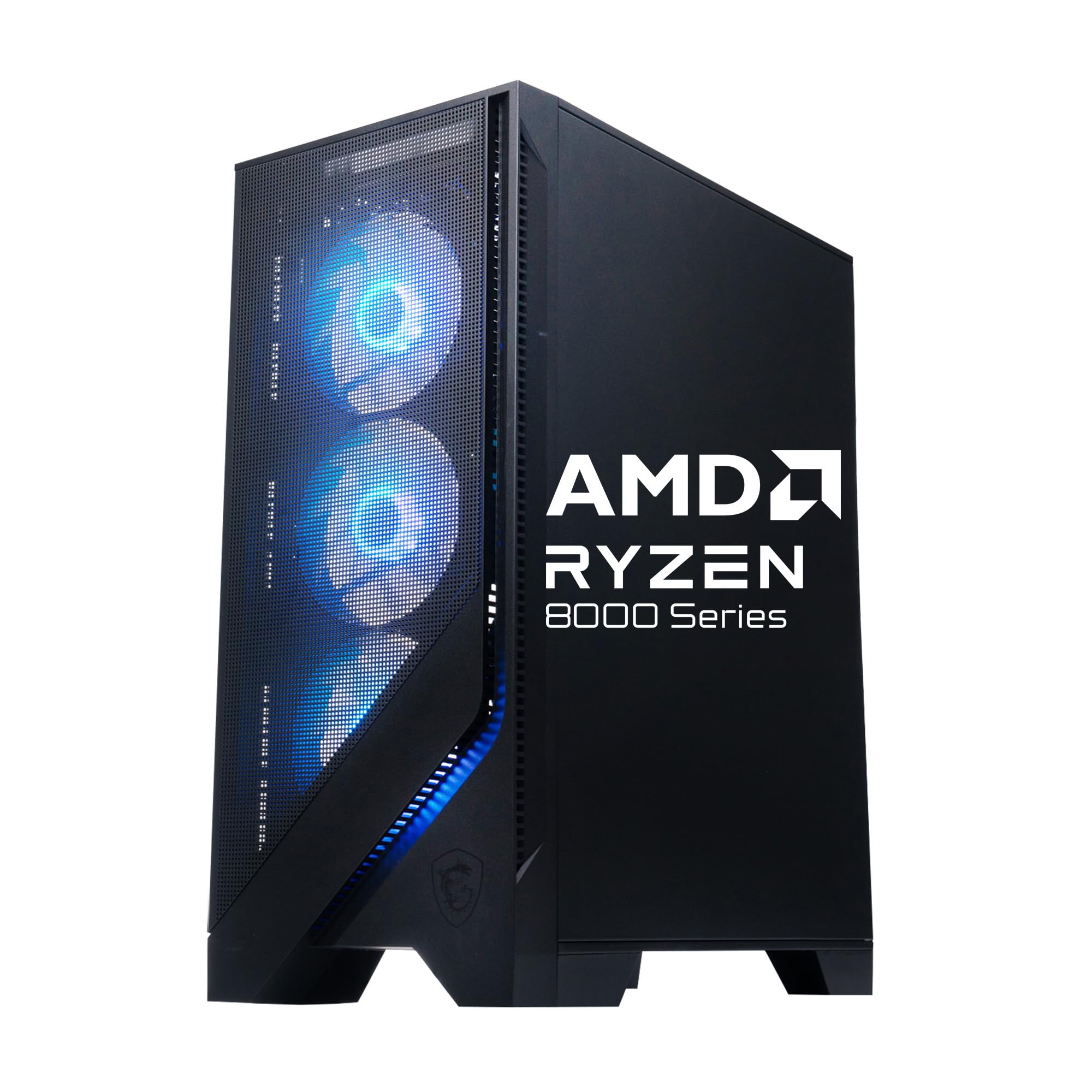


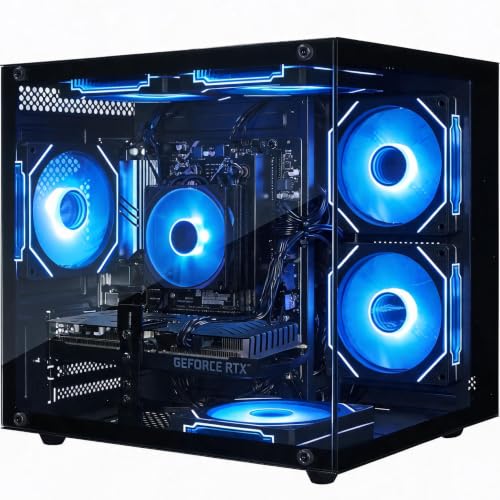
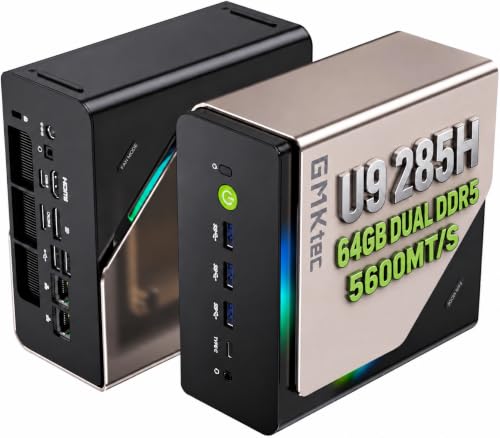
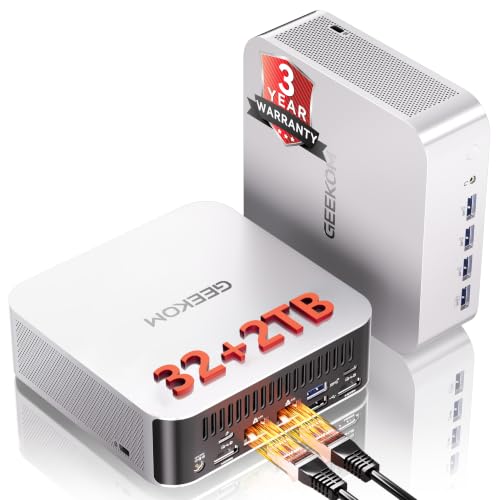
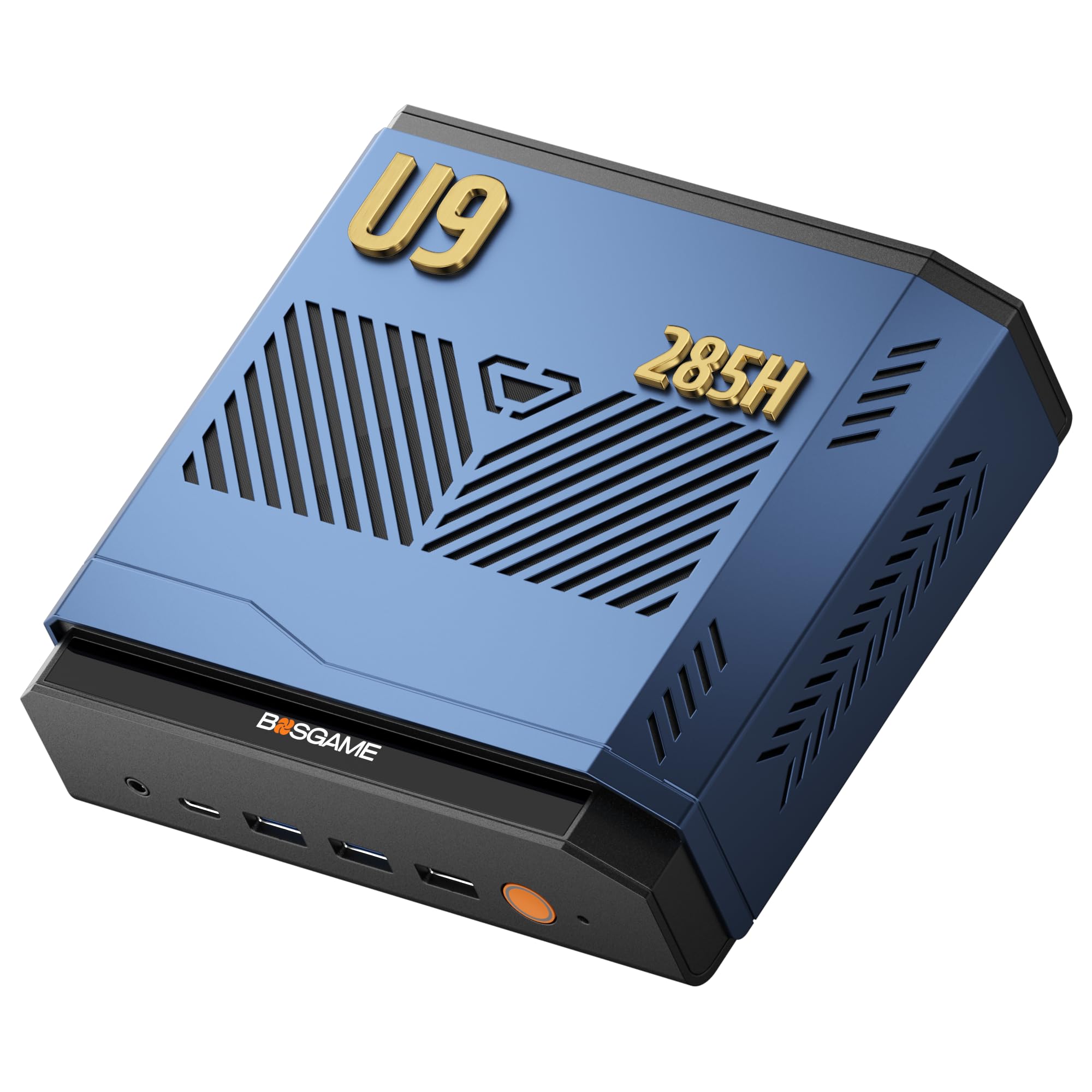
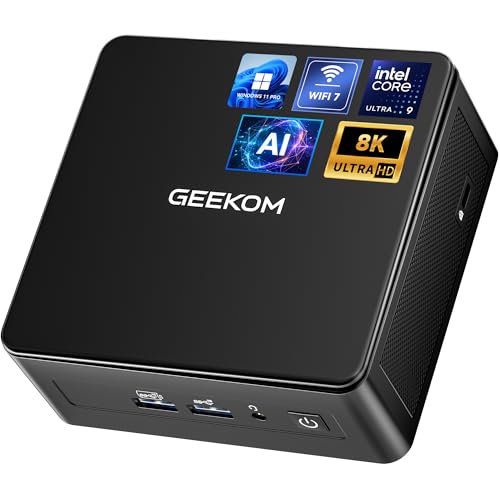
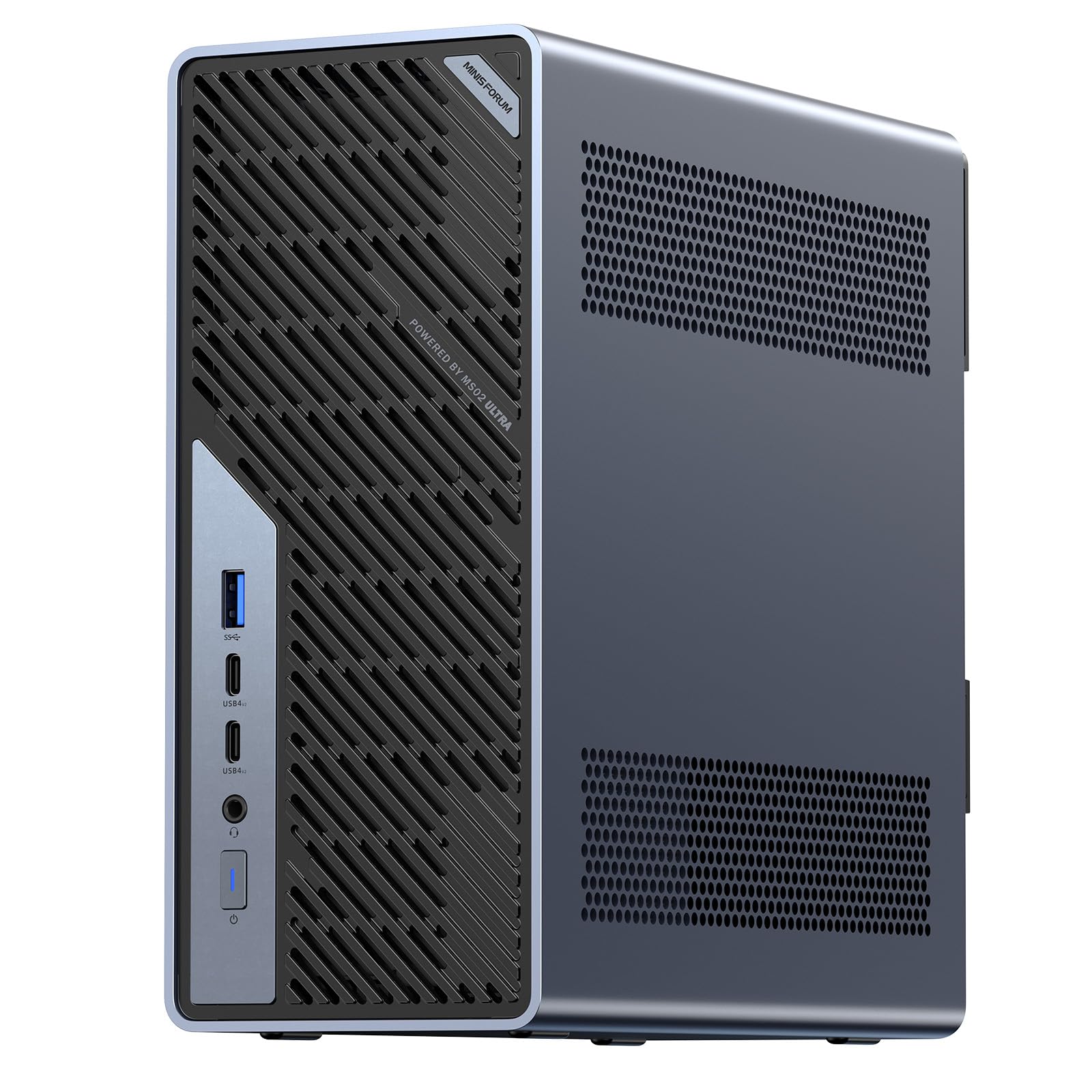
Who Should Buy Which Prebuilt Desktops?
Start with the routine that will use the most of the machine's power, not the routine that sounds most impressive. Shoppers scanning the wider best pre built pc field will notice the same four routines appear again and again, and each one points to a different class of desktop.
The Office and Study Routine
If the computer handles documents, browsers with many tabs, video calls and schoolwork, a modest prebuilt is genuinely enough. Prioritize a solid state drive so the machine starts and loads programs quickly, enough memory that many tabs stay open without slowing down, and a quiet fan, because this machine often sits in a shared room. Integrated graphics are fine here, and money saved on a graphics card is better spent on a larger drive or a longer warranty. This is also the easiest routine to buy as a gift, since the needs are predictable and a mid priced machine rarely disappoints.
The Gaming Routine
Gaming is the routine that spends money fastest, because the graphics card class decides most of the experience. Look for a dedicated graphics card rather than integrated graphics, a processor class that keeps up with it, and a case with real airflow, since gaming loads run hot for hours. Buyers comparing the best pre built gaming pc class should also check the power supply size in general terms, because a stronger supply leaves room to upgrade the graphics card later. Skip paying for extreme processor classes paired with weak graphics; that balance wastes money.
The Photo, Video and Design Routine
Creator work leans on the processor, memory and storage more than on gaming style parts. Editing software uses many processor cores when exporting, large photo libraries eat drive space, and color work calls for a good monitor connection rather than flashing case lights. Prioritize a higher memory band, a large and fast solid state drive, and a graphics class that your editing software can use for effects. This routine also benefits most from a maker warranty with fast service, because the machine is a work tool and downtime costs real money.
The Living Room and Family Routine
A shared family computer lives a mixed life: homework, streaming video, photo storage, printing and light games. A compact prebuilt suits this routine well, since it fits on or under a desk everyone shares and stays quiet during movies. Prioritize storage space for family photos, plenty of front ports for drives and cables, and simple parental account setup in the operating system. Performance demands are modest, so this routine should shop by size, noise and price rather than by component classes.
Key Features to Compare
Ease of Use and Setup
A prebuilt should be working within the hour. Check what arrives in the box, whether the operating system account setup is standard, and how much trial software is loaded, because removing unwanted programs is the hidden first chore of this category. Makers differ in how clean that first start feels, and a tidy setup is worth something real. Also check which ports sit on the front of the case, since reaching around the back of a tower daily gets old quickly.
Size and Fit for Your Space
Towers range from compact cases that sit beside a monitor to full size cases that belong on the floor. Measure your space before ordering, leave room behind and above the case for warm air to escape, and remember that bigger cases are usually easier to upgrade later. If you are torn between a tower and one of the best pc tablets, keep the classes straight: a tablet travels with you, while a desktop stays plugged in, runs stronger parts and accepts upgrades over the years.
Component Classes in Plain Terms
Think in classes rather than model names. Processors come in entry, mid range and high end classes, and each step up handles heavier multitasking and faster exports. Graphics split into integrated graphics, fine for office work and light games, and dedicated cards in rising classes for gaming and editing.
Memory bands of about 8 GB, 16 GB and 32 GB cover most routines, and storage bands of about 512 GB to 2 TB decide how much you keep on the machine. One warning applies everywhere: benchmark figures published by different makers are measured on different setups, so those numbers are not comparable across brands.
Price vs Value
Prebuilt desktops fall into broad bands: budget machines at about $400 to $700, mid range machines at about $700 to $1,400, and premium machines at about $1,400 to $3,000. Part of every price is the prebuilt premium, the amount you pay beyond the parts themselves for assembly, a tested system, one warranty and a support line, and for most households that trade is fair. A listing advertising the best pc ever built is selling a superlative rather than a spec sheet, so judge value by class balance instead. At the top band, the best built gaming pc class pairs strong graphics with larger power supplies and better cooling, which is where premium money actually shows.
Warranty, Support and Long Term Costs
For buyers who do not build their own machines, the warranty is often the deciding factor between two similar desktops. Compare the warranty length, whether shipping a faulty machine is covered, and whether support is handled by the maker or a retailer. Long term costs include a possible memory or storage upgrade in a few years, replacement fans, and eventually a new machine when your routine outgrows the old one. A slightly higher price for a longer warranty and standard internal parts usually pays for itself the first time something fails.
Common Mistakes to Avoid When Buying a Prebuilt PC
- Shopping by the lowest price alone: the cheapest tower often pairs a decent processor with a tiny drive and the shortest warranty.
- Chasing top component classes for a light routine: a gaming class graphics card adds cost and noise that office work never uses.
- Ignoring the warranty terms: two machines with equal specs are not equal when one carries three years of cover and the other carries one.
- Trusting benchmark charts across brands: makers test under different conditions, so chart numbers cannot rank one brand against another.
- Forgetting the desk: a full size tower bought for a small desk ends up on the floor in the dust, with cables stretched to reach.
Setup and Care Tips
- Read the quick start guide before first use, and remove packing material from inside the case if the maker fitted any for shipping.
- Place the tower where air can move freely around it, and keep it off thick carpet where vents clog with dust.
- Clean dust filters and vents regularly with a soft brush, and inspect cables and fans a few times a year.
- Run system updates on a calm schedule, and keep a backup of important files on an external drive or a cloud account.
- Store the warranty paperwork and purchase receipt together, so a support call never starts with a search through drawers.
Frequently Asked Questions
How long does a prebuilt desktop computer last?
A prebuilt desktop typically serves about five to seven years before its routine outgrows it, and office machines often run longer than gaming machines. The hardware rarely dies all at once; instead, software grows heavier, storage fills, and one part at a time starts to lag. A memory or storage upgrade midway through that span can add useful years at modest cost. Keeping dust out of the case and vents clear helps the fans and parts reach that lifespan.
What features matter most when buying a prebuilt desktop?
The features that matter most are the ones your routine touches daily: a solid state drive for speed, enough memory for your multitasking, and the right graphics class for games or editing. After those, look at warranty length and port layout, which decide how the machine feels to own. Case size matters more than buyers expect, because it decides noise, desk fit and upgrade room. Treat lights, glass panels and bold styling as the last consideration, not the first.
Are expensive prebuilt computers worth it?
Expensive prebuilt computers are worth it when your routine uses what the money buys: stronger graphics for gaming, more memory and storage for editing, and better cooling for long heavy sessions. They are not worth it for email, documents and browsing, where a premium machine feels no faster than a mid range one. Premium bands also tend to carry longer warranties and stronger power supplies, which is real value. Match the band to the routine, and the question answers itself.
How do I maintain a prebuilt desktop?
Maintain a prebuilt desktop by keeping its air paths clean, its software updated and its files backed up. Dust is the main enemy: it insulates parts, makes fans louder and shortens the life of moving parts, so clean the filters and vents a few times a year. Inside the case, touch nothing beyond what the maker manual describes, and leave component work to a service shop while the machine is under warranty. Good habits cost nothing and prevent most problems.
How much should I spend on a prebuilt desktop?
Spend according to the routine: about $400 to $700 covers office and family use, about $700 to $1,400 covers strong all round use and entry gaming, and about $1,400 to $3,000 covers high end gaming and serious editing. Keep a little of the budget aside for a monitor, keyboard and backup drive if you do not already own them. Spending one band above your routine buys headroom and a longer useful life; spending two bands above it mostly buys pride.
Final Thoughts
Match the machine to the routine first, then compare component classes, and let the warranty settle close calls. The product table above shows how the main prebuilt classes line up against daily use, which keeps the choice grounded. For most households, the best built pc is a mid range desktop with a solid state drive, room to upgrade, and cover that lasts, bought for the work it will actually do every day.