
Best AMD Prebuilt PC in 2026: Budget, Midrange, and Premium Choices
Disclosure: We may earn a commission when you buy through links on this page, at no extra cost to you. As an Amazon Associate I earn from qualifying purchases. Learn more

Compare AMD prebuilt PC options at every price point, with guidance on CPUs, GPUs, RAM, storage, cooling and what each budget level should include.
Prices for AMD systems stretch from modest starter towers to costly machines for 4K play and heavy creation work. Paying more only helps when the extra money lands on parts you will actually feel. A best amd prebuilt pc choice starts with your resolution, games, and budget, and the comparison table below lets you check those points side by side.
This guide skips named models and reviews. Instead it shows who each tier suits, what your money should buy at each level, and which features deserve your money.
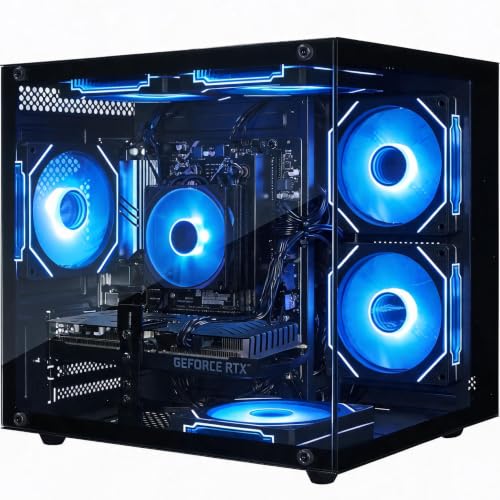


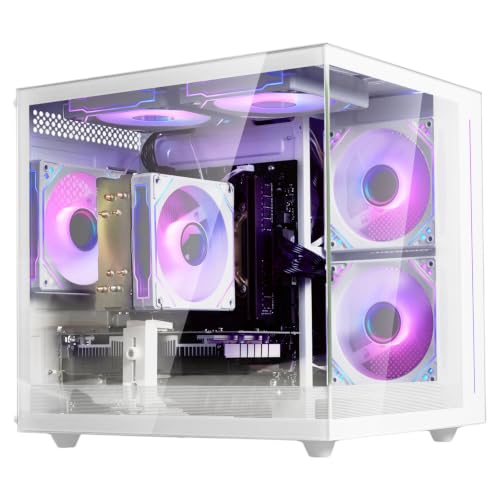
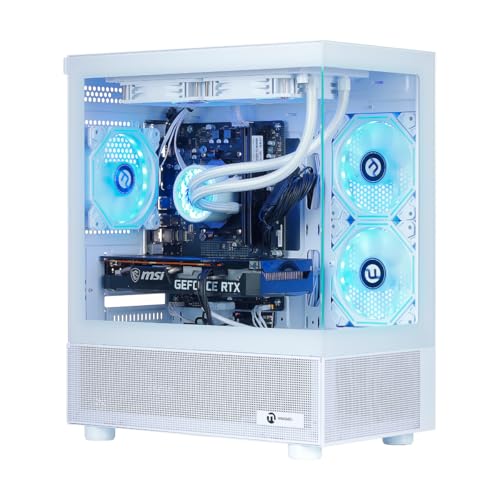
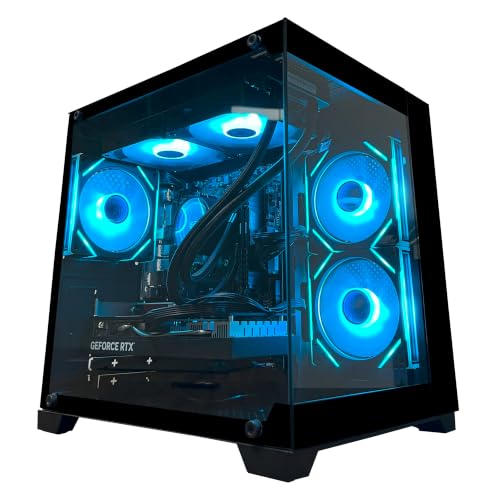
Who Should Buy an AMD Prebuilt PC?
Your resolution and weekly workload matter more than any single part name. Match yourself to one group below, then hold every listing to that standard. For a broader view of gaming towers, see our guide to the best gaming pc prebuilt options alongside this guide.
Budget Gamers Playing at 1080p
You play competitive titles and older favorites at 1080p and want smooth frame rate without paying for power you cannot see. Look for a modern six core CPU, a GPU built for 1080p, 16GB of RAM, and a 1TB NVMe SSD. A simple air cooler and plain case are fine, because your money works harder on the GPU and storage than on lights.
1440p Players Who Want Higher Settings
You use a 1440p monitor and want high settings with steady frame rates in newer games. You need a stronger GPU, a CPU that can keep up with it, and 32GB of RAM if you stream while you play. Good airflow matters more here, because both parts produce more heat under load.
Creators, Streamers, and Small Desk Owners
You edit video, stream, or run demanding work apps beside your games, or you need a compact machine for a small desk. Prioritize more CPU cores, 32GB of RAM, and fast storage for large project files. Small form factor PCs fit tight spaces well, but check GPU length and cooler clearance closely, because compact cases leave less room for upgrades.
AMD Prebuilt Budgets From 1080p Play to 4K Creation
Use the levels below to judge a listing by what it includes, not by its label. For a wider set of ready built towers beyond AMD systems, see our guide to the best pc prebuilts and compare parts lists line by line.
Budget Builds for Steady 1080p Play
Budget systems usually cost about $700 to $1000 and pair an entry level gaming GPU with a capable midrange CPU. Expect 16GB of RAM, a 500GB to 1TB NVMe SSD, air cooling, and a basic case. The trade off is upgrade room and noise under load. Choose this tier for 1080p play and school or office work, and skip decorative lighting here.
Midrange Builds Built Around 1440p
Midrange systems usually cost about $1100 to $1800 and are the value point for most buyers. Expect a GPU suited to 1440p, 16GB to 32GB of RAM, a 1TB NVMe SSD, and a power supply with an 80 Plus Gold rating. Cases often add better airflow and cleaner cable routing. This tier balances frame rate, noise, and price without the steep jump to premium parts.
Premium Builds for 4K and Heavy Creation
Premium systems usually cost about $1900 to $3000 or more and target 4K play, high refresh 1440p, and heavy creation work. Expect a top tier GPU, a high core count CPU, 32GB or more of RAM, and 2TB of NVMe storage. Spending more pays off only if your monitor and workload can use the extra power.
Key Features to Compare
Compare these five factors in order on every listing. Even the best amd prebuilt pc on paper can disappoint if one factor lags the rest, so check the full parts list, not the headline GPU alone. Look for clear part names, not vague phrases like fast processor.
CPU and GPU Pairing for Your Resolution
The CPU prepares each frame and the GPU draws it, so the two must suit each other and your screen. For 1080p, a balanced midrange pair gives smooth results without overspending. For 1440p and 4K, the GPU does more work, and a weak GPU will limit frame rate even with a strong CPU. Avoid a premium CPU paired with an entry level GPU, because that split wastes money you could shift to graphics power.
RAM and Storage With NVMe Speed
RAM holds work in progress, and storage holds your system, games, and files. For gaming, 16GB is a workable floor, while 32GB suits streaming and creation apps. Prefer DDR5 on current AMD platforms where offered, and check that RAM runs in two sticks for full bandwidth. Choose at least a 1TB NVMe SSD, because modern games are large and a nearly full drive leaves little room for updates.
Cooling, Airflow, and Noise Levels
Cooling keeps boost speeds steady and controls sound beside your desk. Air cooling is simple, durable, and enough for most budget and midrange builds. An AIO cooler can suit stronger CPUs in premium builds, but it adds a pump that can fail over time. Check fan count and whether the case uses mesh rather than a sealed front. Loud fans and coil whine show up under load, so good ventilation helps temperature and comfort.
Power Supply, Case Size, and Upgrade Room
The power supply feeds every part, so wattage and rating matter as much as brand claims. Look for enough wattage for the installed GPU plus headroom for a future upgrade, and prefer an 80 Plus Gold unit for better efficiency and less wasted heat. Check case size against your desk and the GPU length you may want later. Standard towers offer the easiest upgrades, while compact cases demand closer clearance checks.
Warranty, Support, and Build Quality
A prebuilt should arrive ready to use, with tidy cables, current drivers, and parts seated firmly for shipping. Look for a warranty of 1 to 3 years covering parts and labor, clear return terms, and support you can reach by phone or chat. Clean cable management helps airflow and later changes. To judge the seller as well, see our guide to the best pc prebuilt companies before you commit.
Owning an AMD Prebuilt: Monitor, Upgrades and Running Costs
The purchase price is only the first cost. Budget for a monitor that matches your GPU, a keyboard and mouse if needed, and games or software. Electricity use rises with stronger GPUs, though yearly cost stays modest for most homes. Plan for a storage addition later, because game libraries grow fast. When you compare sellers, see our guide to the best website for prebuilt pc shopping for checkout checks.
Common Mistakes to Avoid
- Buying a premium GPU for a 1080p 60Hz monitor wastes money on frames your screen cannot show.
- Choosing 8GB of RAM or a 256GB drive forces early upgrades and leaves games short on space.
- Ignoring power supply wattage and rating risks shutdowns under load and blocks future GPU upgrades.
- Picking a sealed glass front case with few fans raises temperatures and fan noise during play.
- Paying for lights and decorative panels before RAM, storage, and cooling leaves core performance weaker.
- Skipping warranty and return terms leaves you paying for shipping damage or an early part failure.
Care and Maintenance for an AMD Prebuilt PC
Keep vents clear and clean dust filters about once a month if your room has carpet or pets. Dust raises temperatures, and higher temperatures make fans spin faster and louder. Use compressed air in a ventilated spot, hold fans still while you clean them, and never open the power supply.
Update graphics drivers and system software regularly, and keep at least 10 to 15 percent of your SSD free so updates and installs run smoothly. Back up important files, because no warranty replaces lost work. If temperatures rise suddenly or the system shuts down under load, contact support while the warranty applies rather than swapping parts yourself.
AMD Prebuilt PCs: Your Questions Answered
Is building a PC cheaper than buying an AMD prebuilt PC?
Building a PC can cost less when parts are on sale, but a prebuilt often wins on time and risk. You pay for assembly, quality checks, and a single warranty for the whole system. Add Windows, tools, and your own hours to a parts list before you compare. That saved time matters most if you need a working system this week.
Is air cooling or liquid cooling better for an AMD prebuilt PC?
Air cooling is better for most buyers, because it is simple, quiet enough, and easy to replace. An AIO cooler suits high core count CPUs in warm rooms or compact cases. Check pump life, since an AIO usually needs replacement sooner than a basic air cooler, and ask what warranty covers it.
What GPU does an AMD prebuilt PC need for 1440p gaming?
An AMD prebuilt PC for 1440p gaming needs a GPU built for that resolution, not an entry level card pushed to high settings. Look for strong performance and enough video memory for current games. Your target frame rate matters too, since 60 frames per second needs less power than 144 frames per second.
How much RAM does an AMD prebuilt gaming PC need?
An AMD prebuilt gaming PC needs 16GB of RAM at minimum, and 32GB is the safer choice for new purchases. Extra capacity helps when you stream or keep chat apps open beside a demanding title. Check stick layout too, because two sticks let memory run in dual channel mode. A single stick leaves bandwidth unused.
How long will an AMD prebuilt gaming PC stay relevant?
An AMD prebuilt gaming PC will stay relevant for about 4 to 6 years if you buy a balanced midrange or premium build. Budget builds age faster, because their GPUs reach their limits sooner. You can extend life by lowering settings over time and adding storage or RAM. A socket with upgrade options also gives a cheaper refresh path.
Wrapping Up
Start with your resolution, then check CPU and GPU pairing, RAM and NVMe storage, cooling, and power supply in that order. Let the tier that fits your screen set your budget, and skip decorative extras until core parts are right. Use the product table above to confirm each parts list before you order.
When you compare a best amd prebuilt pc listing against those checks, the right tier becomes clear quickly. Choose the balanced system you can maintain and upgrade.


