Best Building Material for Raised Garden Beds for 2026: What Works Best
Disclosure: We may earn a commission when you buy through links on this page, at no extra cost to you. As an Amazon Associate I earn from qualifying purchases. Learn more

Wood, metal, stone or composite? Compare durability, cost, soil safety and upkeep to pick the best building material for raised garden beds.
For most vegetable gardens, rot resistant wood and galvanized steel are the safest starting points, because both last for years, hold soil well, and suit food growing. The best building material for raised garden beds for your yard still depends on your climate, budget, and how long you plan to garden in the same spot.
This guide compares the main building materials for raised beds by lifespan, cost, soil safety, and upkeep, without reviewing individual products. Use the comparison table below for a quick view of related kit and material options, then read the material breakdowns to choose with confidence.


Quick Answer
Start with cedar or another rot resistant wood if you want a natural look, easy cutting, and about 10 to 15 years of service. Choose galvanized steel if you want the longest life, often 20 years or more, with almost no upkeep. Choose standard pine for the lowest cost and accept a shorter life of about 5 to 7 years. Choose composite boards for a clean look and long life at a higher price, and choose stone or concrete where you want a permanent bed. Our companion guide to the best material to make raised garden beds covers the same choice from a building focused angle.
Why It Matters
The material decides how often you rebuild, how much you spend over a decade, and how your soil behaves. Thin or fast rotting sides bow outward under wet soil, leak growing medium at the corners, and can fail mid season when plants need support most. Durable sides hold their shape, keep soil depth even, and make paths and watering easier to plan. Material also affects soil temperature: metal warms soil earlier in spring, while thick wood insulates roots during hot spells. Choosing well once saves you from moving tons of soil later, which is the real cost of a wrong first choice. For a second view of the trade offs, see our guide to the best material to use for raised garden beds.
Raised Garden Bed Materials Explained
Rot Resistant Wood Such as Cedar
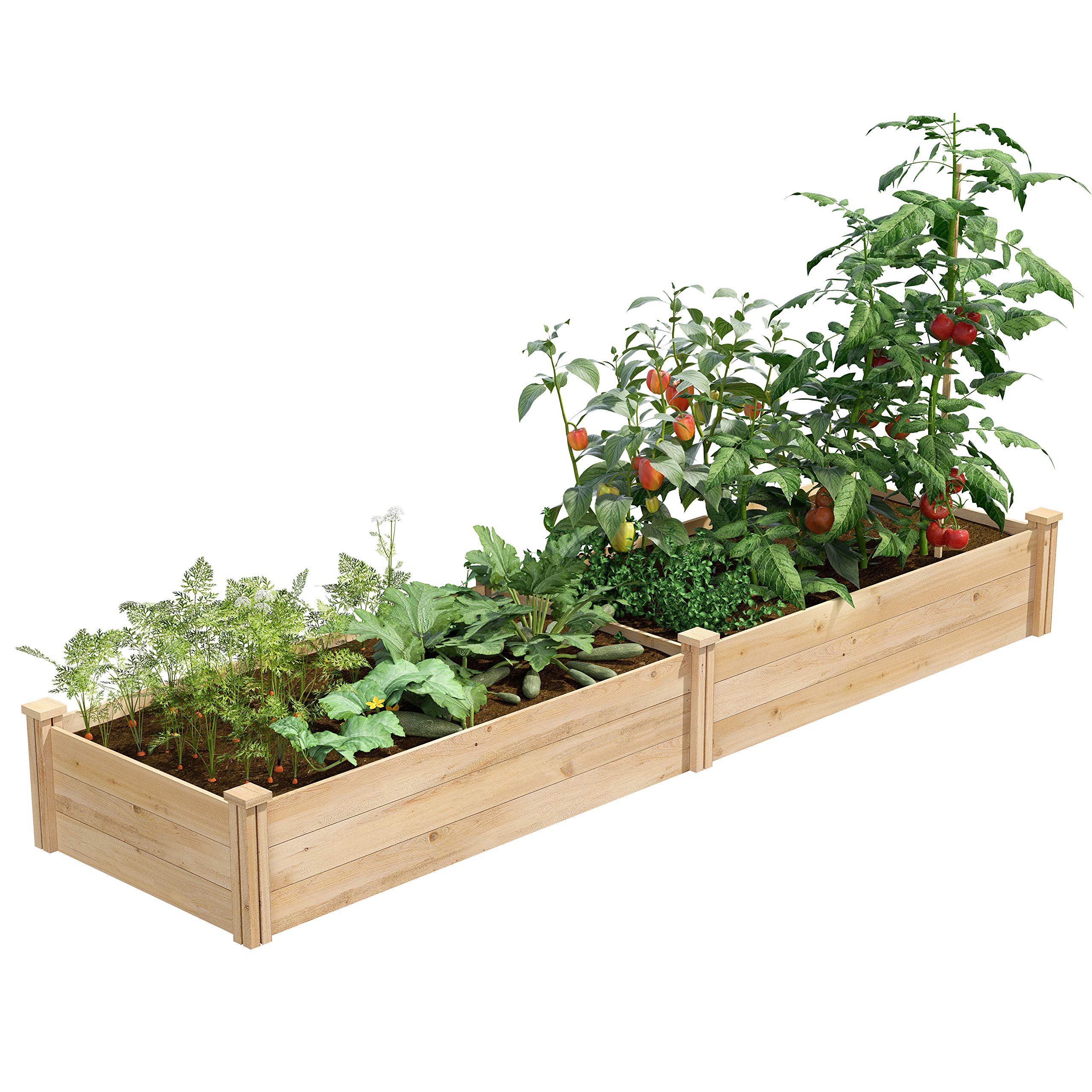
Cedar and similar rot resistant woods are the classic choice for food beds. Natural oils slow decay, boards are light and easy to cut with basic tools, and the finished bed looks at home in most gardens. Expect about 10 to 15 years before boards soften at the soil line. Costs sit in the middle, usually more than pine and less than composite. This option suits most home gardeners who want a balance of life, looks, and simple building. Avoid thin boards under about 1 inch thick, because they warp and bow within a few seasons.
Standard Pine and Common Lumber
Plain pine is the cheapest way to try raised bed gardening. Boards are available everywhere, cut easily, and let you build a bed in an afternoon for a modest cost. The weakness is life: untreated pine in contact with wet soil often lasts only about 5 to 7 years, and less in warm wet climates. Pine suits renters, trial plots, and gardeners who may move beds soon. If you use modern pressure treated lumber, check the label, choose products rated for ground contact, and line the inside with landscape fabric if you want a barrier between treated wood and soil.
Galvanized Steel
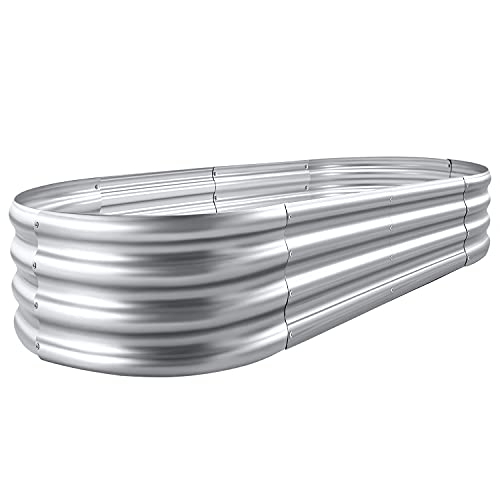
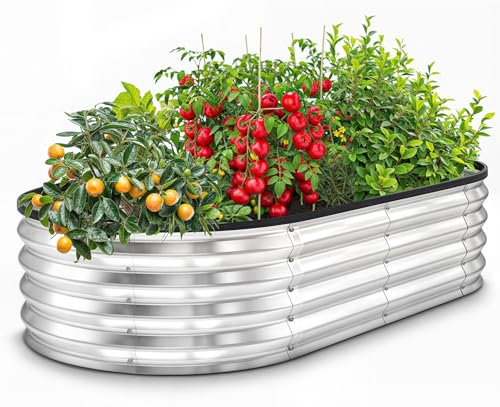
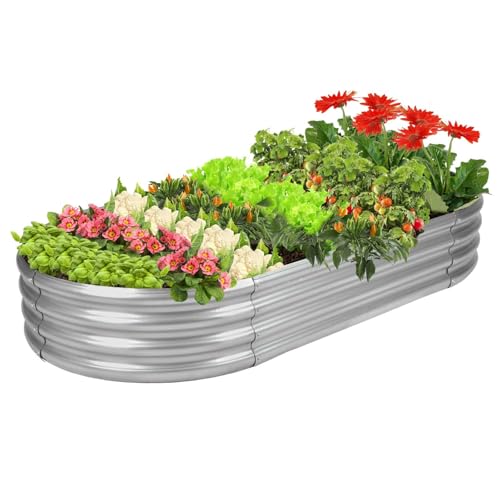
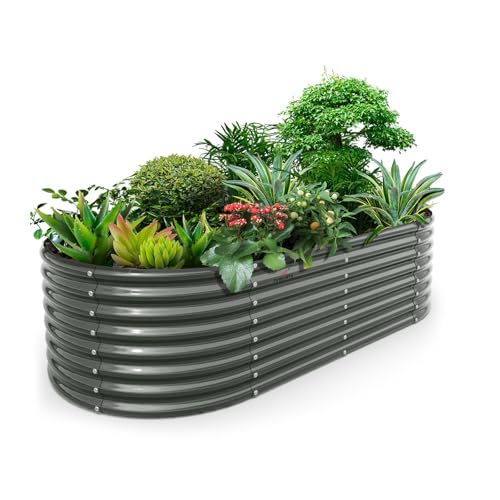
Galvanized steel panels give the longest service of any common option, often 20 years or more, with no rot, no insects, and almost no upkeep beyond an occasional rinse. Panels arrive as kits with corner pieces, so assembly is mostly bolting rather than cutting. Steel suits large beds, windy sites, and gardeners who never want to rebuild. Watch two points: thin panels can flex unless braced on long sides, and metal edges should be rolled or capped for safe handling. In very hot climates, steel sides warm soil faster, so mulch and steady watering matter more.
Composite and Recycled Plastic Boards
Composite boards blend wood fiber and plastic into dense planks that resist rot, insects, and fading. They cut much like wood, hold screws well, and often carry long warranties, with service lives commonly quoted around 20 to 25 years. The look is neat and uniform, which suits front yard and patio beds. Costs are high, often two to three times pine, and dark colors can heat up in strong sun. Composite suits gardeners who want wood like building with far less upkeep and who plan to keep the same bed layout for many years.
Stone, Brick, and Concrete Blocks
Masonry makes the most permanent beds. Stone, brick, and concrete blocks shrug off rot and insects entirely, add thermal mass that smooths soil temperature swings, and suit sloped ground where you can step courses into the hill. Building takes the most labor, and materials are heavy to move, but a well built masonry bed can last for decades. Costs vary widely: reclaimed brick can be cheap, while cut stone is premium. Choose masonry when the bed position is final, because moving a stone bed later means moving every block and all the soil again.
Fabric Grow Beds and Simple Alternatives
Fabric grow beds and other soft sided options cost the least and set up in minutes with no tools. They drain freely, air prune roots, and fold away for storage, which suits balconies, renters, and one season trials. The trade offs are real: fabric dries out faster than solid sides, beds slump as soil settles, and service life is usually only about 3 to 5 seasons outdoors. Use fabric to try a sunny spot or grow potatoes and other forgiving crops before you invest in a permanent material for that location.
Helpful Products That Make It Easier
The right extras protect whichever material you choose. Corner brackets and sturdy screws stop wood and composite sides from bowing, and a simple liner can reduce soil contact on wood while still draining. A hardware cloth layer under the bed deters burrowing pests, and drip irrigation keeps moisture even so wood dries less unevenly and metal beds stay cooler. The product table above groups common kits and add ons of this kind. Our guide to the best material for making raised garden beds explains which extras pair best with each material type.
Common Mistakes to Avoid
First, building too wide: beds wider than about 4 feet force you to step into the soil and compact it. Second, using old railway sleepers or unknown treated wood for food beds, because old preservatives and oils can leach into soil; choose known, food garden appropriate materials instead. Third, skipping drainage and leveling, which leaves one corner rotting or drying faster than the rest. Fourth, filling a deep masonry or steel bed entirely with costly bagged mix when a base layer of logs, branches, and plain topsoil would do. Fifth, ignoring the ground between beds: mud paths turn slick and weedy, so plan the best material between raised garden beds, such as gravel or wood chips, from the start.
Frequently Asked Questions
Is the material in a raised garden bed safe for growing food?
Untreated wood, galvanized steel, stone, and food grade composite are widely used for vegetable beds and are considered suitable choices. The main caution is old or unknown treated wood, including old railway sleepers, which you should keep away from food soil. When in doubt, line the inside of the bed so soil touches the liner rather than the boards, and wash produce well before eating.
How often should I replace raised garden bed material?
Replace boards when they feel soft, bow outward, or crumble at the soil line, which is about 5 to 7 years for pine and 10 to 15 years for cedar. Steel and masonry rarely need replacement, only inspection. Checking corners and the soil line each spring lets you swap a single failing board instead of rebuilding the whole bed during planting season.
What else can help alongside the right raised bed material?
Good soil does more for harvests than any side material. Fill beds with a mix rich in compost, refresh the top layer each season, and mulch the surface to hold moisture. A simple soil test every year or two tells you whether to add lime, fertilizer, or more organic matter, and it costs far less than guessing with bag after bag of amendments.
How long after building a raised bed can I start planting?
You can plant the same day you fill a new bed, as long as the soil mix is watered in and settled. Fresh fills often sink by an inch or two in the first weeks, so top up before sowing small seeds. Woody base layers in deep beds settle more slowly, so expect to add a little extra mix during the first season.
Do I need any special equipment to build a raised garden bed?
No special equipment is required for wood, composite, or kit beds. A saw, a drill, a tape measure, a level, and safety glasses cover nearly every build, and steel kits often need only a wrench. Masonry beds add a wheelbarrow and gloves for moving heavy units. Borrow or rent tools for a one off build rather than buying tools you will store for years.
Can choosing the wrong material make a raised garden bed worse?
Yes, a poor match creates real problems. Thin boards bow and split, spilling soil and stressing roots, while dark metal in a very hot, dry yard can overheat shallow soil at the edges. Old treated wood raises avoidable questions for food beds. Matching material to climate, crops, and how long you will stay in the home prevents most of these problems before they start.
Wrapping Up
Match material life to how long you will garden in place: pine for trials, cedar for a decade of easy building, steel or composite for the longest service, and masonry for a permanent layout. Whichever material you pick, solid corners and good soil matter as much as the sides. Compare kits and add ons in the product table above as you settle on the best building material for raised garden beds for your yard.