Best Buffy Comforter (2026): Cloud vs Breeze Explained
Disclosure: We may earn a commission when you buy through links on this page, at no extra cost to you. As an Amazon Associate I earn from qualifying purchases. Learn more
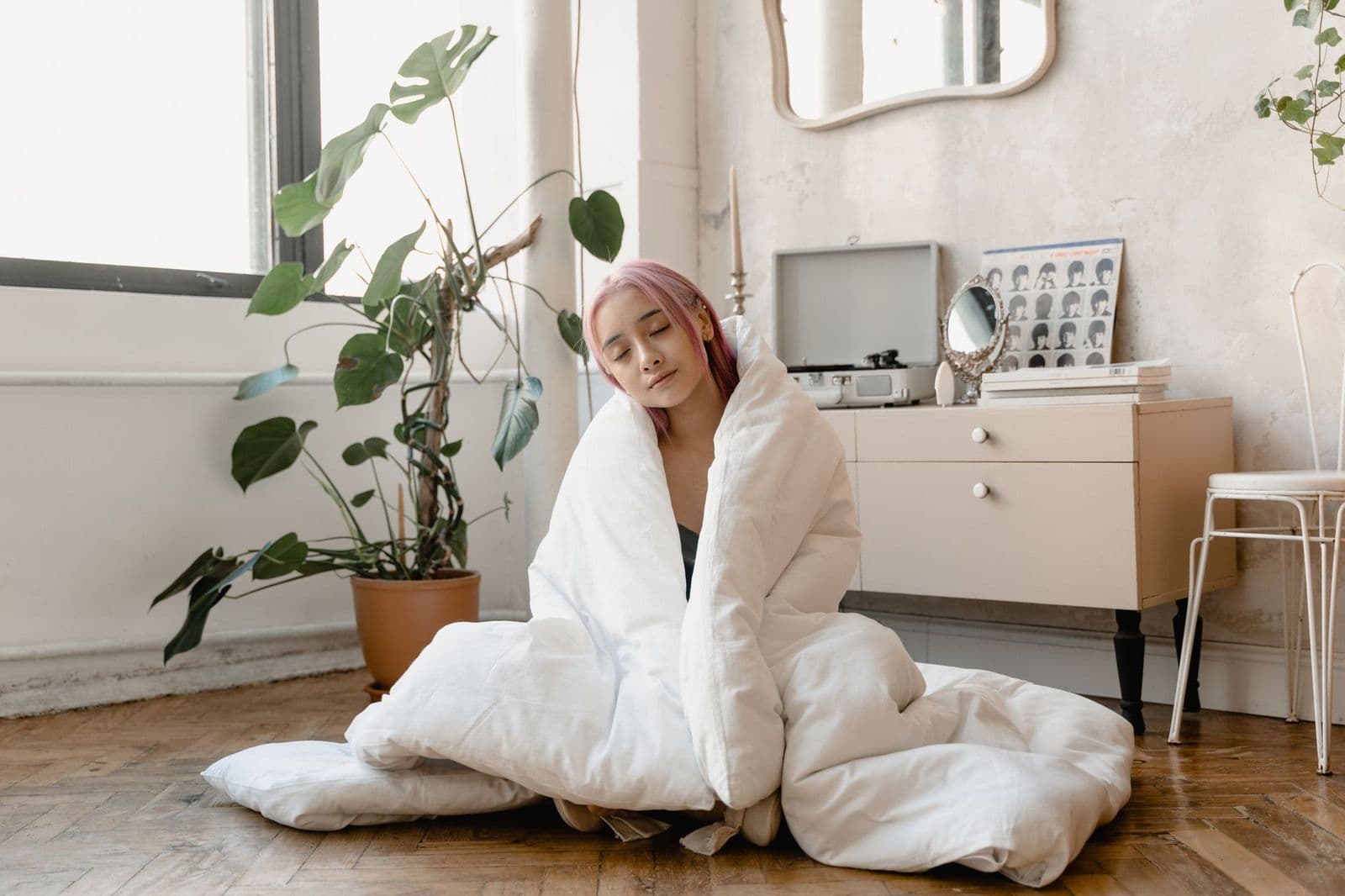
Cloud or Breeze? Match warmth, fill and size to find the best buffy comforter for the way you sleep.
Buffy keeps its lineup small, yet shoppers still stall at the same question: which weight, which size, and which fill will actually suit the way you sleep? The differences look minor on a product page, but they decide whether you wake up comfortable or kicking the covers off at 2 a.m. This guide to finding the best buffy comforter for your bed compares the lineup by warmth, materials, and breathability, so you can match a model to your room and your body instead of guessing.
Below you will find the criteria that matter, the trade offs between the warmth levels, and the mistakes that lead to returns.
Buffy Comforter Types Compared
Buffy builds its comforters around down alternative fill rather than feather down, and the lineup splits mainly by warmth and shell fabric. The Cloud, the standard all season weight, is the middle path: warm enough for most heated bedrooms in winter, and still usable in spring and fall for average sleepers. The Breeze, the lighter, cooler option, uses a smoother eucalyptus lyocell shell that feels cool against the skin and suits warm rooms. If you are also weighing the brand against the wider market, our guide to the best comforter options across brands gives useful context.
Because the range is narrow, your real decision is less about picking a model name and more about picking a warmth level. Choose the all season weight if your bedroom stays near typical indoor temperatures and you want one comforter to handle most of the year. Choose the lighter cooling style if you run warm, live in a hot climate, or keep the heat high at night. Very cold sleepers in unheated rooms may need to add a blanket on top during the coldest weeks, since even the warmer Buffy weight is built for loft and softness rather than heavy winter insulation.
How to Judge a Buffy Comforter Before You Buy
Five criteria separate a good match from a disappointing one. Warmth comes first, because fill weight and loft decide how the comforter performs across seasons. Materials come next: the fill is synthetic and made with recycled fibers, while shells vary between soft microfiber style fabrics and smoother plant based options. Temperature regulation matters if you sleep hot. Durability shows up in stitching that keeps fill evenly spread. Finally, the trial period and warranty matter more here than with many brands, since comfort is personal and you can only judge loft and warmth after real nights under it.
How to Choose the Right Comforter
Size and Form Factor
Start with your mattress size, then think about drape. A queen comforter on a queen bed usually leaves enough overhang on both sides for two sleepers, while sizing up to a king on a queen bed adds generous drape and ends the nightly tug of war over coverage. Twin sizes suit single beds and dorm rooms, and California king sizes add length for taller sleepers. Check the stated dimensions rather than the size label alone, because brands cut differently and a few inches of width change how the comforter looks and feels in use.
Fill Type
Buffy comforters use down alternative fill, which mimics the soft loft of down with clusters of synthetic fiber. That choice suits shoppers who avoid animal products and anyone whose allergies react to feather down. Synthetic fill also tolerates machine washing better than most down. The trade off is breathability: down alternative can hold more warmth relative to its weight, so hot sleepers should lean toward the lighter model. Our roundup of the best down alternative comforter picks shows how this fill style compares across brands.
Features Worth Paying For
Corner loops or tabs are the feature most worth having, because they anchor the comforter inside a duvet cover and stop it from bunching into one corner overnight. Even stitching that divides the fill into boxes or channels also matters, since it keeps insulation even after washing. A duvet cover itself adds a washable layer and lets you change the look of the bed; if you are unsure how the two pieces differ and work together, our explainer on comforter vs duvet covers the basics. Skip decorative extras you will never see under a cover.
Sleep Position and Body Type
Side sleepers often like a comforter with enough loft to drape into the curve between shoulder and hip, which reduces drafts along the back. Back and stomach sleepers usually prefer a flatter, lighter layer that does not press down on the chest or feet. Couples with different warmth needs can compromise with the all season weight and let the hotter partner fold their side back. If you are tall, favor the longer sizes so the comforter still covers your feet when it is pulled up to your chin.
Materials and Certifications
The fill in Buffy comforters is made from recycled synthetic fibers, which keeps plastic out of landfills and gives the loft a consistent feel that natural down cannot always match. Shell fabrics range from brushed soft finishes to smooth lyocell style weaves drawn from plant sources, and the smoother shells feel cooler on warm skin. Look for recognized third party safety testing labels on any bedding you buy, since those programs screen finished textiles for harmful substances before they reach your bed. If you have asthma or sensitive skin, wash the comforter before first use and air it out for a day.
Cooling and Breathability
If you wake up sweaty, the shell fabric matters as much as the fill weight. Smooth plant based shells wick moisture and feel cool at first touch, while brushed shells feel cozy but hold more warmth. The lighter Buffy weight pairs a thinner fill layer with that cooler shell, which is why warm sleepers gravitate toward it. Shoppers who overheat most nights may want to compare it against the wider field in our guide to the best comforter for hot sleepers before deciding, since some sleepers need a truly summer weight layer instead.
Trial Period and Warranty
Buffy sells with a home trial, which is a genuine advantage for bedding because warmth and loft are impossible to judge from photos. Use the trial properly: sleep under the comforter for at least a week, through warm and cool nights if the weather allows, before deciding. Check the return conditions before ordering, including whether the comforter must be clean and how return shipping is handled. Warranty coverage typically addresses defects in stitching and materials rather than normal softening of loft over years of use, so read the terms with that distinction in mind.
How Much Should You Spend?
Most shoppers will land between about $150 and $260 for a Buffy comforter, with larger sizes at the top of that band and twin sizes below it. Under about $100 you usually give up trial length, shell quality, or stitching that keeps fill in place. Spending more mainly buys the cooler shell fabric and a more generous trial rather than extra warmth. Watch for seasonal sales around major holidays if your timing is flexible, but do not let a discount talk you into the wrong warmth level.
The Buffy Lineup Explained
Buffy built its name on a single idea: a soft, cloud like comforter filled with recycled fibers instead of down, sold directly to shoppers with a trial period. The lineup has stayed deliberately small. The core comforter is the all season option most buyers start with, and the lighter model exists for people who found the original too warm. That simplicity is the appeal. Instead of dozens of near identical variants, you choose between two warmth profiles and then pick your size. If you started your search wondering whether the brand is worth it at all, this narrow focus on one fill type, done consistently, is the honest answer: it is a specialist, not a generalist.
Common Mistakes to Avoid
- Buying the all season weight when you already sleep hot, then blaming the brand for a warmth problem you could have avoided by choosing the lighter model.
- Ordering by size label alone without checking dimensions, which leads to skimpy drape on deep mattresses.
- Skipping the duvet cover and washing the whole comforter too often, which wears the fill out faster than a washable cover would.
- Judging loft straight out of the package, before the fill has had a day or two to expand and settle.
- Ignoring the trial deadline, so a comforter that never felt right stays in the house past the return window.
FAQ
What is the best Buffy comforter for most people?
For most shoppers, the all season weight is the safest starting point, because it balances warmth and softness for typical heated bedrooms. It works across spring, fall, and most of winter for average sleepers. Choose the lighter cooling model instead if you run warm or your room stays hot at night. Either way, use the trial nights before you commit, since personal warmth preference varies more than any spec sheet can capture.
Is Buffy a good comforter brand?
Buffy is a reasonable choice if you want down alternative fill made from recycled fibers, a small and simple lineup, and the safety net of a home trial. The brand focuses on one product category rather than selling every bedding type, which keeps quality control straightforward. It is less suitable if you want natural down, a true heavyweight winter comforter, or a wide range of colors and patterns, since the catalog stays intentionally narrow.
Which Buffy comforter should a hot sleeper buy?
A hot sleeper should choose the lighter cooling model, which pairs a thinner fill layer with a smooth shell that feels cool against the skin. Pair it with breathable sheets and skip the extra blanket, because layering defeats the purpose. If you still wake up sweaty, the issue may be your mattress or room temperature rather than the comforter, so test with a fan or a cooler room setting during the trial before returning it.
How long does a Buffy comforter last?
With normal use and a duvet cover protecting it, expect several years of service before the fill loses noticeable loft. Rotating the comforter end to end every few weeks spreads wear evenly, and occasional time in fresh air helps the fill recover between washes. Loft loss is gradual rather than sudden, so replace the comforter when flat spots stay flat after fluffing or when warmth feels uneven across the bed.
How do you clean a Buffy comforter?
Most Buffy comforters can go in a large capacity washing machine on a gentle cycle with mild detergent, and they dry on low heat with the cycle paused to break up clumps. A front loading machine without a center agitator treats the stitching more gently. Spot clean small stains between full washes to extend the time between them. Our full walkthrough on how to clean a comforter covers water temperature, drying, and storage in more detail.
Is a comforter like this worth the money?
It is worth it if you value the trial period, recycled fill, and a soft lofty feel, and if the price band of about $150 to $260 fits your bedding budget. It is harder to justify if you change bedding styles often or prefer natural materials at any cost. Because you spend roughly a third of your life in bed, cost per night over several years of use works out to very little, which is the fairest way to judge the spend.
Final Thoughts
Choosing the best buffy comforter comes down to one honest question: how warm do you actually sleep? Pick the all season weight for typical rooms and average warmth, pick the lighter model if you run hot, size by dimensions rather than labels, and use the trial nights before deciding. Before ordering, confirm your size and warmth choice, and if you want the broader method behind these picks, our guide on how to choose a comforter walks through the same criteria for any brand.