Best Bunk Beds With Trundle (2026): Layouts, Fit and Safety
Disclosure: We may earn a commission when you buy through links on this page, at no extra cost to you. As an Amazon Associate I earn from qualifying purchases. Learn more
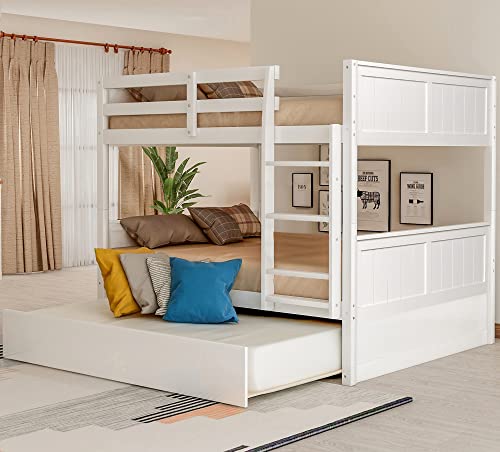
Check rollout space, mattress thickness and weight ratings to find the best bunk bed with trundle.
A bunk bed already sleeps two people in the floor space of one bed, and a trundle adds a third sleeping spot that hides away during the day. Choosing the best bunk bed with trundle comes down to fit, safety, and how smoothly that lower bed rolls in and out. This guide compares bunk and trundle setups by frame size, material, weight capacity, and ease of daily use, and the product table above lists the frames we compared.





Types of Bunk Beds With Trundles Compared
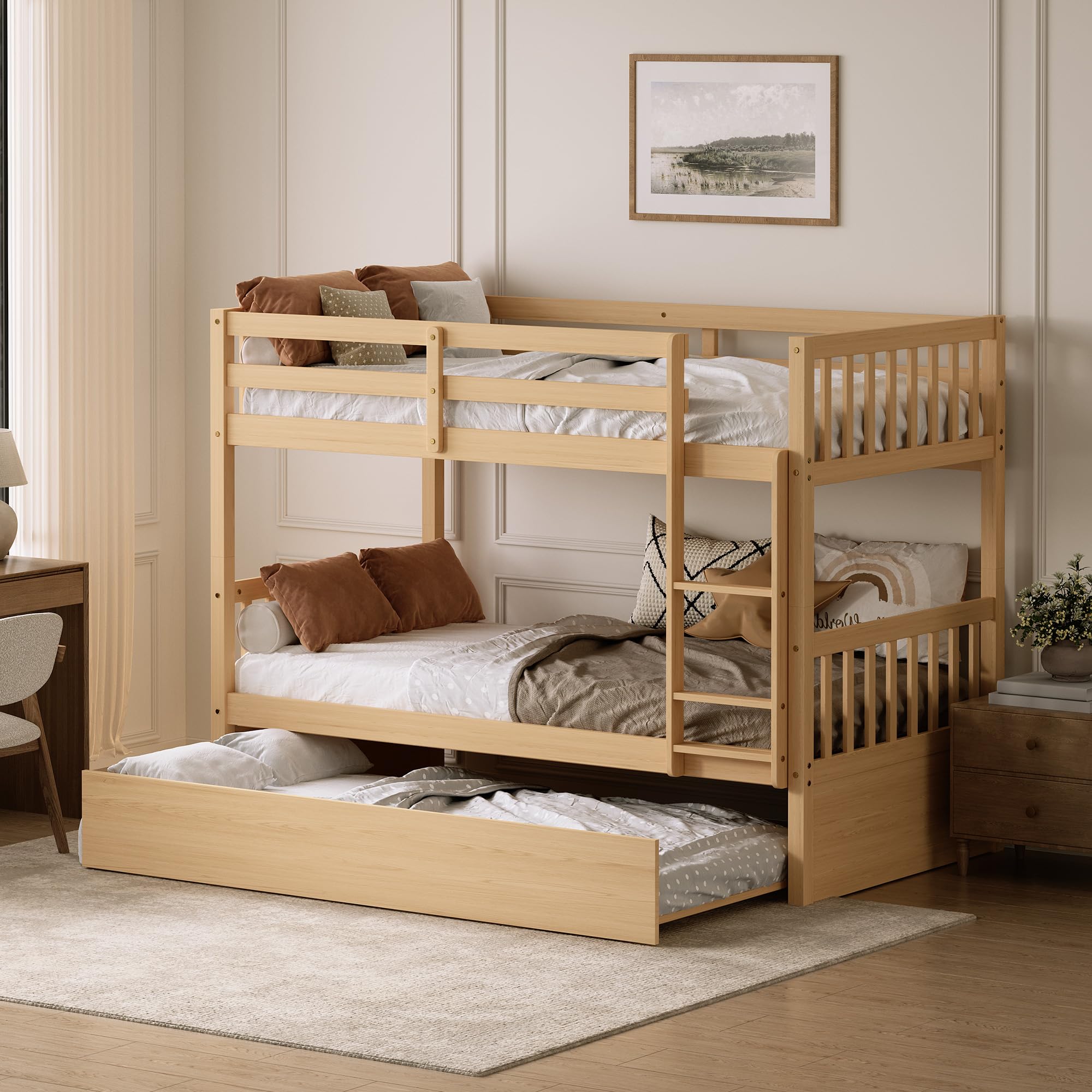
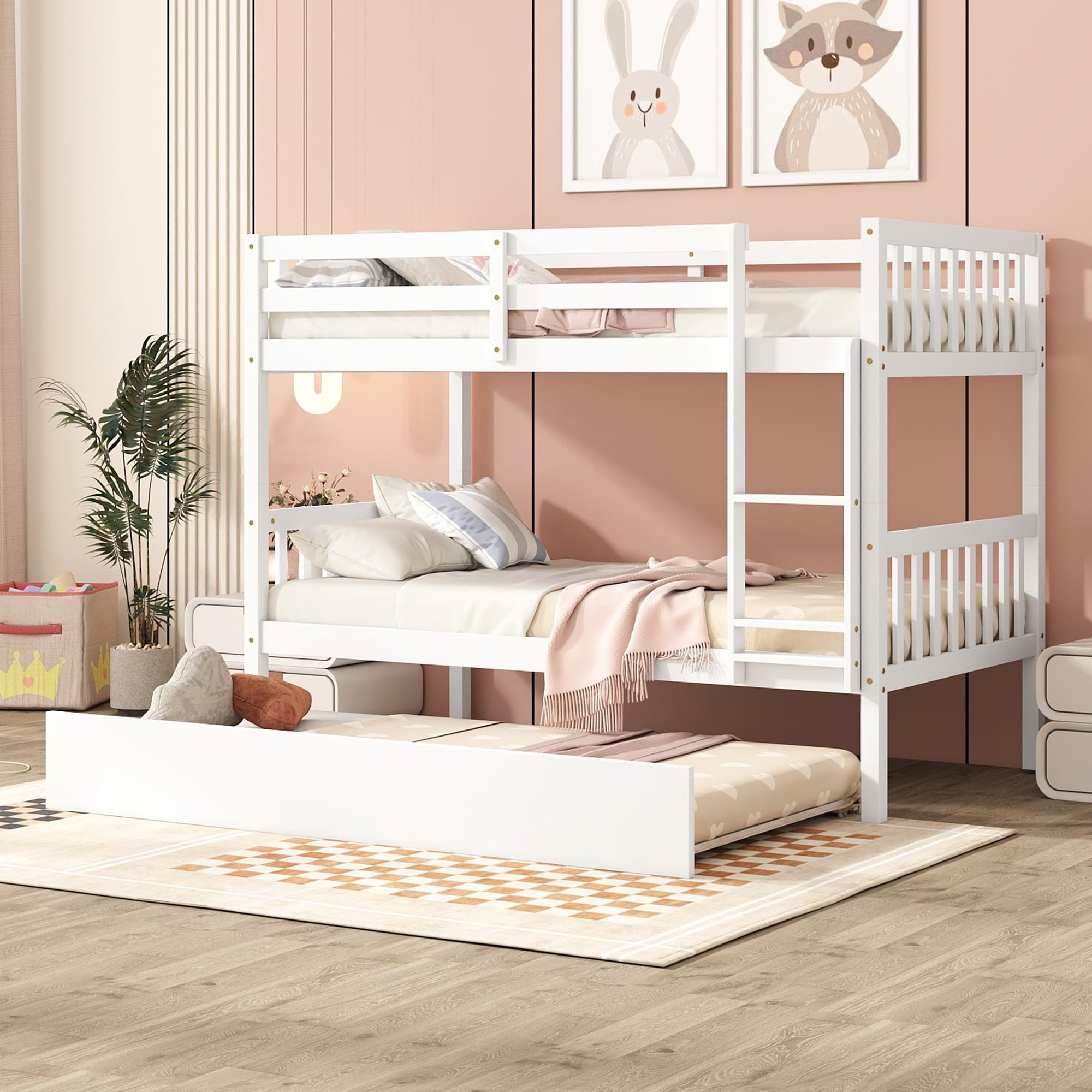
The trundle idea works across several frame layouts, and the right layout depends on who sleeps where. A twin over twin frame with a twin trundle is the classic kids setup, giving three twin sleeping spots in one footprint. If one sleeper needs more width, look at our guide to the best twin over full bunk bed, where the lower bunk is a full size bed and the trundle still slides beneath it. Keep that in mind when you shop for the best bunk bed with trundle.
For older teens or adult guests, a best full over full bunk bed paired with a full or twin trundle gives wider mattresses on every level. Loft style frames take a different approach, raising one bed and leaving the space below open, though a trundle under a loft only works when the lower clearance and the frame design allow a bed to roll underneath.
Trundles themselves come in two forms. A simple roll out drawer style trundle is a shallow frame on casters that holds a thin mattress and stores flat under the lower bunk. A pop up trundle has folding legs that raise the mattress to about the same height as the lower bunk, which suits longer stays but costs more and needs more storage clearance when folded down.
How to Compare Bunk Beds With Trundles
Start with the safety basics. Every bunk level needs guardrails on both sides, and the top of the upper mattress should sit at least 5 inches below the top of the rail. Check that the frame meets current US bunk bed safety standards and that the ladder or stairs feel solid under an adult sized foot, since you will climb up to make the bed and check on a child at night.
Next, look at how the trundle moves. Large casters roll better on carpet, while small hard wheels suit wood or laminate floors. The trundle frame should glide without catching on the bunk frame, and any handles or cutouts should let you pull it out with one hand while holding bedding in the other. If you plan to host adults, compare your shortlist with our guide to the best adult bunk bed, since adult use raises the bar for frame strength and mattress support.
How to Choose the Right Bunk Bed With Trundle
Size and Form Factor
Measure the room before you fall for a layout. A twin over twin frame needs roughly the floor area of a single twin bed, about 40 by 80 inches, plus clear space on the side where the trundle rolls out. That rollout zone is easy to forget, and a trundle that only opens halfway because a dresser blocks it is frustrating every single night. Full size lowers add about 15 inches of width, and L shaped frames trade a longer wall run for easier access to both bunks. Ceiling height matters too, since the top sleeper needs about 30 inches of sitting room above the mattress.
Frame Material and Build Quality
Solid wood frames feel warm and sturdy, and they can often be sanded and refinished years later, but they are heavy to move and usually cost more. Pine is the common budget wood and can dent more easily than hardwoods such as rubberwood or beech. Metal frames are lighter and often cheaper, with a slimmer profile that suits small rooms, though loose bolts on metal frames tend to squeak sooner. Whichever material you pick, look for thick posts, metal to metal bolt connections at the main joints, and a full set of mattress slats rather than a few widely spaced bars.
Weight Capacity and Mattress Support
Manufacturers rate each bunk level separately, and common ratings run from about 200 to 400 pounds per level for kids frames, with adult rated frames going higher. The trundle usually carries the lowest rating of the three sleeping spots, so check its limit before assigning it to a heavier guest. Slat spacing matters as much as the headline number, because closely spaced slats keep a foam mattress from sagging between supports. If the listing gives a combined weight for the whole frame instead of per level figures, treat that as a warning sign and look for clearer numbers.
Trundle Mattress Thickness and Clearance
The space under a lower bunk is limited, so most trundles accept a mattress only about 5 to 6 inches thick. A thicker mattress will jam against the frame or the slats above it, and forcing it wears out both the mattress cover and the caster mounts. Measure the clearance from the floor to the underside of the lower bunk rails before ordering a trundle mattress, because that gap varies between brands. Low profile foam mattresses are the usual fit, and a thin mattress pad can add comfort without adding much height.
Access: Ladders, Stairs, and Guardrails
Angled ladders with wide flat rungs are kinder on bare feet than vertical ladders with thin round rungs, and they take a little more floor space. Staircase ends add built in storage drawers and give younger children a steadier climb, though they lengthen the frame and raise the price. Guardrails should run the full length of the top bunk except for the ladder opening, and the gap between the rail and the mattress platform must be small enough that a child cannot slip through. Removable rails sound flexible, but fixed rails cannot be left off by accident after cleaning day.
Assembly and Warranty
A bunk bed with a trundle is a bigger build than a plain bed frame, so plan on two adults and a few hours, and sort every bolt and slat before you start. Our walkthrough of how to assemble a bunk bed covers the order of steps that keeps the frame square. Warranty terms vary from about 1 year on budget frames to 5 or 10 years on stronger ones, and the fine print often covers the frame only, not the casters or slats. Keep the hardware list and instructions, because replacement bolts are far easier to order with the exact part numbers.
How Much Should You Spend?
Basic metal or pine frames with a simple roll out trundle often cost around $300 to $500. Solid wood frames, staircase models, and pop up trundles usually land around $600 to $1,000, and heavy duty adult rated builds can go above that. Spending more mainly buys thicker posts, stronger slats, quieter joints, and a trundle that still rolls smoothly after years of sleepovers. If your budget is tight, put the money into frame strength first, because bedding and a mattress pad are cheap to upgrade later while a wobbly frame is not.
Do You Really Need a Bunk Bed With a Trundle?
A trundle makes the most sense when the third bed is needed often but not every night, such as weekly sleepovers, cousins visiting each summer, or siblings who share a room but want their own space most nights. It beats an air mattress on comfort and setup time, and it stores itself, which matters in apartments and small bedrooms where a folding cot has nowhere to live.
Be honest about the alternatives, though. If a guest sleeps over only twice a year, a good air mattress costs far less and frees the under bed space for storage drawers instead. If three children share the room full time, a triple bunk or a separate twin bed may serve them better, since the trundle sleeper gets the lowest, dustiest spot and must climb over stored bedding every morning. Our broader look at the best bunk bed options can help you weigh a trundle against plain bunks and triple sleepers. For a fuller walk through of room planning and safety rules, the bunk bed buying guide pulls the whole decision together.
Common Mistakes to Avoid
- Buying a trundle mattress that is too thick, so the trundle jams or scrapes every time it moves.
- Forgetting the rollout space, then finding the trundle opens into a wall, a radiator, or a dresser.
- Putting a child under six years old on the top bunk, which safety guidance warns against.
- Ignoring the trundle weight limit and assigning it to the heaviest guest in the house.
- Skipping the bolt check after the first weeks of use, when new frames settle and joints loosen.
- Letting bedding pile up on the trundle, which raises the sleeping surface and blocks it from sliding home.
Care and Maintenance
Every few months, go over the frame bolts with the hex key that came in the hardware pack and snug down anything that has worked loose. Pull the trundle fully out and vacuum beneath it, since that hidden space collects dust, socks, and small toys that can jam a caster. Wipe wooden frames with a slightly damp cloth and dry them right away, and touch up scuffs with a matching furniture marker before they catch on bedding. Check casters for hair wrapped around the axles, and inspect slats for cracks each time you rotate the mattresses.
FAQ
What age is safe for the top bunk of a bunk bed with trundle?
Safety guidance in the US says children under six should not sleep on the top bunk, because younger children are more likely to roll against the guardrail or climb in unsafe ways. The trundle and the lower bunk are fine for younger kids, since both sit close to the floor. Whichever level your child uses, keep the bed away from ceiling fans and window blind cords.
Can the trundle from a bunk bed be used on its own?
A roll out trundle can sit on the floor across the room for a night, which helps when two guests want some distance. It is not built as a standalone bed for daily use, though, since the low frame and thin mattress give little support over months. A pop up trundle on raised legs feels closer to a real bed, but it still belongs back under the bunk for storage between visits.
Do bunk bed trundles work on thick carpet?
They can, but small casters tend to sink and drag on deep pile carpet, which makes the trundle heavy to pull. Look for large diameter wheels, and test the rollout path with the mattress and bedding in place before the first guest arrives. A low pile rug or a thin board under the rollout zone can make a stubborn trundle glide far more easily.
How much space should be left between the top bunk and the ceiling?
Aim for about 30 inches between the top of the upper mattress and the ceiling, so the sleeper can sit up without ducking. In a room with an 8 foot ceiling, a standard height bunk with a mattress of moderate thickness usually lands close to that mark. Low profile bunk frames exist for lower ceilings, and they pair well with a trundle because the whole unit stays compact.
Can adults sleep on a bunk bed trundle?
Adults can sleep on a trundle for short stays as long as their weight stays within the rating printed in the manual, which is often lower than the rating for the bunks above. The thin mattress is the bigger comfort limit for most grown ups. Adding a foam pad on top helps for a weekend, but regular adult use calls for a frame and trundle rated for it.
Final Thoughts
The right setup balances three things: a frame strong enough for your heaviest sleeper, a trundle that rolls freely in the space you actually have, and guardrails and access that match your kids ages. Measure the room, the ceiling, and the under bunk clearance first, then compare layouts in the product table above. Chosen with those numbers in hand, the best bunk bed with trundle turns one corner of a bedroom into three comfortable beds without crowding the floor.