Best Bunk Beds With Stairs (2026): Layouts, Storage and Fit
Disclosure: We may earn a commission when you buy through links on this page, at no extra cost to you. As an Amazon Associate I earn from qualifying purchases. Learn more
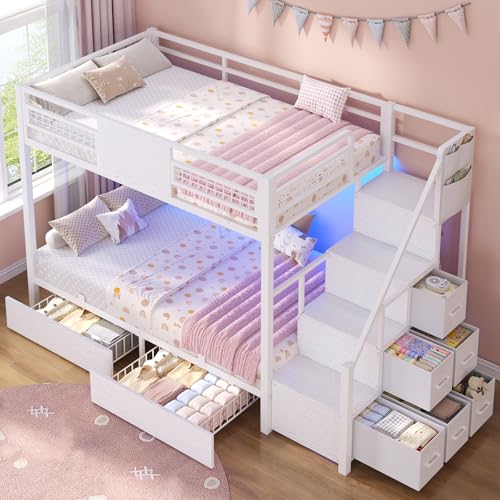
Wide treads and drawer steps make climbing easier. Compare footprints to find the best bunk bed with stairs.
A ladder can feel fine at bedtime and still be a poor fit at two in the morning, when a sleepy child climbs down in socks on narrow rungs. Stairs solve that daily problem with wide treads, a steadier climb, and often storage inside the steps. If you want the best bunk bed with stairs for your room, the sections below group the main types by size, capacity, and stair layout so you can narrow your choice fast.
This guide covers only what changes your decision, from tread depth and headroom to frame material and total footprint. If you are still weighing bunks against other sleep setups, start with our broader guide to the best bunk bed and then return here for the stair specific details.


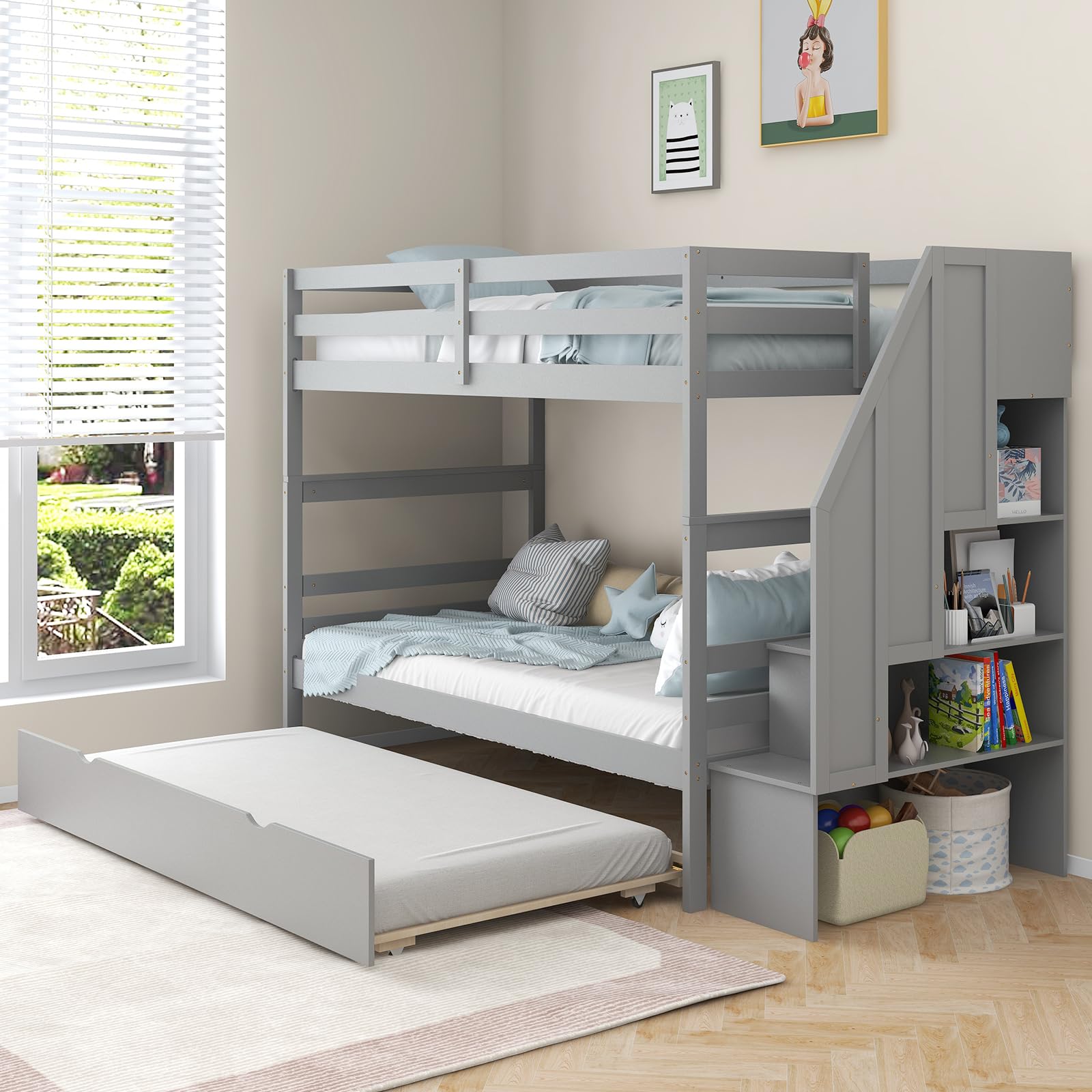


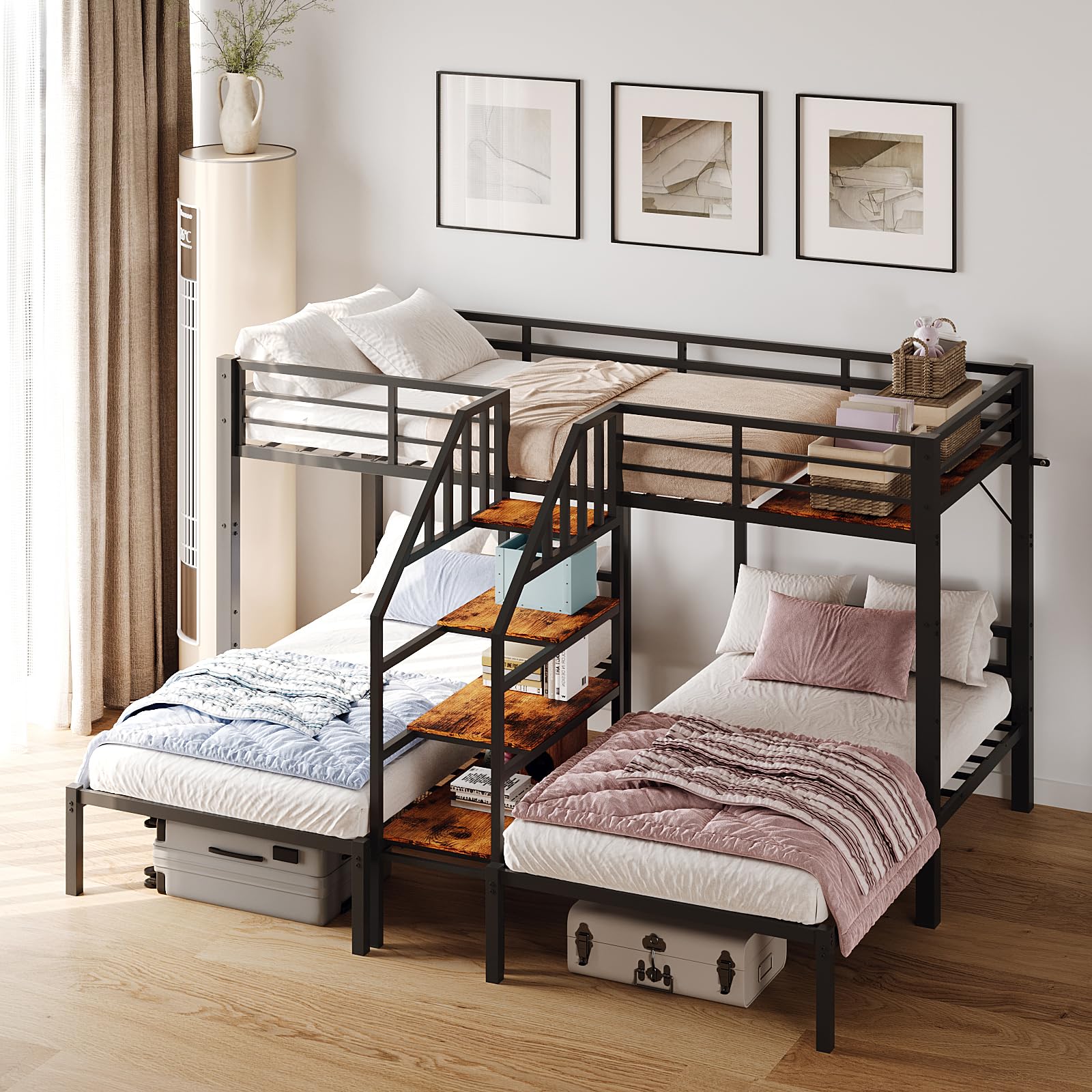


Stair Bunk Types Compared
Bunks with stairs fall into a few repeatable layouts, and the layout matters more than decoration. An end stair design puts the steps at one short end, which keeps the long side clear for desks or dressers. A side stair design runs along the long side, which feels roomier to climb but adds width you must measure for.
Stairs with drawers turn each tread into storage for bedding, books, or pajamas, and that is often the strongest reason to give up the extra floor space. A loft layout lifts one bed high with open space below for study or play, while a standard bunk stacks two beds. Choose the layout by your room plan first, because no finish fixes a stair block that blocks a door swing or a closet.
How to Compare Bunk Beds With Stairs
Compare every model on the same short list so marketing photos do not steer you. Look at ergonomics first, meaning tread depth, hand support, and how the climb feels barefoot at night. Then check build quality and materials, size and weight capacity for each bunk, assembly demands, and what the warranty actually covers, such as joints, drawers, and finish.
For general bunk decisions, see the bunk bed buying guide alongside this page. Here the focus stays on footprint, tread design, and guardrail fit.
Who Should Buy a Bunk Bed With Stairs
Parents of younger children who climb at night
Wide flat treads give small feet full contact, and that matters when a child climbs down half asleep for the bathroom. A solid handrail lets younger climbers keep one hand on support the whole way, unlike round ladder rungs that punish bare feet. Practice climbs during the day usually build confidence faster on stairs than on a vertical ladder.
Families who need storage more than floor space
Drawer stairs earn their footprint in small rooms where a separate dresser will not fit. Each step can hold a set of bedding or a week of pajamas, which keeps the floor clear for play. You trade a larger bed footprint for furniture you no longer need to place, and in a tight shared room that trade often wins.
Households with adult or teen sleepers
Older and heavier sleepers put more force into each step, and stairs spread that load across a broad tread instead of a single rung. If most sleepers are grown, capacity and stair strength matter far more than cute shapes or a slide.
How to Choose the Right Bunk Bed
Size and form factor
Start with the mattress pairing, because it sets both footprint and comfort. A twin over twin suits two children of similar age, while a best twin over full bunk bed gives a growing child or a parent reading at bedtime more width below. A best full over full bunk bed suits teens and guests who need width on both levels, but it demands the most floor space. Triple and L shaped layouts solve corner rooms, yet they make bedding changes slower.
Frame type and stair placement
Metal frames cost less and feel lighter to move, while wood frames usually feel quieter and sturdier on stairs because the treads flex less underfoot. Some models fix the stairs on one side only and others let you build them on either end, so confirm the stair side against your door and window before you order. A convertible frame that later splits into two single beds adds years of use.
Features worth paying for
Pay first for a continuous handrail, deep treads with a textured surface, and drawer stairs if storage is a real need. A trundle under the bottom bunk helps for sleepovers without raising the top bunk. Skip paying extra for a desk or slide unless you have measured the clear floor they need. Decorative house shapes add cost and dusting work, and they do nothing for climb safety or sleep quality.
Body size and weight capacity
Check the stated weight limit for each bunk separately, because the top and bottom limits often differ and the limit includes the mattress plus the sleeper. For households shopping mainly for grown sleepers, our guide to the best adult bunk bed covers higher capacity frames in depth. On a stair model, also check the limit or build of the stair unit itself, since it carries the same climber many times a day. Leave a clear margin above your heaviest sleeper rather than buying right at the limit.
Fit, headroom, and mattress height
Picture an adult sitting up on the bottom bunk to read without ducking. You want enough space between the bottom mattress and the underside of the top bunk for that, plus room above the top mattress to the ceiling. Mattress thickness changes both numbers, and a thicker mattress raises the sleeper closer to the top of the guardrail. Follow the maker guidance on maximum mattress thickness, because the guardrail must still extend well above the mattress surface.
Materials and durability
Solid wood treads and rails resist wobble and hold screws well through years of tightening, while engineered wood keeps cost down but can chip at drawer corners and tread edges. Metal frames should have fully welded joints at the stair supports, not just bolts through thin tubing. Look for smooth sanded edges on every tread and rail your child will grip. The stair joints carry repeated daily load, so thick sections and metal brackets there are a good sign.
Assembly and warranty
Stair bunks take longer to build than ladder models, often most of an afternoon with two adults. Before you start, read our walk through on how to assemble a bunk bed so the order of steps feels familiar. Build the stair unit on the correct side the first time, because moving it later can mean undoing half the frame. A useful warranty covers joints, drawer hardware, and cracked treads for several years.
How much should you spend?
Expect to pay about $300 to $600 for a basic stair bunk with plain steps and no drawers. Models with drawer stairs, stronger capacity, and a convertible frame often run about $600 to $1,200, and large full size layouts can go above that. Spending more mainly buys thicker material, quieter joints, and better drawer hardware. Set your budget after measuring, because a model that fits your room beats a costly one that crowds the door.
Do You Really Need a Bunk Bed With Stairs?
You need stairs if climbing is the weak point in your home, for example with a younger child, a sleeper who gets up often at night, or anyone who finds ladder rungs painful underfoot. Stairs also make carrying bedding up to the top bunk easier, since you can pause on a tread with both hands full in a way a ladder never allows.
You may not need them if floor space is scarce, because a stair block can add about two feet to the length or width of the bed. A compact angled ladder takes far less room and suits older children who climb confidently.
Common Mistakes to Avoid
- Measuring only the mattress size and forgetting the extra length or width the stair block adds to the total footprint.
- Placing a child under six years old on the top bunk, which safety guidance advises against because fall risk stays high even with stairs.
- Choosing a mattress so thick that the guardrail ends up too low above the sleeping surface.
- Building the stairs on the wrong side for the room and discovering the error only after the frame is fully tightened.
- Letting children treat the stairs and top bunk as a play structure for jumping, which loosens joints and raises fall risk.
- Skipping the wall clearance check, so the top sleeper ends up too close to a ceiling fan or light fitting.
How to Make Your Bunk Bed Last Longer
Tighten every bolt on the frame, guardrails, and stair unit about twice a year, because climbing loads slowly work joints loose and a slight wobble is your first warning. Vacuum dust from drawer stairs and wipe treads with a damp cloth, since grit under shoes wears the finish on steps faster than anywhere else on the bed.
Rotate each mattress on the schedule its maker suggests, and check that slats stay evenly spaced. Inspect treads and drawer runners after any house move, and replace a cracked tread right away rather than letting a weak part carry daily climbs.
FAQ
What is the best bunk bed with stairs for a small room?
The best choice for a small room is usually a twin over twin with end stairs and drawers, because end placement keeps the long wall free and the drawers replace a dresser. Measure the full footprint including the stair block, then check that drawers can open fully without hitting a desk or door. If the drawers cannot open, a plain step version of the same layout gives you back that lost clearance.
Is a bunk bed with stairs worth it?
It is worth it when climbing happens many times a day or when a ladder feels unsafe or painful for your sleepers. One point buyers often miss is resale and reuse, since a stair bunk that splits into single beds keeps value in your home far longer. If the bed is only for occasional guests who climb once a night, the extra cost and footprint are harder to justify.
How long does a bunk bed last?
A sound wood or metal bunk often lasts about ten years or more in family use, and the stairs rarely set that limit. Drawer runners and tread edges usually show wear first, so models with replaceable runners and thick tread boards age better. A bed that still feels tight and silent after a full bolt check is generally safe to keep using, while growing wobble that returns within weeks points to worn joints.
How do you clean a bunk bed with stairs?
Start at the top bunk and work down so dust falls onto surfaces you have not cleaned yet. Empty each drawer stair fully and vacuum the corners, because crumbs and grit gather where the tread meets the riser. Wipe rails and treads with a cloth dampened with mild soapy water, then dry the treads right away so the next climb is not slippery, and wash bedding before you remake both bunks.
What makes a bunk bed brand reliable?
Reliability shows up in clear capacity ratings for each bunk, guardrail and stair dimensions published in the manual, and spare parts you can order years later. Makers who publish test standards and respond with exact part numbers tend to support a bed for its whole life. Read recent buyer comments for repeated mentions of the same cracked part or missing hardware, because one repeated fault tells you more than an average star score.
Final Thoughts
Start with your room measurements, then match the layout, capacity, and stair design to the people who will climb every night. The product table above pulls those choices together so you can compare footprints and drawer options side by side. When the fit and the climb both feel right, the best bunk bed with stairs becomes the bed your family stops thinking about, and that quiet reliability is exactly what you are paying for.