Best Bunk Beds With Storage (2026): Drawers, Stairs and Shelves
Disclosure: We may earn a commission when you buy through links on this page, at no extra cost to you. As an Amazon Associate I earn from qualifying purchases. Learn more
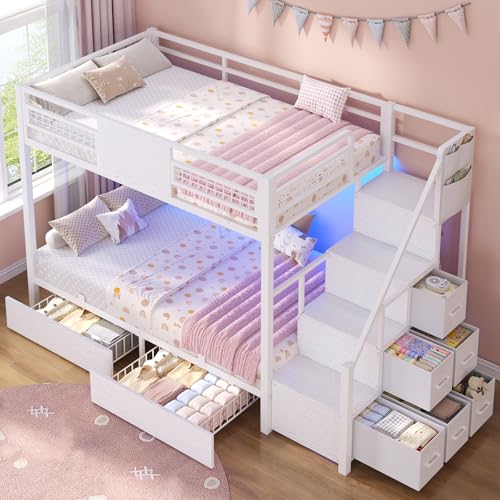
Drawers, storage stairs or shelves? Compare layouts to find the best bunk bed with storage for your room.
A shared kids room or a compact guest room usually fails on storage long before it fails on sleeping space. Clothes, bedding, and toys spread across the floor because the furniture only does one job. The best bunk bed with storage fixes both problems at once, stacking two sleepers over drawers, shelves, or stairs that hold the clutter a dresser would normally take a whole wall to store.
This guide compares the main storage layouts side by side, then walks through the sizes, materials, and safety details that decide whether a frame still works in five years. Start with the product table above to see the frames we compared, then read on for the measurements worth checking before you order.


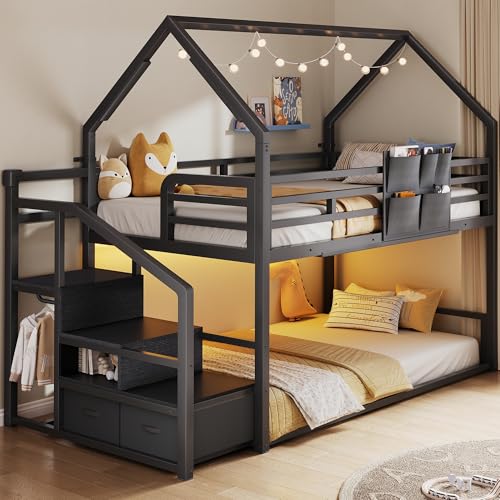
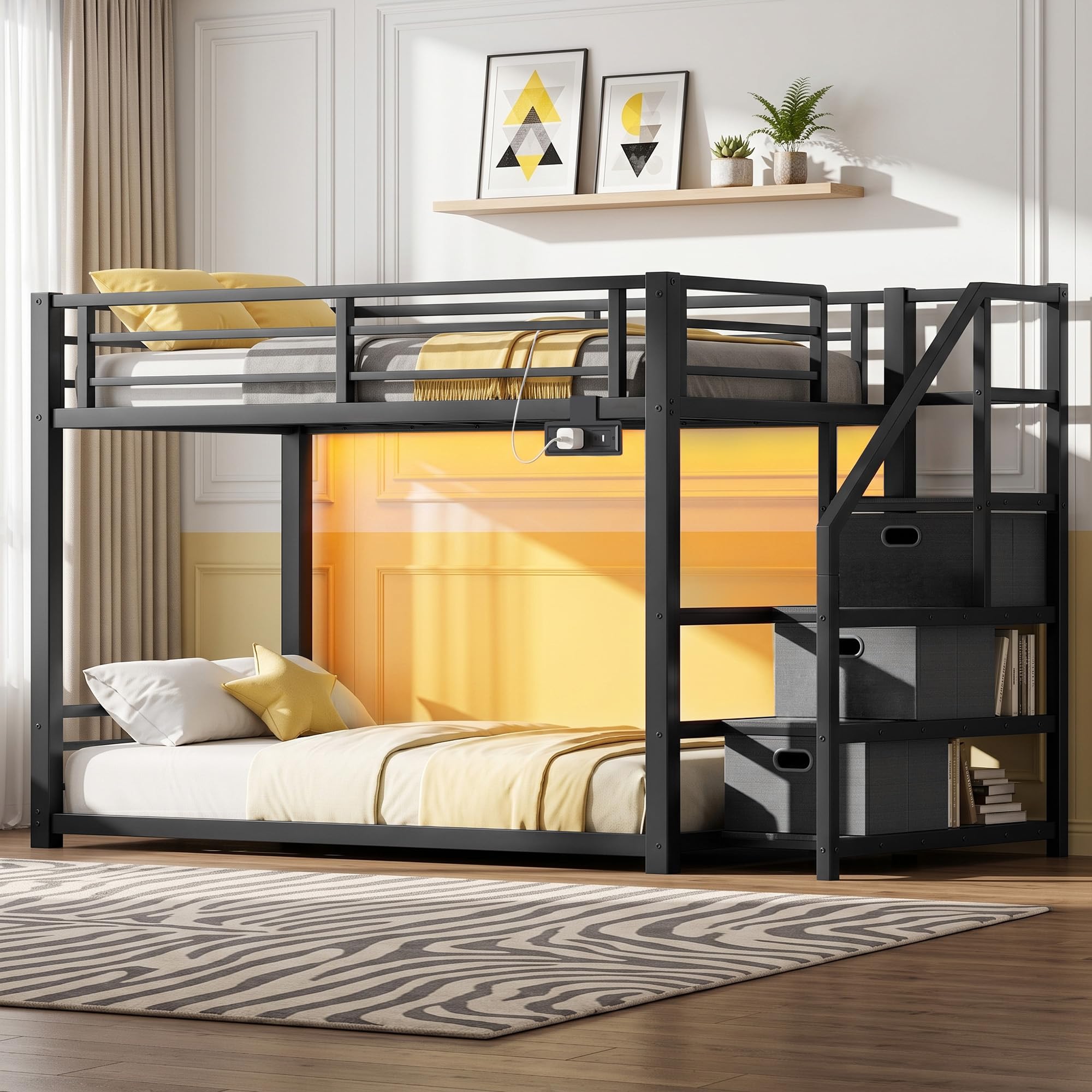

Storage Layouts at a Glance
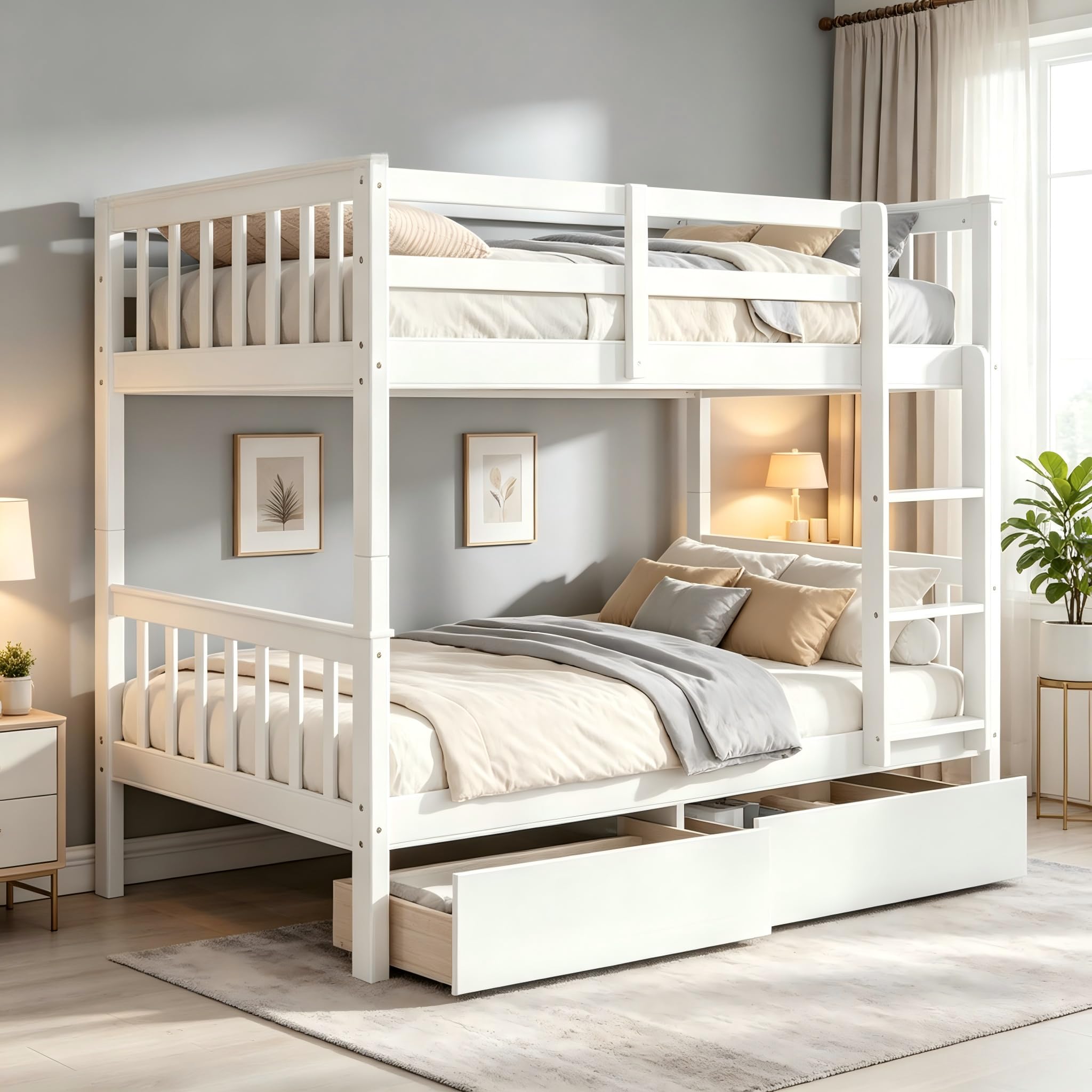
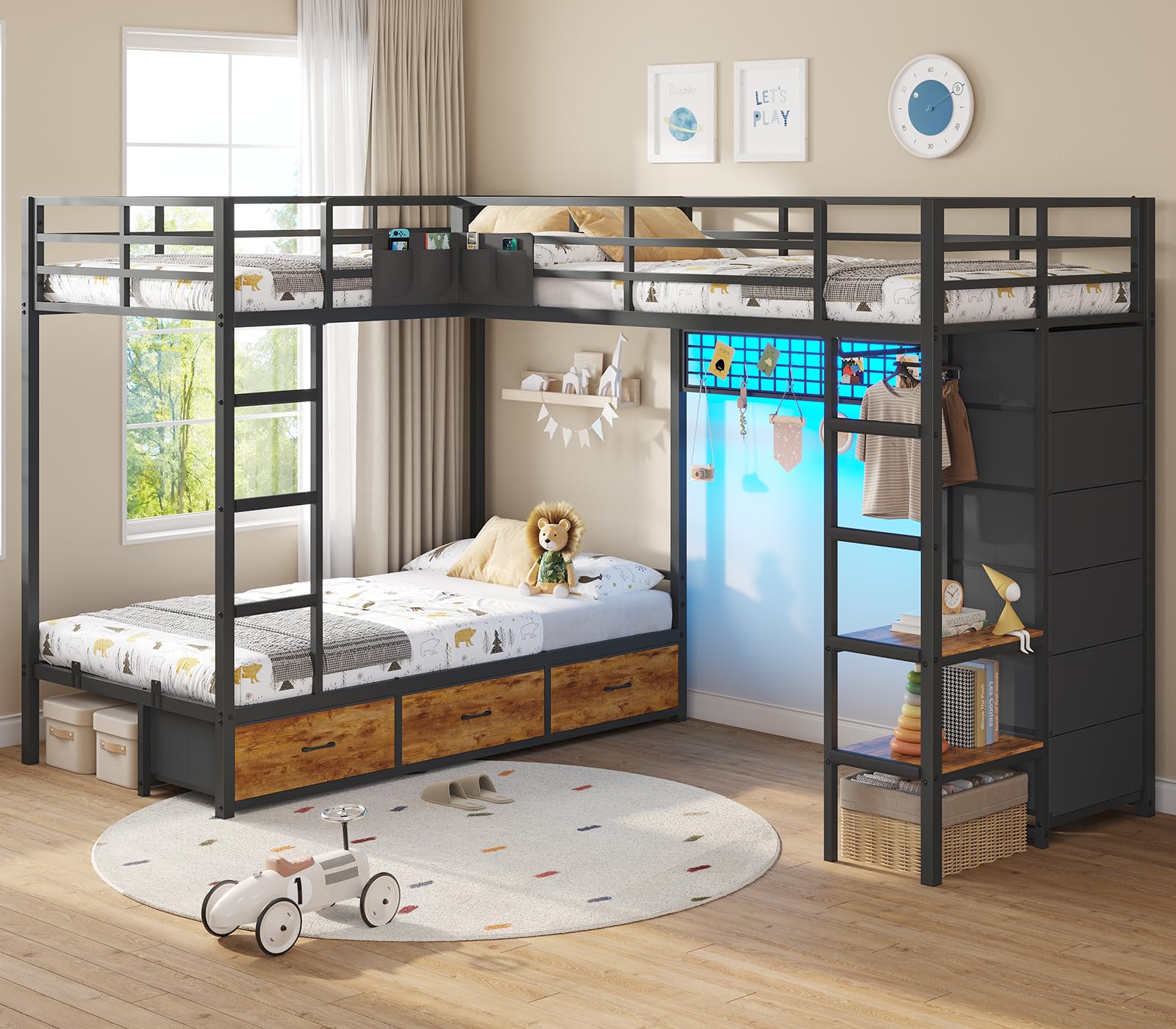
Storage reaches a bunk bed in three main ways, and each one suits a different room. Drawers under the lower bunk use space that would otherwise collect dust and lost socks, and they work in almost any layout. Storage stairs trade a ladder for wide steps with a drawer inside each one, which younger children climb more confidently. Shelves and cubbies built into the headboard or frame end hold books and bedtime items within reach of each sleeper.
Three Storage Layouts Worth Comparing
Instead of ranking individual models, this guide compares the three layout types, since the layout you pick shapes your room far more than any single brand does.
Drawers Under the Lower Bunk
Two or three wide drawers on casters or rails fill the gap beneath the bottom mattress, giving you roughly the storage of a small dresser without adding a single inch to the footprint. This layout suits clothes, spare bedding, and out of season items that you reach for weekly rather than daily. Check the drawer depth before you buy, because shallow drawers that look generous in photos may swallow folded shirts yet refuse a bulky winter blanket. Drawers on smooth rails also beat loose caster boxes, which can drift and jam under the frame.
Storage Stairs
Stairs replace the ladder with three or four broad steps, and each step hides a drawer for shoes, books, or pajamas. The climb feels steadier for younger children and for any child who comes down half asleep at night, and the steps double as a perch for tying shoes. The trade off is floor space, since a staircase extends the frame length by about 18 to 24 inches. Measure your room with that full length in mind, and confirm the stairs can mount on either end if your layout might change.
Shelves and Cubbies in the Frame
Some frames build open shelves into the headboard, the footboard, or a tall end panel, creating a small bookcase for each bunk. This layout keeps nightly items, a water bottle, glasses, an alarm clock, close at hand, which matters most on the top bunk where there is no nightstand. Cubbies store less than drawers, so they complement clothes storage elsewhere rather than replacing it. Look for shelves with a raised lip or a back panel, because items slide off open shelves whenever the sleeper above rolls over and shakes the frame.
How This Guide Compares Bunk Beds With Storage
This guide weighs five criteria drawn from manufacturer specifications and patterns in verified buyer feedback: ergonomics and adjustability, build quality and materials, size and weight capacity, assembly, and warranty. Ergonomics covers the climb, guardrail height, and the room each sleeper gets. Build quality covers joinery and finish. The goal is to show which published specs predict a frame that stays sturdy.
How to Choose the Right Bunk Bed With Storage
Size and Form Factor
Twin over twin is the standard for two children and the easiest fit in a small room. A best twin over full bunk bed gives the lower sleeper more sprawl room, which suits a parent reading in bed beside a child or a teen who has outgrown a twin. A best full over full bunk bed fits older kids and guest rooms but needs a wider wall. Triple and L shaped frames serve three sleepers or odd corners, and queen bunks exist for adults, though storage options shrink at that size.
Frame Type
Beyond size, frames divide by design. Loft beds lift one mattress and free the floor below for a desk or play space, trading the second bed for room to live. Trundle frames hide a third pull out bed under the lower bunk, handy for sleepovers but useless as clothing storage. Low bunks keep the top mattress closer to the floor for younger children and low ceilings. House frames add a pitched roof shape that young kids love, while convertible frames separate into two standalone beds when bunking ends, extending the useful life of the purchase.
Features Worth Paying For
Storage itself is the headline feature, but a few additions earn their cost. A trundle adds a guest bed without a guest room. A small desk tucked under a loft turns dead space into homework space. Stairs, covered above, pay off for younger climbers. A slide looks fun in photos, yet it eats floor space and loses its appeal fast as kids grow, so treat it as a want rather than a need. Prioritize the features your household will still use in three years, not the ones that charm you in the listing.
Body Size and Weight Capacity
Every bunk lists a weight limit per sleeping level, and the lower number is the one that matters. Many frames built for children rate each bunk at about 200 to 250 pounds, which covers a child plus an adult sitting briefly, but not two adults. If grown sleepers will use the bed nightly, shop the best adult bunk bed category instead, where reinforced frames rate each level far higher. Add the mattress weight and the sleeper together when you compare, and leave a margin rather than buying right at the limit.
Adjustability and Fit
Fit decides comfort and safety more than any finish does. Sit up room on the lower bunk should let the sleeper sit without ducking, and about 30 inches between the top of the lower mattress and the underside of the upper frame is a good target. The guardrail on the top bunk must extend at least 5 inches above the mattress surface, so match your mattress thickness to the maker limit, often about 6 to 8 inches for the top bunk. Children under six should not sleep on the top level, per federal safety guidance.
Materials and Durability
Solid wood frames, usually pine or a harder wood on premium models, feel sturdier and can be tightened and repaired over years of use. Metal tube frames cost less and weigh less, which helps if you move often, but thin tubes flex and squeak sooner. Whichever material you choose, look for thick slats spaced close together so the mattress is supported evenly, hardware that bolts into solid material rather than thin panels, and a finish that wipes clean. Storage drawers deserve the same scrutiny, since a flimsy drawer fails before the bed does.
Assembly and Warranty
Expect two people and a few hours for assembly, because the long rails and stair units are awkward to hold alone. Our walkthrough of how to assemble a bunk bed shows the order that keeps a frame square. Before ordering, confirm the maker sells replacement parts such as slats, bolts, and drawer glides, since one lost bolt during a move can idle the whole bed. Warranties on frames commonly run about 1 to 5 years, and longer coverage on the frame itself usually signals thicker materials and better joinery.
How Much Should You Spend?
Basic metal frames with a pair of drawers start under $200, though storage at that price is often a loose box on casters. Solid wood frames with real drawers cluster around $300 to $500, and that band buys the best balance of sturdiness and storage for most families. Staircase models and convertible frames run about $500 to $1000, justified when the stairs serve a young child for years or the frame will split into two beds later. Spend first on frame strength, then on the storage layout that fits your room.
Do You Really Need a Bunk Bed With Storage?
You need one when the room lacks floor space for a separate dresser, which is the common case in shared kids rooms, small apartments, and vacation homes. A bunk with drawers can remove an entire piece of furniture from the room, freeing floor area for play or a desk. If the room already fits a dresser comfortably, a plain bunk costs less and gives you more models to choose from, and separate furniture is easier to replace one piece at a time. Our bunk bed buying guide walks through that wider decision. Storage bunks win on footprint; plain bunks win on flexibility.
FAQ
What is the best bunk bed with storage for a small room?
For a small room, a twin over twin frame with drawers under the lower bunk usually wins, because it adds dresser level storage without growing the footprint at all. Staircase models add length a tight room may not spare. Measure the wall and the swing of the bedroom door before choosing, and remember that drawers need clear floor in front of the bed to open fully, about 24 inches for a deep drawer.
Is a bunk bed with storage worth it?
It is worth it when the built in storage replaces furniture you would otherwise buy and find floor space for. Compare the price gap against a plain bunk plus a small dresser; the bunk often costs less than the pair. It is less worth it if your children already have a large closet with spare room, because then the drawers duplicate storage you own and the premium buys little.
How long does a bunk bed last?
A well built wood frame commonly serves 8 to 10 years, often long enough to hand down between siblings. Lifespan drops when bolts loosen and go unchecked, since a wobbling frame wears its joints quickly. Retighten all hardware about twice a year, and check drawer glides and stair treads at the same time. A frame that still feels rigid after a firm shake at the top rail has years left in it.
Is a bunk bed worth it compared with two separate beds?
Two twin beds need roughly twice the floor area of a bunk, so in a shared room the bunk is usually the only layout that leaves play or study space. Separate beds win when one child is under six, when ceiling height is under about 8 feet, or when a child dislikes heights. Convertible bunks blur the choice, since they stack now and split into two beds later when the room or the children change.
How do you clean a bunk bed with storage?
Vacuum under the lower bunk and inside the drawers monthly, because the low frame traps dust where a regular bed frame would let a broom pass. Wipe wood or metal rails with a damp cloth, and avoid soaking wood joints. Pull the drawers fully out twice a year to clear what has fallen behind them, and check the top bunk rails and ladder rungs for sticky buildup that a quick wipe during sheet changes usually prevents.
What is the most reliable bunk bed brand?
No single brand leads every category, so judge reliability by evidence instead of a name. Look for published weight ratings per bunk, compliance with federal bunk bed safety standards, replacement parts sold openly, and a warranty of several years on the frame. Brands that answer those four points clearly tend to support their beds longer. A maker that hides its weight limits or sells no spare hardware is telling you something worth hearing.
Final Thoughts
Start by deciding where your storage should live: under the bed, inside the stairs, or on shelves at each pillow. Then match the size, weight rating, and materials to the sleepers who will use it nightly. Do that, and the best bunk bed with storage for your home becomes an easy pick rather than a gamble. Use the product table above to compare layouts side by side, and if you want the broader picture first, our guide to the best bunk bed covers frames without built in storage too.