Best Budget Sandals at Every Price: What Your Money Really Gets You in 2026
Disclosure: We may earn a commission when you buy through links on this page, at no extra cost to you. As an Amazon Associate I earn from qualifying purchases. Learn more

See how budget sandals differ by price tier, which cushioning, straps and outsoles are worth paying for, and which extras you can skip with confidence.
Prices for sandals range from a few dollars at a discount rack to well over $100 for pairs built for trails and travel. That spread can make best budget sandals hard to judge, because a low price tag tells you little about strap strength, cushioning or grip. Use the comparison table below to see prices beside the features that matter most.
This guide sorts spending by tier, then by use. You will learn where extra money improves support and durability, where it only buys decoration, and how to match a pair to pavement, water or light trails.




Who Should Buy Budget Sandals?
Start with the surface and distance you repeat most often. A pair that feels fine for a short errand can rub, flatten or slip on a longer walk.
Pavement Walkers Who Cover Miles Each Day
You need cushioning that stays even, straps that do not bite, and a sole that grips wet sidewalks. Prioritize adjustable straps and a firm heel cup over soft padding alone. If most walks are purposeful exercise, see our guide to the best budget walking sandals for longer daily routes.
Travelers and Trail Users Who Pack One Pair
You may walk on cobblestones, boardwalks and short dirt paths in one trip, so versatility matters more than a deep discount. Choose a contoured footbed, a lugged outsole and straps that hold the heel on slopes. For rougher ground, see our guide to the best budget hiking sandals before settling for a flat beach style.
Beach, Pool and Garden Users
Your main risks are slipping on wet tile, straps that stay soggy, and sand trapped underfoot. Look for textured footbeds, synthetic straps that dry fast, and open channels that let water drain away. Rinse grit off after each use to protect straps and skin.
What Each Price Bracket Buys in Straps, Support and Lifespan
Prices below are typical ranges for adult pairs sold in the United States, and sales often move a pair between tiers. Judge the build, not the tag alone. For a broader view, see our guide to the best rated sandals.
Under About $35: Simple Pairs for Light, Short Wear
Expect a flat foam footbed, basic synthetic straps and a thin outsole with shallow tread. That build suits showers, pools, gardening and short errands. The tradeoff is support, because thin foam compresses quickly and offers little control on uneven ground. Buy this tier for occasional use, not daily mileage.
About $35 to $60: Contoured Support for Daily Use
This range usually adds a shaped footbed, better strap padding and at least two points of adjustment. Outsoles grow thicker and use firmer rubber in high wear zones, so grip lasts longer on pavement. Many pairs here balance cost and comfort well for commuting, sightseeing and neighborhood walks. Check plastic buckles closely, a common weak point.
About $60 to $100: Stronger Builds for Travel and Trails
Paying more should bring a durable rubber outsole, a supportive midsole that resists packing down, and straps anchored through the footbed rather than glued on top. The real gain is lifespan and stability on mixed ground, not fashion. If a pair here lacks those upgrades, a cheaper pair may offer better value.
Key Features to Compare
Compare these factors in order. Fit and ground contact come first, because comfort features cannot fix a sliding pair.
Cushioning and Arch Support in Budget Sandals
Cushioning is the foam or molded material under your foot that spreads pressure as you step. A gentle arch rise helps the footbed contact the middle of your foot, so load is not limited to the heel and forefoot. Very soft foam feels kind at first but can bottom out on long walks. For long standing, choose firmer support and a deep heel cup.
Straps and Upper Materials That Stay Comfortable
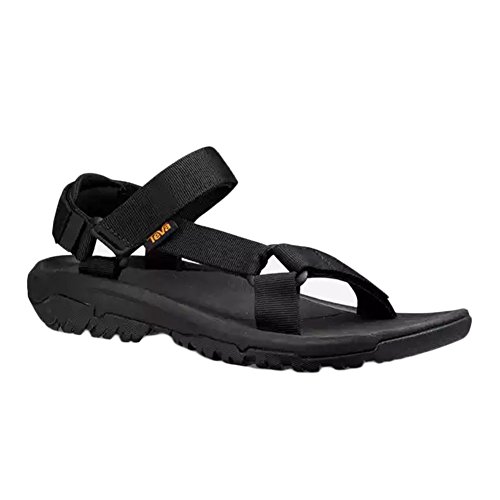
Straps hold the sandal to your foot, so placement decides whether your toes must claw to keep the pair on. Look for padding where straps cross the top of the foot, smooth edges, and adjustment at the forefoot and ankle. Synthetic webbing dries fast and holds shape when wet, while leather looks dressier but needs drying time and can stiffen after soaking. Open design provides the airflow.
Fit, Sizing and Room in the Toe Box
Measure both feet late in the day, when they are at their largest, and match the longer foot to the size chart for that brand. Your heel should sit inside the cup and your toes should not hang over the front edge. A wide toe box lets toes spread on descents and during heat swelling. Between sizes, pick the one that keeps the arch rise under your arch.
Outsole Grip, Stability and Thickness
The outsole is the rubber layer that meets the ground, and its pattern should match your surface. Shallow grooves suit dry pavement, while deeper lugs shed mud and grip loose paths. A wider base and low profile feel steadier than a narrow, tall sole. Flex the pair by hand: it should bend at the forefoot and resist twisting through the middle.
Durability, Water Readiness and Expected Lifespan
A budget pair used daily on pavement may last one warm season to two years. Water ready pairs use synthetic straps, rust resistant hardware and footbeds that release odor once dry. No open sandal keeps feet dry, so judge water use by drainage and drying speed. Rotate two pairs if you walk daily, because foam recovers between wears.
Choosing Sandals for Your Situation
Low Budget Sandals for Occasional Wear
When the lowest price is the goal, spend on strap adjustment and outsole thickness first and skip decorative stitching and metallic finishes. Keep expectations narrow: short walks, water areas and backup wear suit this tier best. Order from a seller with easy returns, because fit problems are harder to correct when straps offer only one adjustment point.
Men's Budget Sandals and Wider Fit Needs
Men shopping on a budget should check width and strap length, not only overall size, because many low priced pairs run narrow and short. Look for a heel strap that adjusts without reaching its end, and an outsole that stays wide under the forefoot. Dark synthetic straps hide scuffs from yards and travel better than pale foam.
Support for Overpronation Without Overspending
If overpronation is a concern, look for a firm heel counter, a supportive arch rise and a sole that resists twisting. Overpronation means the foot rolls inward as you walk, and the right shape can improve comfort during ordinary use. If you have ongoing arch or heel pain, swelling that does not settle, numbness, or pain that changes how you walk, talk with a clinician or podiatrist about your personal needs before increasing wear time.
Common Mistakes to Avoid
Each mistake below costs money or comfort that a lower price cannot repay.
- Buying the softest footbed leaves you with foam that flattens fast and offers little support by midsummer.
- Choosing size from your shoe size alone ignores brand differences and crowds your toes at the front edge.
- Wearing flat beach pairs on rocky trails risks a turned ankle and a torn strap far from home.
- Ignoring return terms strands you with straps that rub once your feet swell in afternoon heat.
- Storing wet sandals in a closed bag encourages odor and weakens glues in the sole layers.
Care and Maintenance for Budget Sandals
Rinse sandals with plain water after beach, pool or trail use, and scrub footbed grooves with a soft brush to lift grit and sunscreen. Wash synthetic pairs with mild soap when odor builds, then air dry them in shade. Keep leather straps away from soaking and direct heat, which can crack them.
Check strap anchors, buckles and sole edges every few weeks during heavy use. Press the midsole: if it stays deeply dented, its support has faded. Stop using a pair with a loose anchor or a separating sole, because a sudden failure during a step can cause a fall.
Sandals: Your Questions Answered
Can I wear budget sandals all day?
Yes, you can wear budget sandals all day if the pair has contoured support, secure straps and a sole suited to your surface. Build up wear time over several days. Carry light socks if a strap starts to rub, so you can protect the spot before a blister forms.
Do budget sandals handle summer rain and wet streets?
Yes, budget sandals can handle summer rain when straps and footbed are synthetic and tread is not worn smooth. After a storm, tip the pair on its side to drain and tuck a dry cloth inside overnight. Leather pairs need a full day of air before reuse.
Are higher priced sandals worth it for daily walking?
For daily walking, a higher price is worth it only when it buys a stronger outsole, firmer support and better strap anchors. Compare cost per season rather than cost per pair, because a pair lasting two summers can cost less over time than two pairs that each fail in one. Branding adds price without walking value.
How often should I replace budget sandals?
You should replace budget sandals when tread under the heel or forefoot is smooth, the outsole cracks, or a strap anchor begins to lift. For daily pavement use, that point often arrives after one to two warm seasons. Keep a retired pair for garden use only, and mark its strap so nobody grabs it for a long outing.
How long does it take to break in new budget sandals?
Most new budget sandals break in over about three to five outings. Wear a new pair indoors first and adjust straps as materials relax. Thin socks help during early walks if an edge feels firm. If a strap leaves a deep red mark lasting more than an hour after removal, the fit is wrong, so return the pair while you can.
Wrapping Up
Match the tier to your mileage first, then check strap adjustment, arch shape and outsole grip before you chase a lower price. A simple pair used occasionally can be a smart buy, while daily walkers save by paying for support that lasts. When you review best budget sandals with those checks in mind, use the product table above to confirm size, materials and current price.