Best Budget Rangefinder Binoculars: Buying Guide for 2026
Disclosure: We may earn a commission when you buy through links on this page, at no extra cost to you. As an Amazon Associate I earn from qualifying purchases. Learn more

Shop smarter for best budget rangefinder binoculars with clear guidance on ranging distance, magnification, glass quality, modes, and weather sealing.
Glass that only shows you a deer, a flag, or a steel target leaves the most important question unanswered: how far away is it? A ranging binocular answers that question in the same glance, so you can judge a shot, plan a stalk, or pick the right club without lowering one tool and raising another. The challenge is that adding a laser and a display raises the price fast, which is why choosing the best budget rangefinder binoculars for your needs takes more care than buying plain glass.
This guide walks through what budget models can and cannot do, the specs that actually change your results, and the fit checks worth doing before you order. Use it with the comparison table below to see where your money should go and where you can safely save.

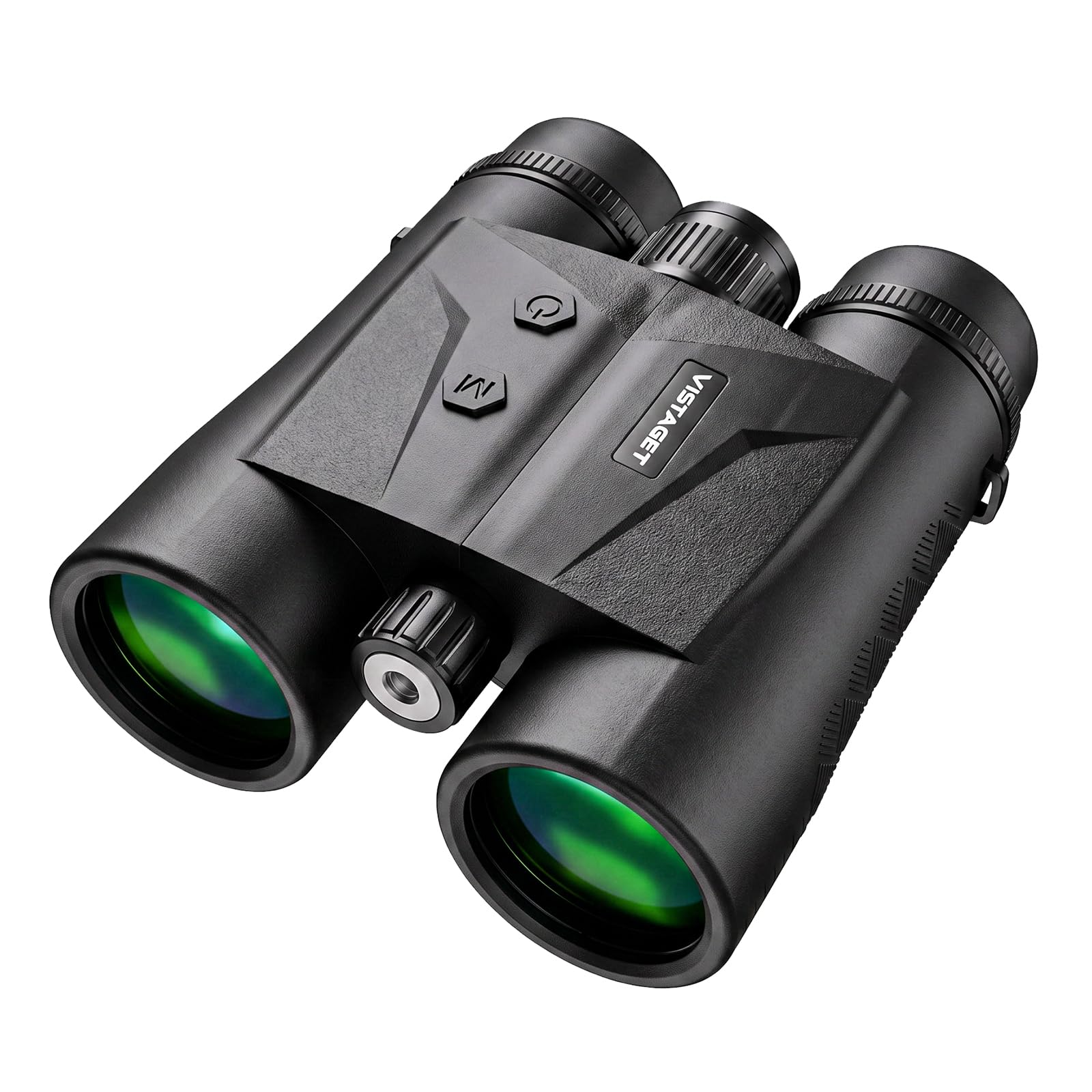
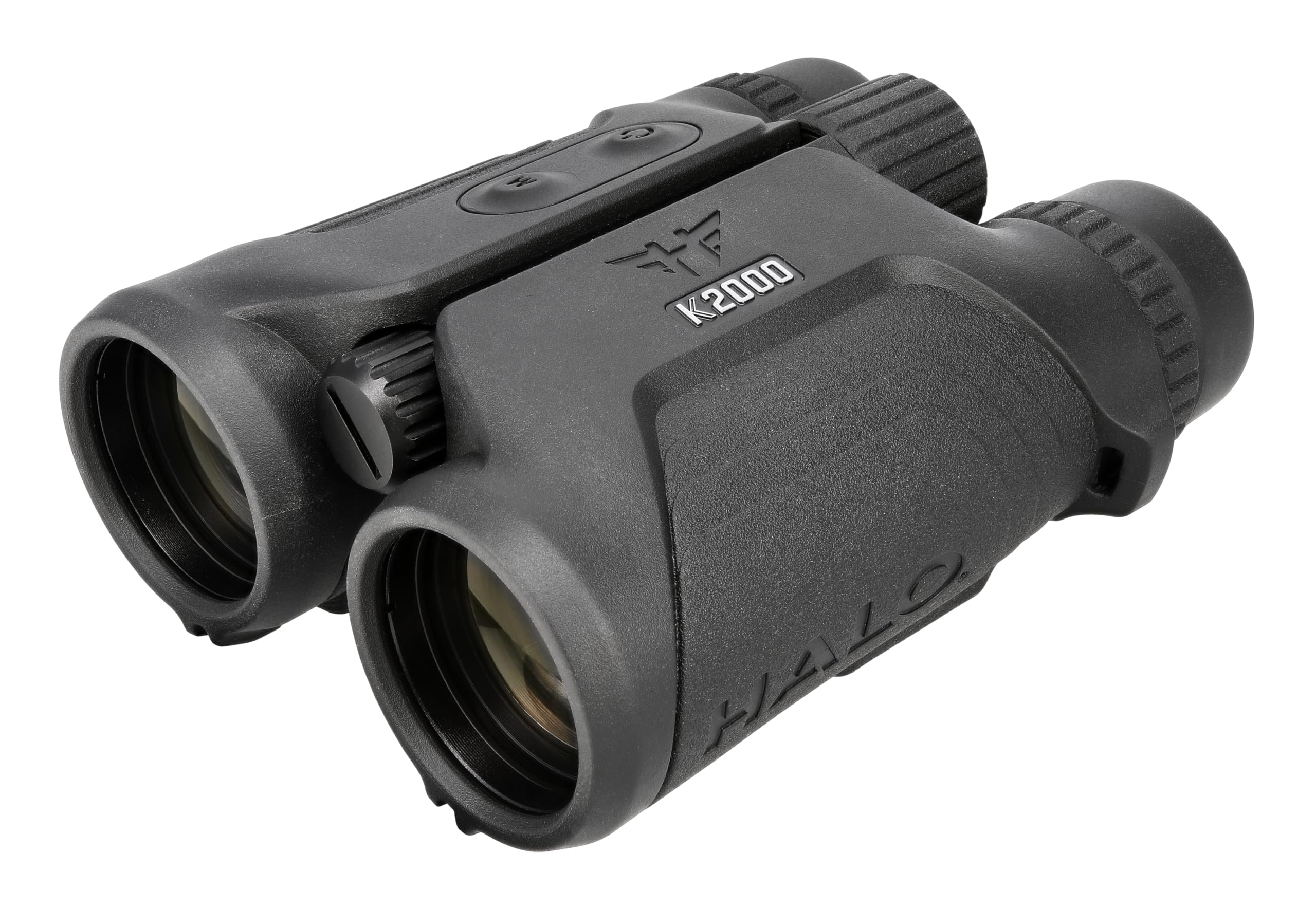
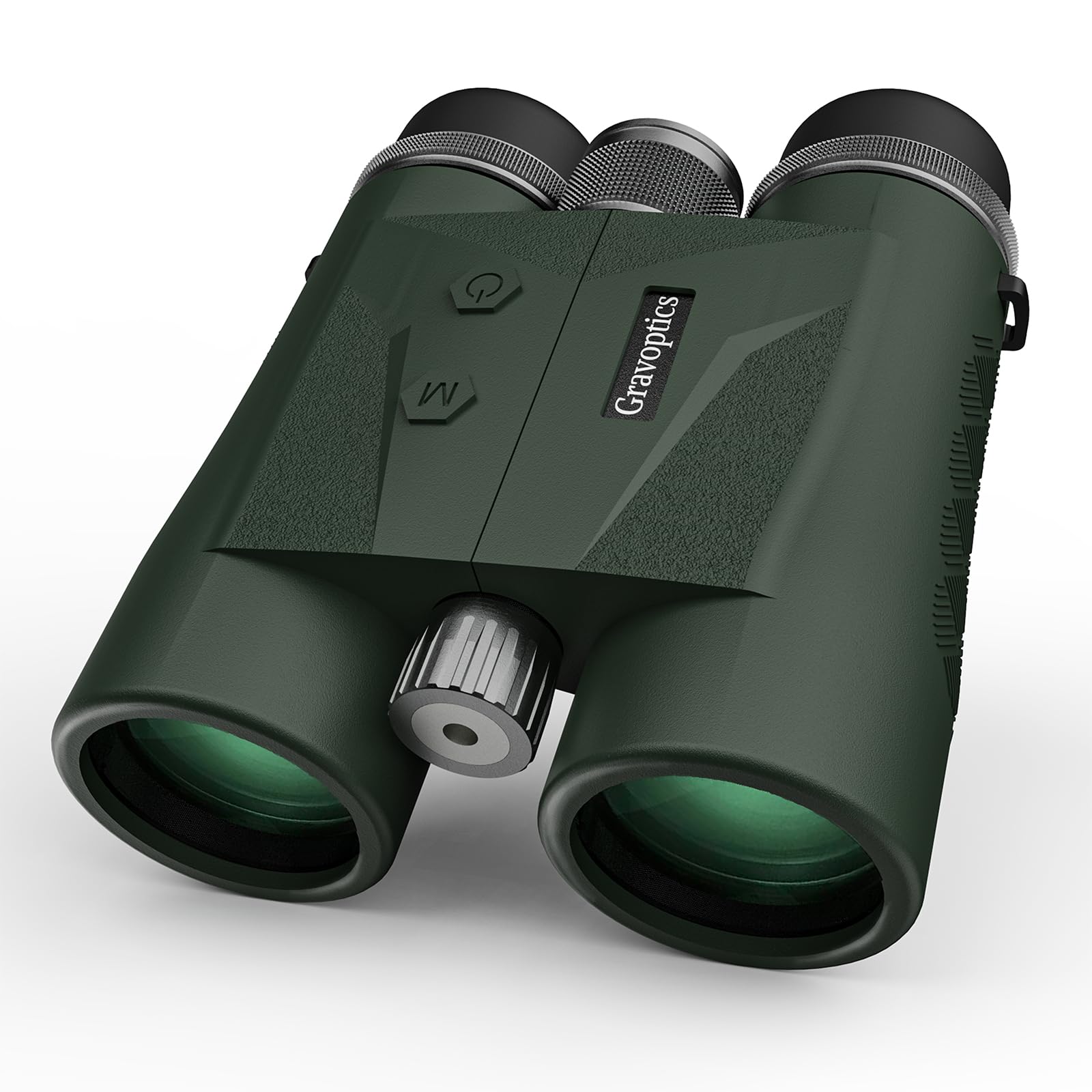
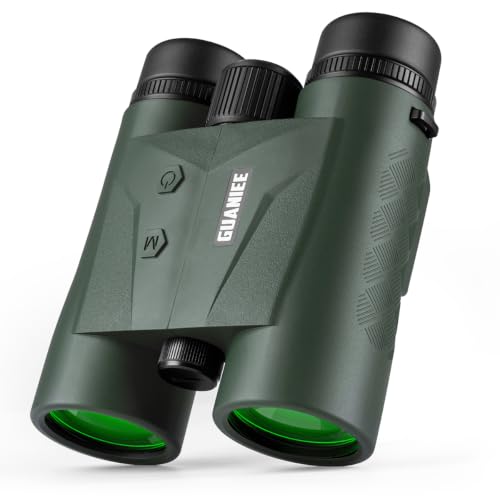
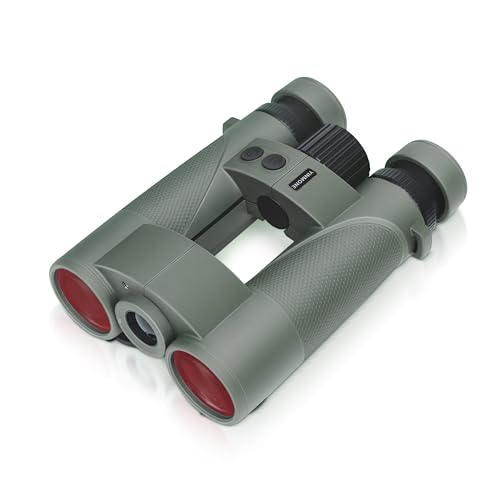


What You Can Realistically Expect on a Budget
Most budget ranging binoculars sell for about $200 to $400, and at that level you get a genuinely useful tool. Expect reliable readings on reflective targets out to roughly 800 to 1200 yards, clear glass for daylight and early morning use, and basic modes that cover line of sight distance plus an angle compensated reading. For hunting inside a few hundred yards or ranging targets on a known distance range, that performance is more than enough.
What you give up is mostly polish. Maximum range figures shrink, readings on dark or distant nonreflective targets may fail sooner, and the display is usually a simple readout rather than a bright adjustable one. Glass coatings are simpler too, so edge sharpness and dusk brightness trail premium models. If your budget can stretch, our guide to the best binoculars with rangefinder across all price levels shows what the extra money buys.
Two things are worth protecting even on a tight budget: honest accuracy and a sealed body. A unit that reads within about one yard at hunting distances and carries a weatherproof rating you can trust will serve you for years. Saving a little more by accepting vague accuracy claims or an unsealed housing usually costs you a replacement later. That balance of accuracy, sealing, and honest range is what separates the best budget rangefinder binoculars from units that only look good on a spec sheet.
Who Should Buy a Budget Ranging Binocular
Hunters Who Cover Ground on Foot
If you still hunt, spot and stalk, or move between stands, carrying one optic instead of two cuts weight and removes the fumble of switching tools when an animal steps out. Budget models handle the distances most deer and hog shots actually happen at, and angle compensation helps on sloped ground. Hunters comparing dedicated setups should also see our guide to the best hunting binoculars with rangefinder for hunting first priorities like dusk brightness and quiet controls.
Birders and Wildlife Watchers Who Want Distances
Knowing that a shorebird flock is 140 yards out or a hawk is circling 300 yards away adds value to a sighting, and it helps you approach without flushing wary birds. A ranging model with close focus and smooth center focus serves double duty here. If distance matters less than feather detail, the picks in our guide to the best budget binoculars for birding put color fidelity and close focus first instead.
Range Shooters, Archers, and Golfers
Target shooters use ranging glass to confirm berm distances and spot impacts with the same optic, while archers value short minimum ranges for close targets. Golfers who also hunt or shoot often prefer one binocular that ranges a pin on Saturday and a target on Sunday. For all three, fast readings and a clear display matter more than extreme maximum range.
Key Features to Compare
Ranging Distance and Accuracy
Manufacturers headline the longest distance the laser can measure, but that figure usually applies to large reflective targets like signs or buildings. Real animals, trees, and targets return weaker signals, so a unit rated far beyond your actual use gives you margin on the shots that matter. Look for stated accuracy of about plus or minus one yard at normal distances, and treat any listing that hides its accuracy figure as a warning sign.
Magnification and Objective Lens Size
The familiar numbers tell you both power and light gathering: 8x42 means eight times magnification through a 42 mm objective lens, while 10x42 magnifies more through the same glass. Higher magnification narrows your field of view and magnifies hand shake, so woods hunters often prefer 8x, while open country and range users lean toward 10x. Larger objectives gather more light at dawn and dusk but add weight, so match the size to when you actually glass.
Glass Quality and Brightness in Low Light
Coatings on the lenses and prisms decide how much light reaches your eyes and how true colors look. Fully multi coated glass is the budget benchmark worth looking for, because each air to glass surface that lacks coating steals brightness and contrast. Prism type matters too: roof prisms keep the body slim, while the image quality at this price depends more on coating quality and careful assembly than on the prism label alone.
Ranging Modes and Angle Compensation
Beyond a simple line of sight reading, useful modes include scan mode, which updates distances continuously as you sweep across terrain, and a target priority setting that helps you pick a deer in front of brush or behind it. Angle compensation converts a sloped line of sight reading into the horizontal distance your shot or club choice should be based on. If you hunt hills or shoot from elevated stands, treat angle compensation as required, and you will find more options compared in our guide to the best budget binoculars for hunting.
Display Readability and Controls
The readout sits inside your view, so it must be legible against both bright sky and dark timber. Budget displays are usually black or red, and red tends to stay readable in dim light. Check whether brightness adjusts, whether the reticle is a simple circle or cross, and whether the ranging button falls under your index finger without shifting your grip. Controls you can run by feel keep your eyes on the target instead of on the housing.
Weatherproof Build, Weight, and Battery
A weatherproof body sealed against rain and internal fogging is close to mandatory for an optic that lives outdoors, and rubber armor helps it survive knocks in a pack. Weight runs heavier than plain binoculars because of the laser and electronics, so compare figures if you carry glass all day. Most models run on a single CR2 lithium battery, and a low battery warning in the display helps you swap cells before a trip.
Compact Models or Full Size Binoculars
Format shapes how the optic feels after an hour of use. Compact ranging models with objectives around 32 mm slip into a jacket pocket and ride lightly on a chest harness, which suits travel, scouting, and long walks. The trade is a dimmer view at last light and a smaller exit pupil that makes alignment with your eyes less forgiving.
Full size binoculars with 42 mm objectives are the safer all around choice for most buyers, because the brighter image and steadier hold pay off every day, not only at dusk. They weigh more, yet a good harness spreads that load well. Remember that plain glass always costs less at the same quality level, so if you rarely need distances, our guide to the best budget binoculars without a laser may fit your wallet better.
How to Check Fit and Ranging Before You Commit
Start with the fit basics you would check on any binocular. Set the barrels so both circles merge into one image, adjust the diopter on the right barrel until the reticle and display look sharp, and roll the eyecups to suit glasses if you wear them. Eye relief of about 15 mm or more keeps the full view visible with glasses on.
Then check the ranging itself in the first days after delivery, while returns are simple. Range a building corner at a distance you can verify on a map, and repeat the reading several times to confirm consistency. Sweep across trees and open ground in scan mode, and check that the display stays readable in both bright sun and shade. Any unit that gives scattered readings on easy targets at modest range should go back.
Common Mistakes to Avoid
- Judging a model only by its maximum range headline, because that number describes ideal reflective targets and not the deer or berm you will actually range.
- Choosing 10x magnification for thick woods, because the narrow view and extra shake make finding and following game harder at close range.
- Ignoring angle compensation for hunting on sloped ground, because line of sight readings overstate the true horizontal distance and skew your hold.
- Skipping the diopter setup, because an unfocused display forces you to guess at digits that should be crisp.
- Buying an unsealed body to save a little money, because one fogged lens on a cold morning can end a hunt before it starts.
- Forgetting to check the minimum ranging distance, because archers and bowhunters need readings at very short ranges that some units cannot provide.
Care and Maintenance for Rangefinder Binoculars
Clean the lenses with a blower first, then a soft lens cloth with gentle circular strokes, so grit never grinds across the coatings. Keep the objective and eyepiece covers on whenever the binocular is in a pack, and store it in a dry padded case at home rather than in a damp vehicle. The laser emitter window deserves the same gentle cleaning as the lenses, since smudges there can weaken readings.
Remove the battery before long storage to guard against leaks, and carry a spare CR2 in your pack during the season. Wipe the housing dry after use in rain before casing it, and check the battery cap seal for dirt so the compartment stays weatherproof. Recheck the diopter and interpupillary settings at the start of each season, because small knocks in storage can shift them slightly.
Frequently Asked Questions
What does 8x42 or 10x42 mean on rangefinder binoculars?
The first number is magnification, so 8x makes a target appear eight times closer, and the second number is the objective lens diameter in millimeters. A 10x42 and an 8x42 gather the same light at the front lens, but the 8x spreads that light over a smaller image, which is why the 8x usually looks brighter and steadier in hand. Choose by terrain first: tighter cover favors 8x, open ground favors 10x.
How far can budget rangefinder binoculars measure accurately?
Most budget models read reflective targets at about 800 to 1200 yards and game sized targets at considerably shorter distances, often inside 500 yards. Accuracy near plus or minus one yard is typical at the ranges hunters and target shooters actually use. Rain, fog, and bright midday sun can shorten effective range, so try your unit in poor conditions before the season rather than learning its limits during it.
Are rangefinder binoculars legal for hunting everywhere?
Laws and competition rules vary by state and by season, and some jurisdictions restrict electronics in optics or treat laser devices differently during archery and muzzleloader seasons. Golf tournaments also limit which features you may use, often allowing distance only readings while banning slope compensation. Check your state regulations and your event rules before relying on any mode, because the setting that is fine for practice may not be allowed when it counts.
Can rangefinder binoculars replace a separate handheld rangefinder?
For most hunters and shooters, yes, because the binocular ranges while you glass, which removes a step when time is short. A dedicated handheld unit still wins on pocket size and on minimum weight for bowhunting or golf only kits. If glass is already on your chest, combining both tools saves space and simplifies your routine.
How long does the battery last in rangefinder binoculars?
A single CR2 battery typically powers thousands of readings, and many users get a full season or more from one cell. Cold weather shortens battery life, and scan mode drains power faster than single readings because the laser fires repeatedly. Watch for the low battery icon during preseason checks, and keep a spare in your pack so a weak cell never decides your day.
Final Thoughts
Buying well in this category comes down to three checks: honest ranging accuracy at the distances you truly use, glass bright enough for your first and last light outings, and controls you can run without looking down. Everything else, from extra modes to finish color, is secondary. Compare the finalists in the product table above against those checks, and the best budget rangefinder binoculars for your hunting, range, or fairway routine should stand out clearly.