
Best Budget GPS Bike Computer: What Actually Matters Before You Buy
Disclosure: We may earn a commission when you buy through links on this page, at no extra cost to you. As an Amazon Associate we earn from qualifying purchases. Learn more
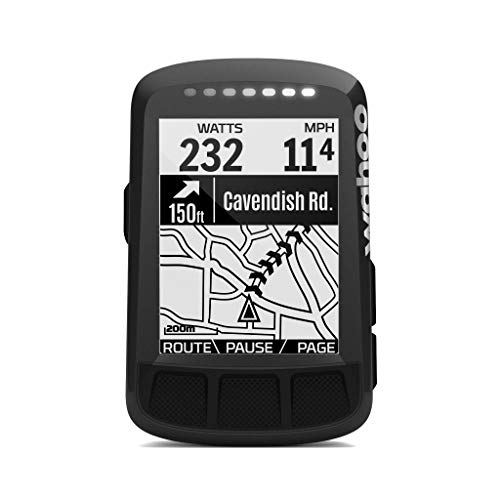
You want ride data, maybe a bit of navigation, and you do not want to spend a mid-range paycheck to get it. That is the spot where a lot of riders end up shopping for the best budget gps bike computer they can find, only to discover the category is full of confusing specs and marketing claims that do not hold up on the road. Some budget units are genuinely good. Others cut corners in ways that only show up after your first long ride in the rain.
In this guide, you will learn which GPS specs actually separate a solid budget unit from a frustrating one, what you realistically give up compared to a premium computer, whether your phone can do the job instead, and the shopping mistakes that waste money at this price point.
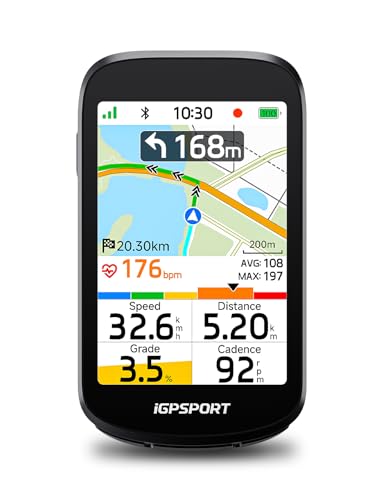
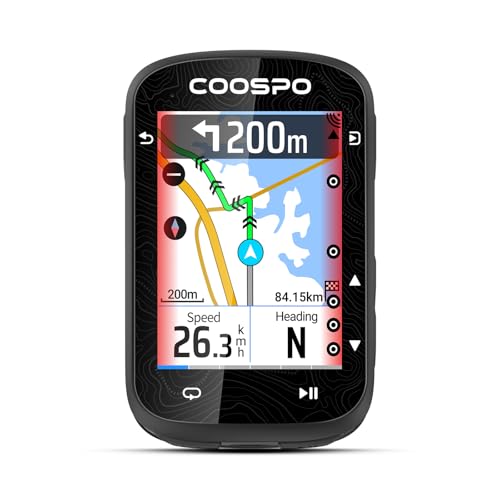
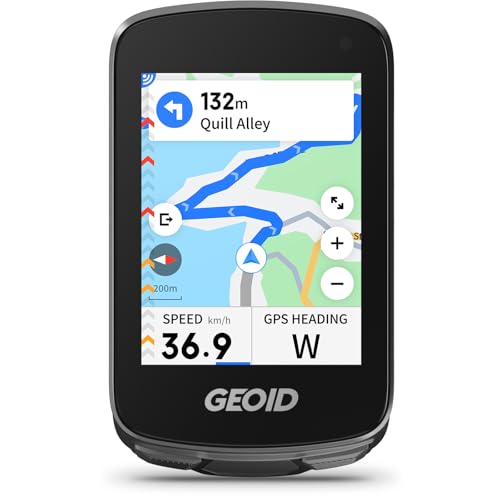
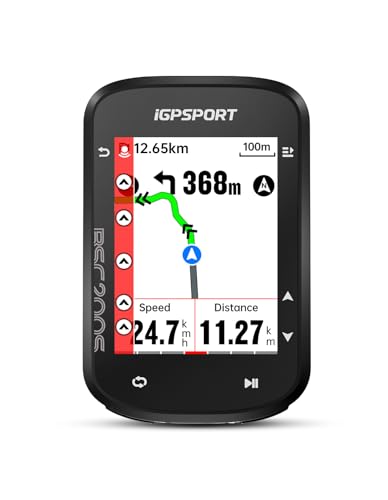
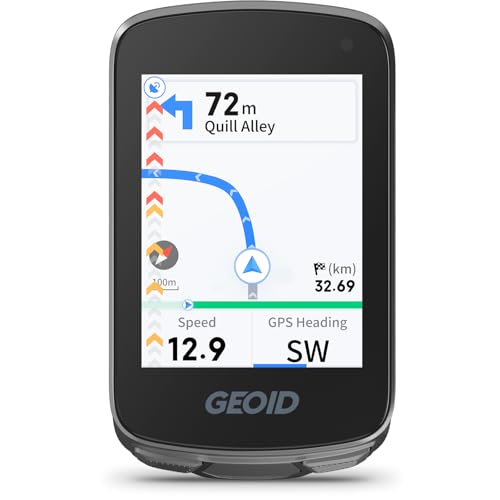

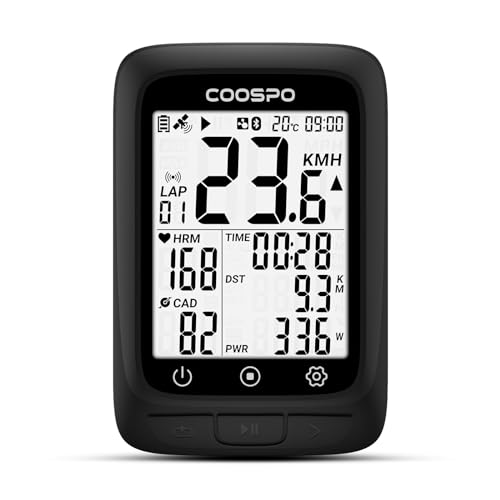

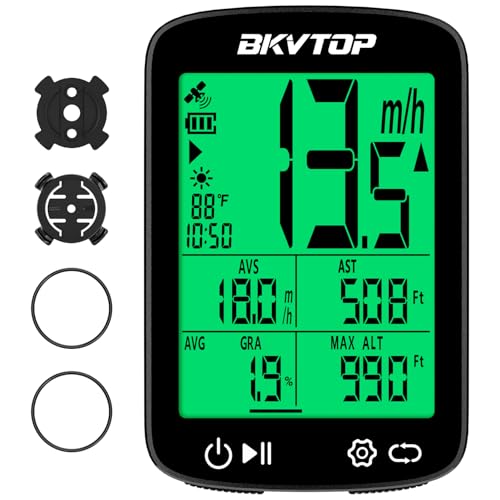
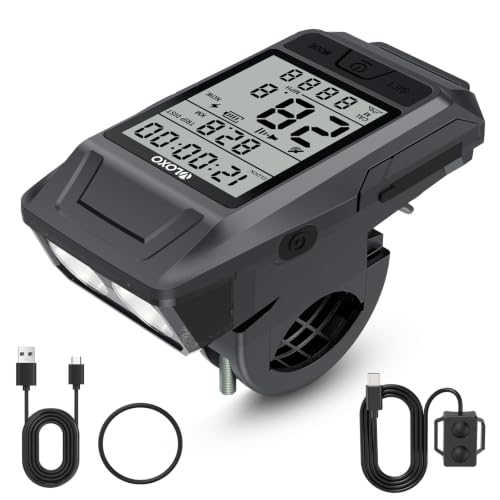
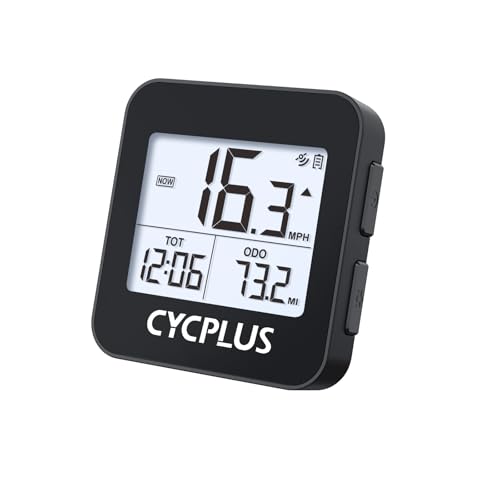
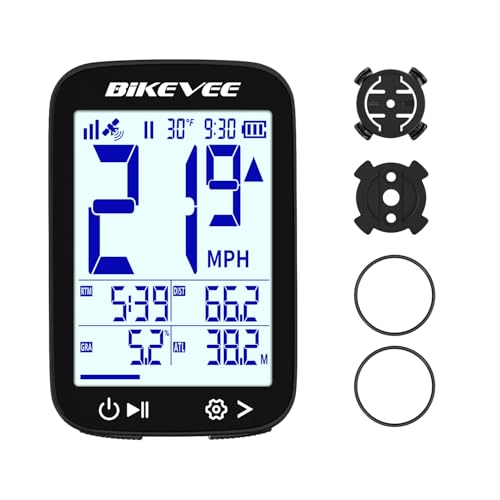
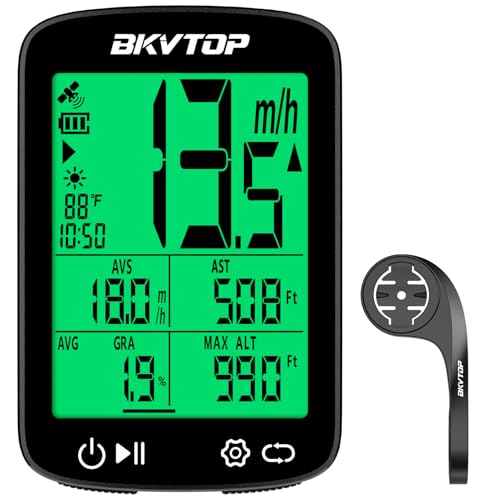
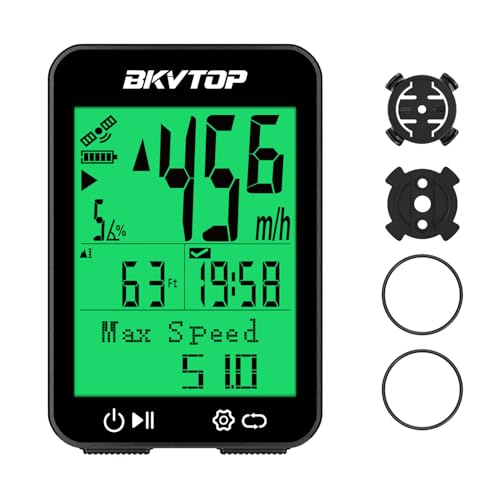
GPS Specs That Actually Matter at a Budget Price
When you start comparing options for the best budget gps bike computer for your riding, most look similar on a spec sheet at first glance. The differences that actually affect your rides live in three areas: satellite performance, real-world battery life, and sensor connectivity.
Satellite Coverage and Lock Time
Cheaper units often support only one or two satellite systems, usually GPS and one regional network. That is fine on an open road with a clear sky. It becomes a problem under tree cover, between buildings, or on winding singletrack, where a single-system unit can take a minute or two to find a signal and then drift off your actual line. Look for a computer that supports at least three constellations (commonly GPS, GLONASS, and BeiDou or Galileo), since that combination locks faster and holds a steadier track when the sky view gets messy. If you mostly ride trails on one of the best mountain bikes under $1000, this matters more than it would for someone riding a straight bike path, since twisting terrain and tree canopy are exactly where a weak GPS chip struggles.
Real-World Battery Life vs the Advertised Number
Best budget gps bike computer listings love to quote big battery numbers, and those numbers are usually measured under ideal conditions: GPS logging at a low frequency, backlight off, no sensors connected. Turn on the backlight, pair a heart rate strap and cadence sensor, and ride with the screen active the whole time, and real-world runtime commonly drops 20 to 30 percent below the claim. A bigger battery rating does not automatically fix this either. Chip efficiency matters as much as raw capacity, so two units with similar advertised hours can behave very differently once you actually load them up with sensors and a bright screen.
Sensor Connectivity (ANT+ and Bluetooth)
Before you buy, check whether the computer supports ANT+, Bluetooth, or both. This decides whether it can pair with gear you already own, or plan to add later, like a heart rate strap, cadence sensor, or a power meter. ANT+ tends to handle multiple simultaneous sensor connections more reliably than Bluetooth alone, which matters if you plan to run more than one sensor at a time. Budget units increasingly support both, but it is worth confirming rather than assuming.
What You Trade Off Compared to a Premium Unit
The best budget gps bike computer is not a smaller version of a premium one with a lower price tag. It is a different product with a narrower feature set, and knowing what is missing helps you decide if the trade is worth it.
The biggest gap is navigation. Most budget units offer breadcrumb-style route following, meaning they show the line you plotted but skip turn-by-turn prompts or full base maps. That is usually enough if you ride familiar routes or plan ahead, but it is limiting if you like to explore unfamiliar roads on the fly. Training-focused features also thin out fast at this price, so expect fewer advanced metrics like detailed climb analysis or recovery tracking. Companion apps for lesser-known budget brands tend to be less polished too, with slower syncing to services like Strava and fewer customization options than the bigger-name platforms offer.
This pattern shows up across budget cycling gear generally, not just computers. The same logic applies if you are weighing something like the best budget cycling glasses: you are not getting a worse version of the premium product, you are getting a smaller, more focused feature set built around the essentials.
GPS Bike Computer or Just Your Phone?
It is a fair question before you shop for a best budget gps bike computer. Your phone already has GPS, a bigger screen, and every cycling app you could want. For casual, shorter rides, that can be enough. But a dedicated computer solves a few problems your phone does not handle well on a bike.
Running GPS continuously on a phone drains its battery fast, often 20 to 30 percent per hour, which turns a long ride into a battery anxiety exercise unless you carry a power bank. Phone screens also wash out badly in direct sunlight, and a touchscreen is genuinely hard to operate with gloves on or while moving. A dedicated GPS bike computer, even a budget one, is built around physical buttons or a screen tuned for daylight readability, sensor pairing that does not compete with your phone's other apps, and battery life measured in hours specifically for cycling use rather than general smartphone use. If you ride occasionally and do not mind checking your phone at stops, it can cover you. If you ride regularly or for longer stretches, a dedicated budget GPS bike computer earns its keep quickly.
Shopping Mistakes That Waste Money on a Budget GPS Unit
A few recurring mistakes show up when people shop for a best budget gps bike computer, and each one is easy to avoid once you know what to check.
- Assuming a higher battery capacity number automatically means longer real-world runtime, without checking how it performs with the backlight and sensors actually running.
- Skipping the connectivity check and buying a computer that cannot pair with a heart rate strap or cadence sensor you already own.
- Ignoring satellite constellation support and ending up with a unit that struggles under tree cover or in cities.
- Choosing based on screen size alone instead of daylight readability, which matters far more once you are actually riding in bright sun.
- Overlooking companion app quality, then getting stuck with a clunky sync process every time you want your ride data on Strava or a similar platform.
None of these mistakes are expensive to avoid. They just require reading past the headline spec before you buy, rather than after.
Frequently Asked Questions
Is a cheap GPS bike computer worth it?
For most recreational riders, yes, the best budget gps bike computer will track distance, speed, and route accurately enough for everyday riding. It only falls short if you specifically need advanced training metrics or full turn-by-turn navigation.
What's the difference between a budget and premium GPS bike computer?
Premium units typically add full mapping and turn-by-turn navigation, deeper training analytics, faster multi-band satellite chips, and more polished companion apps. Budget units cover the core basics, distance, speed, route recording, without those extras.
How accurate are budget GPS bike computers?
Accuracy depends mostly on satellite constellation support. Units that support at least three satellite systems generally track close to premium models on open roads. Accuracy drops more noticeably under tree cover, tall buildings, or on winding trails, especially with single-system units.
How long does a budget GPS bike computer battery actually last?
Advertised battery life is measured under ideal conditions with the backlight off and no sensors paired. In real use, with the screen on and sensors connected, expect actual runtime to land 20 to 30 percent below the advertised number.
Can a budget GPS bike computer navigate routes, or just track them?
Most budget units offer breadcrumb navigation, showing a planned route line on screen, rather than full turn-by-turn directions. That is enough for following a pre-planned course, but it is not the same as spoken or prompted navigation.
Do budget GPS bike computers connect to heart rate monitors and cadence sensors?
Many do, through ANT+, Bluetooth, or both, but support varies by model. Confirm the connectivity standard before buying if you already own sensors, so you are not stuck with hardware that cannot pair with your computer.
Making the Call
The best budget gps bike computer for you is the one that gets the fundamentals right: solid satellite support, honest real-world battery life, and connectivity for the sensors you actually use. Skip the units chasing headline numbers that fall apart once you are actually riding, and you will end up with a device that does its job quietly every time you clip in.