
Best Budget Cycling Glasses: What Actually Matters When You're Watching Your Wallet
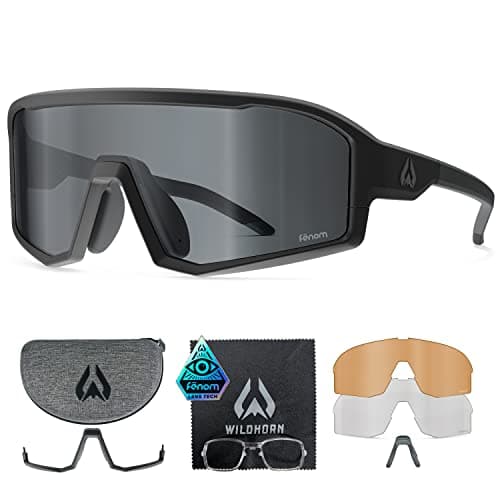
Sixty dollars can feel like a lot to spend on something you might sit on, scratch, or lose on a group ride within the first month. That worry is exactly why so many riders search for the best budget cycling glasses instead of just grabbing whatever pair costs the most. The good news is that a lower price tag doesn't automatically mean weaker eye protection or worse performance on the bike. It does mean a few real trade-offs, and knowing which ones matter will help you spend your money where it actually counts. This guide breaks down what a budget pair still has to deliver, where manufacturers cut costs, and how to pick a durable option without overpaying for features you'll never use.
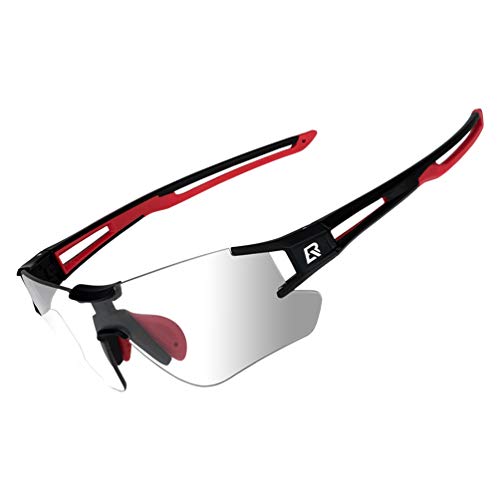
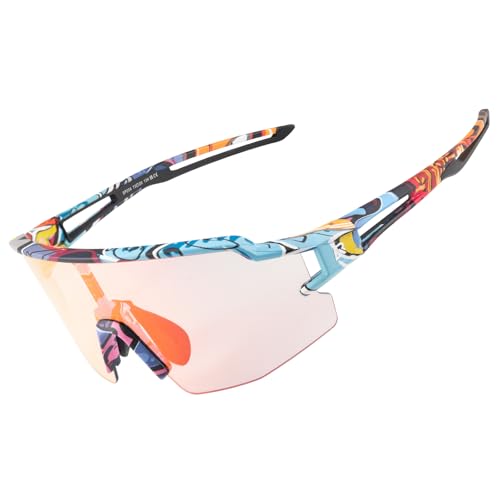
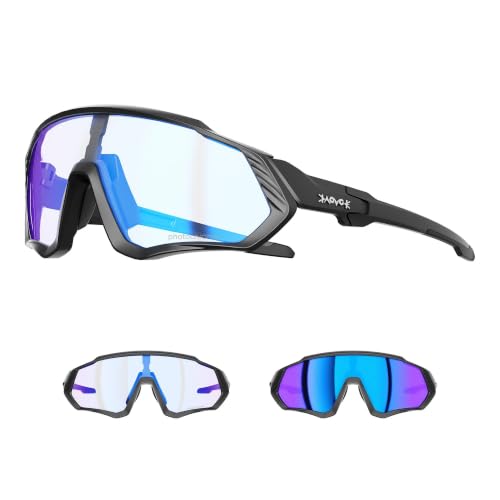
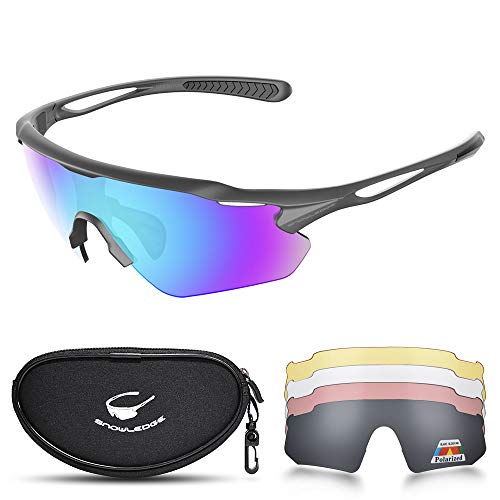
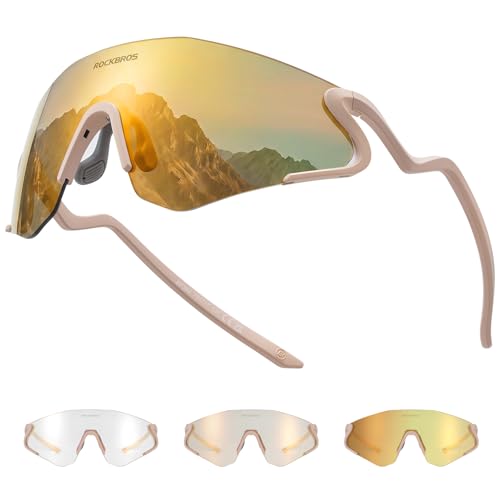
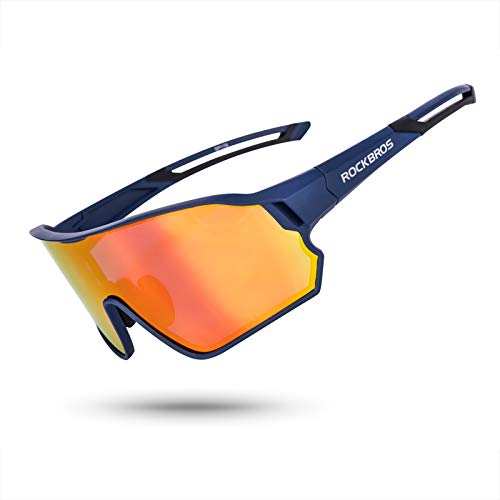
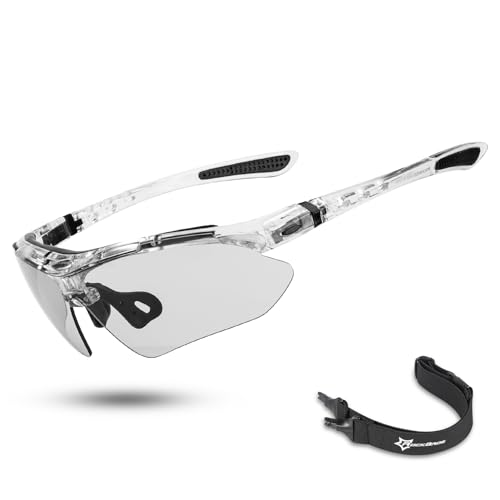
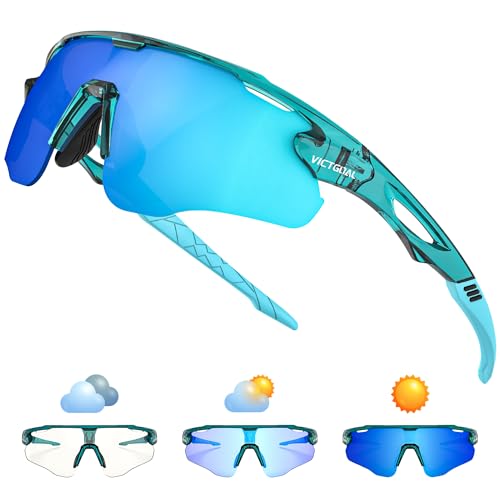
What Budget Cycling Glasses Still Need to Get Right
Price should never be a reason to compromise on eye safety. Whatever you spend, a few basics are non-negotiable, and checking for them takes less than a minute before you buy.
UV Protection Isn't a Feature You Can Skip
Every pair of cycling glasses, regardless of price, needs to block essentially all UVA and UVB rays. This is usually labeled as UV400 protection, and it has nothing to do with lens tint or darkness. A cheap, lightly tinted lens with genuine UV400 protection is a far safer choice than a dark, expensive-looking lens without it, because dark lenses cause your pupils to widen while letting more UV light reach your eyes if the coating isn't there.
How to Sanity-Check a UV400 Claim on a Cheap Listing
Low-cost listings sometimes slap a UV400 label on the product page without much to back it up. Look for the claim printed directly on the lens or temple arm itself, not just in the marketing copy, and favor sellers who list it as a spec rather than a bullet point buried among unrelated features. If a listing has dozens of reviews and none of them mention eye irritation or glare issues after regular outdoor use, that's a reasonable, if imperfect, signal the protection is real.
Where Cheaper Glasses Cut Corners (and Where They Don't Have To)
Shopping for the best budget cycling glasses means understanding what actually changes as price drops, so you avoid paying extra for things that won't improve your ride, while still watching out for the cuts that do matter.
What You're Likely Giving Up
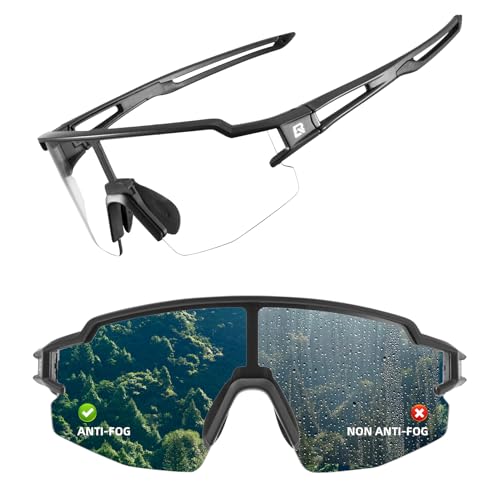
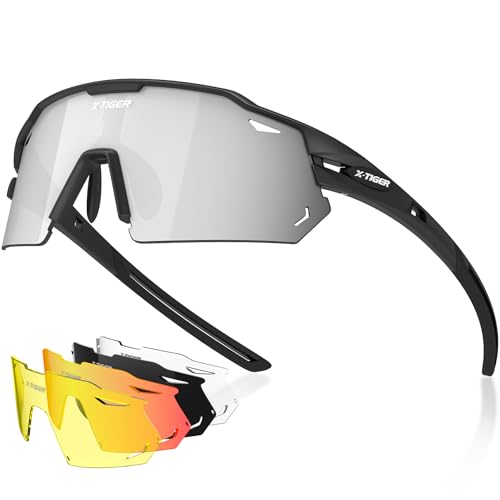
Most cycling glasses across every price range use the same base lens material, so the biggest differences come from how that lens is treated afterward. Budget pairs often skip extra coatings like anti-fog or anti-smear layers, and they rarely include interchangeable lens systems or multiple nosepiece sizes. Frame weight tends to run slightly heavier too, since lighter composite materials cost more to produce.
What Doesn't Actually Need to Cost More
A snug, secure fit and genuine UV protection don't require a premium price. Neither does a reasonably scratch-resistant coating; plenty of inexpensive frames include one, it's just not guaranteed the way it often is at higher price points. If you're comparing two budget options, prioritize the one that lists a coating and a specific UV rating over one that only advertises style or color choices. The same logic applies across the rest of a budget cycling setup, including how you'd approach picking out a road bike helmet on a similar budget: safety fundamentals shouldn't be negotiable, but extras and styling often are.
Choosing One Lens Tint When You Can't Afford a Full Kit
Pricier setups often include interchangeable lenses so you can swap tints as light conditions change. Most budget shoppers don't have that luxury, which makes picking the right single lens more important, not less.
Sunglasses lenses are generally rated on a category scale from 0 to 4 based on how much visible light they block. Category 0 and 1 lenses are nearly clear and suit overcast days or early morning rides, while category 4 lenses are so dark they aren't safe for road use. For a single all-purpose lens, category 2 or 3 offers the best balance, dark enough for sunny rides but light enough that you can still see clearly when clouds roll in or you duck under tree cover. A neutral gray or smoke tint in that range holds up across the widest variety of conditions, which matters a lot when it's the only lens you own.
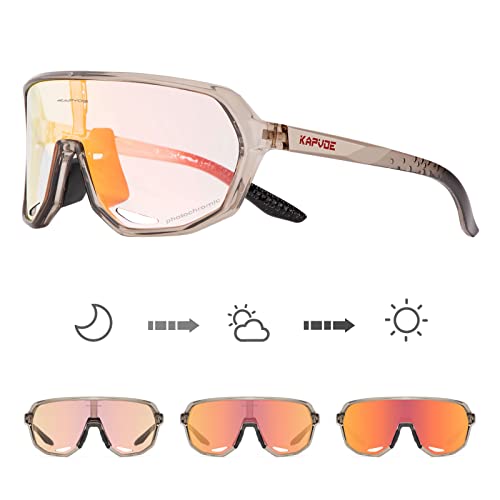
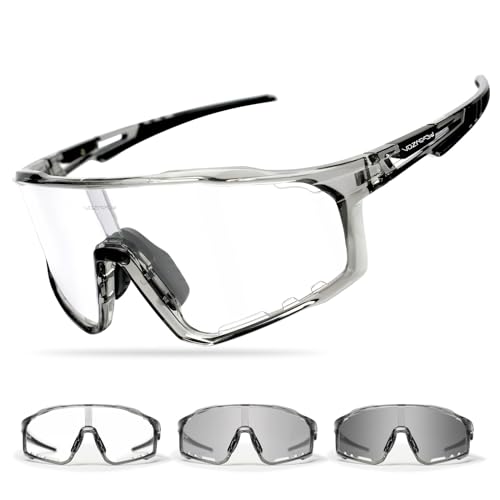
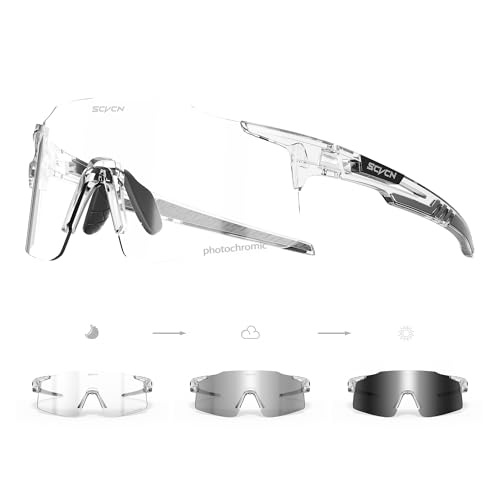
If you eventually want more flexibility, whether that's polarized glare reduction, photochromic lenses that adjust automatically, or a full interchangeable system, that's the point where it makes sense to look at a more advanced setup. Our guide to choosing cycling sunglasses covers those lens technologies in depth if you decide to upgrade down the road.
What to Expect From Frame Durability at This Price
Durability is where budget shoppers run into the most frustration, and it's worth setting realistic expectations before you buy.
Scratching Is the Most Common Complaint
Inexpensive lenses use a slightly softer plastic than premium lenses, partly because that softness helps the lens absorb impact instead of shattering. The trade-off is that soft lenses scratch more easily, especially if you wipe them with a shirt hem or toss them loose in a jersey pocket with keys or tools. A microfiber pouch, even a cheap one, extends the useful life of a budget lens more than almost anything else you could buy.
Signs a Cheap Frame Won't Last
Flex the arms gently before buying if you can, or check reviews for mentions of hinge stiffness if you're shopping online. Frames that feel brittle or crack at the hinge after light pressure usually won't survive being dropped or sat on. Nylon-based or similarly flexible frame materials tend to bounce back from minor impacts, while hard, rigid plastic is more likely to snap. Reviews that mention a pair breaking within the first few rides are a stronger warning sign than a low star rating alone.
Frequently Asked Questions
Are cheap cycling glasses safe for your eyes?
Yes, as long as they carry genuine UV400 protection, which has nothing to do with price. The main risks with budget pairs are cosmetic and durability related, like scratching or a shorter lifespan, not eye safety itself.
What's the real difference between budget and expensive cycling glasses?
Mostly coatings, extras, and comfort refinements rather than core protection. Pricier pairs tend to include anti-fog treatments, interchangeable lenses, lighter frame materials, and better long-term durability, while a solid budget pair still delivers safe, functional performance for regular riding.
How much should you spend on a first pair of cycling glasses?
Somewhere in the twenty to forty dollar range typically gets you a frame with real UV protection, a reasonable coating, and decent build quality. Spending less than that often means gambling on whether the UV claims are accurate, while spending much more mostly buys convenience features you may not need yet.
Do budget cycling glasses fit properly under a helmet?
Most do, since temple arm thickness matters more for helmet fit than price point. Slimmer arms tend to sit better under helmet straps regardless of cost, so check the arm profile in product photos rather than assuming a higher price guarantees a better fit.
How long do budget cycling glasses typically last?
A well cared for budget pair often lasts one to two riding seasons before scratches or wear become noticeable. Storing them in a case when not in use and avoiding tossing them loose in a bag makes the biggest difference in how long they hold up.
Are polarized or photochromic lenses available on a budget?
Yes, though the selection is narrower and the effect is sometimes less refined than pricier versions. Budget polarized lenses still cut glare effectively, and budget photochromic lenses still adjust to light, they just may transition a bit slower or offer fewer tint options than premium alternatives.
Getting the Most Out of a Budget Pair
Finding the best budget cycling glasses for your riding isn't about hunting down the lowest possible price. It's about being deliberate over which features you're paying for, confirming UV400 is real rather than assumed, and treating a lens with a little more care since the coatings that forgive rough handling usually come at a higher price. Get those fundamentals right and a budget pair can serve you just as reliably as something that costs three times as much.