
Best Binoculars for Travel: Budget Bands and What They Buy in 2026
Disclosure: We may earn a commission when you buy through links on this page, at no extra cost to you. As an Amazon Associate I earn from qualifying purchases. Learn more

Compare the best binoculars for travel by budget band, with honest notes on packed size, weight, glass and dawn light so your money buys the view you need.
Travel binoculars run from pocket money prices to sums that rival the flight itself, and the sticker alone says little about what lands in your bag. This guide walks through the best binoculars for travel by budget band, so you can see which upgrades change the view and which ones only change the receipt. The comparison table in the budget band section lines the main size and price classes up side by side.
Every band below is judged on travel terms first: packed size, carry weight, and how the glass behaves at dawn, on water, and from a moving viewpoint. Start with the bag you already own, because that box decides more than any store shelf does.

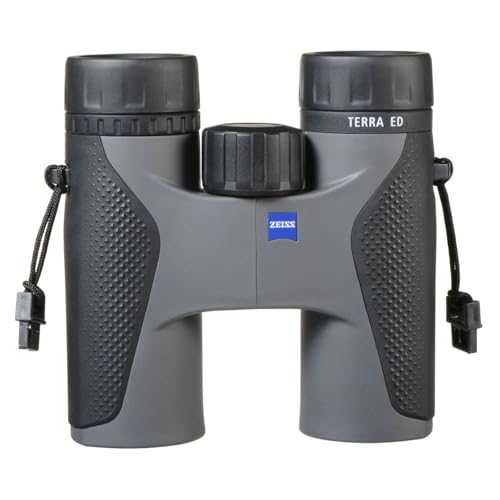
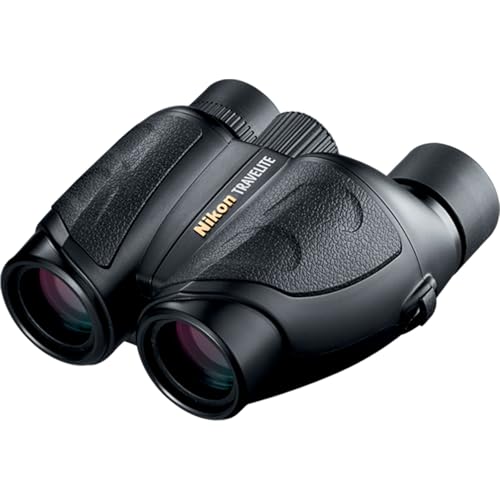


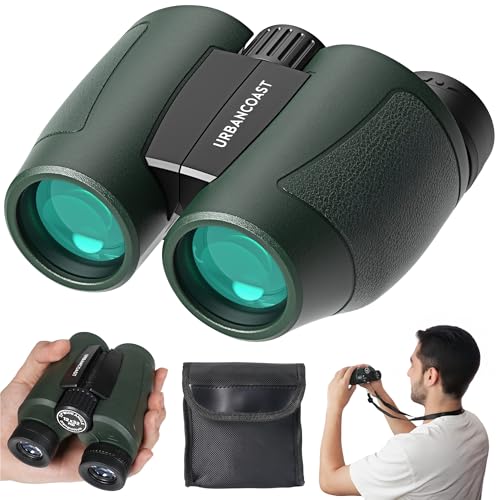
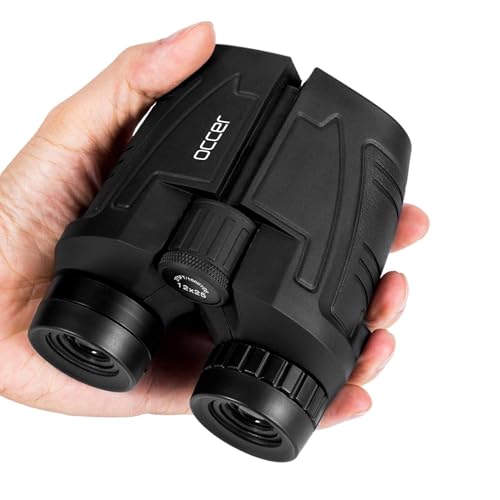


Start With the Bag You Already Pack
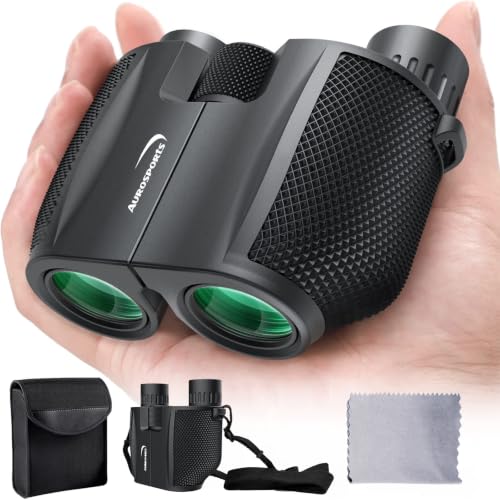
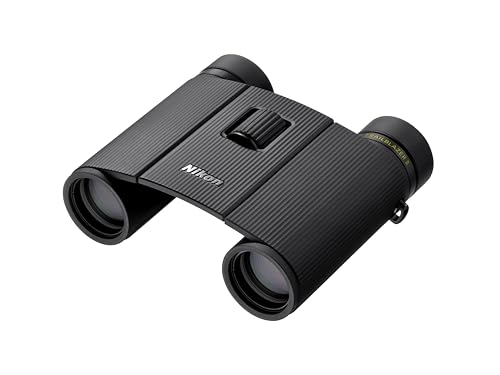
A carry on bag leaves little spare room once shoes, layers, and a wash kit are in, so measure the pocket or corner the binoculars will actually ride in. A folded compact pair takes about the space of a paperback, while a full size pair needs room closer to a water bottle. If the only free space is a jacket pocket, your size class is already chosen for you.
Weight matters in grams you feel by hour six of a walking day. Pocket classes often sit under about 300 grams, mid size travel pairs land near 450 to 600 grams, and full size glass can pass 700 grams before the strap. A heavy glass is a left behind glass, and the pair resting in a hotel drawer has never spotted anything. Choose the heaviest pair you will honestly carry all day, not the one you admire for a minute at home.
The bag itself is a separate purchase with its own sizing rules, and packing guides such as the one covering best backpacks for travel deal with that choice on its own terms. Here the only point is fit: padded corners, a strap that stays put, and a spot you can reach without unpacking at a viewpoint.
The Best Binoculars for Travel by Budget Band
Bands are a sorting tool, not a quality promise, and the boundaries blur as sales come and go. Read each band for the trade it makes, then match the trade to your trip. The comparison table below gives the quick class comparison; the paragraphs explain what the money changes.
Entry Band: Under About $75
This band buys simple glass that works for stadiums, harbor fronts, and a first safari day trip. Expect basic coatings, a narrower field of view, and focus wheels that feel less smooth under your fingers. Compact models dominate here, and the guide to best small travel binoculars shows how much view a pocket sized pair can still deliver. For an occasional trip, this band is a sensible place to start.
Middle Band: About $75 to $200
The middle band is where coatings, sealing, and build quality step up together, and most travelers feel the difference within a minute of looking. Brighter edges, easier focus, and rain safe housings become normal rather than lucky. Travelers who walk all day often land on the pairs covered in the guide to best travel binoculars lightweight, since this band sheds grams without giving up much brightness. For one good pair that serves many trips, start your search here.
Upper Band: About $200 to $450 and Beyond
Above about $200 the gains turn subtle: cleaner edges at dawn, smoother mechanics, and glass that stays easy on the eyes for long sessions. You are paying for refinement and durability more than for extra power. Trips built around distant animals justify this band sooner than city breaks do. If your travel is mostly landmarks and rooftops, the middle band already covers the need.
| Band | Typical size class | Typical weight | What improves most |
|---|---|---|---|
| Under about $75 | Compact, 8x25 or 10x25 | Under about 300 g | Basic view at pocket size |
| About $75 to $200 | Compact or mid size, 8x32 or 8x42 | About 350 to 600 g | Coatings, sealing, focus feel |
| About $200 to $450 | Mid size or full size, 8x42 or 10x42 | About 550 to 750 g | Edge clarity and build |
What Changes as the Price Climbs
Glass and Coatings Set the Brightness
Coatings decide how much light survives the trip through the glass, and better coatings are the main thing the middle band buys. Fully coated optics at entry level give a fair daytime view, while the higher coating classes keep colors truer and contrast stronger near sunset. Judge any pair at the edges of the view, since cheap glass blurs and darkens there first. Brightness you can use beats a spec sheet number you cannot see.
Compact Classes Trade Light for Size
A small objective lens gathers less light, and that trade is the honest heart of every pocket pair. A 25 mm lens is fine at noon on a bright plaza, yet it gives up early and late in the day when animals move and city lights come on. A 32 mm class is the travel compromise many walkers settle on, gathering far more light while still packing flat. Pick the size by the dimmest moment you plan to watch, not by the brightest.
Magnification Without the Shake
More magnification is not automatically better, because the shake in your hands grows with the number too. At 8x most people hold a steady view for minutes, while 10x rewards short, braced looks from a railing or a vehicle door. Anything stronger belongs on a support for travel use. A steady 8x shows more real detail than a trembling 12x, since detail lost to motion never comes back.
Focus Wheel and Eyecups Decide Daily Comfort
A focus wheel you can turn with one finger, even in gloves, saves sightings when a bird or a boat will not wait. Glasses wearers should look for long eye relief and twist up eyecups, since the wrong cups steal the edges of the view. A diopter dial that locks or sits stiffly is worth having, because a dial that drifts in a bag leaves one eye slightly soft all day. These small parts decide whether a pair feels easy by day three of a trip.
Sealing for Rain, Spray, and Dust
Sealed and nitrogen filled housings keep internal fog from ruining a cold morning, and they shrug off drizzle that would spot an open design. Boat days, waterfalls, and dusty roads all argue for this class, and the guide to best waterproof travel binoculars covers the sealed options in depth. Sealing also protects your money, since one fogged pair on a once in a decade trip costs more than the upgrade did. Read the rating wording carefully, as splash proof and submersible are different promises.
Trips That Bend the Rules
A safari week is the one trip where distance and dawn light rule together, and the dedicated guide to best travel binoculars for safari treats that case on its own. Open plains push you toward 10x and a 42 mm lens, and the weight penalty is worth paying there. Back in the city, that same pair feels oversized within a day.
Cruise and ferry days favor sealed compacts, since spray, wind, and quick looks are the pattern. Mountain trips reward the middle band, where grip, cold friendly focus wheels, and a real neck strap matter more than the last degree of edge sharpness. Match the pair to the trip you take most often, and rent or borrow for the rare exception.
Train journeys and stadium days ask for something else again: a wide field and quick focus, because the subject moves and the glass comes up and down all afternoon. A compact 8x pair earns its place here even for travelers who own bigger glass at home. Theater and concert trips shrink the need further, where a tiny low power pair beats a bright one left at the hotel for size.
Choosing Your Band in Five Minutes
Answer three questions in order and the band chooses itself. First, what is the dimmest moment you truly plan to watch: noon plazas point to compact glass, while dawn outings point to a 32 mm or 42 mm lens. Second, where will the pair ride: a jacket pocket caps the size, a day pack allows one step up, and a checked suitcase allows almost anything. Third, how many trips will it serve: one trip argues for the entry band, a decade of trips argues for the middle.
If two answers point at different bands, buy the higher one only when the dimmest moment answer is the one pulling up. Size regrets are visible the moment you pack, while brightness regrets appear once, at the viewpoint, when nothing can be done. Order early enough before departure to exchange the pair if the eye cups or focus wheel feel wrong at home.
Costs Beyond the Sticker Price
A padded case, a wider strap, and lens cleaning cloths add about $15 to $40 to the real cost of any pair. A harness style strap is worth it on long walking days, since a thin cord cuts into the neck by midday. Warranty length grows with the band, and a longer warranty has real value on a product that travels in bags and gets knocked around. Budget the whole kit, not just the glass.
Mistakes That Waste Travel Money
- Buying the highest magnification on the shelf, then fighting hand shake in every view.
- Choosing a full size pair for a trip that lives out of a small day pack.
- Paying for premium glass while skipping sealing, then losing a rainy morning to fog.
- Judging brightness at noon in a bright store instead of at the dim edge of the day.
- Forgetting the strap and case, so the pair rides loose and arrives scratched.
Travel Binocular Questions Answered
Can a travel binocular survive being dropped in a bag every day?
Yes, if the housing is rubber armored and the pair rides in its case rather than loose among chargers and keys. Armor absorbs the small knocks that misalign cheap barrels, and a case keeps grit off the lenses. Check the focus wheel after any hard drop, since a gritty or uneven wheel is an early sign of damage worth a warranty claim.
Is 10x too much for sightseeing from a tour bus?
For most riders, yes, because a moving vehicle adds its own shake on top of your hands. An 8x pair settles faster after each stop and shows buildings and landscapes without the view swimming. If the bus pauses at viewpoints, brace your elbows on the window frame and the higher power becomes usable for short looks.
How do I keep travel binocular lenses clean on the road?
Blow loose grit off first, then use a microfiber cloth with a drop of clean water if needed. Wiping dry sand across a lens is what scratches coatings, so patience matters more than pressure. Keep the caps on during transit, and store the pair away from sunscreen and insect spray, which can mark coatings and rubber.
Should travel binoculars have a tripod mount?
Only if you plan long, still sessions such as watching a harbor at dusk from a balcony. Most compact and mid size travel pairs lack the socket, and most travelers never miss it. A small adapter and a mini tripod add weight fast, so treat the mount as a special need rather than a standard feature.
What does a wider field of view help with on a trip?
A wider field helps you find and follow moving subjects, from parade floats to dolphins beside a ferry. It also makes scanning a skyline or a stadium feel calmer, since less of the scene jumps at the edges. Field width shrinks as magnification rises, which is one more reason the 8x class suits general travel so well.
Final Thoughts
Decide by band, then by bag: the entry band serves occasional trips, the middle band suits most travelers for years, and the upper band rewards dawn and distance work. Keep the optics honesty rules in mind, favoring steadiness, useful brightness, and a weight you will carry. The best binoculars for travel for you are the pair that fits your bag, your budget, and your dimmest planned moment, so compare your shortlist against the product table before you order.


