Best Budget Binoculars Under $50 in 2026: How to Choose Well
Disclosure: We may earn a commission when you buy through links on this page, at no extra cost to you. As an Amazon Associate I earn from qualifying purchases. Learn more

Compare best budget binoculars under $50 by magnification, lens size, field of view and coatings, with a clear checklist for birding, travel and games.
Binocular prices climb quickly, but most casual viewing does not need costly glass. The best budget binoculars under $50 can show birds in a backyard tree, players from high seats and boats across a lake. Spend on the optics you will notice, skip extras you will not, and use the comparison table below to weigh those choices.
Start with how you will use the pair most often. Distance, light and carrying time change which size and power suit you, so the sections below match uses to magnification, lens size, field of view and build.
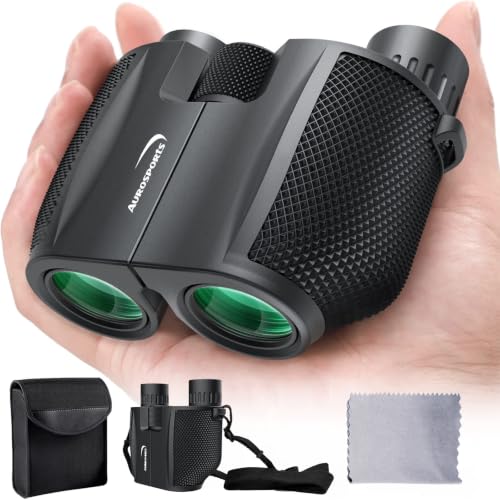

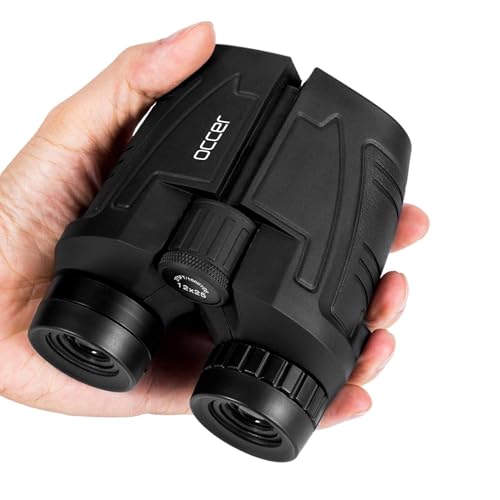


Who Should Buy Budget Binoculars Under $50?
Choose by your main outing, because the best size for a stadium seat is rarely best for a woodland trail.
Bird Watchers Learning Identification on a Budget
You watch feeders and local trails, and you need detail to separate similar species by color and markings. An 8x42 pair gives a wide, steady view that makes small birds easier to find. If birding becomes your main hobby, see our guide to the best budget binoculars for birding for close focus and dawn viewing needs.
Hunters Who Want a Spare Pair for Camp
A low cost spare earns its place in a truck box or camp kit where loss and knocks are real risks. Choose 10x42 for scanning open ground at first and last light, and accept a narrower view than an 8x pair gives. For scouting focused advice, see our guide to the best budget binoculars for hunting.
Travelers, Hikers and Families Sharing One Pair
You carry the pair for hours and pass it between people with different eyes and hands. A compact 8x32 or 10x25 weighs less in a day pack and suits sightseeing, wildlife stops and school games. Pick a center focus wheel that children and adults can both turn easily, plus a wide neck strap.
Key Features to Compare
When you shop for best budget binoculars under $50, judge the basics in a fixed order, and use our guide to the best budget binoculars to see how this cap compares with the wider budget market.
Choosing Between 8x42 and 10x42 at This Price
The first number is power, so 8x makes a subject look eight times closer, and the second number is the front lens width in millimeters. An 8x42 view is steadier and brighter than a 10x42 view, while 10x42 shows more detail at long range but magnifies hand shake. Compact lenses gather less light and suit bright days. For most buyers, 8x42 is the balanced starting point.
Field of View and Close Focus Distance
Field of view is the width you can see at 1000 yards, often about 300 to 370 feet for an 8x42 pair. A wider field helps you locate a bird, a ball or a boat quickly and keep it in frame as it moves. Close focus is the shortest distance that still focuses sharply, often about 6 to 10 feet. A shorter close focus matters if you watch butterflies from a porch.
Eye Relief, Focus Wheel and Diopter Adjustment
Eye relief is the distance your eye can sit from the rear lens and still see the full picture, and glasses wearers usually want about 14 mm or more. Twist up eye cups help both groups, since glasses users leave them down and others raise them. The center wheel should turn smoothly with one finger. A diopter dial lets you match the pair to a difference between your two eyes.
Prism Type and Lens Coatings at This Price
Most pairs here use roof prisms for a straight, compact body or Porro prisms for a wider body that can offer strong value. BaK 4 prism glass generally gives a cleaner edge than BK 7 glass. Coatings cut reflections that steal light and contrast. Fully coated is the basic level and multi coated is better, while fully multi coated is uncommon at low prices, so treat bold claims with care.
Size, Weight and Carrying Comfort
A standard 42 mm pair often weighs about 1 to 1.5 pounds, while a compact pair may weigh under 1 pound. That gap feels small in a shop and large after a mile of walking or an hour at a game. Short trips forgive extra weight. Long hikes, travel days and smaller hands point you toward compact sizes.
Water Resistance and Fogproof Sealing
Sealed pairs resist rain and splashes, and nitrogen filled bodies resist internal fog when you move from a warm car into cool air. At this price, sealing varies, so look for clear wording about waterproof and fogproof construction. Even a sealed pair should not be left soaking or stored wet. If you view near water often, give this feature priority over extra power.
What Each Price Step Under $50 Actually Buys
Small price steps change coatings, sealing and build more than power. If you feel tempted to stretch, see our guide to the best binoculars under $100 to judge what a larger budget adds.
About $20 to $30: Basic Optics for Occasional Use
Expect simple coatings, modest sealing and mostly compact or basic Porro designs at about $20 to $30. Views are fine in daylight, but edges can look soft and dim light reveals the limits. This step suits occasional use, a spare pair for guests, or a first pair for a child learning careful handling.
About $30 to $40: Brighter Views for Regular Outings
At about $30 to $40, listings more often add multi coated lenses, BaK 4 prisms and rubber armor that absorbs knocks. An 8x42 or 10x42 at this step is a sensible main pair for weekly walks, youth sports and vacation viewing. The center of the view is usually clear, even though edge clarity still trails costlier glass.
About $40 to $50: Stronger Sealing at the Top
The top step, about $40 to $50, is where waterproof and fogproof 42 mm models become common, along with better eye cups and smoother focus wheels. Spend here if you view at dawn, near water or in changing weather. The gain over the middle step is modest, so buy this step for build and light, not for bigger power numbers.
Ownership Costs Beyond the Low Purchase Price
Binoculars need no fuel, no batteries and no subscription, but the purchase price is not the whole cost. Budget about $5 to $15 for a padded case, a better neck strap and a cleaning cloth. A stated warranty also has value, since fixing a focus fault can cost more than the pair is worth.
Common Mistakes to Avoid
Most regrets at this price come from chasing one number and ignoring the rest of the view.
- Choosing 12x or higher power for every use makes hand shake spoil the extra detail.
- Ignoring eye relief leaves glasses wearers seeing a small circle instead of the full view.
- Buying a compact 25 mm pair for dawn viewing gives a dim image in weak light.
- Trusting huge zoom claims on a fixed power pair leads to disappointment and a return.
- Skipping the diopter setup leaves one eye slightly soft and causes avoidable eye strain.
Care and Maintenance for Budget Binoculars
Blow loose dust off the lenses before you wipe them, because grit dragged across a coating can leave fine scratches. Use a clean microfiber cloth with light pressure, and keep household sprays and shirt fabric away from the glass. Caps belong on the lenses in a bag.
Let a wet pair dry at room temperature with the caps off, then store it in a dry place away from direct heat. Check strap anchors, hinge tension and the focus wheel every few months, and stop using a pair that shows a double image after a drop until a professional can judge it.
FAQ
Can you get good binoculars for under $50 for regular outings?
Yes, you can get good binoculars for under $50 for regular outings if your needs are casual and your light is decent. Expect a clear center view and basic sealing rather than refined edges. A useful test on arrival is reading a distant street sign in shade, where weak pairs struggle first.
What does 8x42 or 10x42 mean on budget binoculars?
On budget binoculars, 8x42 or 10x42 means the power followed by the front lens width in millimeters. The extra point is exit pupil, found by dividing lens width by power, so 8x42 gives about 5.25 mm. A larger exit pupil feels easier on your eyes in shade and at dusk.
How much should a first time buyer spend on binoculars under $50?
A first time buyer should usually spend about $30 to $40 on binoculars under $50, in the middle step of this range. That level buys coatings and build you can feel without paying for small top step gains. Spend the change on a padded case and a day outdoors using the pair.
What specs matter most for beginners choosing budget binoculars?
For beginners choosing budget binoculars, moderate power, a wide field of view and a smooth focus wheel matter most. One point rarely printed clearly is weight distribution, since a balanced pair feels lighter during long viewing than a front heavy pair of the same weight. Choose the pair that feels calmer in your hands.
Which budget binoculars are better for low light viewing?
Budget binoculars with 42 mm or 50 mm front lenses and 8x power are better for low light viewing than compact high power pairs. Dawn and dusk also reward restraint with the focus wheel, since small turns matter as contrast falls. Shade your eyes from a bright sky when you can to cut glare.
Is a smartphone enough instead of budget binoculars for distant viewing?
No, a smartphone is not enough instead of budget binoculars for distant viewing beyond casual snapshots. Phone zoom mostly crops and enlarges pixels, while binocular lenses gather real detail with both eyes at once. A phone still helps later, since you can note the location and compare markings in a field guide app.
The Bottom Line
Match the pair to your main outing, favor 8x42 for balance, and spend near the top only for sealing and coatings you will use. Check eye relief if you wear glasses.
Used with the product table above, those checks make the best budget binoculars under $50 a straightforward buy. Pick the pair that fits your light, your hands and your carrying habits.