Best Budget 8x42 Binoculars: A Practical Buying Guide for 2026
Disclosure: We may earn a commission when you buy through links on this page, at no extra cost to you. As an Amazon Associate I earn from qualifying purchases. Learn more
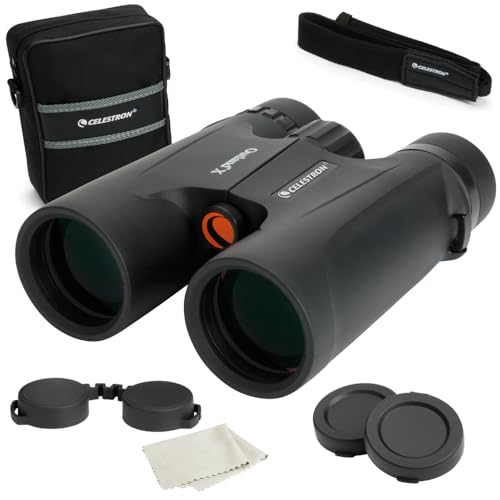
Compare the best budget 8x42 binoculars by glass quality, field of view, eye relief, and weight, and learn what your money really buys before you order.
The 8x42 size is the one most people reach for first, and for good reason. Eight power magnification keeps the view steady in your hands, while 42 mm objective lenses gather enough light for dawn, dusk, and shaded woods. If you want the best budget 8x42 binoculars for your money, the real work is sorting honest glass and solid construction from spec sheet padding.
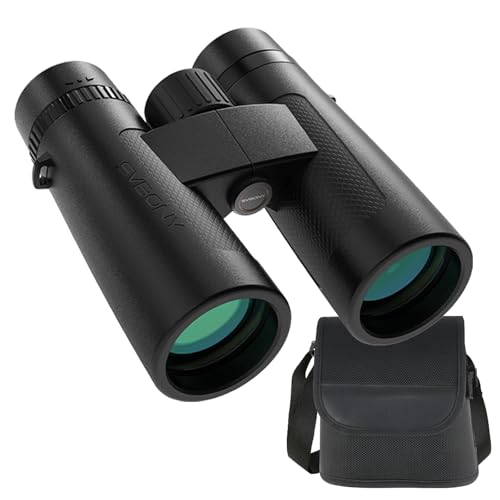
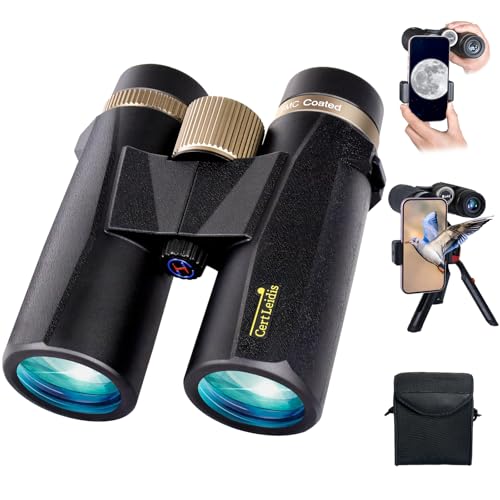
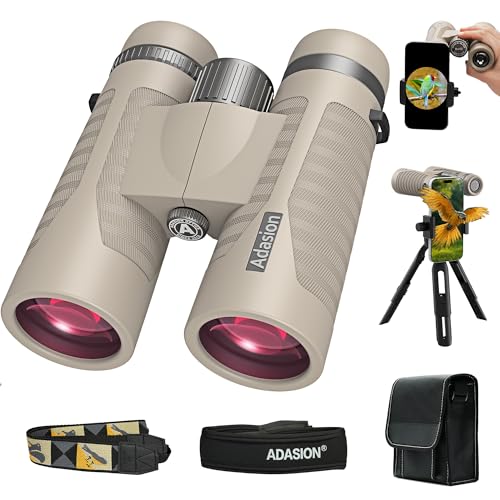
This guide walks through the features that actually change what you see, the corners that low priced models tend to cut, and the buying mistakes that lead to returns. Use the comparison table below to line up the current options side by side, then read on to learn which specs deserve your attention and which ones you can safely ignore.


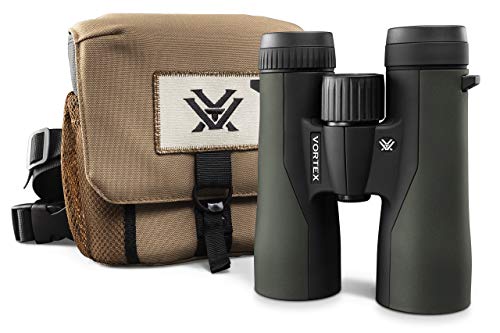
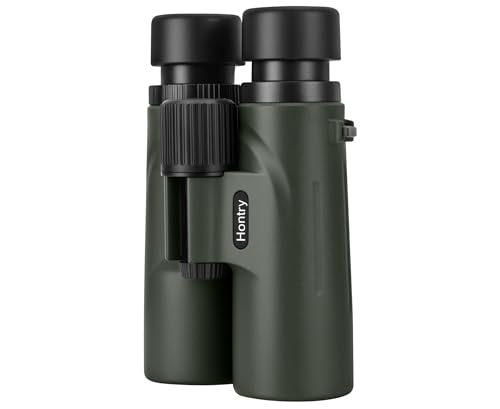
Who Should Buy a Budget 8x42 Binocular?
An 8x42 is a full size binocular, which means it is built for looking at distant subjects in natural light rather than for slipping into a shirt pocket. On a budget, it suits buyers who want one versatile glass for several outdoor jobs instead of a specialized tool for a single one.
Birders and backyard wildlife watchers
Birding rewards a wide field of view, because a broader scene makes it far easier to find a bird in the glass and follow it when it moves between branches. A close focus distance of about 6 to 8 feet also matters more than many new buyers expect, since feeders, butterflies, and dragonflies often sit just a few steps away. Color accuracy helps you separate similar species by subtle plumage tones. If birding is your main plan, see our guide to the best budget binoculars for birding for advice aimed at that use alone.
Hunters who glass woods and open country
Hunters lean on an 8x42 at first and last light, when deer move and shadows hide detail. The 42 mm lenses and the generous exit pupil described below keep the image usable in dim timber, and the moderate magnification stays steady during long scans from a stand. Look for full waterproofing, a quiet and smooth focus wheel you can turn with gloves on, and rubber armor that will not clink against a rifle or a tree stand rail. For picks of features aimed at the field, read our guide to the best budget binoculars for hunting.
Sports, concert, and travel viewers
From stadium seats and concert halls, 8 power is the practical ceiling for most people, because higher magnification magnifies hand shake as well as the action. An 8x42 gives a bright, calm view of the field and the stage without the tunnel feeling of small pocket glass. The tradeoff is size and weight, since a full size binocular hangs on your neck all day.
Key Features to Compare
What the 8x42 numbers actually mean
The first number is magnification, so an 8x42 makes a subject look eight times closer than it appears to your unaided eye. The second number is the diameter of the front lenses in millimeters, and it drives how much light the binocular can collect. Divide 42 by 8 and you get an exit pupil of 5.25 mm, which is the width of the beam of light reaching each eye. A wider exit pupil feels brighter and is more forgiving about eye placement, which is why this configuration is so popular for general use.
Prism glass and phase correction
Inside the barrels, prisms fold the light path and flip the image upright. BaK 4 prism glass passes light more cleanly than the cheaper BK 7 glass, giving a rounder exit pupil and brighter edges, so it is worth prioritizing at this price. Roof prism models also benefit from phase correction coatings, which keep colors and contrast from washing out. Budget roof prism binoculars that skip phase correction often look dull next to a porro prism model at the same price, even when every other spec matches.
Lens coatings and what the labels mean
Coatings reduce reflections inside the glass, and the labels follow a set ladder. Coated means some surfaces carry a single layer, fully coated means all air to glass surfaces carry one layer, and multicoated means at least some surfaces carry several layers. Fully multicoated is the top of the ladder and the one to look for, because each uncoated surface steals a little light and adds glare. On a budget, fully multicoated optics on a simpler body usually beat fancy coatings claims paired with vague wording like optics coated or premium coated.
Field of view and eye relief
Field of view tells you how much scenery fits in the frame, listed in feet at 1000 yards or in degrees. Around 330 to 390 feet at 1000 yards is typical for this class, and wider is better for scanning water, following birds in flight, and watching fast sports. Eye relief is the distance your eye can sit from the rear lens and still see the whole picture, and it matters most if you wear glasses. Eyeglass wearers should look for about 16 mm or more, plus eyecups that twist down so your lenses can get close.
Focus wheel, diopter, and close focus
The center focus wheel should turn smoothly through its whole range without gritty spots or loose play, because you will use it constantly. A diopter ring, usually on the right barrel, lets you balance the focus between your two eyes, which rarely match exactly, and a locking diopter keeps that setting from drifting in a carry case. Close focus deserves a quick check as well. Models that focus down to about 6 feet open up insects and feeder birds, while some budget glass stops at 15 feet or more.
Waterproofing, fog proofing, and armor
A weatherproof claim can mean anything from splash resistance to full submersion, so look for wording that says waterproof rather than water resistant. Fog proof models are purged with nitrogen or a similar dry gas and sealed with O rings, which stops the internal lenses from clouding when you step from a warm car into cold morning air. Rubber armor adds grip with wet or gloved hands and absorbs the small knocks that happen around trucks, boats, and camp. A clear warranty from the maker is also worth real money on a budget purchase.
What Your Budget Realistically Buys
Under about $60, expect BK 7 prisms, basic coatings, and a body that feels light because it is mostly plastic. These binoculars work for occasional stadium use, but edges will look soft and dim light views will disappoint. The sweet spot for the best budget 8x42 binoculars sits at about $100 to $200, where BaK 4 prisms, fully multicoated lenses, and genuine waterproofing become common. Spending about $200 to $300 buys sharper edges, better low light contrast, and sometimes ED glass that reduces color fringing on bright edges.
Where should you refuse to save? Glass and coatings come first, because no accessory fixes a dim or blurry image. Waterproofing comes second if you view outdoors in real weather. Comfort items like a padded strap and a decent case matter, yet they are cheap to upgrade later, so they should never push you toward weaker optics. If your budget stretches further and you want to see what the next tier adds, compare this guide with our roundup of the best 8x42 binoculars across all prices. For a wider look at low priced options in other sizes, see our guide to the best budget binoculars as well.
Roof Prism or Porro Prism?
Porro prism binoculars have the classic zigzag shape, with objective lenses set wider than the eyepieces. The design is cheaper to build well, so a budget porro model often delivers a brighter and wider view than a roof prism model at the same price. The cost is bulk, since the wide body takes more room in a pack. Porro models also tend to lose alignment more easily after a hard drop, because the prisms sit in a more exposed arrangement.
Roof prism binoculars use straight barrels, which makes them slimmer, easier to pack, and simpler to seal against water. That compact shape is why most modern 8x42 models use it. The catch is that roof prisms need phase correction coatings to match porro image quality, and cheap roof models without them look flat and muted. On a tight budget, choose a porro model for pure image quality per dollar, or a phase corrected roof model when pack size, sealing, and one handed holding matter more to you.
Common Mistakes to Avoid
- Choosing 10x42 or higher magnification for shakier hands, which trades a steadier and brighter 8x view for an image that jitters with every heartbeat.
- Trusting a huge field of view number without checking eye relief, which leaves eyeglass wearers seeing a small circle instead of the full scene.
- Buying zoom binoculars with variable magnification, which almost always deliver dimmer and softer views than a fixed 8x42 at the same price.
- Judging brightness by lens diameter alone, which ignores coatings and prism glass that decide how much of that light actually reaches your eyes.
- Skipping the diopter setup, which leaves one eye slightly out of focus and causes headaches that buyers wrongly blame on the binocular itself.
- Storing the binocular loose in a car trunk, which invites heat damage, lost alignment, and mold on the internal lenses over time.
Care and Maintenance Tips
Budget glass lasts for years when you treat the lenses gently and store the binocular dry. A few simple habits cover nearly all of it.
- Blow or brush grit off the lenses before wiping, because dragging sand across a coating leaves fine scratches that scatter light.
- Clean with a microfiber lens cloth and a drop of lens fluid, never your shirt, which traps grit and oils against the glass.
- Keep the lens caps on whenever the binocular is not in use, since most scratches happen in bags and on car seats rather than outdoors.
- Store the binocular in its case in a dry room, and let a wet binocular air dry fully before you close the case.
- Use the neck strap or a chest harness, because a single drop onto rock or concrete can knock the prisms out of alignment.
- Check the hinge tension and focus wheel play once a season, and send the binocular in under warranty if the two barrels start showing a double image.
Frequently Asked Questions
How much should you spend on budget 8x42 binoculars?
Plan on about $100 to $200 for a pair you will enjoy for years. Below that range, makers cut corners on prism glass and coatings, and the view suffers in dim light. One point buyers miss is that the included accessories vary a lot at this price, so factor in a comfortable strap or harness if the box only holds a thin cord. A slightly better pair bought once costs less than a cheap pair replaced twice.
Are 8x42 binoculars better than 10x42 binoculars for most people?
For most people, yes, because the 8x view is steadier, wider, and brighter in low light. The 10x42 shows more detail on still subjects like perched birds at long range, yet it shrinks the field of view and the exit pupil. A practical test is to think about your hands: if coffee, cold weather, or long hikes make you shake a little, the 8x42 will show you more usable detail even though its number is smaller.
Can budget 8x42 binoculars handle dawn and dusk viewing?
Yes, as long as the lenses are fully multicoated and the prisms are BaK 4 glass. Those two features decide how much of the fading light survives the trip through the barrels. One extra help is keeping the front lenses spotless, since a film of dust or fingerprints that you ignore at noon can scatter enough light to wash out a deer at dusk. Twilight is exactly where the 5.25 mm exit pupil of this size earns its keep.
Do budget 8x42 binoculars work for people who wear glasses?
They can, provided the eye relief is about 16 mm or longer and the eyecups twist or fold down fully. Check that the whole field stays visible with your glasses on, with no black crescent edges creeping in. One detail worth testing is eyecup stability, because soft rubber cups that collapse under light pressure change your eye position and shrink the view. If you wear thick frames, favor models at the long end of the eye relief range.
What is the difference between budget 8x42 binoculars for birding and for hunting?
Birding models favor a wide field of view, short close focus, and colors that render plumage faithfully, while hunting models favor rugged armor, subdued finishes, and focus wheels tuned for gloved hands. Many pairs serve both jobs well, since the core optics are the same. If your weekends split between warblers and whitetails, our guide to the best 8x42 binoculars for birding explains the birding side of that overlap in more depth.
Final Thoughts
Start with glass, because BaK 4 prisms and fully multicoated lenses decide whether the view delights or disappoints you. Add genuine waterproofing, enough eye relief for your eyes or glasses, and a focus wheel that feels smooth in the store or on the first day at home. The product table above pulls those checks together so you can compare the strongest candidates quickly. Choose the best budget 8x42 binoculars that meet those marks at a price you can pay once, and you will own a glass that earns its place on every trip outside.