
Best Boots for Yorkies of 2026: Complete Buying Guide
Disclosure: We may earn a commission when you buy through links on this page, at no extra cost to you. As an Amazon Associate I earn from qualifying purchases. Learn more

Size, strap, sole and weather advice for tiny paws, with a simple fit check and care tips to pick the best boots for yorkies on daily walks.
Yorkshire Terriers walk close to the ground on very small paws, so hot pavement, road salt, sharp gravel and cold snow reach them fast. The best boots for yorkies protect those paws without sliding off narrow legs or tripping a short stride. This guide shows you how to measure, compare and fit a set, so you can use the comparison table below with confidence.
Start with the surface your dog walks on most. A city Yorkie needs grip and a barrier against heat and salt, while a trail Yorkie needs a tougher sole.
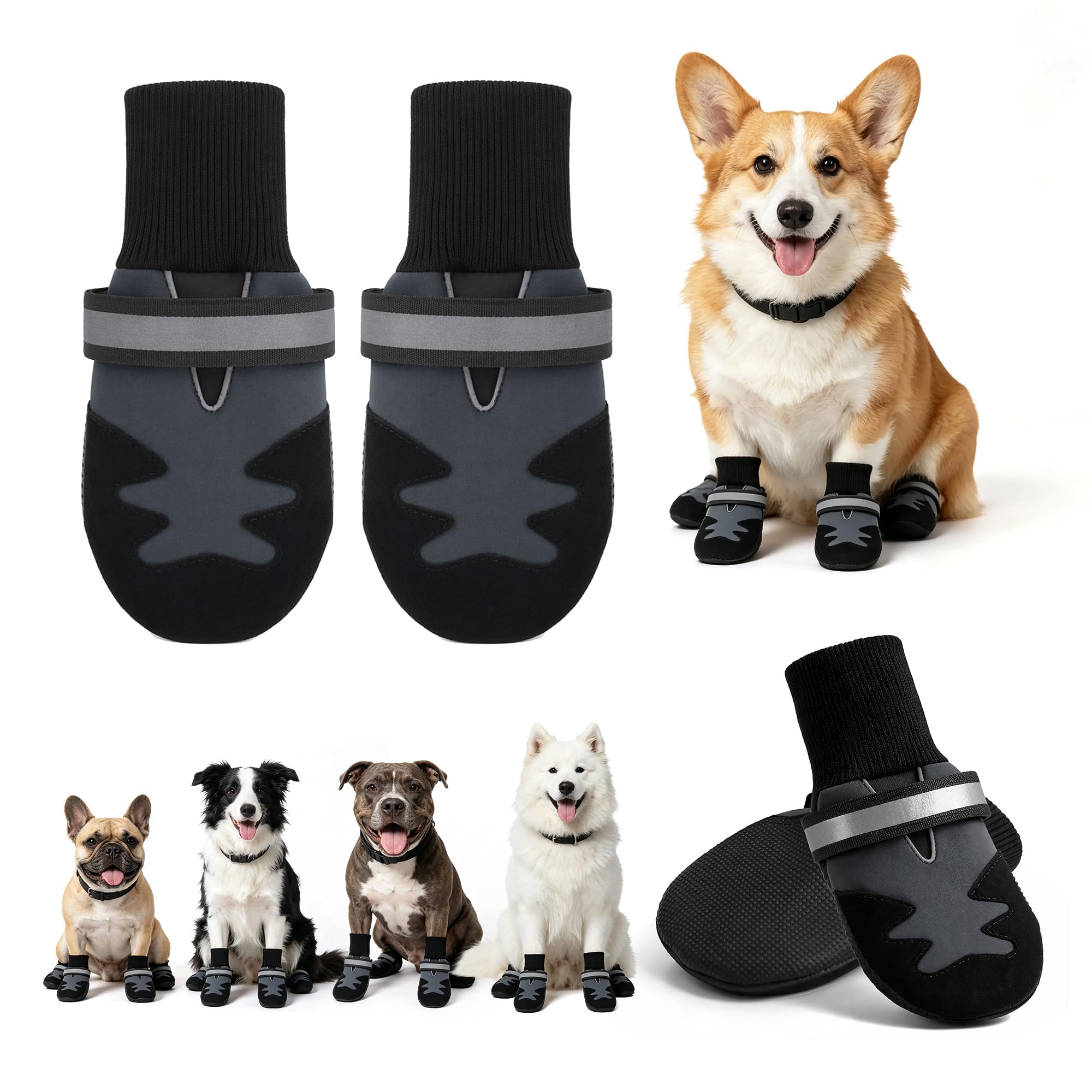
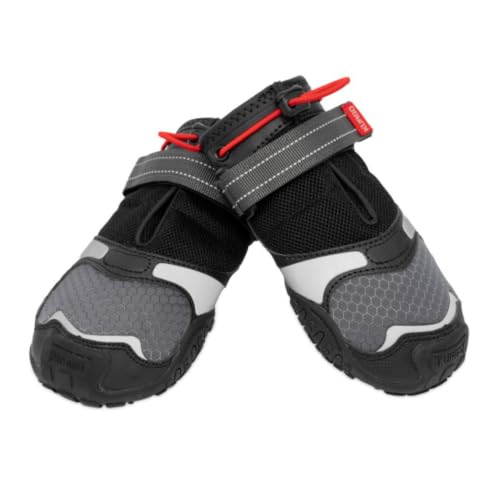

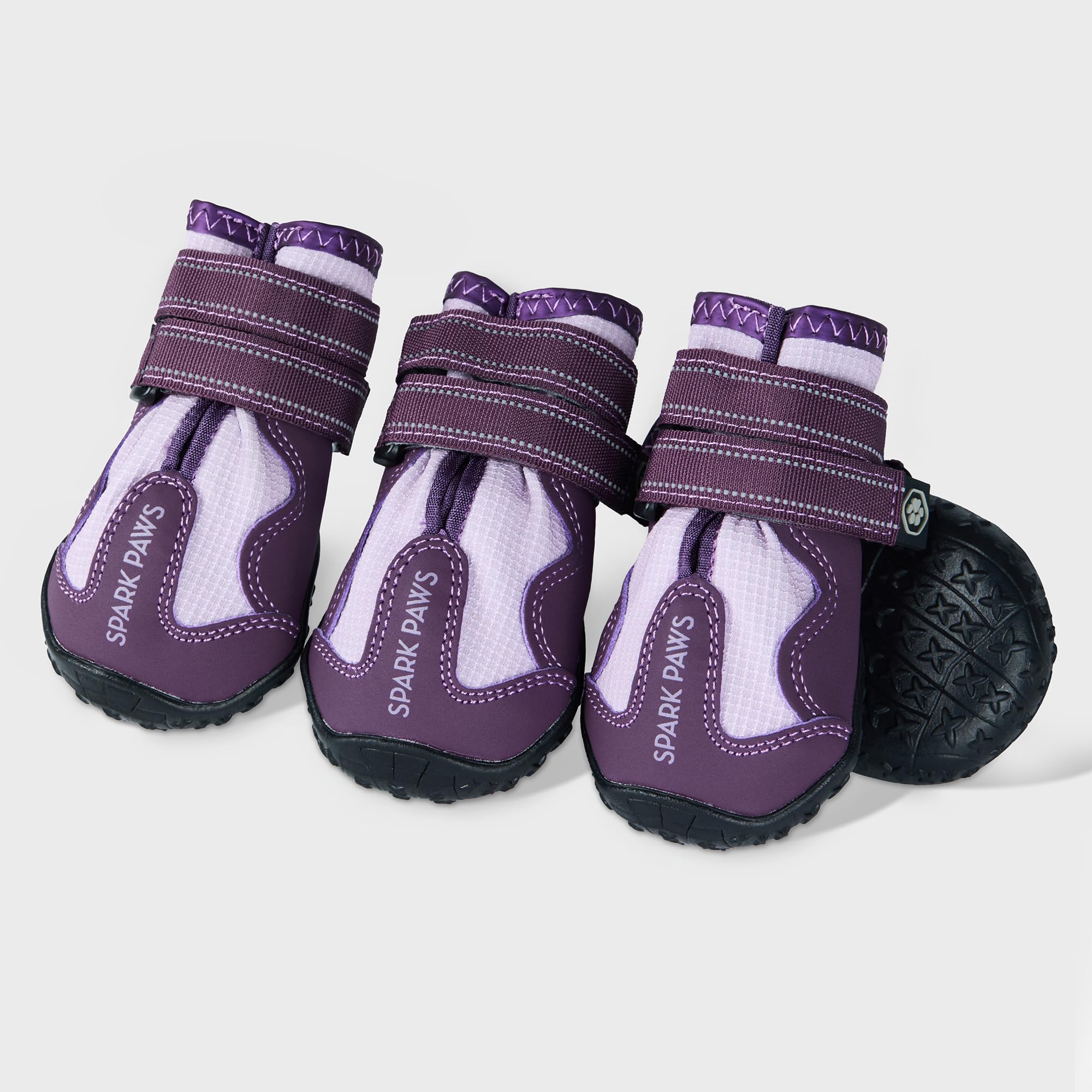
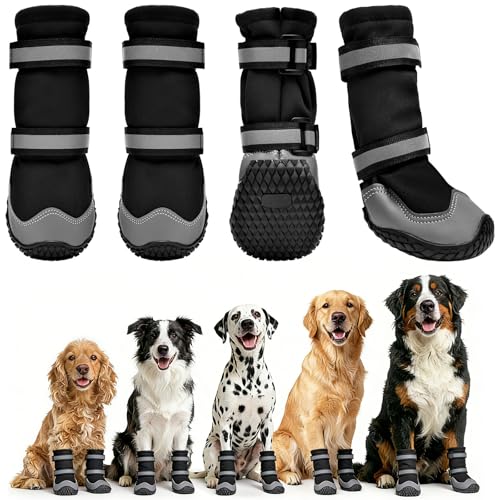
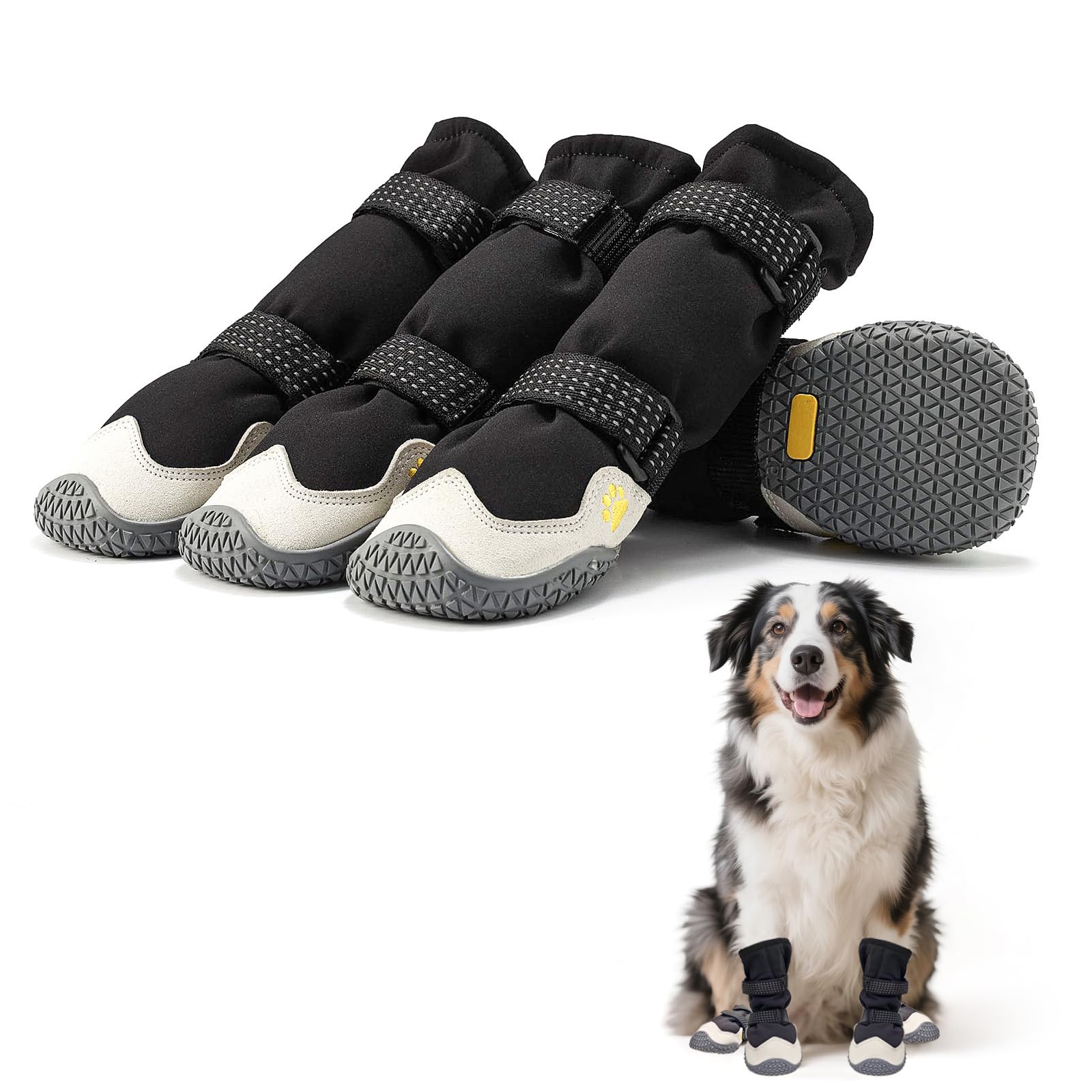

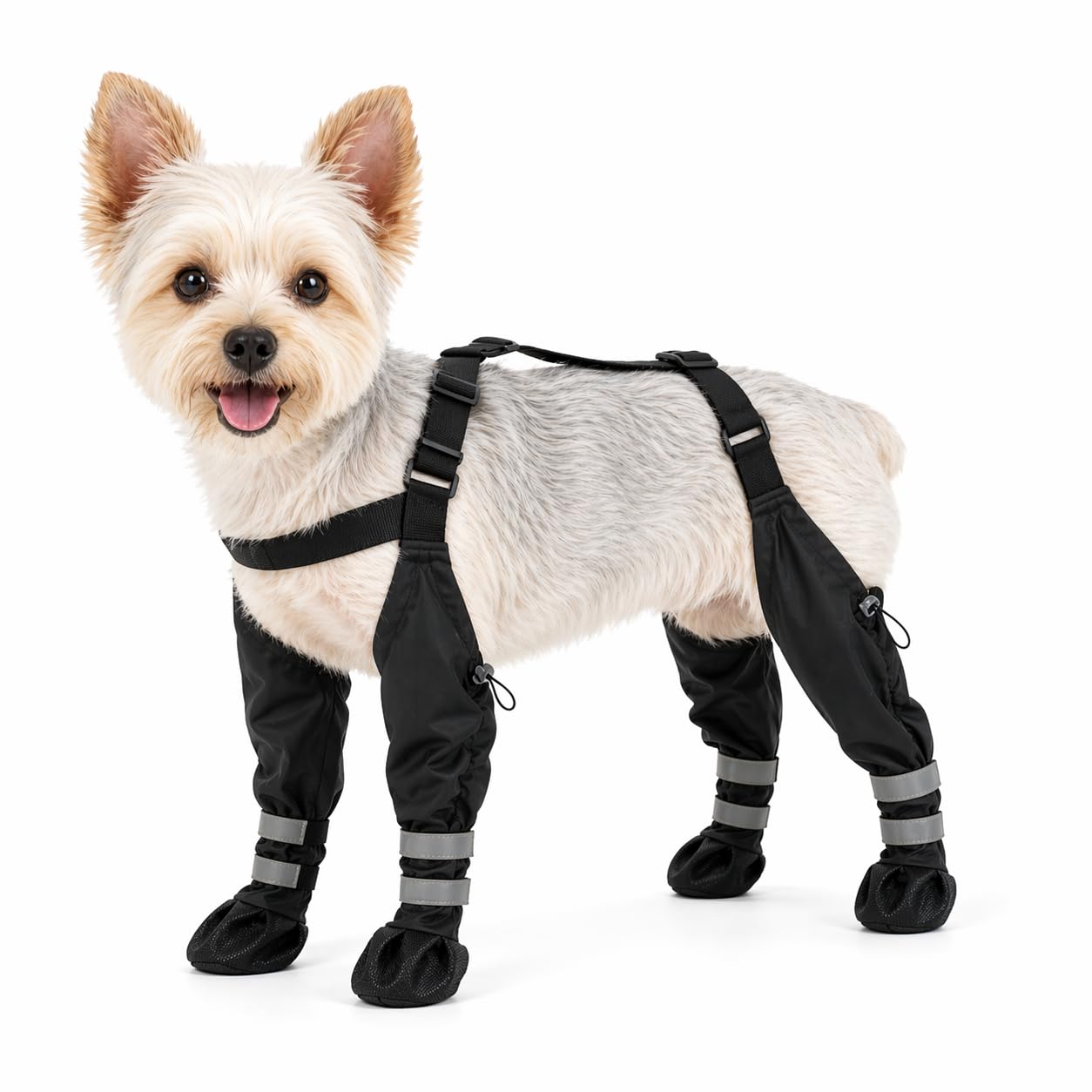
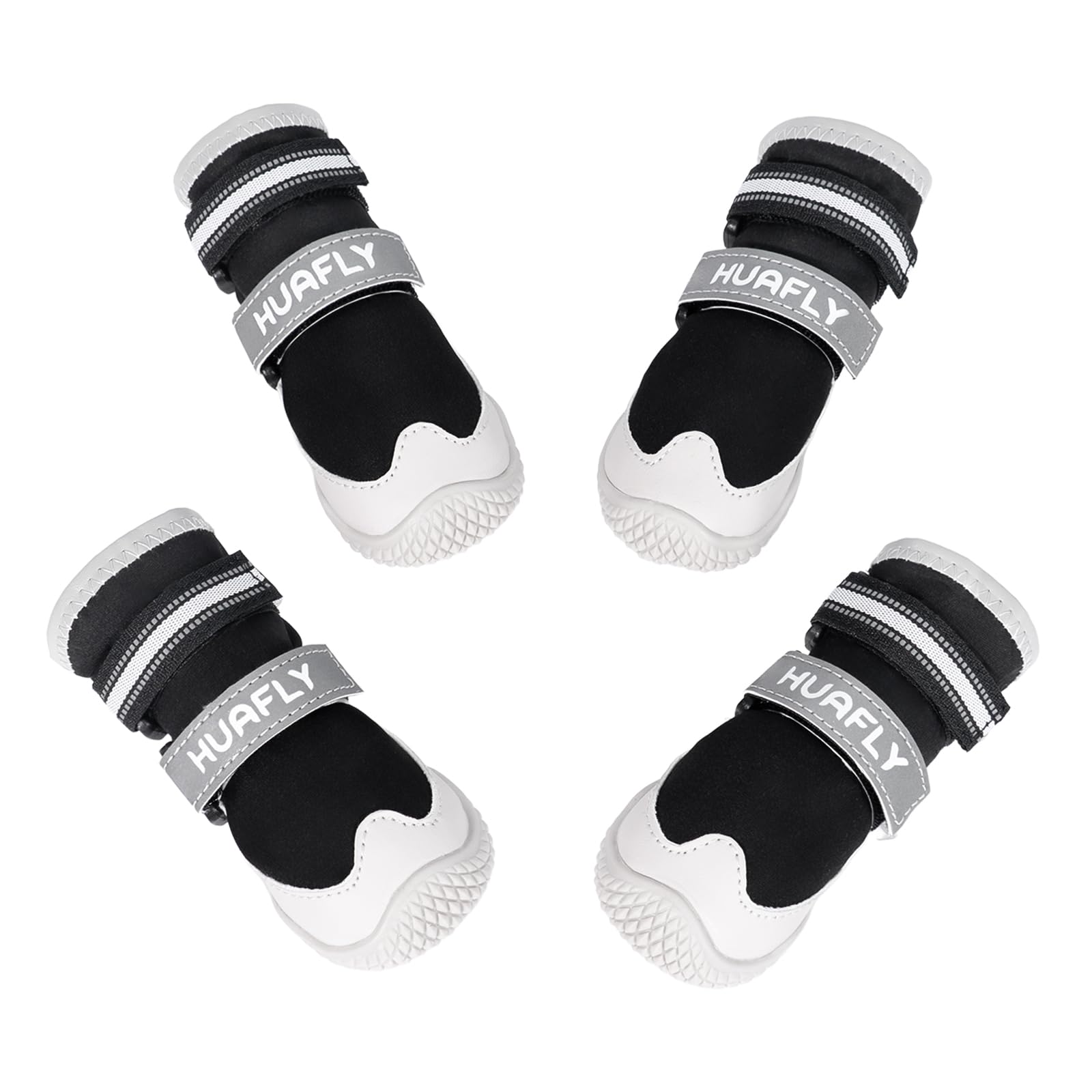
Who Should Buy Which Boots for Yorkies?
Pick by the walk you repeat most often. Yorkies weigh only about 4 to 7 pounds, so a boot built for a large breed will overwhelm them in weight and stiffness.
City Yorkies Who Walk on Pavement Every Day
Your dog steps on hot sidewalks in summer and salted roads in winter. Choose a light boot with a flexible sole, a secure strap and enough height to keep salt off the fur above the paw. A bright color helps you spot a lost boot on a busy street.
Yorkies Who Join Short Trail and Campground Walks
Your dog walks on gravel, packed dirt and damp grass where small stones can press into soft pads. Choose a boot with a thicker sole, a reinforced toe area and a strap set high enough to keep grit out.
Senior Yorkies and Yorkies With Sensitive Paws
Older Yorkies need boots that go on gently and add grip on slick floors and wet grass. Choose soft uppers, wide openings and straps you can fasten without squeezing the leg. If your dog limps or has cracked, bleeding or swollen pads, pause fitting and talk with your veterinarian about personal needs.
Key Features to Compare
When you compare the best boots for yorkies, work through these factors in order, so a low price cannot hide a boot that will spin, slip or fall off within one block.
Paw Size and a True Tiny Fit
Fit decides everything for a Yorkie, because most paws measure only about 1 to 1.5 inches wide. A boot even a little too wide will rotate around the paw, while one that is too narrow presses the toes together and changes how your dog steps. Use the chart for the exact set you are buying, since brands label tiny sizes differently.
Straps and Closures That Stay on Narrow Legs
Most Yorkie boots fasten with hook and loop straps, and two straps hold far better than one on a slim leg. The lower strap secures the paw, and the upper strap stops the boot sliding down as your dog trots. Look for straps that wrap fully around the leg with room to adjust. A zip alone rarely stays closed on such small boots.
Sole Grip and Flex for Small Strides
A Yorkie takes short, quick steps, so the sole must bend easily at the toes or your dog will lift each foot in an odd, high step. Rubber soles with shallow tread give steady grip on wet pavement and tile, while deeper lugs suit dirt and snow. Press the sole between your fingers first. If you cannot bend it easily, your 5 pound dog will struggle too.
Weight and Softness Against Delicate Paws
Each boot should feel almost weightless in your hand, because four heavy boots can tire a tiny dog and change her gait. Soft fabric uppers suit daily walks, and light padding at the top edge stops rubbing on thin skin and fine fur. Avoid stiff shafts that reach high, since a tall, rigid boot can rub behind the knee on such short legs.
Weather Protection for Rain, Snow and Heat
Water resistant uppers keep paws drier in rain and slush, and they block road salt that can sting small cuts. Fully waterproof boots trap more warmth inside, so they suit short winter outings better than long summer walks. For hot days, choose thinner breathable uppers and walk early or late. Touch the pavement with your palm first, and skip the walk if it feels too hot.
Boot Height and Dewclaw Clearance
Low boots are easy to put on and suit dry pavement, while taller boots keep snow and grit away from the leg fur. Check where the strap sits against the dewclaw, the small claw on the inner side of the front legs. A strap pressing on that claw can cause limping within minutes. Choose a height that clears the dewclaw or covers it with padding.
Types of Dog Boots for Yorkies
Everyday Flexible Boots for Dry Pavement
These light fabric boots have thin rubber soles and one or two straps. They guard against hot pavement, rough concrete and sharp seeds, and most Yorkies accept them quickly because the sole bends easily. They offer little warmth and soak through in rain.
Insulated Winter Boots for Snow and Salt
Winter boots add a warm lining, a taller shaft and a grippier sole for ice and packed snow. They keep salt and ice balls away from the fur between the toes. They cost about $35 to $60, so introduce them at home before the first storm.
Rain Boots and Slim Covers for Wet Days
Slim rubber rain boots keep paws clean during wet walks and muddy garden trips. Grip is their weak point, since smooth wet rubber can slide on tile. Use them for short, slow outings, and choose textured soles.
How to Measure a Yorkie Paw and Check the Fit
Have your dog stand on paper on a hard floor, bearing normal weight, and mark the front, back and both sides of the largest paw. Measure the width between the side marks and compare it with the chart for the set you want. Measure both front paws, since front paws are often a little larger, and use the larger number. For related small dog sizing advice, see our guide to the best dog boots for yorkies.
For the fit check, fasten the boots indoors and watch your dog walk on carpet and then a hard floor. The boot should not spin, the toes should reach near the front without curling, and each foot should land flat. Start with five minutes and build up over several days. Dragging a foot or chewing at a strap means the fit needs work.
Common Mistakes to Avoid
These errors cause most returns and most lost boots for small dogs.
- Guessing the size from the breed name alone leaves you with boots that spin off, because Yorkie paw sizes vary a lot.
- Fastening the straps loosely lets the boot slide down and trip your dog on stairs and curbs.
- Starting with a full walk outdoors overwhelms your dog, so she learns to hate the boots at once.
- Using tall stiff boots on a tiny leg rubs the skin and presses the dewclaw, which can make your dog limp.
- Leaving wet boots on after the walk keeps pads damp and soft, so they crack more easily later.
- Buying only two boots leaves the back paws exposed to the same heat, salt or gravel.
Care and Maintenance for Yorkie Dog Boots
Rinse salt, mud and grit from the soles and uppers after wet or winter walks, using plain water and your fingers. Open every strap, stand the boots upright so air reaches inside, and dry them at room temperature away from radiators and direct heat, which can warp thin rubber soles.
Check the set once a week during heavy use. Look for worn spots on the sole, straps that no longer grip and loose stitching near the toe. Clean trapped fur from the straps with a fine comb so they close fully again. Store the dry set in a breathable bag near the leash.
FAQ
What features matter most in boots for a Yorkie with tiny paws?
Accurate size and a two strap closure matter most for a Yorkie with tiny paws. A small paw gives a boot very little surface to grip, so shape and fastening do more than thick materials. One extra point many owners miss is color. Bright boots are far easier to find in grass or snow when one slips off, so choose a vivid shade for outdoor routes.
Can a Yorkie wear dog boots for a whole day?
A Yorkie should not wear dog boots for a whole day. Boots are walking gear, not indoor footwear, and paws need air and natural contact with the floor for steady footing at home. Wear them for the walk, then take them off indoors. If your floors are slick, a rug runner solves the problem without keeping boots on for hours.
Are expensive boots for Yorkies worth the higher price?
Expensive boots for Yorkies are worth it when the extra cost buys better sizing and stronger straps. Price alone means little, since a costly set in the wrong shape still falls off. Pay more for true tiny sizes and a sole that bends easily. Skip decorative extras such as faux fur trims, which add weight and hold water.
How long does a Yorkie take to get used to wearing boots?
Most Yorkies take about three to seven days of short practice to walk normally in boots. Let your dog sniff the set first, then fit one boot for a minute indoors before trying all four. Short sessions on carpet work better than one long session, because success stays easy and calm. If your dog still freezes after several gentle sessions, try a thinner sole style.
How often should you replace boots for a Yorkie?
Replace boots for a Yorkie when the sole wears smooth, a strap stops holding, or the upper tears near the toe. Daily walks on concrete often wear a set out in about four to six months, while occasional use can stretch a set past a year. Keep the old set as a spare for muddy days, and order ahead in winter, when small sizes sell out.
Wrapping Up
Measure the paw, choose two straps and a sole that bends, then match the boot type to your weather. Use the product table above to compare sizes, prices and sole styles.
With a patient first week of practice, the best boots for yorkies become a simple part of your walk routine, and your dog stays clean, dry and steady.


