
Best Brushing Boots in 2026: Which Type Is Right for You?
Disclosure: We may earn a commission when you buy through links on this page, at no extra cost to you. As an Amazon Associate I earn from qualifying purchases. Learn more

Compare brushing boot types for horses by strike protection, fit, straps, ventilation and care, with clear sizing help for front and hind legs.
A brushing boot guards the inside of a horse leg when a hoof or shoe catches the opposite leg during work. Shells, linings and strap layouts vary widely, so choosing can feel confusing at first. The best brushing boots for your horse protect the cannon and fetlock without rubbing, slipping or trapping excess heat. Use the comparison table below to match each type to your horse and your riding.
Start with how your horse moves and where contact happens. A horse that brushes low near the fetlock needs different coverage from one that knocks higher on the cannon. Then weigh footing, weather and skin sensitivity, since those details decide the shell, lining and strap style that stays comfortable through a session.
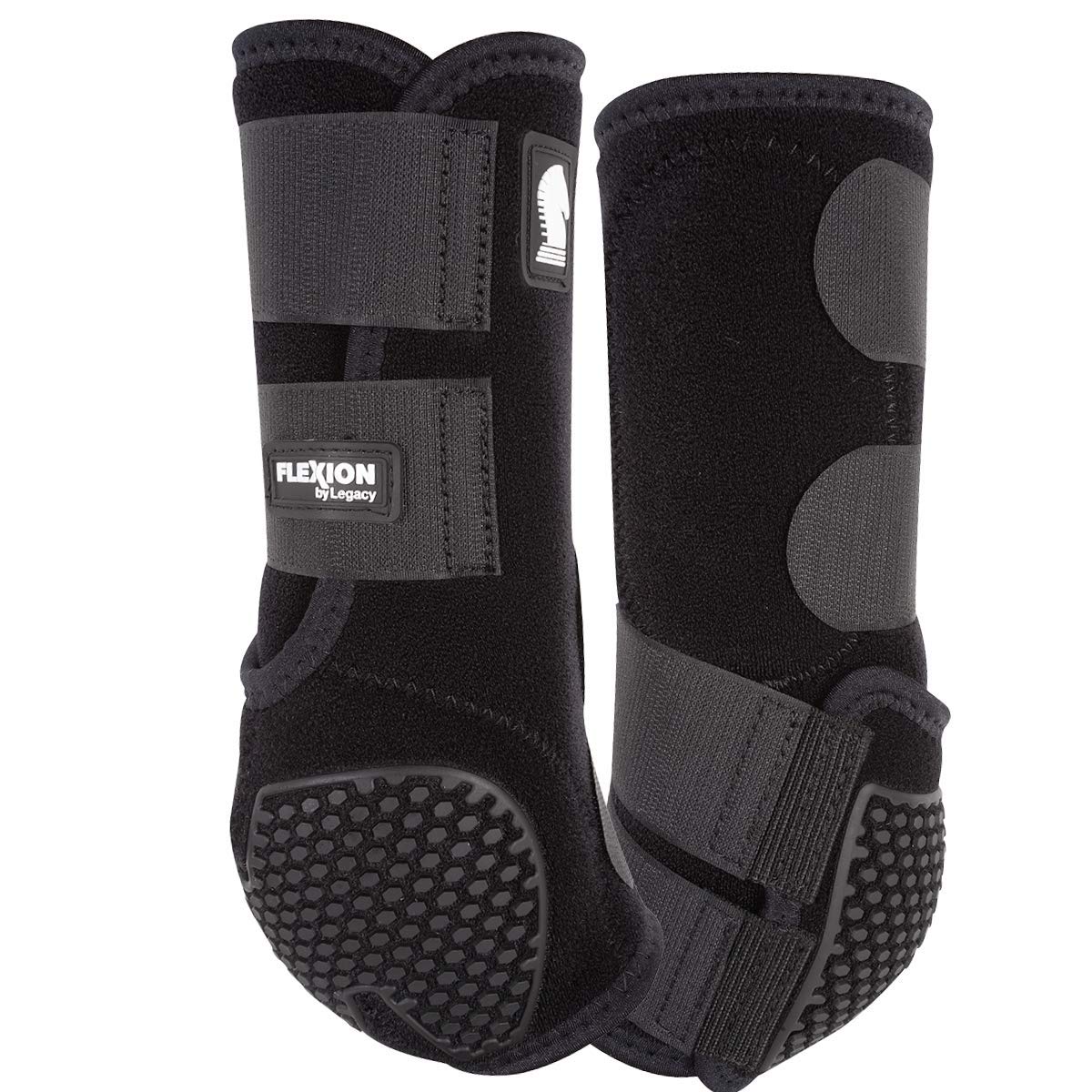
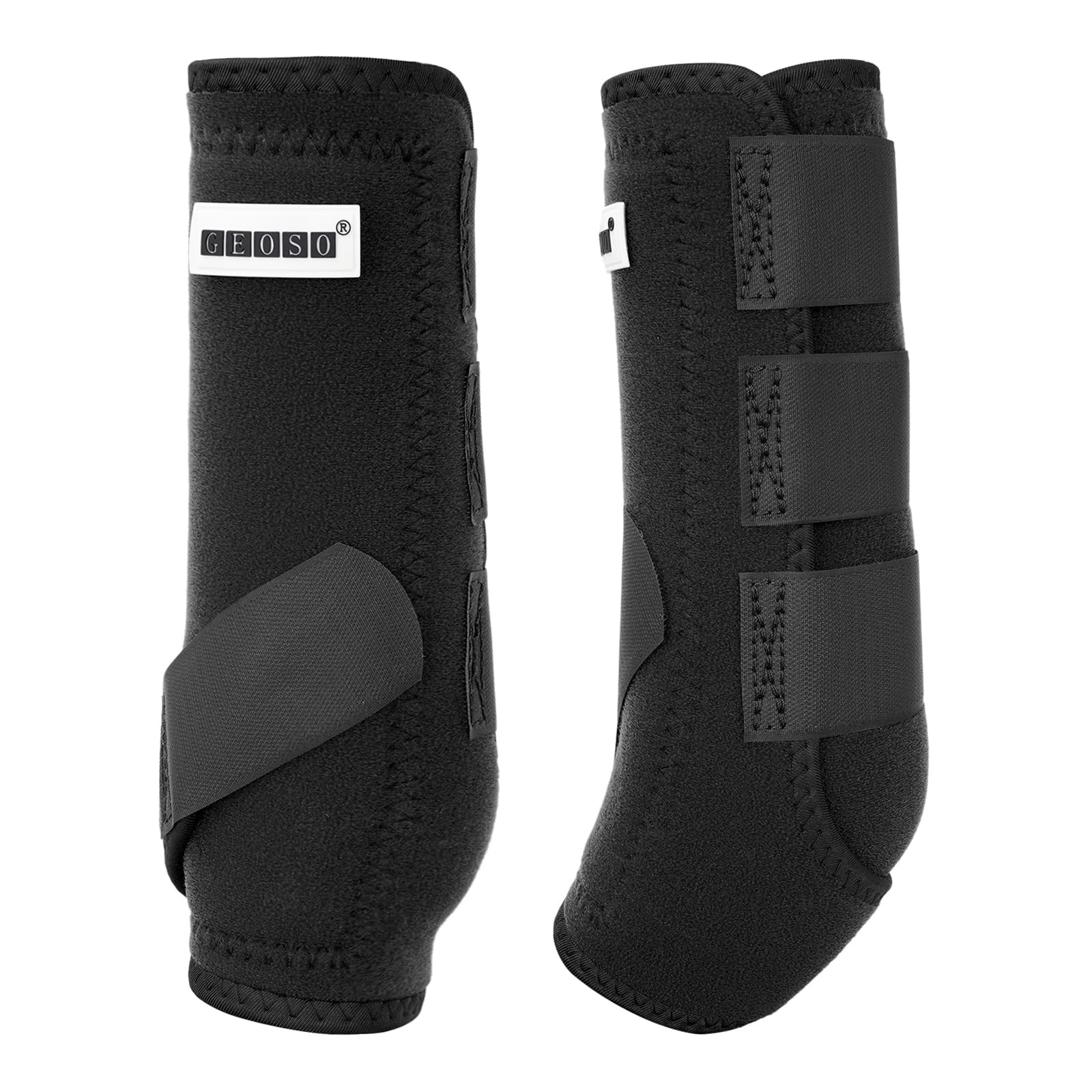
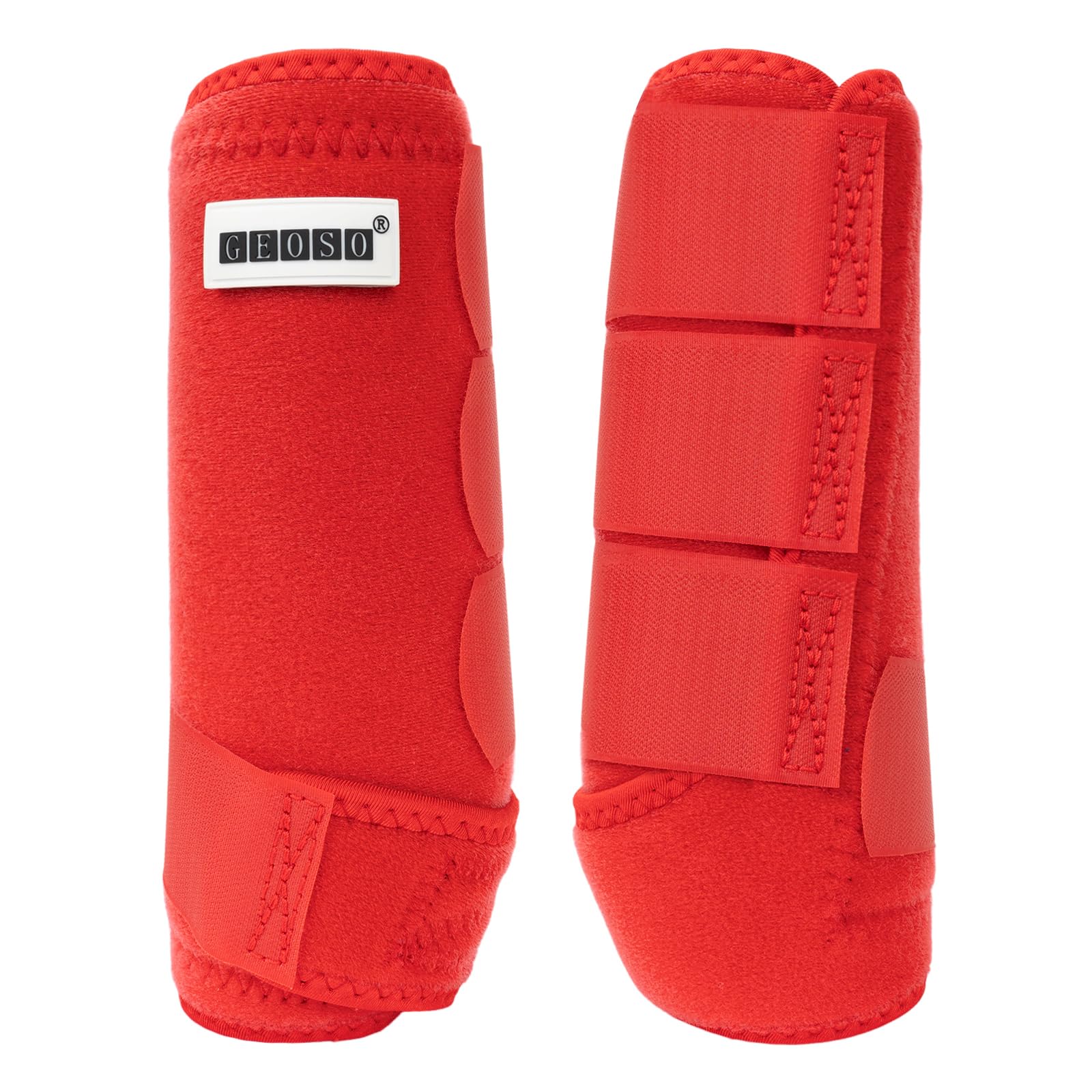

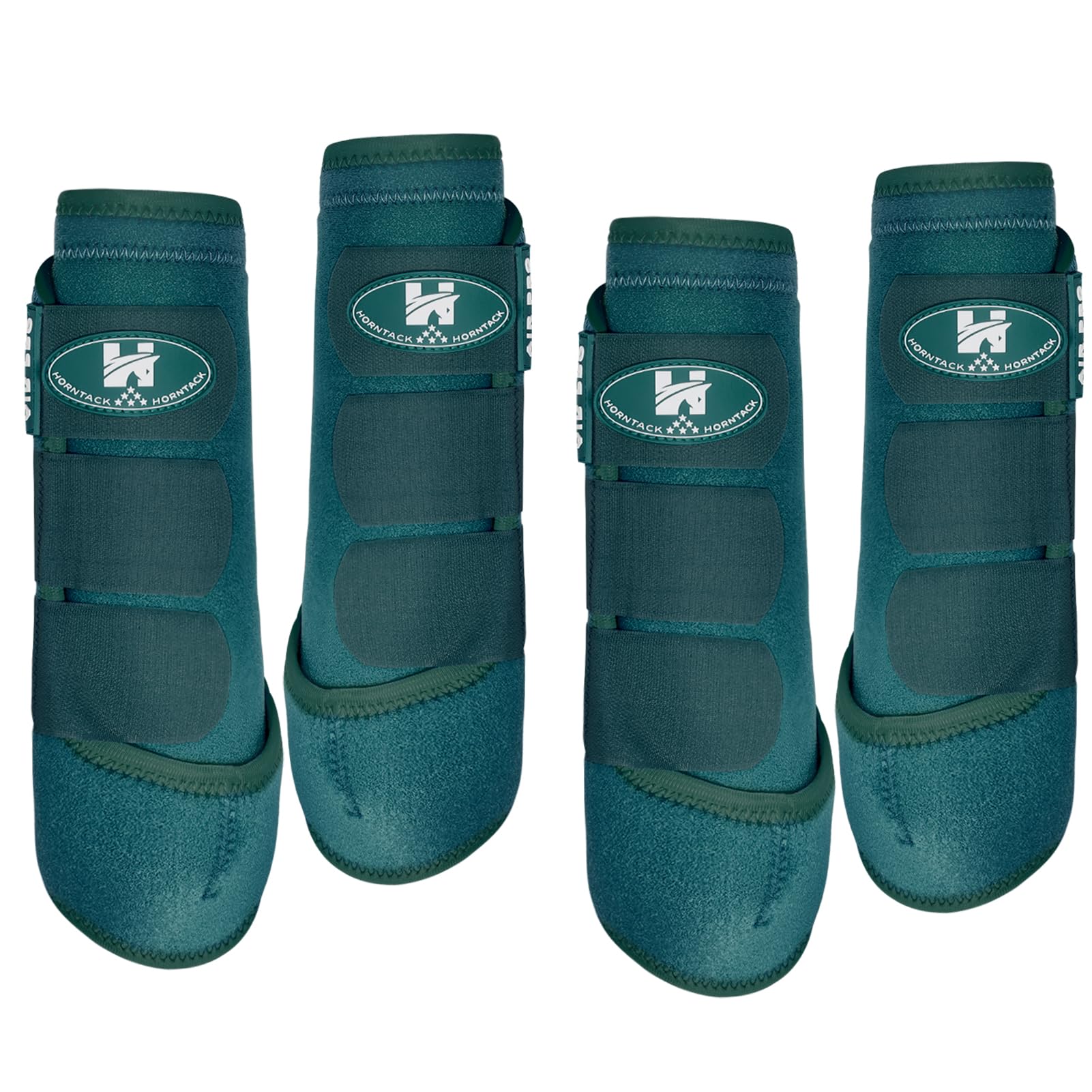
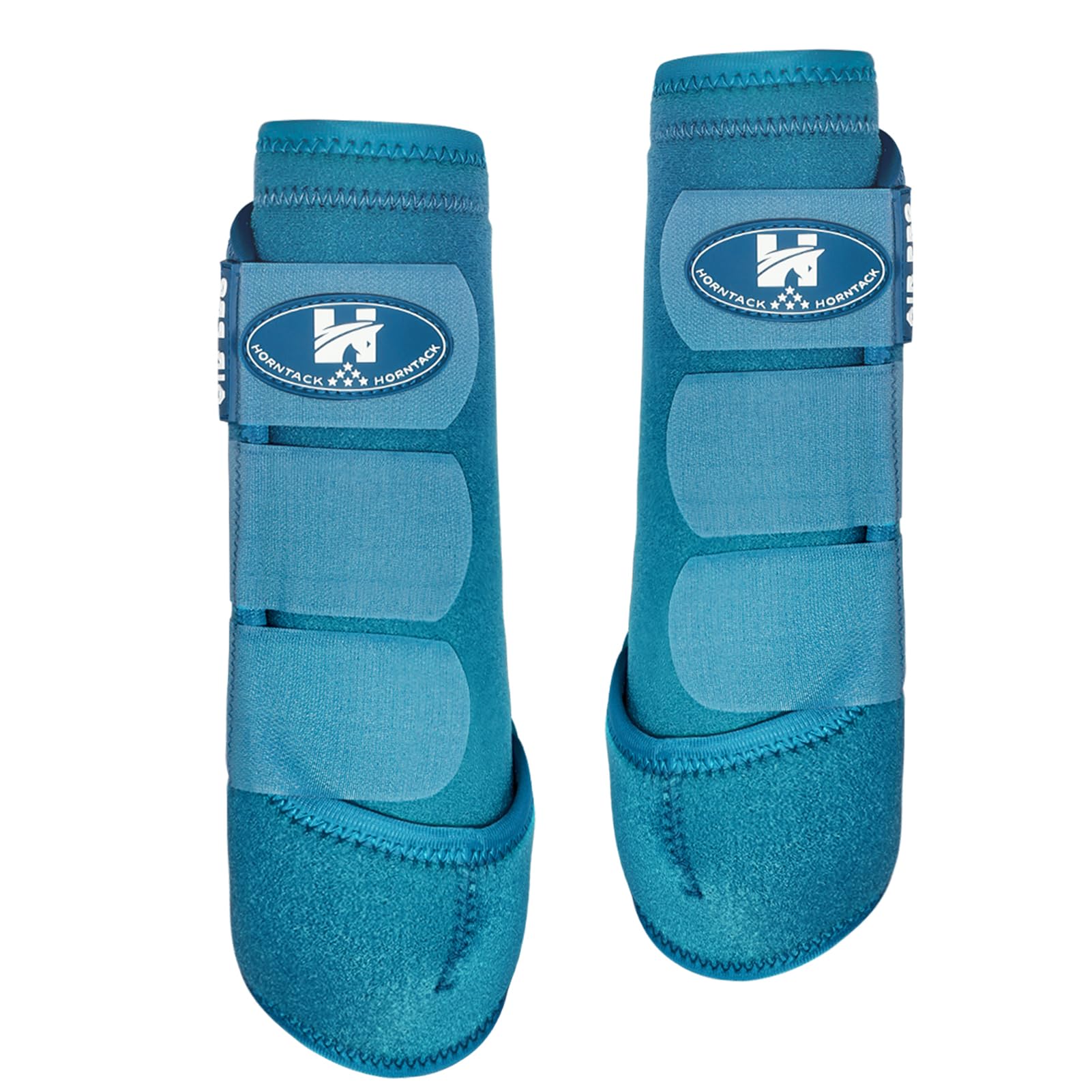


Who Should Buy Which Brushing Boots?
Pick by the horse in front of you, not by habit. Movement, workload and skin point each group toward a different build.
Young Horses Still Finding Their Balance
Young horses often move wide one stride and close the next while they learn to carry a rider. Choose full coverage on the inside of the cannon and fetlock, with soft padding that spreads a knock. Light boots suit this group, since heavy boots can change how a young leg swings. Fit front and hind pairs, because balance changes often show up behind first.
Horses With a Narrow Stance That Brush Often
A horse that travels narrow has little space between the legs, so contact is frequent and often lands in the same spot. Choose a firm strike pad placed exactly over that inner area, plus a shaped fetlock cup that stays centered. Slim padding matters here. Bulky boots reduce the gap further and can cause the contact you are trying to prevent.
Horses in Daily Schooling and Hacking Work
Horses worked most days need boots that go on quickly, rinse clean and dry before the next ride. Choose a durable shell, straps that tolerate daily handling and a lining that sheds arena sand. If your horse also hacks on roads and tracks, pick a build that drains water instead of holding it against the leg.
Key Features to Compare
Compare these factors in order, so a low price cannot hide weak protection or a poor fit.
Strike Pad Coverage and Strength
The strike pad is the reinforced panel on the inner face of the boot, and it takes the blow when the opposite hoof connects. It should cover the splint area, the inner cannon and the fetlock, where contact lands most often. A firm pad over flexible padding suits most schooling horses. Choose a wider and firmer pad for a horse that wears shoes, since a metal shoe edge concentrates force into a small area.
Padding, Shell Flex and Shock Absorption
Beneath the pad, foam or gel padding softens impact and helps the boot sit still against the leg. The outer shell should bend as the fetlock flexes, because a rigid shell that fights the joint will creep upward or dig in at the edges. Thin padding keeps a narrow horse accurate, while thicker padding suits a horse that strikes with force. Press the boot in your hand. It should give a little, then recover its shape.
Cannon Fit, Fetlock Shape and Sizing
Measure around the cannon midway between knee and fetlock, and measure the length of that bone, then match both numbers to the size chart for that boot. Hind boots are usually taller, so measure all four legs rather than ordering one size throughout. The boot should wrap the cannon fully without a gap at the back, and its lower edge should cup the fetlock without pressing into the pastern when the joint bends.
Straps, Elastic and Closure Security
Most boots close with two to four hook and loop straps, and each strap should fasten on clean padding with room to adjust in both directions. A short length of elastic lets the boot move slightly with the leg instead of working loose. Avoid a design you must pull very tight to stop slipping, since even pressure over the whole cannon is the goal.
Ventilation, Heat and Lining Comfort
Legs warm up under any boot, and tendons dislike stored heat during long work. Perforated shells and mesh panels let air move, which suits warm climates and horses worked for an hour or more. Smooth linings slide less on clipped legs, while fleece cushions thin skin but holds sand and dries slowly. Choose fleece for short sessions on sensitive skin, and a ventilated lining when heat and quick drying matter more.
Types of Brushing Boots Compared
Four builds cover most schooling needs, and each trades protection, warmth and upkeep differently. For equine schooling use only, see our guide to the best brushing boots for horses for fit on different leg shapes. Prices overlap, so let movement and skin decide.
Neoprene Schooling Boots
Neoprene boots are flexible, padded and easy to hose clean after a ride. They suit most flatwork and hacking, and usually cost about $30 to $60 for a pair. The trade off is warmth, since solid neoprene holds heat on long sessions. Pick this type for shorter work and for horses whose skin tolerates a smooth synthetic lining.
Boots With a Rigid Strike Plate
A hard molded plate over the inner cannon gives the strongest guard against a shod hoof strike. This build suits horses that brush hard, travel very narrow or work in company where knocks are less predictable. The plate adds weight, so check that the fetlock still flexes freely. Expect about $50 to $90 for a pair.
Fleece Lined Brushing Boots
A fleece lining spreads pressure and protects skin that rubs easily, which helps thin skinned horses and horses in full work after clipping. Fleece holds arena surface and needs regular brushing out and washing, and it dries slowly after wet rides. Choose this type for comfort first, and plan a spare pair for wet days.
Ventilated Mesh Brushing Boots
Mesh and perforated builds move air across the leg while still carrying a solid strike pad. They suit hot weather, long sessions and horses whose legs sweat heavily under solid boots. The open texture can trap fine sand, so shake and rinse them often. They usually cost about $40 to $80 for a pair and dry fast.
Common Mistakes to Avoid
Most problems with these boots come from fit and routine rather than from the boot itself.
- Buying one size for all four legs leaves hind boots too short and front boots loose enough to slide.
- Pulling straps as tight as possible creates uneven pressure and can leave the leg marked after work.
- Putting boots over dirty legs grinds sand against the skin and causes rubs within a few rides.
- Leaving wet boots closed in a tack box grows mildew and stiffens straps so they grip poorly.
- Using a boot with a cracked strike pad keeps the weak spot exactly where the next blow will land.
How to Care for Brushing Boots
After each ride, undo every strap, shake out sand and check the lining for grit. Hose neoprene and mesh boots with plain water, wash fleece linings with mild soap when they feel stiff, and scrub strap surfaces so the closure grips fully next time. Inspect stitching around the strike pad, since loose stitching lets the pad shift.
Dry boots open in moving air and out of strong sun, with straps laid flat. Never seal a damp pair in a bag, because trapped moisture weakens elastic and fades strap grip. Store boots paired front and hind, so a size mix up is obvious. Retire a boot when the padding stays flat after washing, since compressed padding no longer spreads a strike.
Frequently Asked Questions
How should brushing boots fit on a horse leg?
Brushing boots should sit snug around the cannon with no gap at the back and no bulge above the top strap. Before you mount, walk and trot the horse in hand and watch the lower edge. It should stay clear of the ground and move with the fetlock. After the ride, hair beneath should lie flat in one direction, which shows the boot stayed still.
Are expensive brushing boots worth the cost for schooling horses?
Expensive brushing boots are worth it when the extra cost buys a shaped fit, replaceable straps or a stronger strike plate your horse needs. For light weekly schooling, a sound pair at about $30 to $50 usually protects just as well. Judge value by cost per ride. A durable pair used daily can cost less than a soft pair replaced twice.
Can a horse wear brushing boots all day in turnout?
A horse should not wear brushing boots all day in turnout, since they are built for work sessions rather than hours of grazing and rolling. Long wear traps moisture and mud against the skin, and a slipped boot can tighten around the pastern unnoticed. For field protection, choose a turnout boot and check it morning and evening.
Do new brushing boots need time to soften before schooling?
New brushing boots should fit well from the first ride and do not need a wearing in period like leather tack does. Most shells soften only slightly with use. If a boot feels stiff at the fetlock or leaves a mark after a short session, the shape or size is wrong for that leg. Change the fit rather than hoping rides will fix it.
Can brushing boots be used for jumping and cross country schooling?
Brushing boots can be used for small jumps and steady schooling, and they guard the inner leg well in that work. For faster cross country rounds, many riders choose boots with tendon guards and a closed front, since a strike can land on the front of the cannon over a fence. Pair hind boots with overreach protection if your horse catches its heels when landing.
The Bottom Line
Match the strike pad to where your horse makes contact, measure each leg before you order, and pick a lining your climate can support. Then use the product table above to compare coverage, straps and price across the types that fit.
When you judge best brushing boots by fit and protection rather than by looks, the right pair is usually easy to spot. Buy the build your horse will wear calmly every ride, and recheck fit as workload changes.


