Best Brush Trimmer in 2026: Which Type Is Right for You?
Disclosure: We may earn a commission when you buy through links on this page, at no extra cost to you. As an Amazon Associate I earn from qualifying purchases. Learn more
Compare corded, cordless, and attachment capable brush trimmers by power, weight, shaft, and cutting width so you can pick the right type for your yard.
Shopping for the best brush trimmer can feel confusing because corded, cordless, and attachment capable models all promise easy clearing, yet they suit very different yards. The right type depends on yard size, brush thickness, power access, and how much weight you want to carry. Use the comparison table below to sort the main types, then compare cutting width, shaft, and power before you buy.
A brush trimmer is a handheld cutting tool for grass, weeds, and light brush along fences, paths, and edges. It is not a mower, and it is not meant for thick saplings or trees. Some models use a string head for grass and weeds, while others accept a blade for tougher brush. Knowing which head your yard needs will narrow the choice faster than comparing voltage or wattage alone.



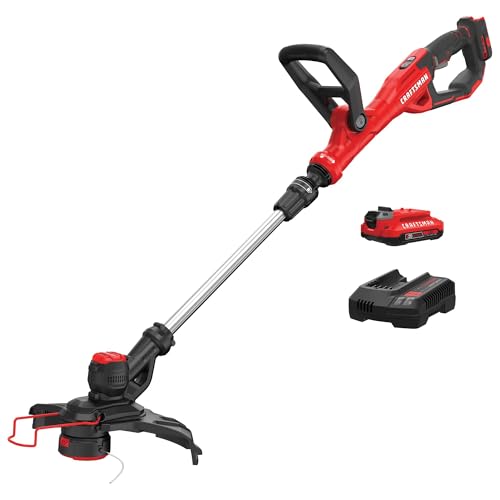

Types of Brush Trimmers Compared
| Type | Best For | Pros | Cons | Typical Price |
|---|---|---|---|---|
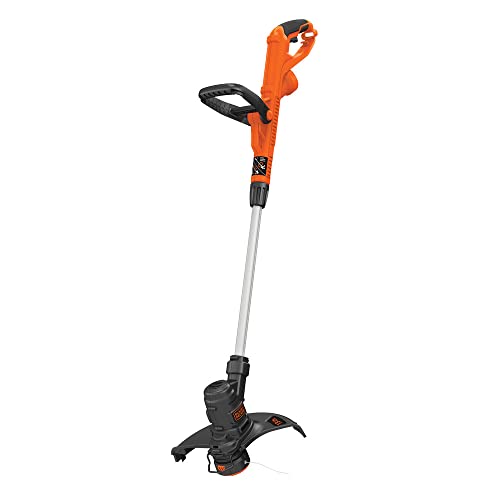
| Corded Electric Models | Small yards near an outlet | Light, quiet, steady power | Limited reach, cord management | About $70 to $150 |
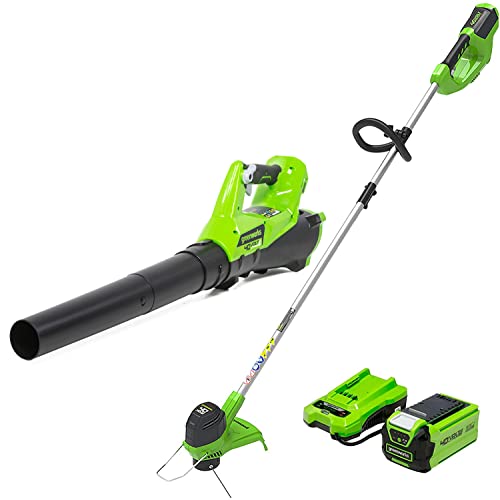
| Cordless Battery Models | Medium yards without outlets | Free movement, low noise | Run time limits, battery cost | About $120 to $300 |
| Attachment Capable Systems | Yards with several jobs | One power head, many tools | Heavier, higher total cost | About $150 to $350 |
Corded Electric Models
Corded electric models plug into a standard outlet and run as long as you need them, with no battery to charge or fuel to mix. They tend to be lighter than battery models, quieter than gas models, and simple to start. The main limit is reach, since you need an outdoor rated extension cord and a safe path for it.
They suit small yards, patios, and edges near the house. Keep the cord behind you and clear of the cutting head at all times.
Power is steady but modest, so corded models handle grass and light weeds best. Thick brush and woody stems may stall a small corded head, and forcing it can wear the line quickly. Check the cutting width, since a wider head covers open ground faster but is harder to control in tight spots. For a small, flat yard with nearby outlets, a corded model is often the simplest and cheapest way in.
Cordless Battery Models
Cordless battery models use a rechargeable pack, so you can work anywhere without a cord. They start with a switch, run quietly, and need little upkeep beyond charging and line replacement. Run time is the main trade off, since a single pack may last only part of a large job.
Battery size, usually stated in amp hours, affects run time more than any other single number. A second pack helps on larger yards, but it adds cost.
Cordless models now cover a wide power range, from light grass trimmers to stronger brush capable heads. For tougher brush, look for a model that accepts a blade head and states brush cutting in its intended use. Weight rises with battery size, so balance matters on long jobs.
A shoulder strap helps, and a well balanced tool causes less arm fatigue than a lighter tool with a poor grip.
Attachment Capable Systems
Attachment capable systems use one power head with swapable heads for trimming, edging, and other yard jobs. They suit buyers who want one engine or motor to serve several tasks without storing many tools. The trade off is weight and cost, since the power head must be strong enough for the heaviest attachment.
Check which attachments fit your model, since systems are not always cross compatible. Also check how the head locks.
For brush work, the trimmer attachment is the key part, so compare its cutting width and head options first. Some systems offer a brush blade head, while others are grass only. If you only need trimming, a dedicated trimmer is usually lighter and cheaper.
An attachment system pays off when you truly plan to use two or more heads across the year. Otherwise, the extra weight is a cost with no benefit.
Corded Electric Models vs Cordless Battery Models: Which Should You Choose?
Choose corded if your yard is small, flat, and close to an outlet, and you want the lowest cost and lightest tool. Choose cordless if you need to reach fences, slopes, or far corners without managing a cord. Run time is the deciding factor for cordless buyers, so match battery size to yard size and consider a spare pack.
Weight is the deciding factor for corded buyers, since a lighter tool is easier to control along edges. Noise matters too, since both electric types run quieter than gas, which helps in close neighborhoods.
Cutting power overlaps more than marketing suggests, so do not judge by voltage alone. A corded model with a good head can outcut a weak cordless model, and a strong cordless model can outcut a small corded one. Compare cutting width, head type, and intended use for brush rather than a single power number.
For thick brush, a blade capable head matters more than a small bump in voltage. For grass and light weeds, either type works well.
How to Choose the Right Brush Trimmer
Weight and Balance
Weight and balance affect comfort more than any spec on the box. A tool that feels fine for five minutes can feel heavy after half an hour, especially on slopes. Look for an adjustable handle and a shoulder strap, and hold the tool at cutting height to check balance.
The head should not pull your arms down, and the grip should let you steer without straining your wrists. If you have a large yard, balance matters more than a small weight saving on paper.
Shaft Type and Attachments
Shaft type shapes reach and control. A straight shaft reaches under shrubs and along fences more easily, while a curved shaft is lighter and suits shorter users and tight edges. Attachment capable shafts add versatility but also add joints and weight.
Check whether the shaft splits for storage, since a split shaft is easier to transport and store. Also check head compatibility, because string heads and blade heads are not universal. See our guide to best grass trimmers if your main job is grass rather than brush.
Warranty and Service Network
Warranty length and service access matter for a tool that meets dirt, moisture, and vibration every use. Many makers offer a warranty of about 3 to 5 years for home use, but terms differ for batteries, heads, and commercial use. Read what the warranty covers and how claims work before buying.
A local service option helps when a head or switch fails mid season. Keep the receipt and the model details, since warranty claims often need both.
Power Source
Power source is a trade off between convenience and cutting strength. Corded power is steady and cheap but tied to an outlet. Battery power is free moving but limited by run time and pack cost.
Gas power, where offered, suits large and remote areas but adds noise, fuel, and upkeep. For most home yards, an electric type is enough, and the choice comes down to yard size and outlet access. Match the power source to your yard, not to the highest number on the label. For weed and brush control beyond trimming, see our guide to best brush killers for a different approach to unwanted growth.
Care and Maintenance Tips
Wear eye and ear protection every time you trim, and wear long pants, closed shoes, and gloves. Clear the area of stones, wire, and hidden objects before you start, since the head can throw debris. Clean debris from the head after each use, and check the line or blade for wear before the next job.
Store batteries at room temperature and away from damp sheds in winter. Follow the maker guidance for line replacement, blade sharpening, and storage, and follow local rules for brush disposal and burning.
Brush Trimmers: Your Questions Answered
How Long Do Trimmer Batteries Last on a Charge?
Run time depends on battery size, cutting load, and head type, so there is no single answer. Light grass trimming may run far longer than cutting thick brush with a blade head. A larger amp hour pack usually runs longer, but it also adds weight.
To extend run time, trim in short passes and avoid forcing the head through thick stems. A spare pack is the simplest fix for a yard that takes longer than one charge. Keep that spare pack charged for larger jobs, and store packs at room temperature between uses.
Is Gas or Battery Better for a Small Yard?
Battery power is usually the better fit for a small yard. It starts easily, runs quietly, and needs no fuel mixing or engine upkeep. Gas power suits large, remote areas where run time matters more than noise.
For a small yard, the extra weight and upkeep of gas rarely pays off. If you already own batteries in the same system, a cordless trimmer is often the cheaper and simpler choice. Gas models also need fuel mixing, spark plug care, and winter storage steps that battery models avoid.
What Voltage Should a Brush Trimmer Buyer Choose?
Voltage alone does not tell you how well a trimmer cuts brush. Cutting width, head type, and motor design matter just as much. Higher voltage models often pair with larger batteries and stronger heads, but a well designed lower voltage model can still handle grass and light weeds.
For brush, look for a blade capable head and a stated brush use rather than chasing voltage. Compare the whole tool, not one number. Also check cutting width and head type, since those shape real cutting ability more than voltage alone.
Is a Battery Brush Trimmer Powerful Enough for Brush?
Some battery models are powerful enough for light brush, but not every battery trimmer is. Grass only heads struggle with woody stems, while blade capable heads cut brush far better. Check the intended use stated by the maker, and match the head to the thickest stems in your yard.
For stems thicker than a finger, a dedicated brush tool or a manual saw may be safer. Do not force a grass head through woody growth. Test on the thickest stems in your yard before committing to a full clearing job.
The Bottom Line
Start with yard size and power access, then choose the head that matches your brush. Corded models suit small yards near outlets, cordless models suit medium yards without cords, and attachment systems suit buyers with several yard jobs. Compare weight, shaft, cutting width, and warranty before you compare price. Check the product table above, and pick the best brush trimmer for the yard you actually clear.