Best Brown Rice Cookers 2026: Brown Rice Settings, Capacity and Care
Disclosure: We may earn a commission when you buy through links on this page, at no extra cost to you. As an Amazon Associate I earn from qualifying purchases. Learn more

Compare brown rice cookers by cooking time, capacity, and settings, and learn how to get tender brown rice without guesswork or mushy results.
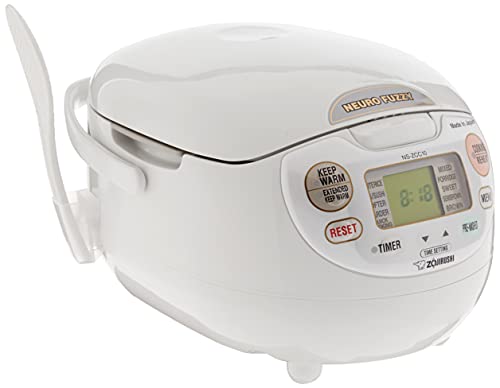
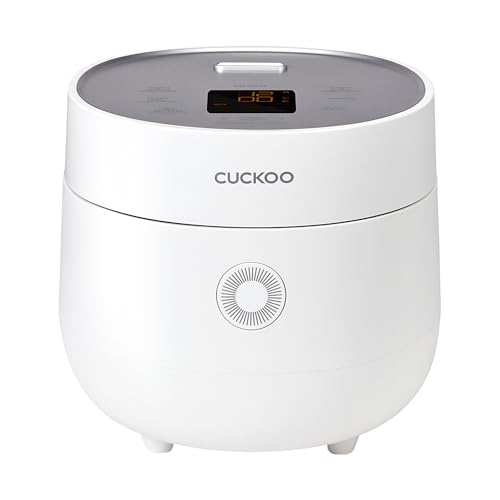
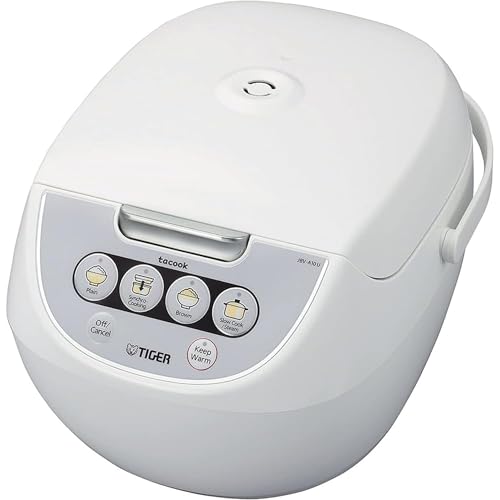
Brown rice takes longer to cook than white rice and needs more water, and best brown rice cookers focuses on machines that handle that difference well. A cooker with a dedicated brown rice setting adjusts time and temperature for the tougher bran layer, which is why results can differ so much between models. The comparison table below brings the main options together in one place, so you can scan the differences before reading the detail.
The bran layer on brown rice slows water absorption, so a good cooker soaks, heats steadily, and then rests the rice before serving. Machines without a brown rice mode may undercook the center or overcook the outside, leaving an uneven texture. Capacity matters too, since a cooker that is too large for a small household may cook unevenly, while one that is too small will boil over.




Who Should Buy a Brown Rice Cooker
This guide suits anyone who cooks brown rice regularly, from busy households to people who batch cook for the week. It is especially useful if your brown rice has been crunchy, mushy, or inconsistent despite following the same recipe. Small households may prefer a compact model, while larger families need a bigger capacity. If you also cook white rice, grains, or steamed dishes, a multi function model may be better value.
Key Features to Compare
The features below matter more than the number of programs alone. A cooker that nails brown rice and suits your household size will serve you better than a complex model you rarely use fully.
- Brown rice setting, since a dedicated program adjusts time, heat, and resting for the bran layer
- Capacity, because the right size depends on how many people you cook for and whether you batch cook
- Inner pot quality, including nonstick coating and thickness, which affect even heating and cleaning
- Keep warm function, meaning how long rice stays safe and tasty without drying out
- Extra functions, such as steaming, porridge, or slow cooking, which add versatility
For small brown rice cookers, best small rice cookers for brown rice covers compact options.
Types of Rice Cookers for Brown Rice
Basic cookers with a brown rice setting handle the job well for most households and are simple to use. Fuzzy logic cookers adjust heat and time based on sensors, which can improve consistency across different rice types and amounts. Induction heating cookers heat the pot more evenly and often give excellent results, though they cost more. Multi cookers combine rice cooking with steaming and slow cooking, which suits smaller kitchens with limited storage. Start with a basic brown rice setting, and upgrade only if you want finer control or extra functions.
For rice to use in your cooker, best rice for rice cookers covers rice for rice cookers.
How to Choose the Right Option
Measure rice and water by weight or with the cup supplied, and rinse brown rice lightly unless your manual advises otherwise. Some cooks soak brown rice for thirty minutes before cooking, which can shorten cooking time and improve texture. Use the brown rice setting, avoid opening the lid during cooking, and let the rice rest for ten minutes after the cycle ends. Fluff gently with a paddle rather than stirring vigorously, which breaks grains and makes mush. Keep notes on water ratios for your rice brand, since brands vary.
For combination models, best rice cookers and steamers covers rice cookers and steamers.
Common Mistakes to Avoid
A common mistake is to use the white rice water ratio for brown rice, which leaves the center undercooked. Another is to lift the lid to check progress, which releases steam and disrupts the cycle. Cooking too small an amount in a large cooker can also cause uneven results, since the sensor may misread the load. Skipping the resting period is another frequent error, since resting lets moisture spread evenly through the grains. Finally, using an old or damaged nonstick pot can cause sticking and uneven heating.
Cleaning and Everyday Care
Clean the inner pot and lid after each use, and dry them fully before storing to prevent odors. Check the steam vent and sealing parts regularly, since blocked vents affect cooking. Avoid metal utensils on nonstick surfaces, which scratch the coating over time. Store the cooker with the lid slightly open if you use it rarely, to prevent stale smells. With basic care, a good rice cooker will deliver consistent brown rice for years.
For Asian style cookers, best asian rice cookers is a useful companion guide.
Water Ratios and Cooking Times
Most brown rice cooks well at about one part rice to one and a quarter or one and a half parts water, but the right ratio depends on the rice variety and the cooker. Short grain brown rice tends to come out stickier, long grain stays more separate, and basmati style brown rice cooks a little faster. Many cookers print water lines for brown rice inside the pot, which removes the guesswork. If your first batch is too firm, add a little more water next time. If it is soggy, reduce the water slightly and make sure you let the rice rest.
Expect a full cycle of about 50 to 90 minutes. Cookers with a delay timer let you start the rice before work and find it ready when you return, and a soak phase built into the brown rice program often improves the texture. Fuzzy logic and induction models usually manage the longest cycles most consistently.
Choosing the Right Capacity
Rice cooker capacity is usually given in cooked cups, so a 6 cup model makes about three cups of dry rice worth of cooked rice. A 3 cup cooker suits one or two people, a 5 to 6 cup cooker suits a family of three or four, and a 10 cup model suits batch cooking and large households. Brown rice expands less than white rice, but you still need headroom in the pot, so avoid filling it above the maximum line. If you often cook for guests, choose the larger size and use the lower fill lines on quiet days.
Nonstick, Stainless and Ceramic Pots
Nonstick pots make cleanup easy but need gentle utensils, and the coating wears over several years. Stainless steel pots last longer and avoid coating concerns, but rice can stick more and needs a good soak to clean. Ceramic coated pots sit between the two and are popular with buyers who want a nonstick surface without PFAS. Whatever the material, a thick pot spreads heat evenly, which is especially useful for brown rice because its bran layer cooks more slowly.
Frequently Asked Questions
How long does brown rice take in a rice cooker?
Brown rice usually takes around fifty to ninety minutes depending on the cooker, the amount, and whether it was soaked. A dedicated brown rice setting manages this automatically, so you do not need to guess. Allow extra time compared with white rice, and let the rice rest after cooking.
Should I soak brown rice before cooking?
Soaking for thirty minutes can improve texture and slightly shorten cooking time, though it is not always required. Some cookers include a soaking phase in the brown rice program. Try both ways with your rice brand and keep the method that gives the texture you prefer.
Why is my brown rice crunchy in the middle?
Crunchy centers usually mean too little water, too short a cooking time, or a cooker without a proper brown rice setting. Increase water slightly, use the brown rice program, and allow a full rest after cooking. If the problem persists, check that the lid seals well.
Can I cook other grains in a brown rice cooker?
Many brown rice cookers also handle mixed grains, quinoa, and porridge, depending on the model. Check the manual for recommended settings and water ratios, since grains absorb water differently. Start with small batches when trying a new grain.
What size rice cooker do I need?
A small cooker suits one or two people, while a medium cooker suits families of three to five. Larger cookers suit batch cooking or entertaining, but may cook small amounts unevenly. Choose based on your usual serving size rather than the largest meal you ever cook.
Final Thoughts
A good brown rice cooker takes the guesswork out of a grain that is easy to get wrong on the stove. Choose a model with a real brown rice setting, match the capacity to your household and give the rice time to rest after cooking. With consistent measuring and a little patience, the best brown rice cookers turn tender, fluffy brown rice into a weekly habit rather than a gamble.