Best Asian Rice Cookers 2026: A Practical Buying Guide
Disclosure: We may earn a commission when you buy through links on this page, at no extra cost to you. As an Amazon Associate I earn from qualifying purchases. Learn more
Cook perfect jasmine, basmati, and sticky rice every time. Compare fuzzy logic, induction, capacity, and pot quality so every batch turns out right.
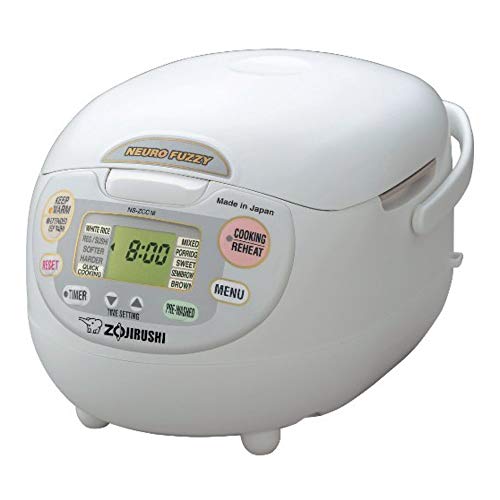
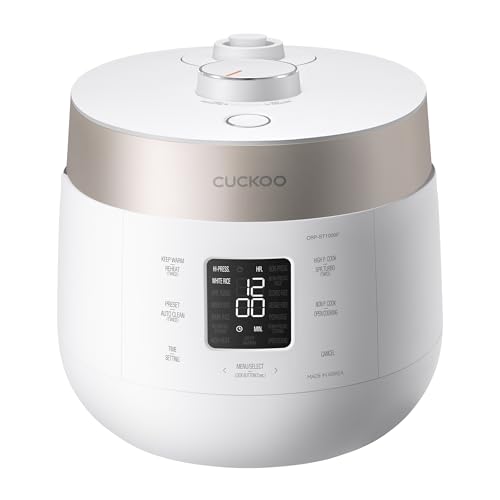
Perfect rice is about more than a button: grain type, water ratio, and heat control all matter. This guide to the best asian rice cookers explains fuzzy logic, induction heating, capacity, and pot quality. The product table below gives a quick side by side view of leading styles. Whether you cook jasmine daily or sticky rice for weekends, the right cooker removes guesswork.
Start with the rice you cook most. Jasmine, basmati, short grain, brown, and sticky rice each need different water and heat profiles. A cooker with dedicated settings for your main grains will outperform a basic on off model, especially for brown and mixed grain rice.


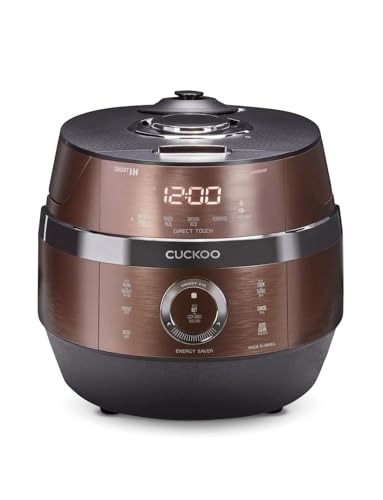


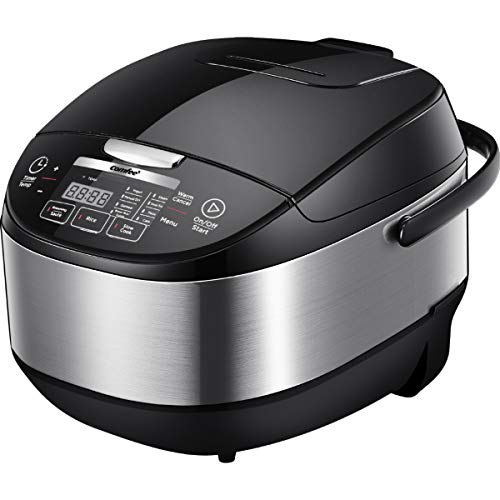
Who Should Buy an Asian Style Rice Cooker
An Asian style rice cooker suits households that cook rice several times a week, especially if you cook varied grains. It is ideal for families, meal preppers, and anyone who wants consistent results without watching a pot. It also suits cooks who value keep warm and timer functions for busy days.
A basic pot may suffice if you cook rice rarely or only one simple grain. In that case, a simpler cooker or stovetop method can work well. The advantage of a dedicated cooker grows with frequency and variety, so match the investment to your actual cooking habits, as covered in best rice for rice cookers.
Heating Technology: Fuzzy Logic and Induction
Fuzzy logic cookers use sensors and a microchip to adjust temperature and time during cooking. This improves results across grain types and batch sizes compared with simple thermostats. Induction heating adds precise, even heat and faster response, though it usually costs more.
For daily jasmine or short grain rice, fuzzy logic is often enough. For brown rice, porridge, and mixed grains, induction and advanced settings offer more consistent results. Consider how often you cook challenging grains before paying for top tier heating.
Capacity and Household Size
Capacity is measured in uncooked cups, and cooked volume roughly doubles. A small household may need only a three to five cup model, while a family or frequent entertainer needs eight to ten cups. Buying far larger than needed can reduce quality for small batches, since sensors are tuned for a range.
Also consider counter space and storage. Larger cookers are heavier and take more room, while compact models suit small kitchens. Measure your storage spot and check the cooker footprint, including lid clearance, before choosing, as covered in best brown rice cookers.
Inner Pot Quality and Ease of Cleaning
Inner pot material affects browning, durability, and cleaning. Nonstick pots are easy to clean but need gentle utensils to avoid scratches. Stainless or ceramic pots last longer yet may need soaking after sticky rice. A thick, heavy pot distributes heat more evenly than a thin one.
Check whether the inner lid, steam vent, and condensation collector are removable for cleaning. Parts that trap rice residue become hard to clean and can affect taste. A cooker that is easy to clean will be used more often and last longer.
Settings Worth Having, and Ones to Skip
Useful settings include white, brown, mixed grain, porridge, steam, and quick cook, plus a delay timer and keep warm. A dedicated sticky rice or GABA brown rice setting matters only if you cook those grains regularly. Otherwise, those extras add cost without daily benefit.
Skip features you will not use, such as complex menus you find confusing or a voice guide in a language you do not need. Simplicity matters for a daily appliance: the best cooker is the one everyone in the household can operate confidently, as covered in best rice cookers and steamers.
Related reading on this site can help you compare nearby options, including best affordable rice cookers, so you can check how a related choice differs before you settle on one.
Frequently Asked Questions
Why does my rice cooker rice turn out mushy?
Mushy rice usually comes from too much water, the wrong setting for the grain, or lifting the lid during cooking. Rinse rice as directed for the variety, measure water carefully, and let the rice rest after cooking before fluffing. Different grains need different ratios, so check the guide for your rice type.
Is induction worth the extra cost?
Induction offers more precise and even heating, which helps brown rice, porridge, and mixed grains most. For daily white rice, fuzzy logic models already perform well and cost less. Choose induction if you cook varied or challenging grains often, and fuzzy logic if white rice dominates.
What size rice cooker should I buy?
Choose by uncooked cup capacity for your household: small households suit three to five cups, families suit five to eight cups, and frequent entertainers suit ten cups. Remember cooked volume roughly doubles. Avoid buying far larger than needed, since small batches can cook less evenly in oversized pots.
How do I clean a rice cooker properly?
Wash the inner pot with gentle tools, wipe the heating plate, and clean removable lids, steam vents, and condensation collectors regularly. Avoid abrasive pads on nonstick pots. Dry all parts before reassembling, and descale or wipe the exterior as needed to keep the cooker in good condition.
Can a rice cooker cook other foods?
Many models steam vegetables, cook porridge, soups, and even cakes, depending on settings. Check your model guide for suitable recipes and limits. Sticky or sugary foods need extra cleaning care, and overfilling can cause spills, so follow capacity guidance for non rice dishes.
Final Thoughts
The right cooker for you matches your main grains, household size, and kitchen space, with heating technology that suits your cooking frequency. Use the product table to compare styles, then prioritize pot quality and settings you will actually use.
Measure carefully, rinse as directed, and let rice rest before serving. With the right cooker and habits, perfect rice becomes an everyday result rather than a lucky one. In short, choosing the right best asian rice cookers comes down to matching the guidance above to your own needs and routine.