Best Brooks Stability Running Shoes for 2026: Budget, Midrange, and Premium Tiers
Disclosure: We may earn a commission when you buy through links on this page, at no extra cost to you. As an Amazon Associate I earn from qualifying purchases. Learn more

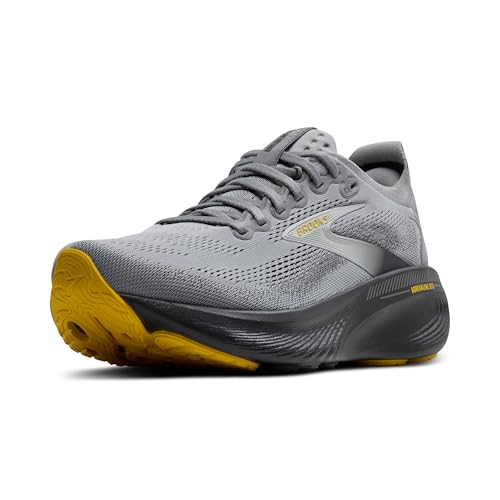
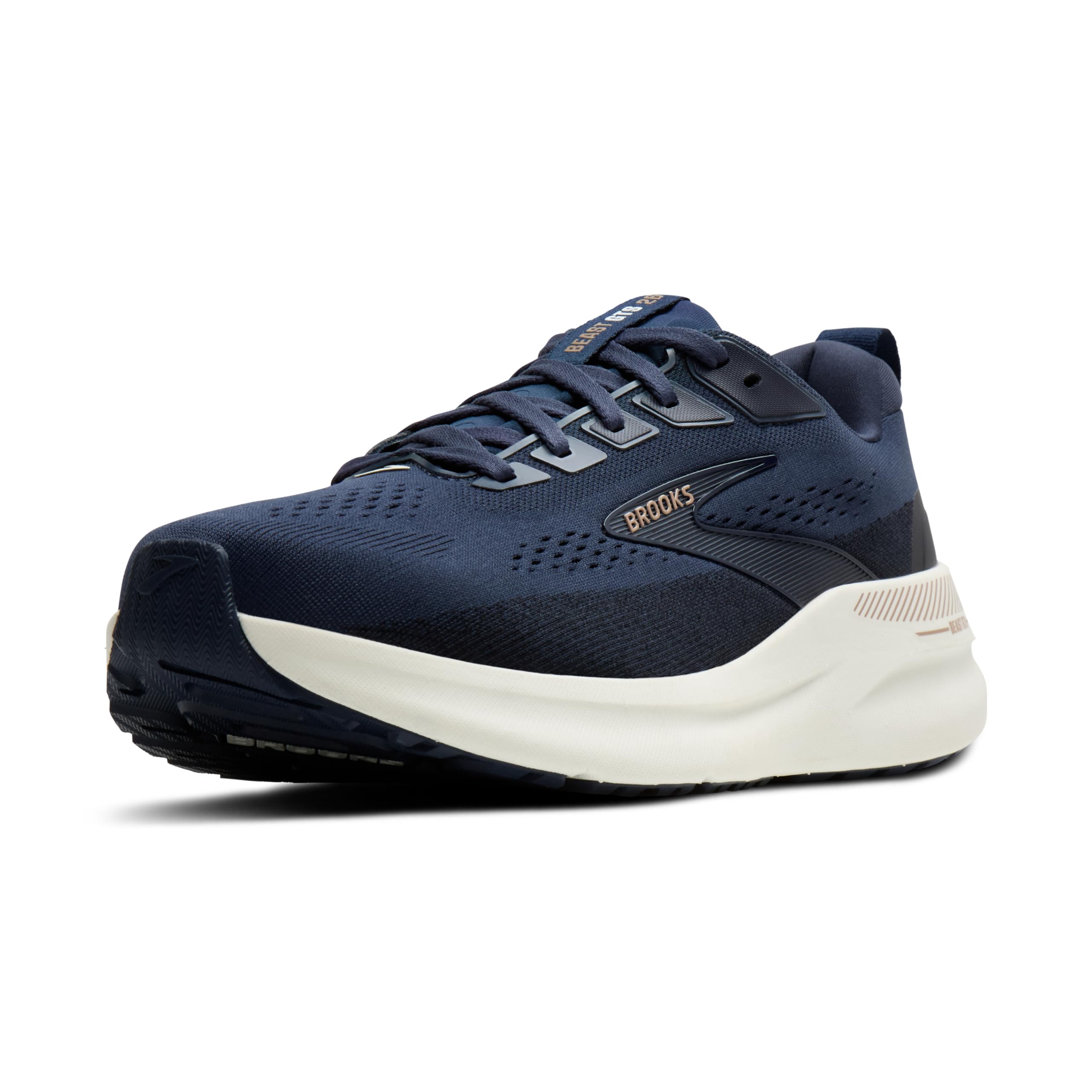
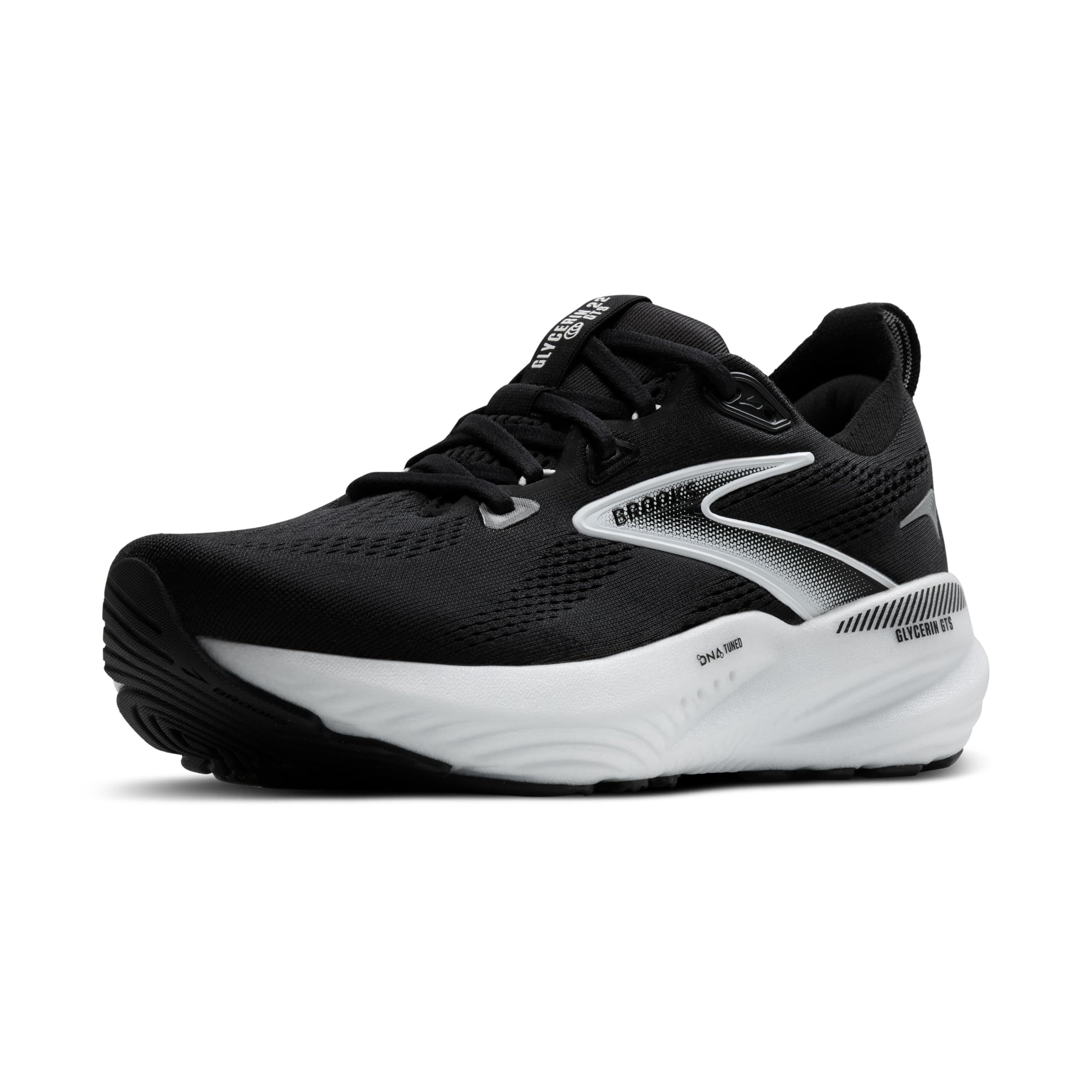
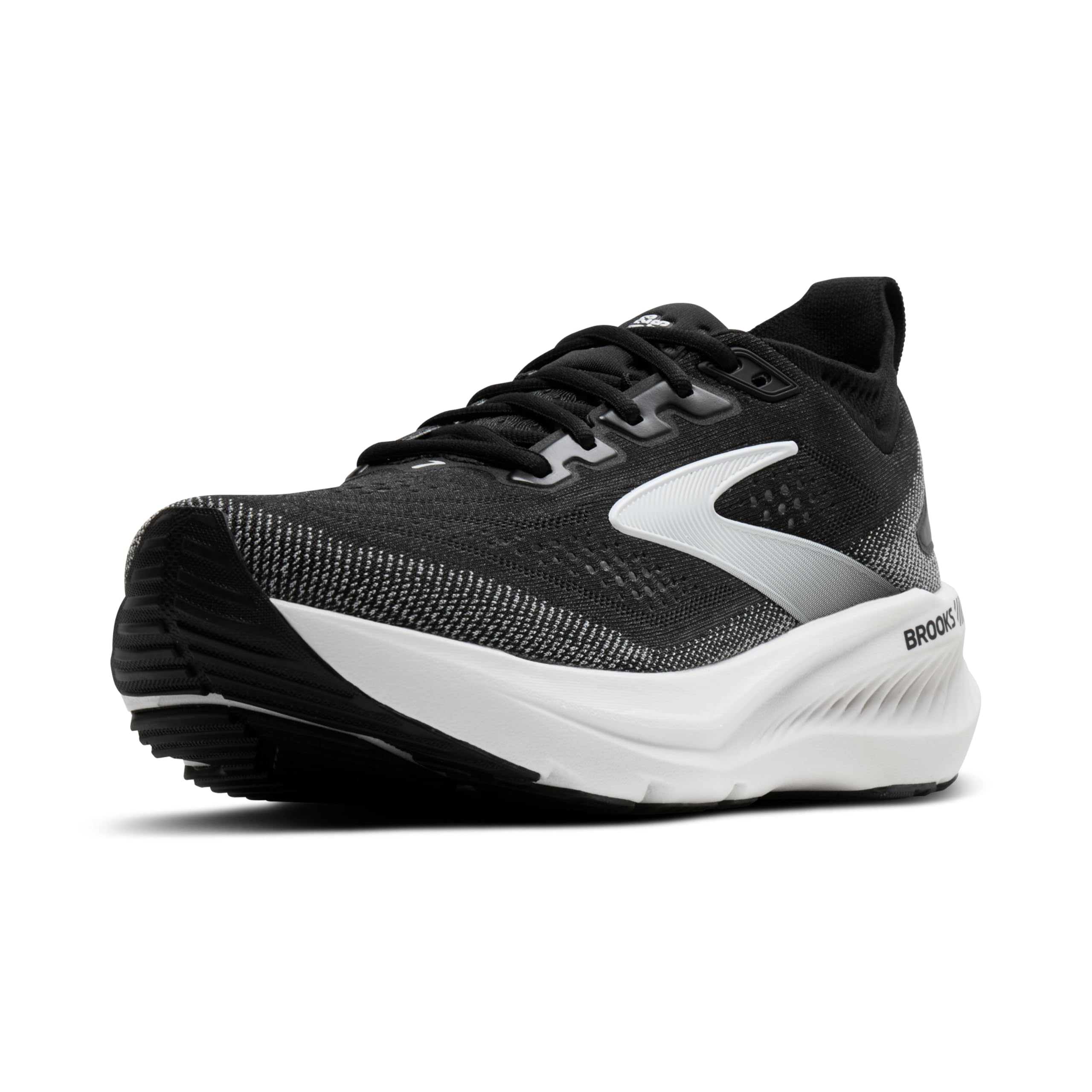
Compare best brooks stability running shoes by price tier, support, cushioning, and fit so you can spend on the features that matter most to you.
Stability shoes from one brand can span a wide price range, and the gap between tiers is not always obvious from a product photo. Extra money sometimes buys real guidance and softer foam, and sometimes it buys little more than a fresh color. This guide sorts out which upgrades change your run and which ones you can safely skip.
The best brooks stability running shoes for you depend on how much your stride rolls inward and how many miles you log each week. Start with the comparison table below, then use the tier breakdown that follows to set a sensible budget.



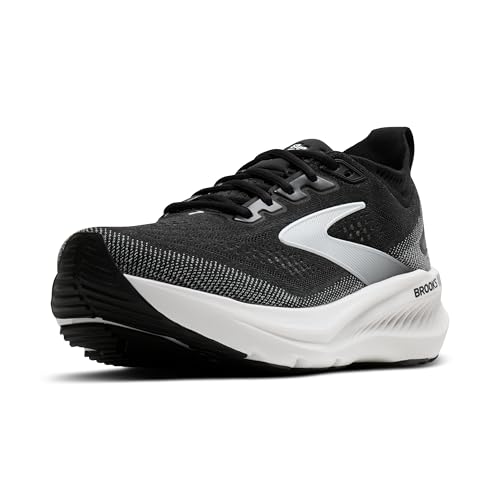
Choosing by Budget: What Each Tier Looks Like
Instead of naming specific models, this section describes the profile you should expect at each price level, so you can judge any shoe in the product table above against a fair standard. Prices for Brooks stability trainers generally fall between about $100 and $180, with sales moving shoes between tiers often.
Budget Tier Profile
A budget stability shoe, usually around $100 to $120, gives you the core job done: a firmer section of foam or a guide system that slows inward roll, a padded heel collar, and a durable rubber outsole. Cushioning tends to feel firmer and a little heavier than pricier options.
This profile suits newer runners, walkers who pronate, and anyone testing whether stability helps before spending more. The main limitation is foam life and softness on long runs. If your longest run stays under an hour, a budget tier shoe often covers your needs without waste.
Midrange Tier Profile
Midrange stability shoes, around $120 to $150, are where most runners land. Expect lighter and more responsive foam, a smoother transition from heel to toe, and guide features that feel less intrusive because they work through the full stride rather than bracing one spot.
Uppers also improve at this level, with engineered mesh that holds the midfoot firmly while leaving the toes room. For runners training three to five days a week, this tier usually delivers the best balance of support, comfort, and lifespan per dollar spent.
Premium Tier Profile
Premium stability shoes, around $150 to $180, add the softest and springiest foams, refined guide systems, and lighter builds. The support feels present but subtle, which experienced runners who dislike a stiff, controlling shoe tend to prefer. Some premium models also add plated or rocker shaped designs for faster days.
This tier makes sense for high mileage training, marathon blocks, and runners with a history of pronation related aches who know stability works for them. If you run twice a week on soft surfaces, the same money often goes further on two midrange pairs rotated through the week.
What Your Money Gets You at Each Price Tier
Budget Tier: What to Expect
At the budget level you get dependable structure: firmer foam, a wider base for balance, and outsoles that grip well on roads and tracks. What you give up is softness and weight. Long runs can feel blunt underfoot, and the upper may need a few runs to shape to your foot.
Durability is usually a strength here, since simpler foams and generous rubber age slowly. For a first stability shoe, that toughness is a fair trade. Save the upgrade money until you know your mileage and preferences.
Midrange Tier: The Sweet Spot for Most Buyers
Midrange shoes add foam that returns more energy with each step, so easy miles feel less flat by the final third of a run. Guidance becomes smoother too, often using rails or shaped foam along both sides of the heel and midfoot to nudge your stride only when it drifts.
You also gain width options at this tier, including wide sizes on many styles, plus better breathability from lighter mesh. For most pronators training regularly, no higher tier changes the fundamentals. This is the level to beat when you compare anything pricier.
Premium Tier: When Spending More Pays Off
Premium money pays off when small comfort gains repeat thousands of times per run. Softer landing foam reduces the pounding on tired legs late in a long run, and a lighter shoe saves real effort across a marathon build. Refined uppers can also end chronic heel slip or lace pressure that cheaper builds caused.
It does not pay off as a status buy. A premium shoe will not fix pain caused by training errors, weak hips, or the wrong size. Buy up for mileage and feel, not for the label, and consider a gait check first if you are new to stability. Our overview of the best stability running shoes explains how brands differ in approach.
Features Worth Paying For (and Ones to Skip)
Break In Period and Comfort Out of the Box
Modern Brooks stability shoes need almost no break in period, and that comfort is now standard at every tier, so do not pay extra for it. A shoe should feel smooth on your first short run. Firm guide elements may feel noticeable for a day or two, then fade as the foam adapts. Rubbing, numb toes, or heel slip on day one signal a fit issue worth an exchange, not patience.
Fit, Sizing, and Toe Box
Fit is the feature most worth your attention, and it costs nothing extra. Measure your feet in the afternoon, when they are largest, and leave about a thumb width ahead of your longest toe. Stability shoes hold the midfoot firmly by design, so the toe box should still let your toes lie flat and spread on landing.
If your forefoot feels squeezed, try the wide version before going up a full size, because extra length can let your foot slide forward into the support structure. Runners new to the brand can compare fit notes in our guide to the best brooks running shoes across categories.
Outsole Traction and Terrain
Brooks stability shoes are road shoes first, with flat, durable rubber that grips wet pavement well. Lug depth is shallow, which is correct for sidewalks and tracks. If your routes include gravel paths or park grass, that rubber still copes, but deep mud and steep trails call for a trail shoe instead.
Do not pay a premium for aggressive tread you will never use. Do check that rubber covers the heel and forefoot fully, since exposed foam wears fast and shortens the life of an otherwise good shoe. High wear runners should look for thicker rubber at the outer heel.
Waterproofing (Gore Tex and Membranes)
Gore Tex versions of stability models exist and add a clear premium to the price. They earn it only if you train through months of rain, slush, or wet grass and hate soaked socks. The membrane blocks water from outside, but it also slows drying once water enters over the collar, and it reduces breathability on warm days.
For most runners, a standard breathable mesh shoe plus wool blend socks is the smarter spend. Save waterproof money for winter walkers and trail users. If you shop for a training partner as well, our guide to the best brooks running shoes women covers the same trade offs in women specific fits.
Long Term Costs to Factor In
The shoe price is only part of ownership. Budget for replacement every 300 to 500 miles, because worn foam stops guiding your stride long before the upper fails. High mileage runners may buy two pairs a year, which makes midrange value easier to justify than one premium pair worn past its life.
Add smaller costs too: quality socks that reduce blister risk, replacement insoles if you use custom orthotics, and a second pair for rotation if you run daily. Brooks warranties cover defects rather than wear, so keep your receipt and mileage log. A fair total cost view often favors the tier you will actually replace on time.
Brooks Stability Running Shoes: Your Questions Answered
Do I need waterproof stability running shoes?
Usually not. Waterproof membranes help in cold rain and slush, but they trap heat and dry slowly after water gets in. Most stability runners do better with breathable mesh and moisture wicking socks. One exception: if you walk or run commute daily through a wet winter, a waterproof pair as your second set makes rough mornings far more pleasant.
Are expensive brooks stability running shoes worth it?
They are worth it for high mileage runners who feel the difference in softer, lighter foam over long weeks of training. They are harder to justify for low mileage use, where midrange shoes give nearly the same support. A money saving tip: premium models from the prior season often drop into midrange pricing while keeping the same guide system and fit.
How should brooks stability running shoes fit?
They should hold your midfoot and heel securely while leaving your toes free to splay. Aim for about a thumb width of space in front of your longest toe, and expect the guide features to feel like a gentle boundary, not a wedge. Measure late in the day, wear your running socks, and test both feet, since one is usually larger.
How long is the break in period for stability shoes?
Expect almost none. Two or three short runs should tell you whether the fit and guidance suit your stride. The foam may soften slightly over the first week, but pain, numbness, or blisters are not break in symptoms; they mean the size, width, or support level is wrong for you. Return or exchange promptly while indoor testing keeps the shoes clean.
Can I wear Brooks stability running shoes all day?
Yes, many people wear them for work and errands because the structured support helps tired, pronation prone feet during long standing hours. The firm midsole can feel tiring on concrete if you mostly stand still, so rotate with a softer walking shoe if that is your routine. Parents shopping for family miles may also like our general guide to the best running shoes.
How often should I replace my brooks stability running shoes?
Replace them every 300 to 500 miles, or sooner if aches return on familiar routes. A useful home test: place the shoes on a table and look from behind. A heel that leans inward shows the support structure has broken down unevenly. At that point guidance is no longer doing its job, even if the outsole still looks fine.
Final Thoughts
Set your tier by mileage, not by marketing. Budget shoes cover new and low mileage runners, midrange shoes suit most regular training, and premium shoes repay high mileage legs. Across every tier, fit and honest replacement timing matter more than any single feature.
Compare the best brooks stability running shoes in the product table above, pick the tier that matches your week, and spend the savings from skipping unneeded upgrades on socks and a second pair for rotation. If pain persists despite good shoes, talk with a clinician or a qualified running specialist about your stride.