Best Brooks Shoes for Supination 2026: Cushioned Neutral Shoes for Outward Roll
Disclosure: We may earn a commission when you buy through links on this page, at no extra cost to you. As an Amazon Associate I earn from qualifying purchases. Learn more

Best Brooks shoes for supination: soft, flexible neutral models that absorb impact when the foot rolls outward, plus fit and wear tips.
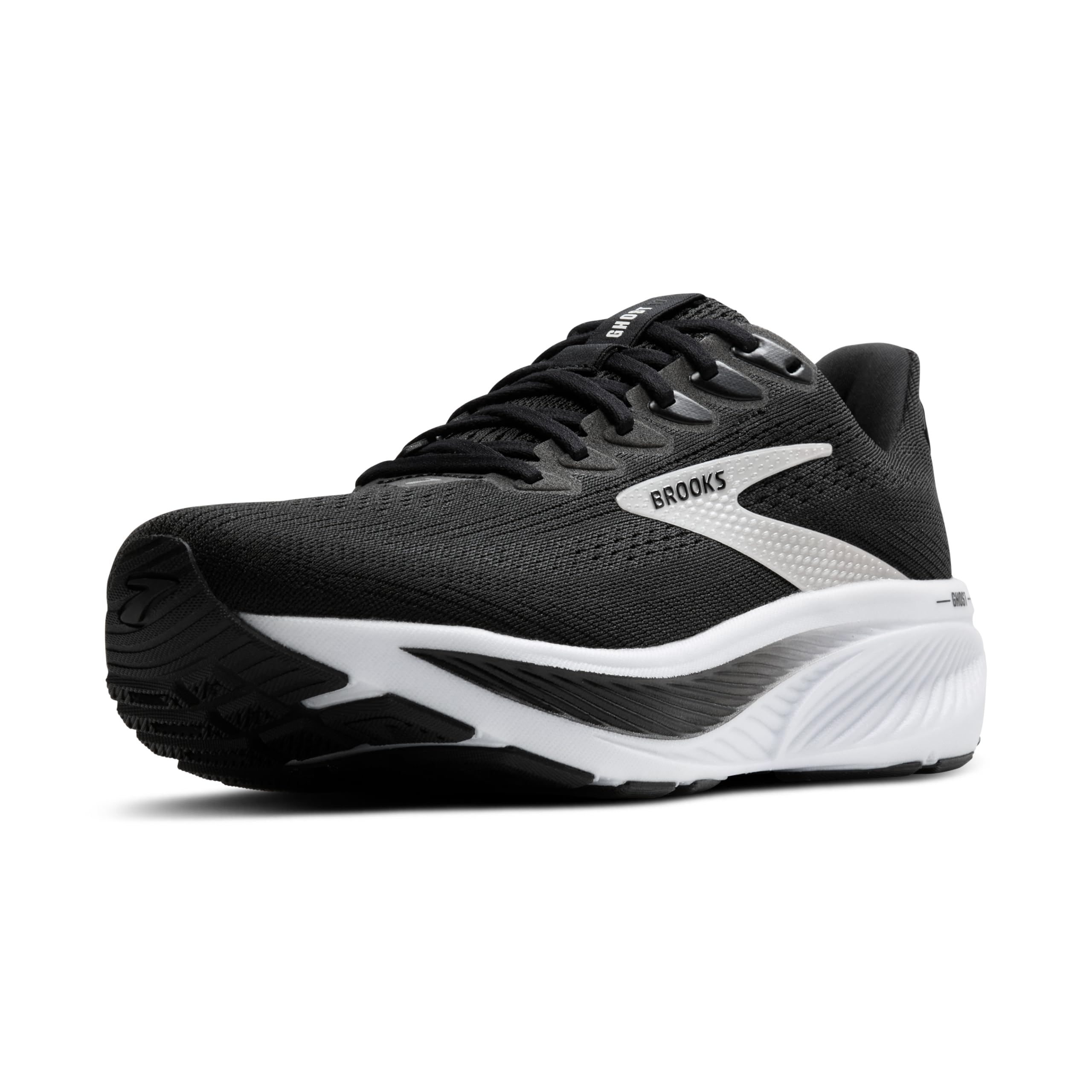
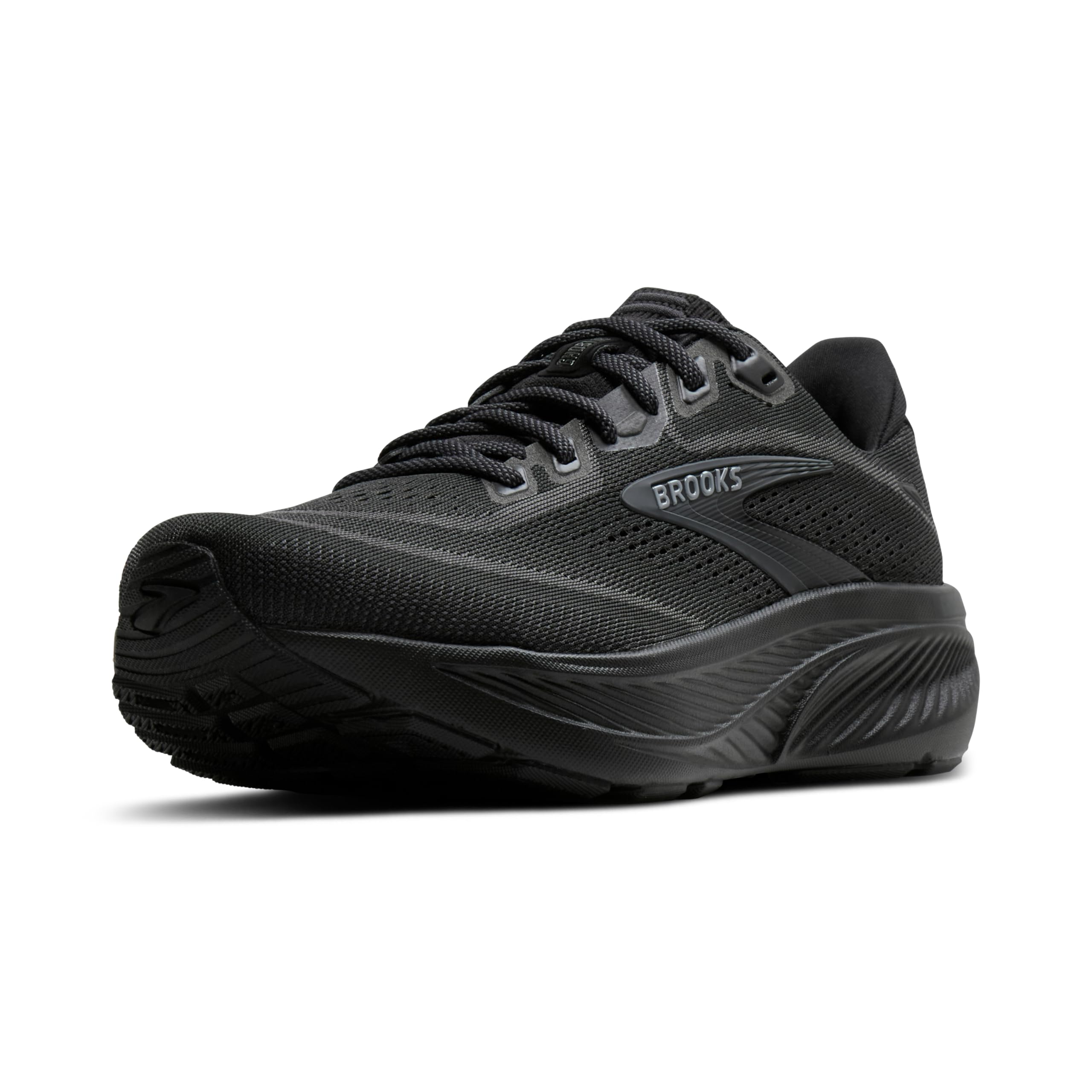
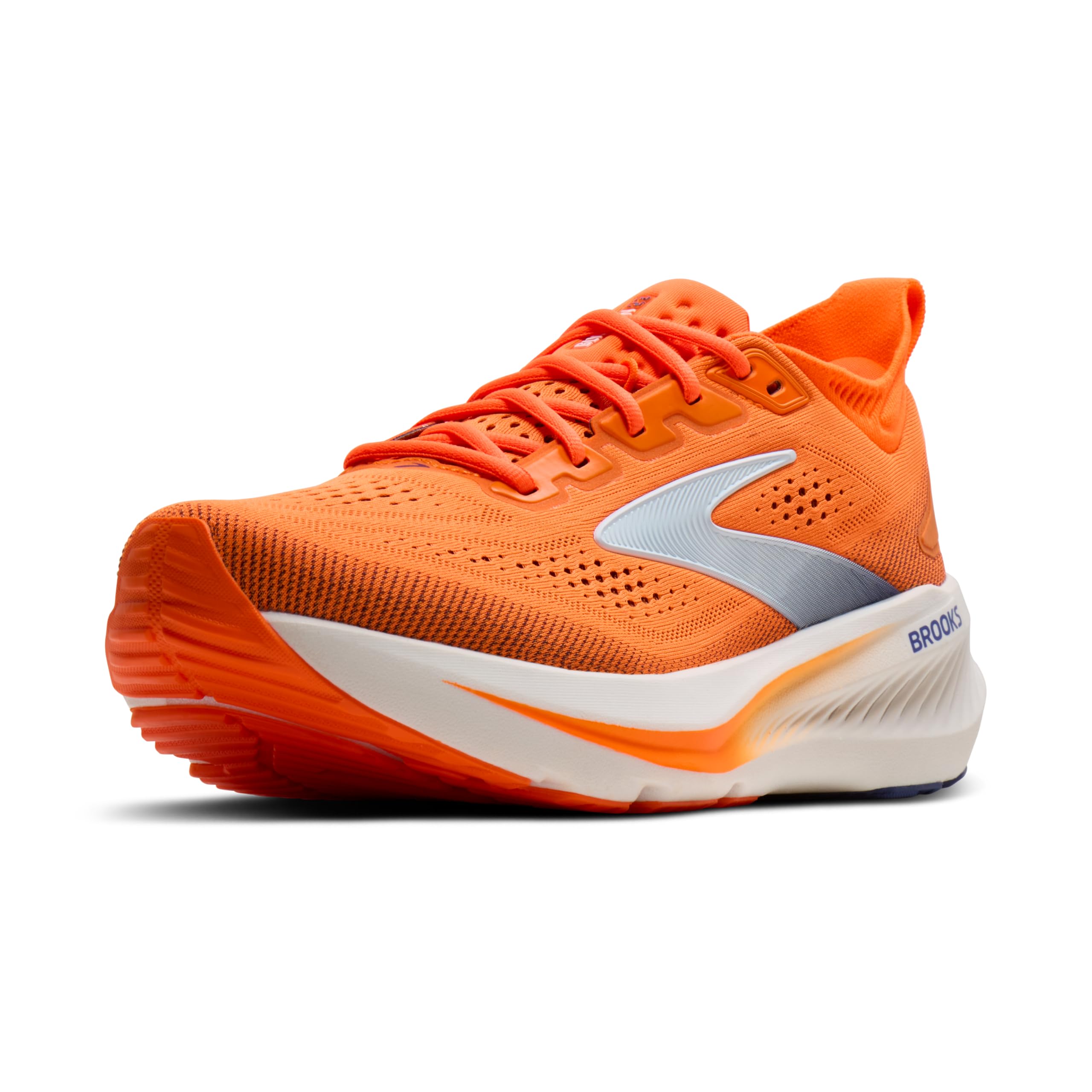
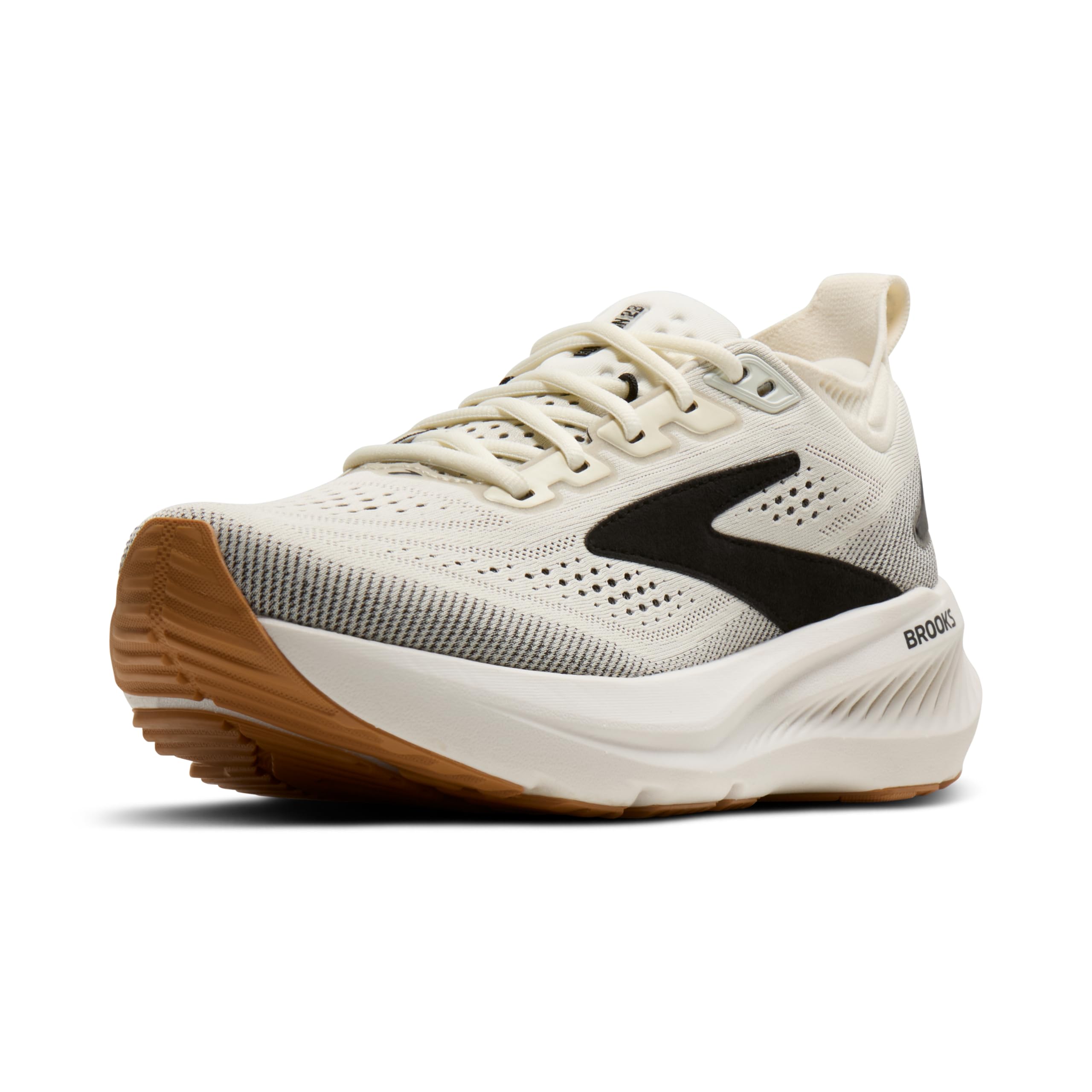
The best brooks shoes for supination are neutral, softly cushioned models with a flexible forefoot and a stable heel. Supination, also called underpronation, means the foot rolls toward the outside edge as you walk or run, which leaves less of the foot to absorb impact. The table below lists current Brooks options, and this guide explains what to look for.
Most people who supinate land on the outer part of the heel and push off from the smaller toes. That pattern puts extra load on the outer ankle, the lower leg and the outside of the foot, so cushioning and a wide, steady base matter more than a stiff arch support.


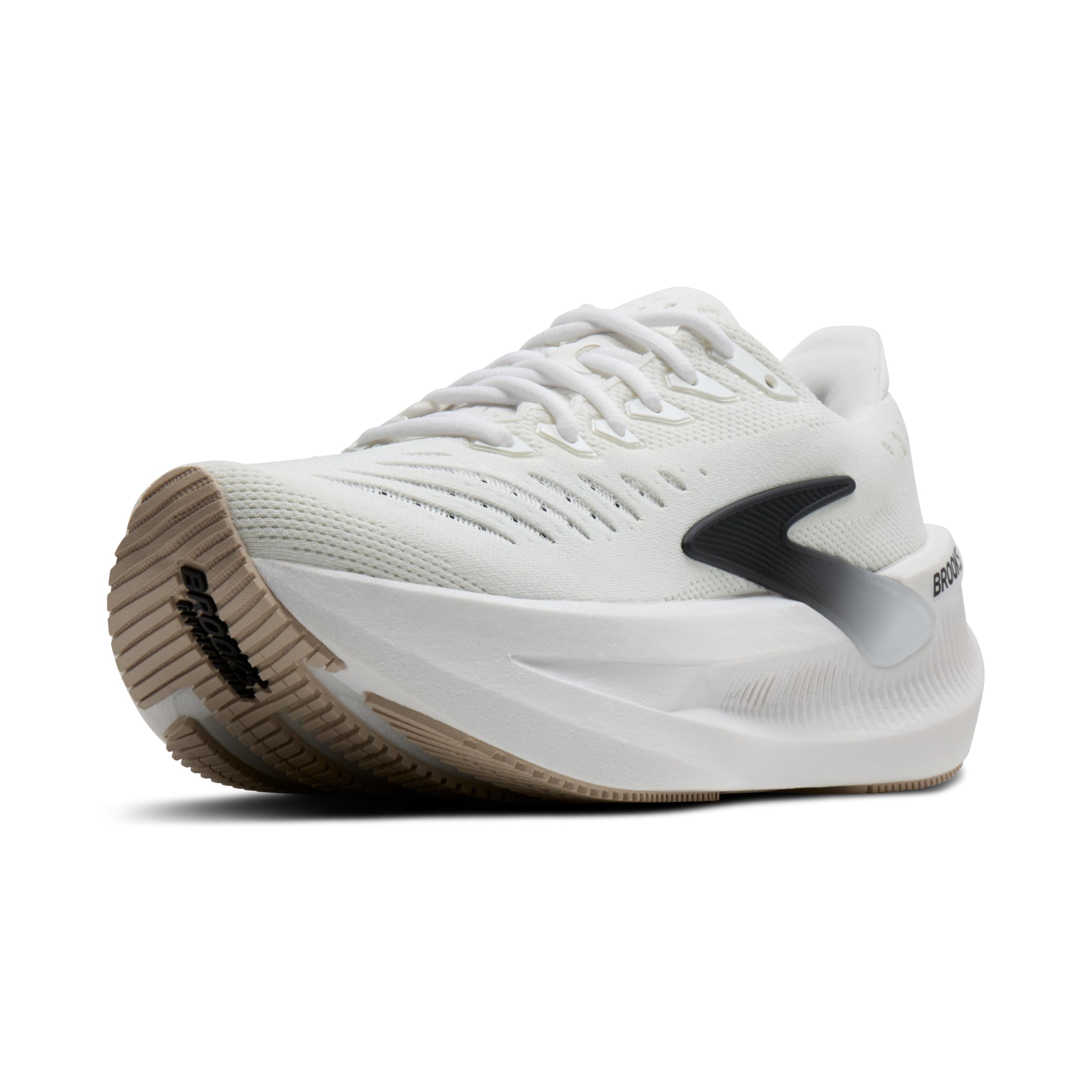
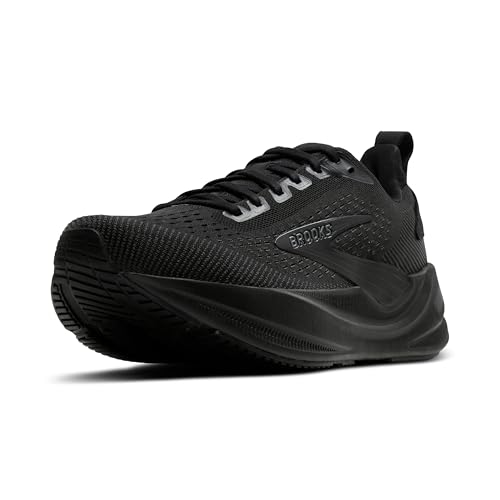
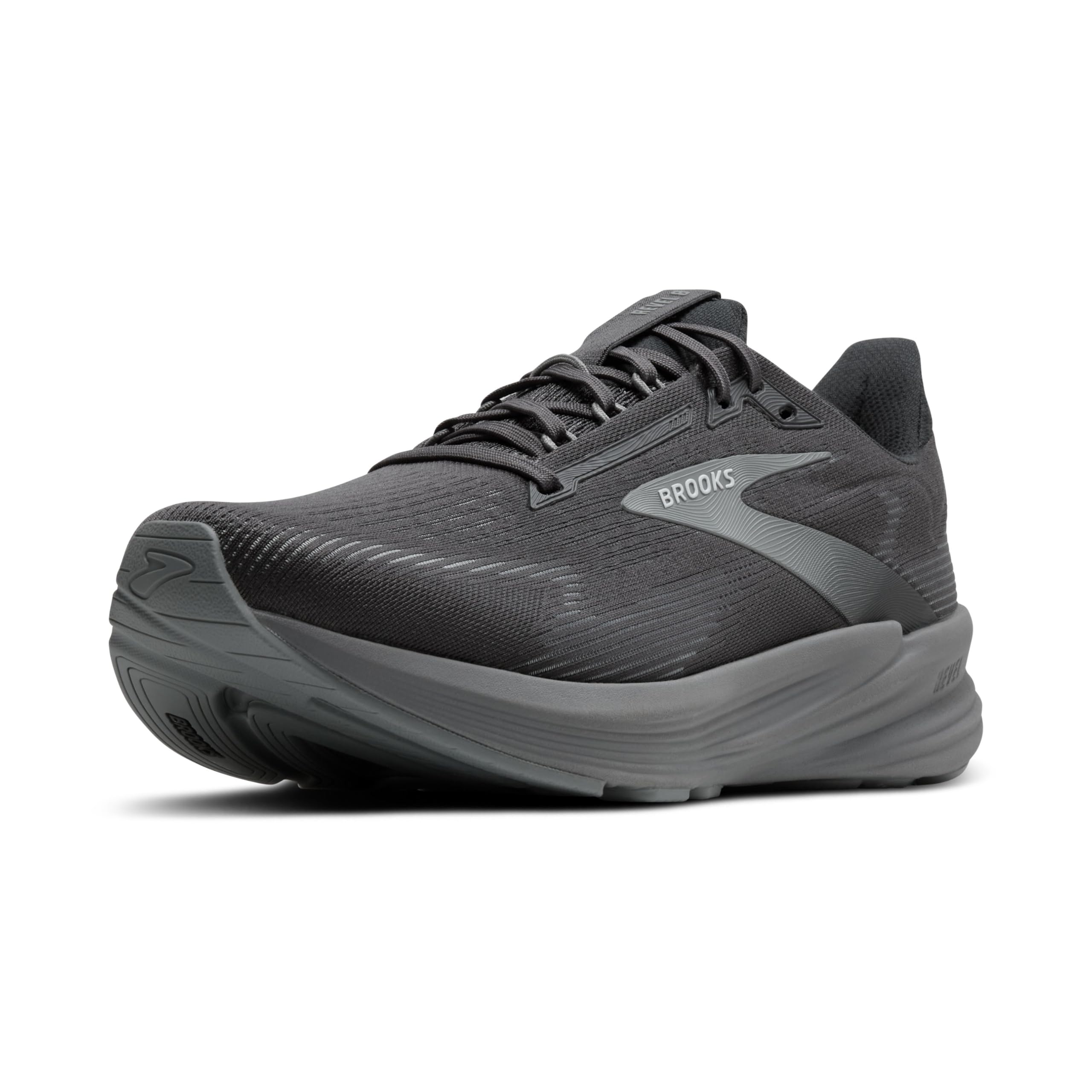
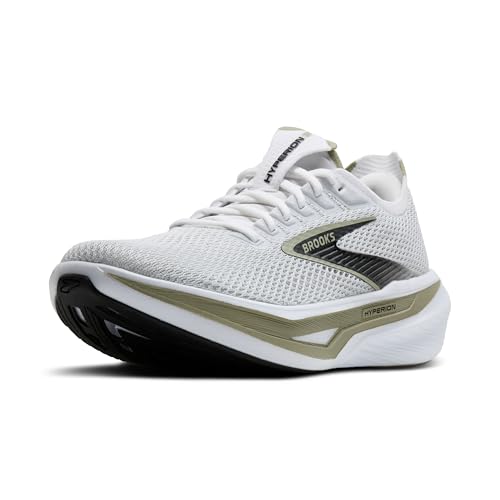
Why Neutral Cushioned Shoes Fit Supination
Stability shoes are built to slow inward roll, so they are rarely helpful for a foot that already rolls outward. The extra firmness on the inner side can push the foot even further outward. A neutral shoe lets the foot move naturally and uses soft foam to spread the impact.
Look for a midsole that feels even under the whole foot, with a rounded heel that eases the landing. A flexible forefoot helps the foot roll through toe off without twisting, and a secure heel cup keeps the ankle steady on uneven ground.
Brooks Models Worth Comparing
The Ghost is the all-round neutral trainer, with balanced cushioning that suits road running, walking and daily wear. The Glycerin is softer and plusher, a good match for long runs or for people who like a deep, cushioned feel. The Glycerin Max and Ghost Max add thick foam and a rocker shape that smooths the roll forward.
The Revel and the Hyperion are lighter neutral shoes. The Revel is an affordable everyday shoe for easy miles and walking, and the Hyperion suits faster running when you want a springier feel without giving up all cushioning.
Key Features to Compare
- Soft, even cushioning that reduces pressure on the outer heel and the outside of the foot.
- A wide base and a stable heel so the ankle does not tip outward on landing.
- A flexible forefoot that bends where your toes bend.
- Room in the toe box, since supinating feet often have a higher, stiffer arch.
- Durable outsole rubber, especially along the outer edge where wear shows first.
Reading Your Wear Pattern
Old shoes tell you a lot. Wear along the outer heel and the outside of the forefoot suggests supination, while wear on the inner edge points the other way. Put an old pair on a table and look at it from behind. A heel that leans outward is another clue. A running store can also watch you walk or run, though this is a guide to shoe choice and not a medical diagnosis.
How to Fit Brooks Shoes for Supination
Try shoes in the afternoon with your usual socks. Lace them so the heel is held firmly but the top of the foot is not pinched, which is common with high arches. Check that your toes can spread and that the outer edge of the foot is not squeezed. If it is, look at a wide size before going up in length, because a longer shoe that stays narrow rarely solves a width problem.
Walk on a hard floor for a few minutes and pay attention to how the shoe feels under the outside of the foot. A good match feels soft and steady, not tippy.
Running, Walking and Standing
Runners should choose a neutral trainer and replace it after about 300 to 500 miles. Walkers can use the same shoes, and the Ghost Max style rocker shapes are comfortable over long distances. If you stand all day, pick a broad, cushioned shoe and rotate two pairs so the foam recovers. Trail running adds a need for extra ankle stability, so a trail model with a grippy outsole is better than a road shoe for rough ground.
Common Mistakes to Avoid
Choosing a stability shoe because it sounds supportive is the most common mistake. Others include buying a narrow fit, keeping shoes after the outer edge has worn down, and ignoring ankle pain after runs on uneven ground. Supinating feet are more prone to outer ankle sprains, so be careful on trails and consider shoes with a stable base.
Care and Replacement
Let shoes air out after each wear and keep them away from heaters. Replace them when the cushioning feels flat, the outer sole is worn through or the shoe tilts when you place it on a table. Rotating two pairs helps the foam last longer and makes wear easier to spot.
Budget and Value
Neutral Brooks shoes range from about $65 for the Revel to $150 or more for the Glycerin Max and Ghost Max. For most people who supinate, the middle of the range, roughly $110 to $150, gives the best mix of soft foam and durability. Spending more makes sense if you run often or stand all day, because deeper cushioning protects the outer edge of the foot. Occasional walkers can choose a simpler, cheaper model.
Last season's colors are often discounted when a new version arrives. The shoe underneath is usually very close to the current one, so it can be a good way to save, provided the width you need is still available.
Helpful Habits Beyond the Shoe
Calf stretches, ankle strengthening and balance work can improve stability for a foot that rolls outward. Warm up before runs, build mileage gradually and choose softer surfaces on days when your ankles feel stiff. A cushioned insole can help if the stock one feels firm, but make sure there is still room for the foot.
If you often roll your ankle, have pain on the outside of the foot or notice a stress-type ache that does not ease, talk with a doctor or physiotherapist. Shoes can add comfort, but a professional can check strength and movement.
Related Guides
For more reading, see best brooks running shoes for supination, best shoes for supination and best shoes for over supination, or browse best brooks shoes for the whole range.
Frequently Asked Questions
Do I need stability shoes if I supinate?
Usually not. Neutral cushioned shoes are the normal starting point, because they let the foot move naturally and soften impact.
Are Brooks shoes good for supination?
Many people like the neutral Brooks models, such as the Ghost and Glycerin, for their cushioning and secure heel. Fit still decides the result, so check width and comfort.
Should the shoe be soft or firm?
Soft enough to absorb impact but stable enough that the ankle does not roll outward. Very soft foam on a narrow base can feel unsteady.
How do I know if I supinate?
Wear patterns on old shoes and a gait check can show it. If you have pain, swelling or trouble walking normally, ask a doctor or podiatrist.
When should I replace my shoes?
Running shoes last roughly 300 to 500 miles, while daily shoes last about six to twelve months. Replace them sooner if the outer edge is worn or discomfort returns.
Final Thoughts
The best brooks shoes for supination are neutral, cushioned and stable underfoot. Start with the Ghost or Glycerin, check width and heel hold, and replace them before the cushioning wears out. If pain persists, talk with a professional rather than relying on shoes alone.