Best Brooks Running Shoes for Supination (2026): A Fit Guide
Disclosure: We may earn a commission when you buy through links on this page, at no extra cost to you. As an Amazon Associate I earn from qualifying purchases. Learn more

The best brooks running shoes for supination use neutral cushioning and a flexible forefoot: see the fit and wear checks.
The best brooks running shoes for supination matter for runners whose feet roll outward, putting extra load on the outer edge of the shoe. The comparison table below compares cushion levels and shoe types, so you can see which style suits road miles, easy runs, and longer training. This guide explains supination in plain terms and focuses on fit and comfort, not on diagnosing a foot condition.
Supination, sometimes called underpronation, means the foot does not roll inward enough during a stride. The outer edge takes more pressure, and shock absorption can feel reduced. A shoe with good cushion and a flexible forefoot can help the foot move more naturally, but it cannot correct a medical issue on its own.
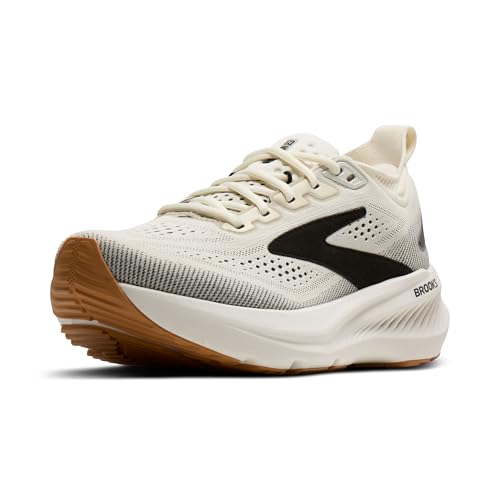
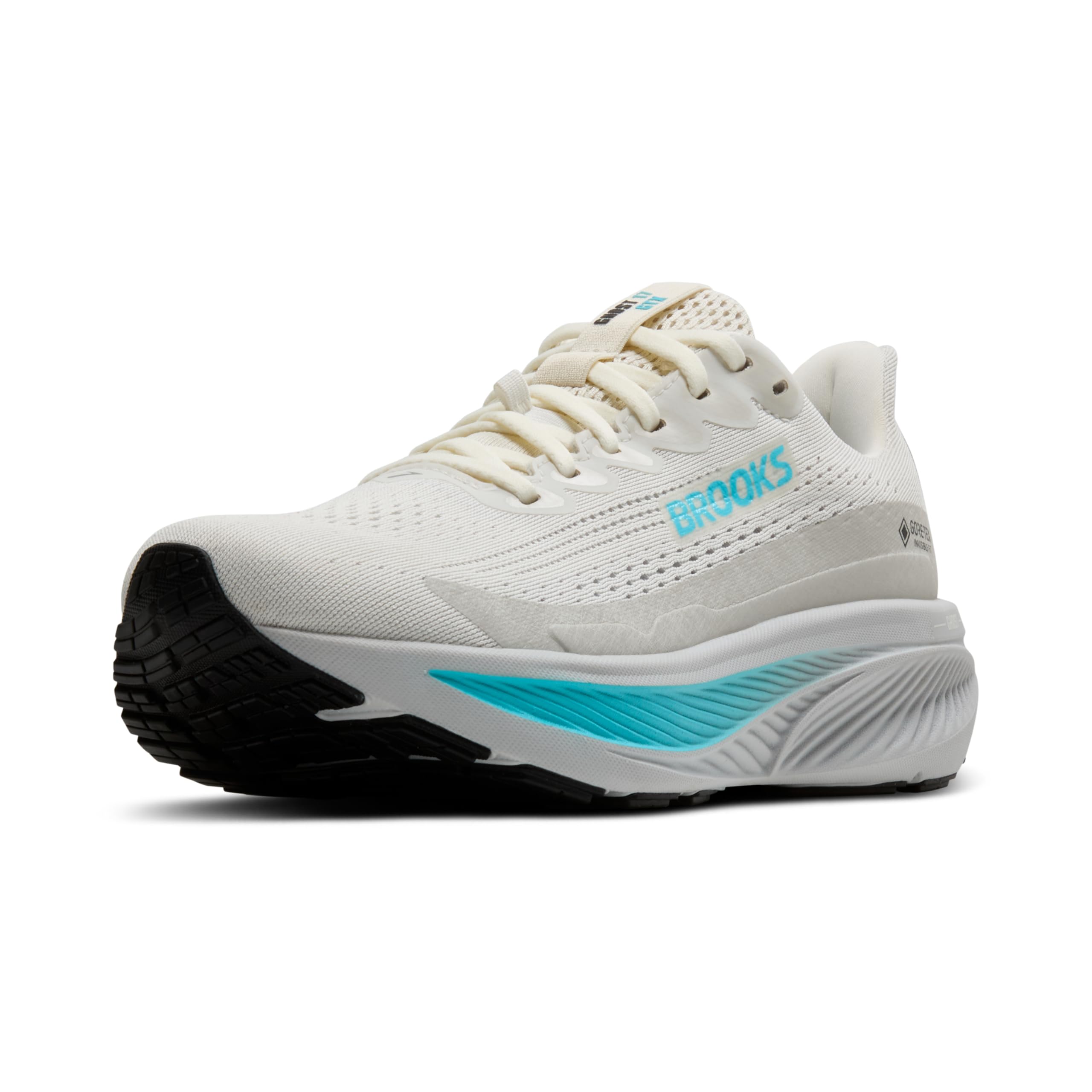
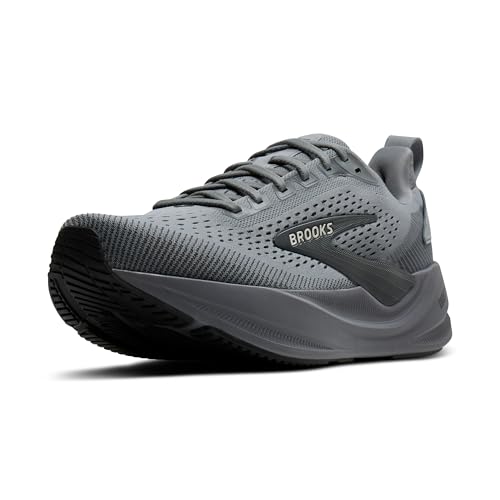
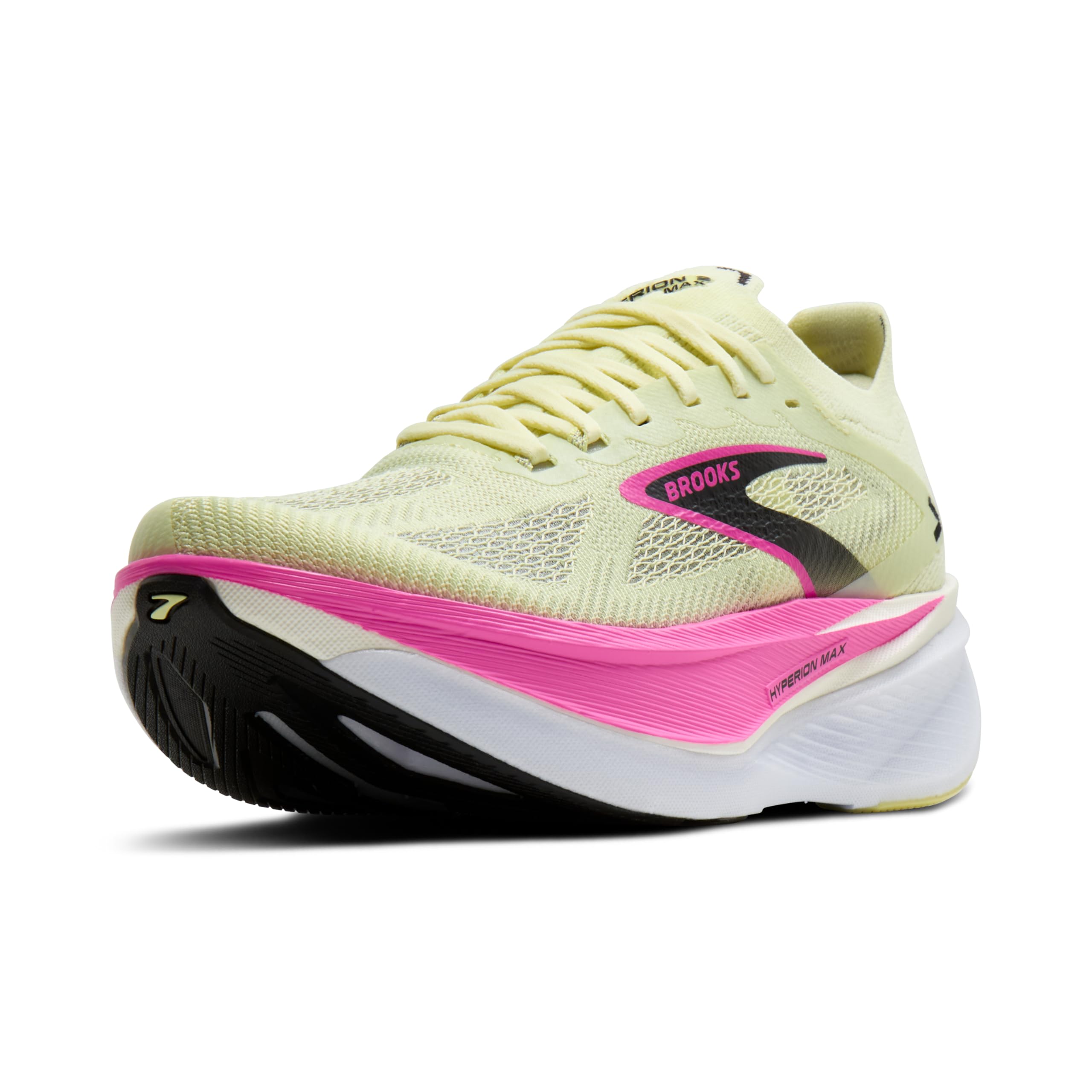
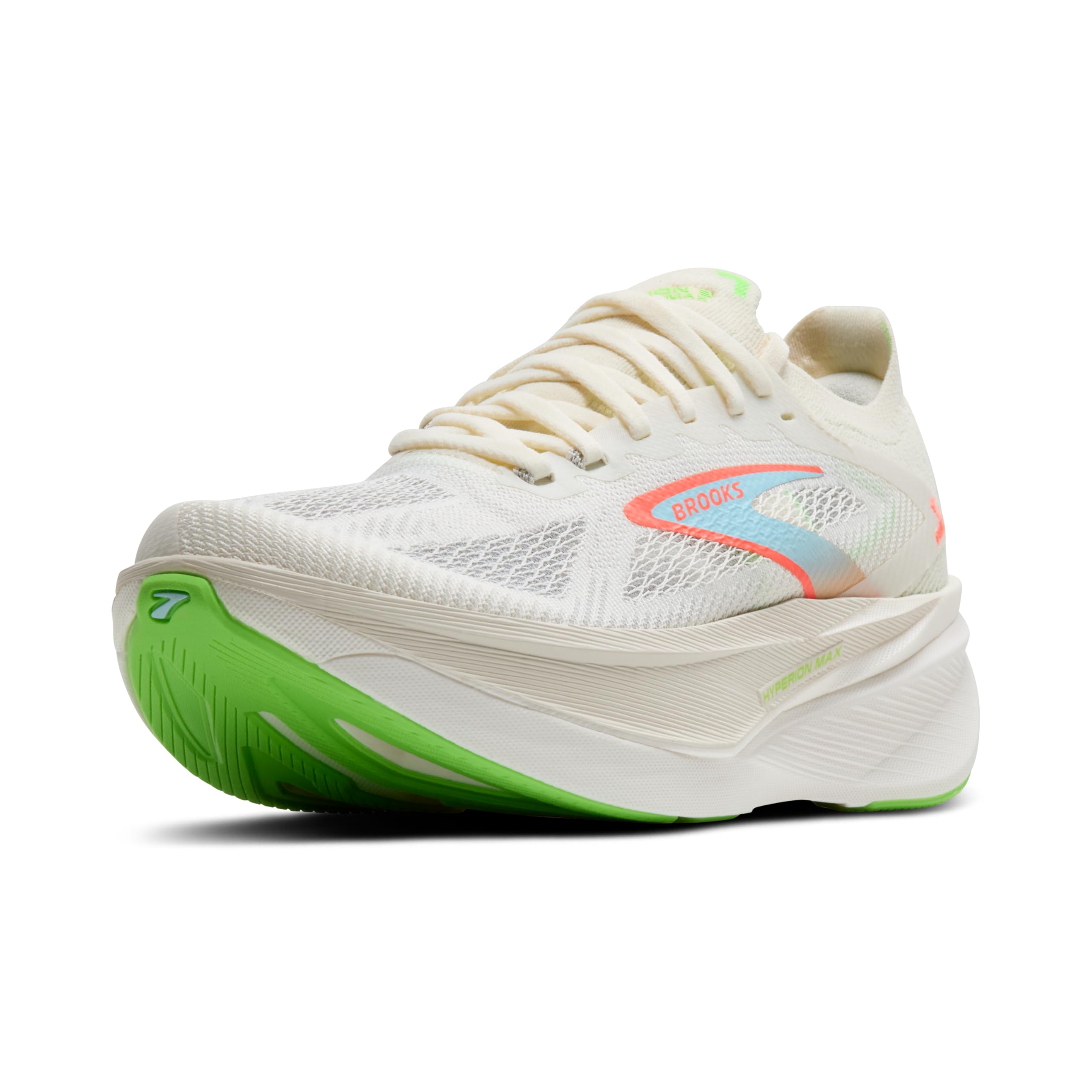


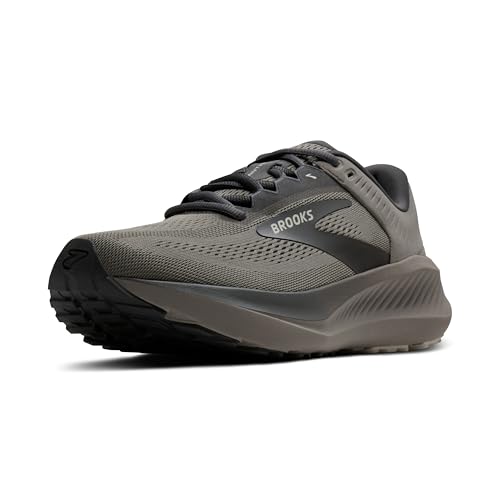
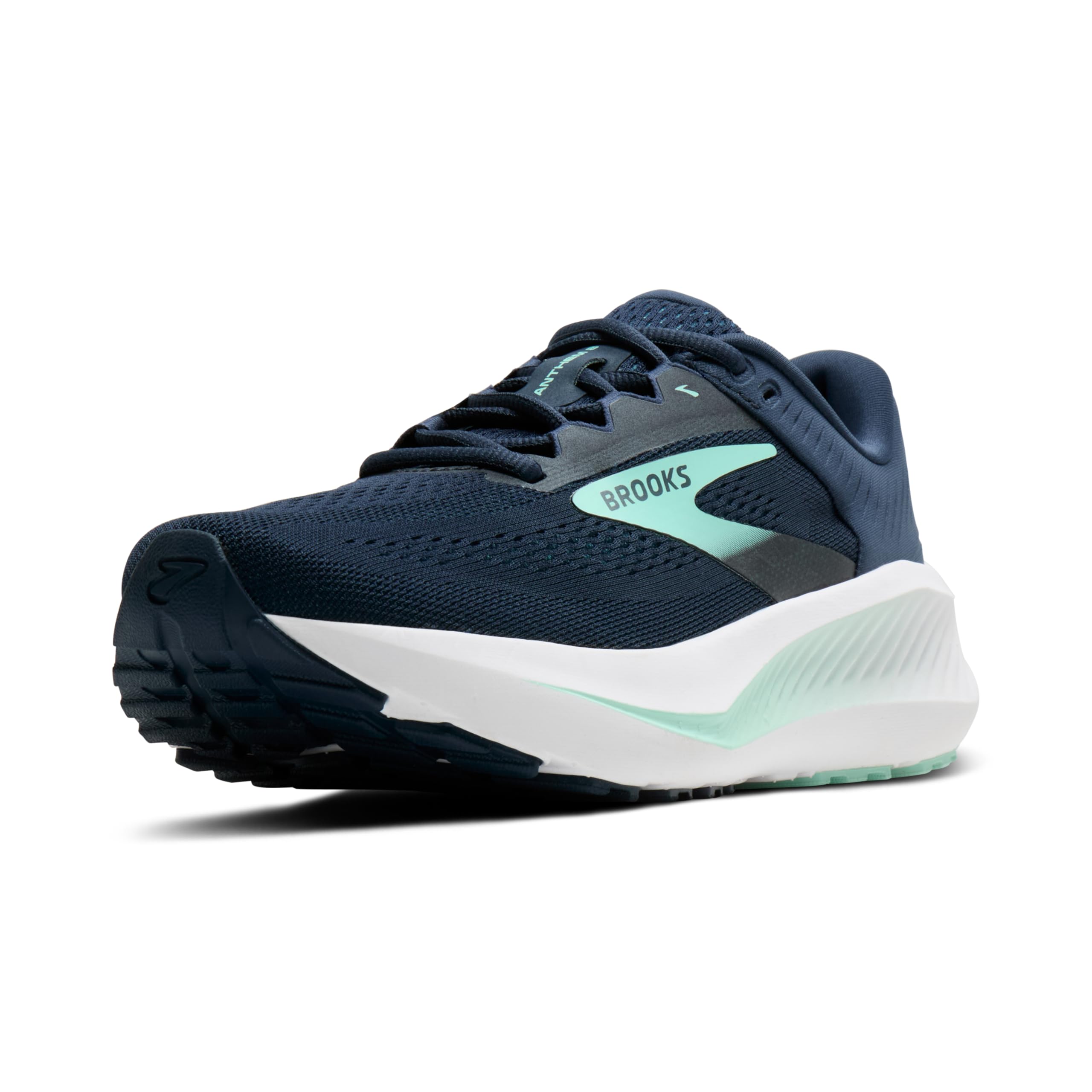
How Supination Shows Up in a Shoe
Look at the wear pattern on an old pair. Heavy wear on the outer heel and outer forefoot often points to outward rolling. The shoe may also tilt outward when placed on a flat surface, and the outer midsole may compress sooner than the inner side.
Pay attention to how your feet feel after a run. Soreness along the outer foot, tight calves, or discomfort in the ankles after longer runs can accompany supination, but these signs have many causes. If pain persists, worsens, or changes how you walk, talk with your clinician rather than relying on a shoe change alone.
Cushion and Flexibility to Look For
Neutral cushion shoes are often the starting point for supination, because they let the foot move without forcing it inward. A well cushioned midsole absorbs impact on roads, while a flexible forefoot allows a natural toe off. Stiff stability features meant to limit inward rolling usually do not suit this pattern.
Road shoes with a smooth, even ride suit most supinators who run on pavements. Trail shoes add grip and protection for uneven ground, but they can feel firmer, so check cushion before choosing a trail model for long road miles. Try both on the surface you run most.
Weight and drop also change the feel. A lighter shoe can feel lively for tempo runs, while a slightly heavier cushioned shoe can feel kinder on long runs. Drop, the height difference between heel and forefoot, affects calf load, so change it gradually if you switch models.
Fitting for Outward Rolling Feet
Fit should leave a thumb width of room ahead of the longest toe, with the heel locked and the midfoot held evenly. Laces should not create pressure over the outer foot, and the shoe should not tilt you further outward when you stand. Walk and jog in the shop or at home before committing.
Socks and insoles change the fit. Wear your normal running socks for fitting, and if you use insoles, fit the shoe with them in place. A shoe that feels perfect without an insole can feel tight and uneven once one is added, so test the full combination.
Training Notes and Warning Signs
Build mileage gradually and keep most runs easy while you adapt to a new shoe. Sudden jumps in distance, speed, or surface can irritate feet and ankles even in a well chosen shoe. Rotate shoes if you run most days, and track wear on the outer edge as a simple check.
Seek prompt care for sharp pain, swelling, numbness, a foot that changes shape, or pain that alters your gait. These signs need a clinician, not a new pair of shoes. This guide covers general fit and comfort only, and your clinician can advise whether further assessment or support is needed.
Neutral Versus Stability for Outward Rolling Feet
Stability shoes are designed to slow an inward roll, so they rarely suit a foot that already rolls outward. A neutral cushioned shoe with a flexible forefoot and a wide, steady heel is the usual starting point. Look for soft, resilient foam on the outer side of the heel, where supinators land first, and a midsole that does not tilt the foot further outward. Some runners also like a slightly higher drop, which shifts load away from the calves and Achilles. If a shoe feels like it pushes you onto the outer edge, try a different model or a wider base.
Shoe Types to Consider
- Neutral cushioned daily trainers: the main choice for easy runs and long weekend miles.
- Maximum cushion shoes: extra foam helps absorb impact for heavier runners or hard surfaces.
- Lightweight road shoes: good for tempo days once you have a plusher pair for volume.
- Trail shoes: add grip and protection, but check that the ride is not too firm for long road runs.
Lacing and Sock Tips
Outward rolling feet often benefit from a secure heel and a snug midfoot. Use the extra top eyelet for a heel lock loop if your heel slips, and avoid lacing so tightly over the outer midfoot that it creates pressure. Cushioned running socks reduce friction on the outer edge, which is a common blister spot. Try shoes in the afternoon with the socks you plan to run in.
Choosing by Surface and Distance
Short easy runs on smooth roads suit a lighter neutral trainer, while long runs and hard concrete reward extra cushioning at the outer heel. If you run on mixed surfaces, a trail shoe with a wider base can steady the outer ankle on uneven ground. Rotating two different shoes also spreads the load across slightly different parts of the foot, which many supinators find more comfortable than running in one model every day.
Related Guides
For more options, read our guides to the best brooks running shoes, the best running shoes for supination and the best brooks shoes for supination. Our best men's brooks running shoes guide covers the men's range.
Frequently Asked Questions
What is supination in running?
Supination is outward rolling of the foot during a stride, so the outer edge bears more load than usual. It is also called underpronation. A neutral cushioned shoe often suits this pattern, but a shoe alone does not diagnose or treat any foot condition.
Do supinators need stability shoes?
Most supinators do better in neutral shoes than in stability shoes, because stability features are designed to limit inward rolling. Forcing the foot further in the wrong direction can feel uncomfortable. If you are unsure about your gait, a running shop assessment or clinician advice is more useful than guessing.
How can I tell if my shoes suit supination?
Check wear on the outer heel and forefoot, comfort on longer runs, and whether the shoe keeps you balanced rather than tilting outward. A shoe that feels even, cushioned, and stable on your usual surface is a good sign. Persistent pain means you should seek professional advice.
Should I change shoes if I supinate and feel fine?
If your current shoes feel comfortable and you have no pain, there is no need to change for supination alone. Many runners supinate mildly without problems. Change only when wear, discomfort, or a change in training makes your current pair feel wrong.
Can insoles help with supination?
Insoles can change cushion and fit, and some runners find them helpful for comfort. They are not a substitute for assessment if pain is present. Fit any insole with the shoe you will run in, and introduce it gradually over short runs first.
Final Thoughts
Compare cushion, flexibility, and fit in the product table above, and favor a shoe that feels even on your usual surface. The best brooks running shoes for supination should support comfortable miles, and any lasting pain deserves a conversation with your clinician.