
Best Beginner Running Shoes for Men of 2026: Every Type Explained Side by Side
Disclosure: We may earn a commission when you buy through links on this page, at no extra cost to you. As an Amazon Associate I earn from qualifying purchases. Learn more

Learn how cushioning, support, fit and drop shape a first pair of running shoes, and how to match a shoe to your stride and weekly mileage before you buy.
A first pair of running shoes should make running feel easier, not add new problems, because comfort in the first miles decides whether a new runner keeps going. The best beginner running shoes for men differ in cushioning, support, weight and fit, and the right balance depends on body weight, foot shape and how far you plan to run. This guide explains those choices in plain terms, so you can buy for your feet rather than for a brand name.
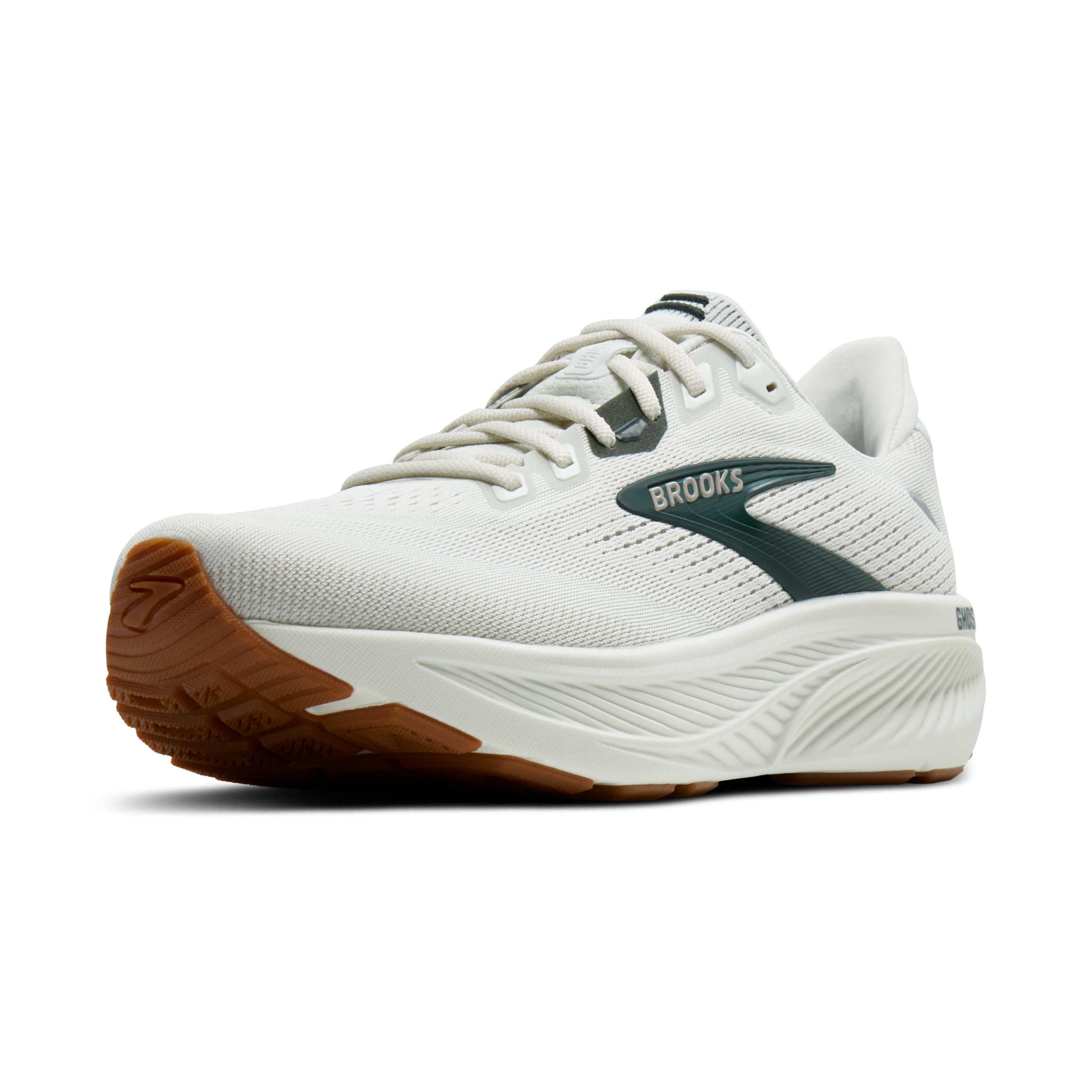
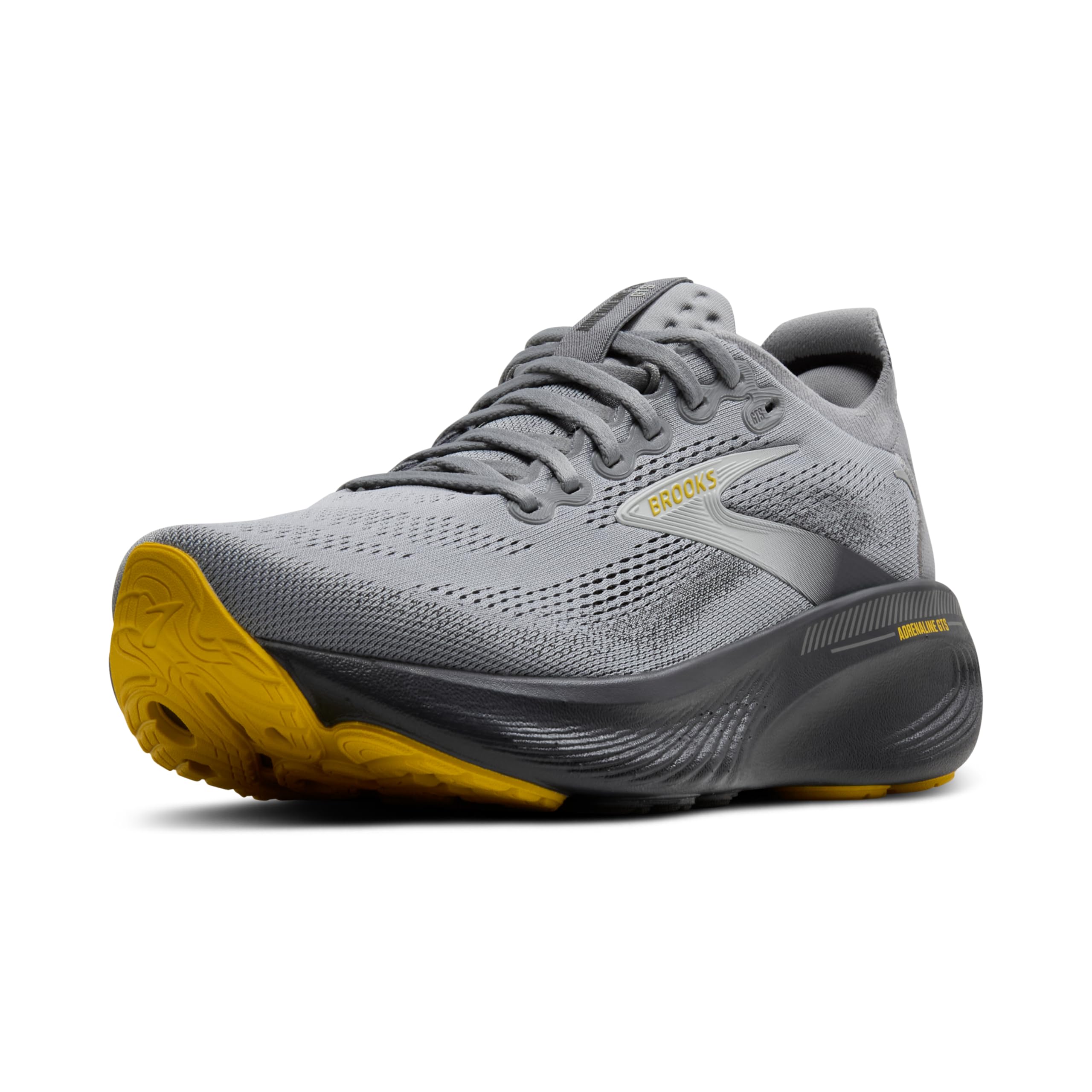
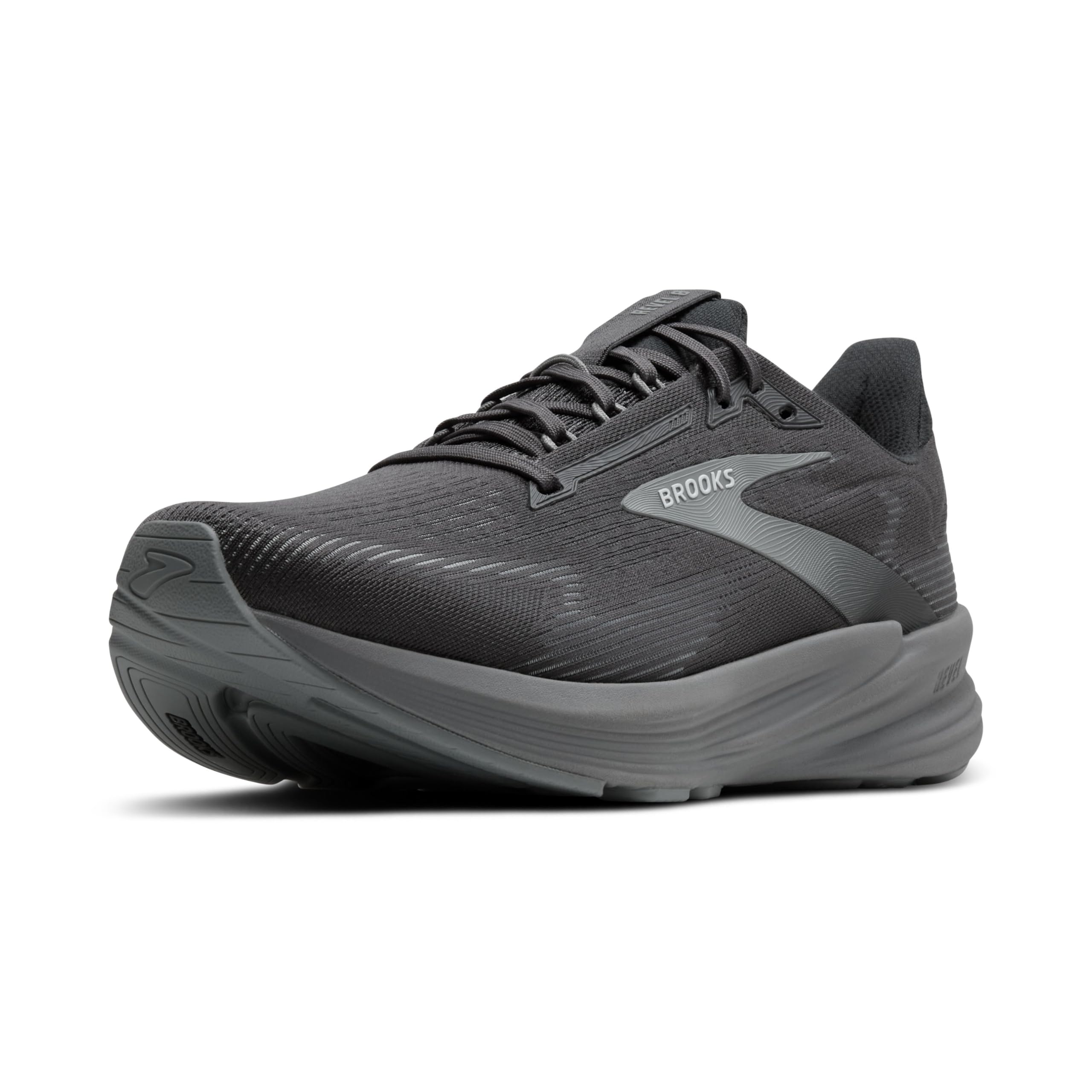
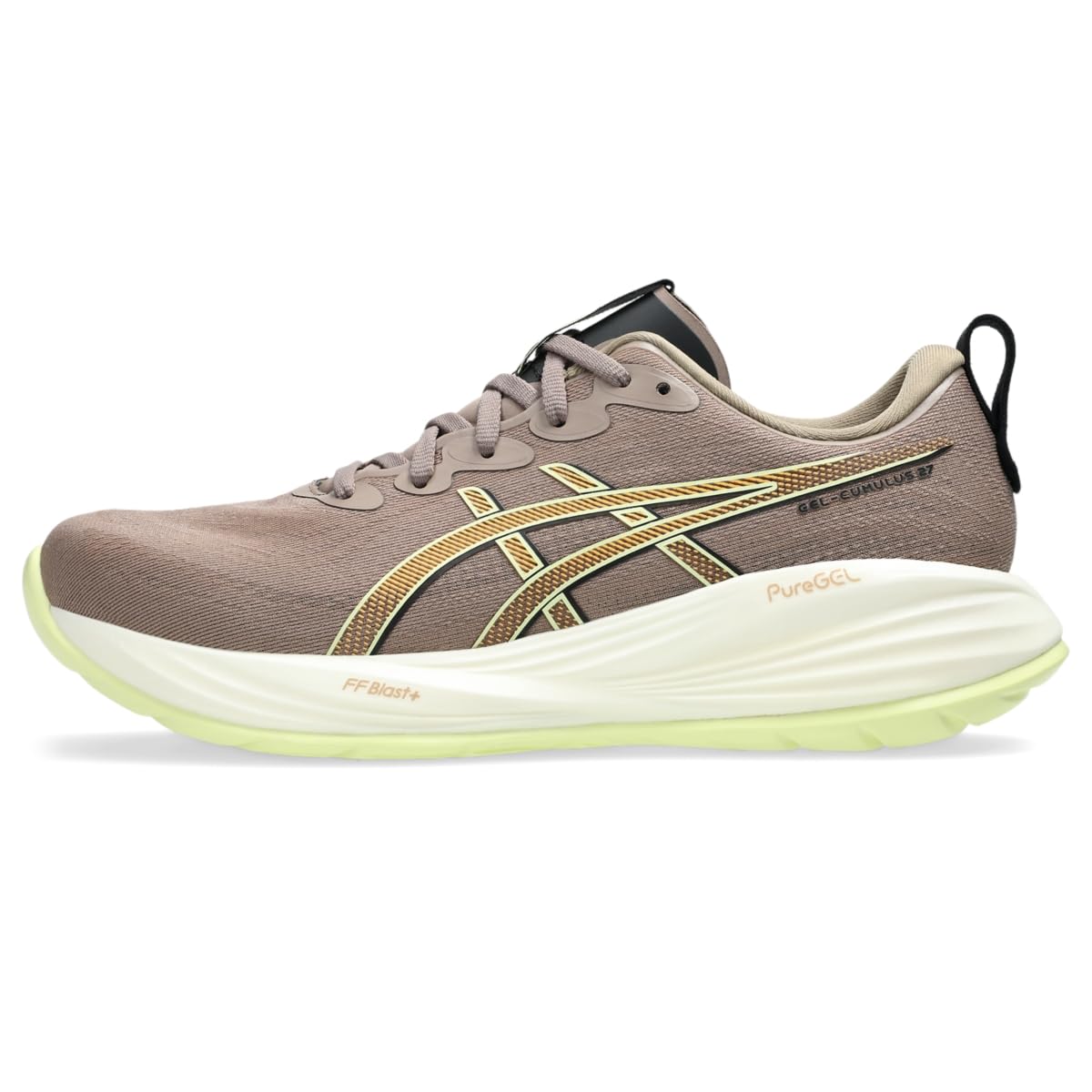
Running shoes are built for forward motion and repeated impact, which is why they feel different from everyday trainers. A shoe that is too soft can feel unstable, while a shoe that is too firm can feel harsh on joints, so the goal is a stable cushioned ride that still lets your foot move naturally. Fit matters most: toes need room, the heel should stay put, and the shoe should feel good at the end of a run, not only in the shop. The product table lists current options across the main shoe types.

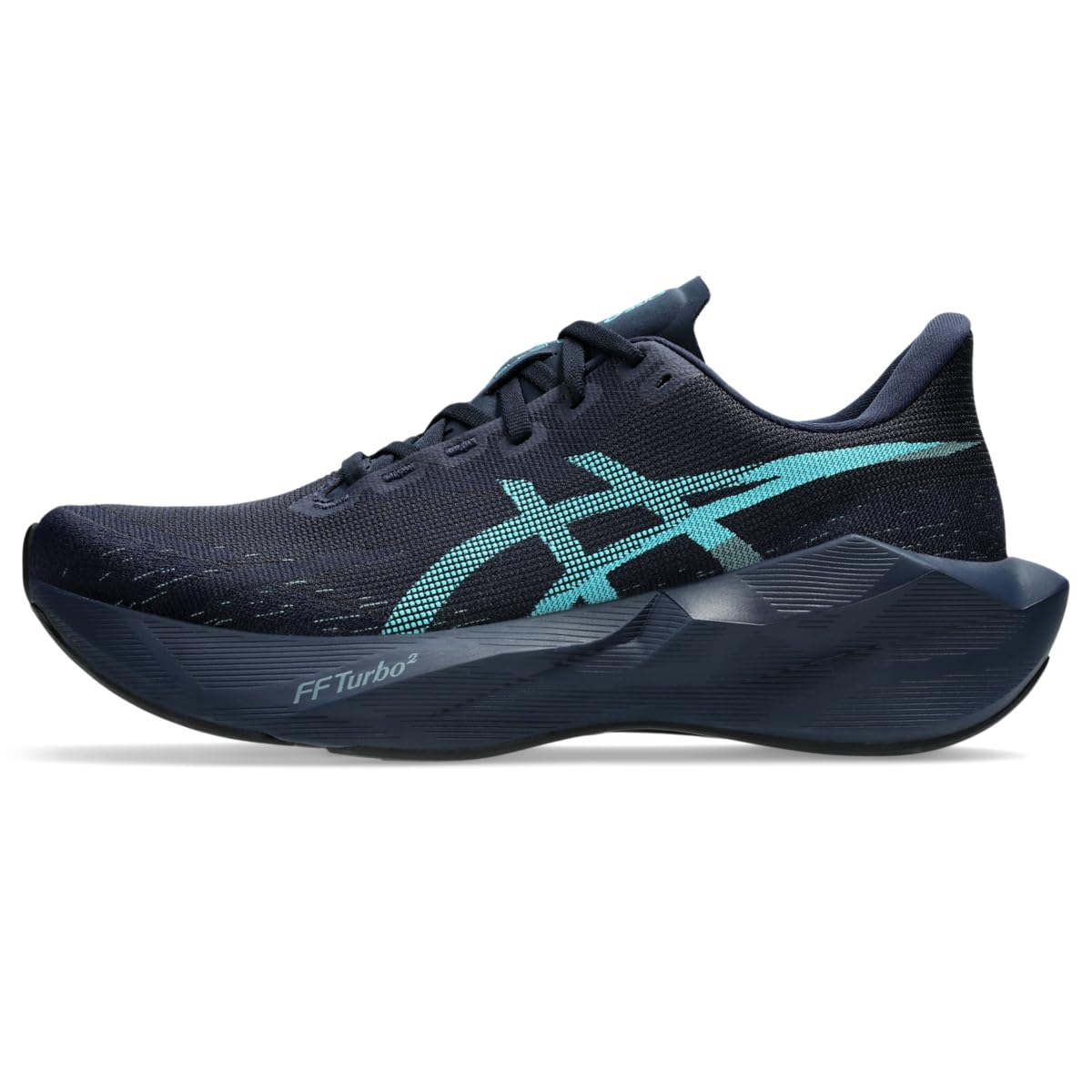
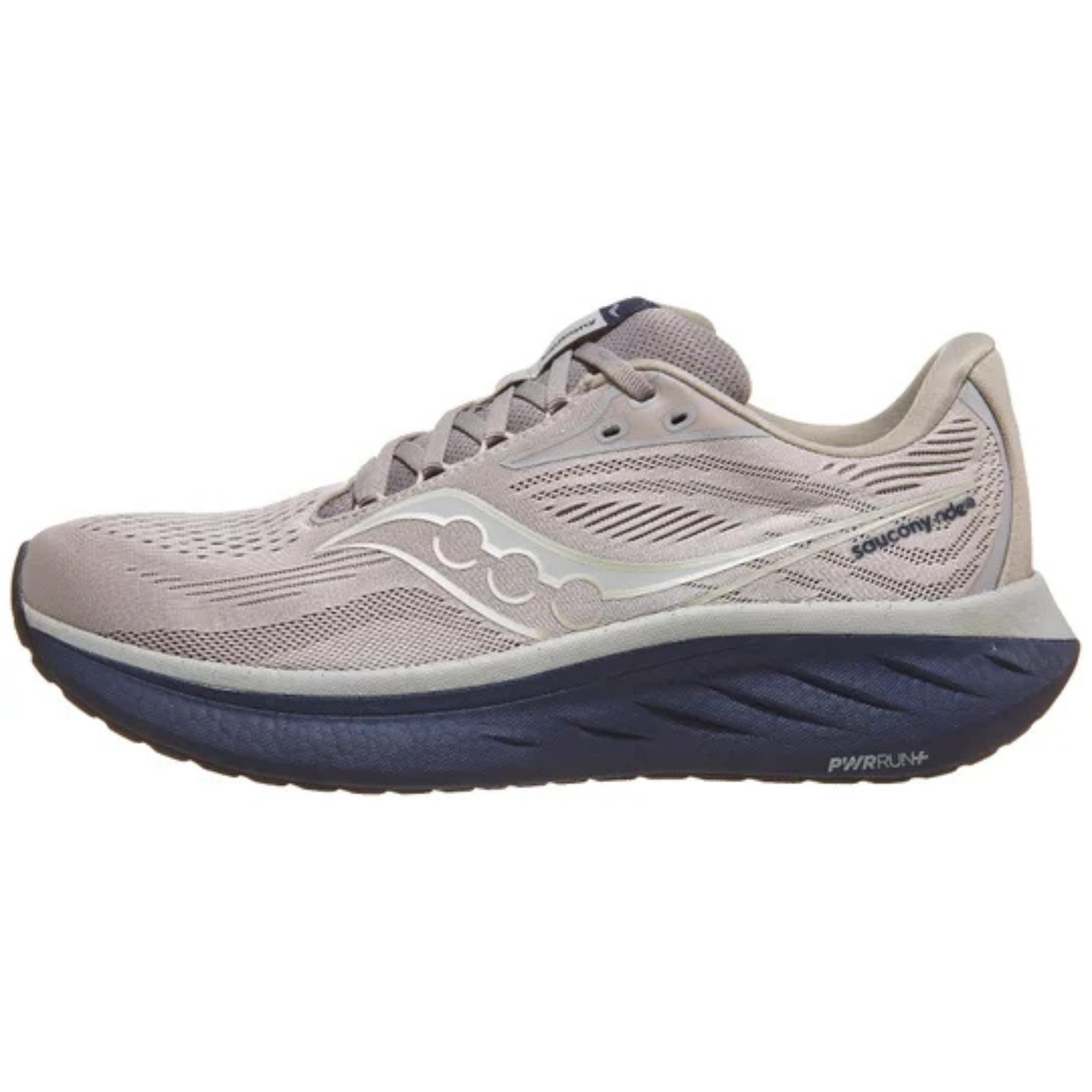


Who Should Buy Beginner Running Shoes for Men
Beginner running shoes for men suit new runners, walkers who are starting to jog, and gym users who run on treadmills. They suit heavier runners when cushioning and durability are strong, and wide feet when a wide size is offered. They are less suited to trail running, court sports or heavy lifting, which need different grip and stability.
Running Shoe Types Compared
Each type suits a different routine, so read the trade offs rather than looking for a single winner for everyone.
Neutral Cushioned Shoes
Neutral shoes suit runners whose feet roll fairly evenly. They offer soft cushioning without strong correction, and they suit most beginners with a neutral stride.
Stability Shoes
Stability shoes add support on the inner side to limit excess inward roll. They suit runners whose arches collapse or whose shoes wear heavily on the inner edge.
Lightweight Trainers
Lightweight trainers feel faster and suit shorter runs and tempo sessions. They offer less cushioning and durability, so they are less ideal for long slow runs.
Max Cushion Shoes
Max cushion shoes use thick soft foam for a plush ride on roads. They suit heavier runners and long easy runs, though some feel less stable on uneven ground.
Key Features to Compare
Fit and Toe Room
Leave about a thumb width between the longest toe and the shoe end, and try shoes later in the day when feet are slightly larger. A shoe that pinches in the shop will pinch more on a run.
Cushioning and Drop
Cushioning softens impact, while drop is the height difference between heel and forefoot. A moderate drop suits most beginners, and very low drop shoes need a gradual transition.
Support and Arch Feel
Support should feel like gentle guidance, not a hard lump under the arch. If the arch area aches, the support level or shoe shape may be wrong for your foot.
Weight and Breathability
Lighter shoes feel easier over distance, while breathable mesh keeps feet cooler in warm weather. Durability matters too, since soft foam wears faster under heavier runners.
Outsole and Road Grip
Road outsoles should grip wet pavement without feeling stiff. Check rubber coverage under the heel and forefoot, where wear appears first.
How to Choose the Best Beginner Running Shoes for Men
Start with fit, then choose cushioning and support for your stride and weekly distance. Compare the shoes in the product table, and walk or jog in them at home before committing, since a short indoor jog reveals heel slip and toe pressure that standing cannot. If you have persistent foot, knee or shin pain, swelling, numbness or a foot that changes colour, see a clinician rather than pushing through, and use fit and comfort advice only as general guidance.
For related buying angles, see our guides to the best running shoes for beginners and the best running shoes for large men.
Common Mistakes to Avoid
Buying the Same Size as Dress Shoes
Running shoes often need a half size larger than everyday shoes, because feet swell and slide forward while running. Measure both feet and fit the larger one.
Choosing on Looks Alone
A stylish shoe can still be wrong for your stride. Prioritise fit, support and cushioning, and treat colour as a final tie breaker.
Running Too Far Too Soon
New runners often add distance quickly and develop shin or knee soreness. Build mileage gradually, mix in walking breaks, and rest when pain lasts beyond a run.
Making a First Pair Last
Rotate two pairs if you run often, since foam recovers between runs and shoes last longer. Replace shoes when cushioning feels flat, the outsole is worn through, or aches appear that were absent before. Keep a simple log of distance and comfort, so you learn which cushioning and support suit your stride before the next purchase.
Wipe off mud with a damp cloth and let shoes air dry away from heat, because radiators and dryers can shrink foam and weaken glue. Use shoes for running rather than yard work, which wears the outsole in places a run never touches.
Frequently Asked Questions
How much cushioning does a beginner need?
Most beginners do well with moderate to generous cushioning that softens road impact without feeling unstable. Very soft thick foam can feel wobbly, while very firm shoes can feel harsh, so test both on a short jog if possible.
Do I need stability shoes?
Stability shoes help runners whose feet roll inward a lot or whose shoes wear heavily inside. If your stride is fairly neutral, a neutral cushioned shoe is usually enough, and a running shop gait check can clarify the picture.
How should running shoes fit?
They should feel snug at the midfoot, secure at the heel, and roomy at the toes, with about a thumb width of space ahead of the longest toe. Try them with running socks and jog indoors to check for heel slip or toe pressure.
How often should I replace running shoes?
Many road shoes last a few hundred miles, though weight, surface and foam type change that range. Replace them when cushioning feels flat, grip is worn smooth, or new aches appear during runs.
Can I run in everyday trainers?
Everyday trainers lack the cushioning, support and road grip of running shoes, and they can increase fatigue on longer runs. For regular running, a dedicated running shoe is a better and safer choice.
Final Thoughts
The best first pair is the one that fits well, supports your stride and feels good at the end of a run. Compare the product table above, build distance slowly, and seek clinician advice for lasting pain. The best beginner running shoes for men should encourage steady running, not force you to endure a shoe that fights your feet.


