
Best Brooklyn Bedding Mattresses (2026): Builds and Firmness
Disclosure: We may earn a commission when you buy through links on this page, at no extra cost to you. As an Amazon Associate I earn from qualifying purchases. Learn more

Match your sleep position, weight and temperature to find the best brooklyn bedding mattress build and firmness.
Choosing within one brand can feel harder than choosing between brands, because the names sound alike while the feel changes a lot from one build to the next. This guide helps you find the best brooklyn bedding mattress for your sleep position, body weight, and room temperature by comparing build types instead of chasing a single winner. The sections below sum up the main options by comfort, support, materials, and cooling.
Brooklyn Bedding sells foam, hybrid, and latex based builds at several firmness levels, so the real task is matching a build to your body. If you are still weighing this brand against the wider market, start with our guide to the best mattress and then come back to narrow the lineup down.
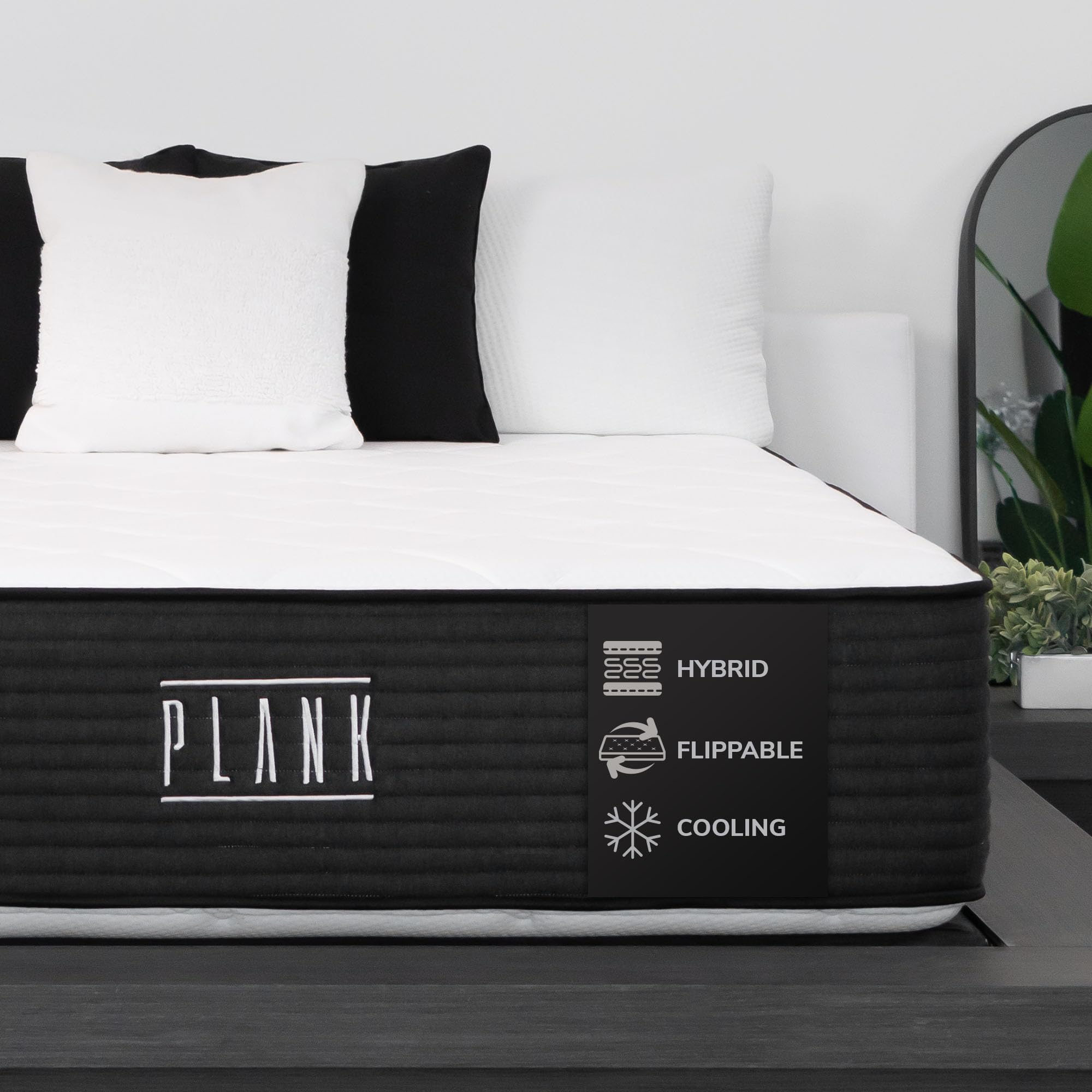

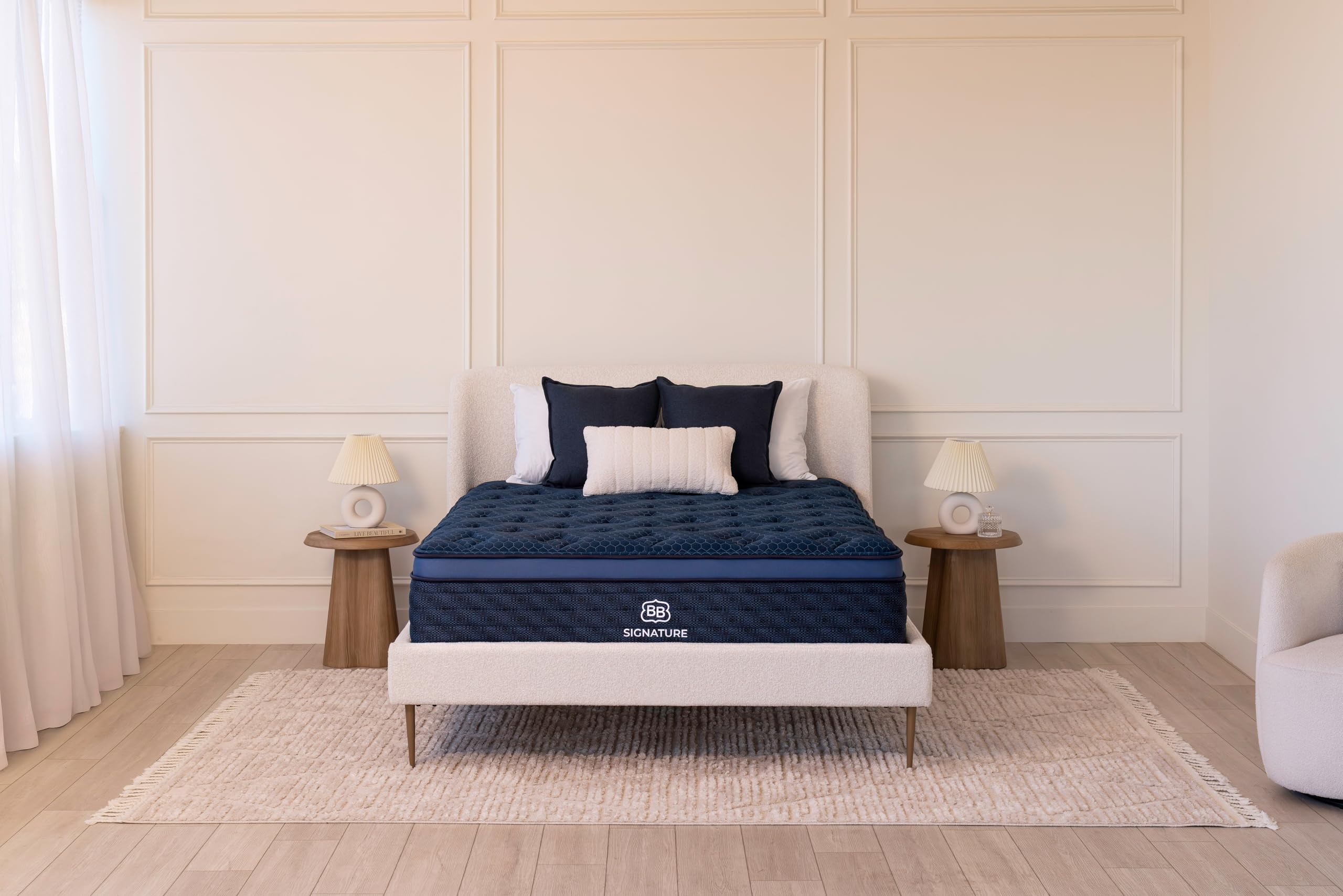
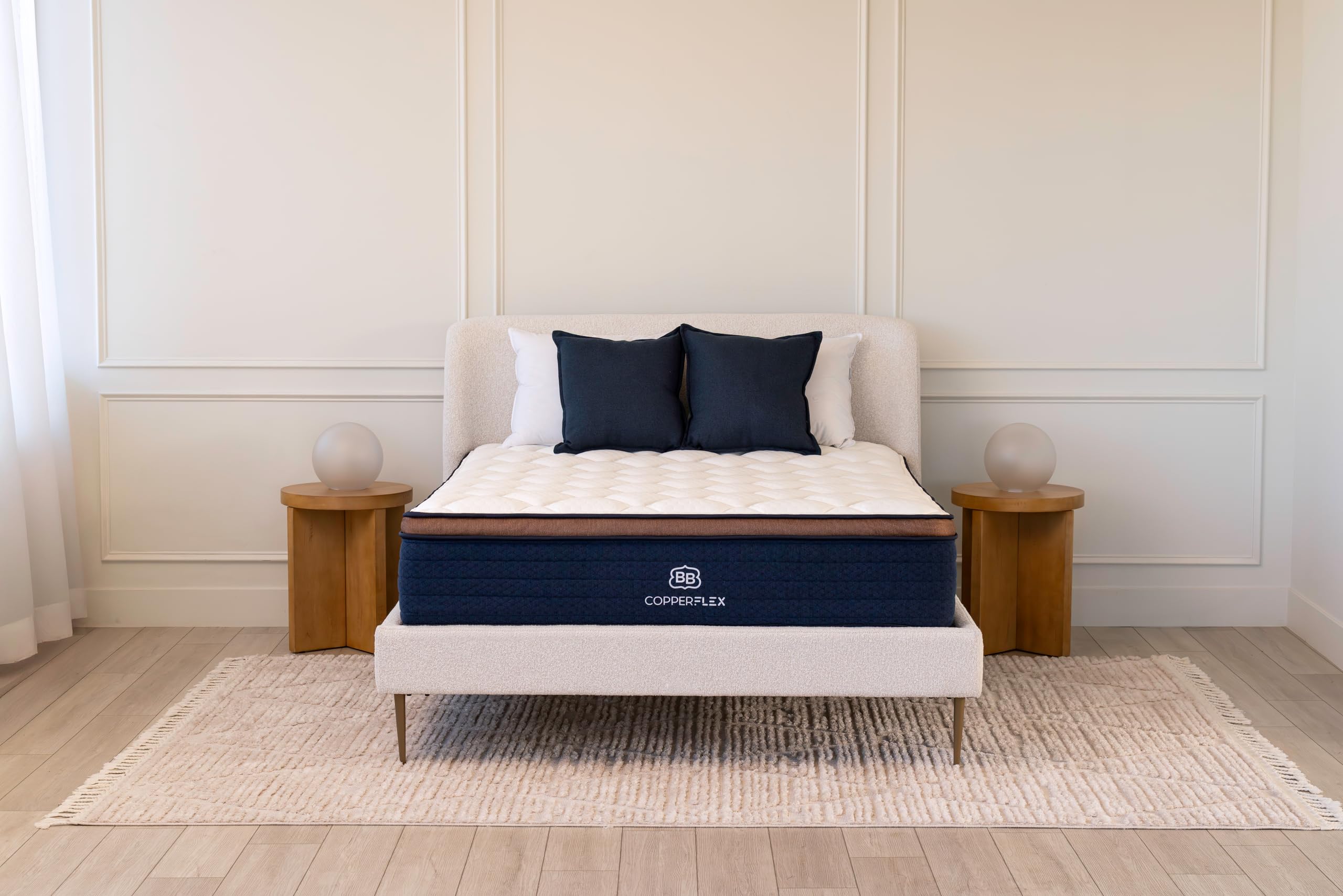




The Lineup at a Glance
The range falls into three clear groups. Foam builds give the closest contour and the quietest feel. Hybrid builds pair foam comfort layers with pocketed coils for more lift, airflow, and edge strength. Latex based builds feel springy and responsive, with natural bounce and strong airflow. Each group comes in softer and firmer versions, so pick the build first and the firmness second.
How the Main Types Compare
Hybrid builds for balanced support
A hybrid pairs foam or latex comfort layers with a pocketed coil base, and that coil base does most of the work for support and airflow. Your hips get lift instead of a deep sink, while air moves through the coil layer and carries heat away. Hybrids suit back sleepers, stomach sleepers, and heavier bodies. The trade off is weight and price, since a coil build is heavier to move and usually costs more than foam.
Foam builds for pressure relief
An all foam build contours closely around the shoulder and hip, which spreads pressure across a wider area and quiets motion from a partner. That contour is why foam often feels kindest at the shoulder, a point worth weighing alongside our guide to the best mattress for side sleepers. Foam holds more warmth than coils and can feel slow to move on, so anyone who changes position often should check the firmness rating with care.
Latex and cooling focused builds for airflow
Latex feels different from foam because it pushes back as you press into it, so you rest on the surface more than in it. Changing position takes little effort, and the open structure of latex lets air pass through instead of trapping heat near your skin. Cooling covers add to that effect on the warmest builds. These options suit hot sleepers and combination sleepers, though the springy feel can seem too lively if you prefer the still, cradled sensation of foam.
How to Evaluate the Lineup
Judge every model on the same five points. Look at comfort and support for your sleep position, the materials inside and any certifications they carry, temperature control, and likely durability. Then check trial and warranty terms, since those decide your risk if the feel is wrong. This guide relies on maker specifications and patterns in verified buyer feedback.
How to Choose the Right Mattress
Size and form factor
Measure your room and frame first. Twin and twin XL suit single sleepers and taller teens, full gives one adult more width, and queen remains the most common choice for couples. King and California king add width or length, and split king suits couples who want separate firmness on each side. Confirm the thickness fits your sheets and suits your base, since a tall hybrid on a tall frame can make the bed hard to climb into.
Type and feel
Foam, hybrid, and latex differ mainly in how they respond when you move. Foam softens and holds your shape, coils add lift and bounce, and latex answers quickly without a sinking pause. If you are torn between the two most common builds, our explainer on hybrid vs memory foam walks through the feel difference in plain terms. A restless sleeper needs easy movement, while a still side sleeper usually values deep contour more than bounce.
Features worth paying for
Some upgrades solve a real problem and others only raise the price. A pillow top adds surface softness without changing the support core, which helps if your shoulders feel pinched on a firm base. Pocketed coils that are firmer near the perimeter give you a usable edge for sitting and getting up. A cooling cover can help if you sleep warm, but it cannot fix a dense foam stack that traps heat below it. Pay for the feature that answers your actual complaint.
Sleep position and body type
Side sleepers need enough give at the shoulder and hip to keep the spine level, back sleepers need even support, and stomach sleepers need a firmer surface so the hips stay up. Heavier bodies press deeper into every layer, so they usually need a firmer rating and a stronger coil base. If back pain is your main concern, compare your shortlist with our guide to the best mattress for back pain, and see a doctor or physical therapist if you have numbness, pain that travels down a leg, or pain that keeps getting worse.
Materials and certifications
Ask what each layer is made of and how thick it is, because a thin comfort layer over a firm core feels very different from a thick one. Foam certified by CertiPUR US has been checked for content, emissions, and durability, and fabrics tested to OEKO TEX standards have been screened for harmful substances. Latex may be natural, synthetic, or a blend, and natural latex usually costs more. Certifications confirm materials meet a published standard rather than a marketing claim.
Cooling and breathability
Heat builds up where air cannot move, so structure matters more than any single cooling ingredient. Coils leave open channels for air, latex has an open cell structure, and dense foam holds warmth closest to the body. Phase change and gel additions can feel cool on first contact, yet that effect fades once the material warms through. If you sleep hot, favor a hybrid or latex build and use breathable sheets.
Trial period and warranty
Sleep on the bed for at least a few weeks before you decide, because your body needs time to adjust to a new support level. Read what a return involves, including who arranges pickup and whether any fee applies. Warranty terms cover defects and measured sagging beyond a stated depth, not a simple change in comfort, so note that depth before you buy. Keep your receipt, since an unsupportive or damaged base can void a claim.
How much should you spend?
For a queen, entry foam models generally sit at about $300 to $600, core hybrids at about $600 to $1200, and premium cooling or latex builds at about $1200 to $2000. The step to core usually buys a coil base, better edge support, and thicker comfort layers. The step to premium buys specialized cooling or natural materials, which pays off only if heat or material choice is your main issue. Sales run often, so compare sale prices before you commit.
The Brooklyn Bedding Lineup Explained
Brooklyn Bedding sells its mattresses under line names such as Plank Firm, Signature Hybrid, Aurora Luxe, Sedona Elite, CopperFlex Pro and Titan, which is built for plus size sleepers. Simpler foam models, like the 6 inch CopperFlex Essential, suit guest rooms and lighter sleepers. Thicker 13 to 15 inch hybrids with pocketed coils and extra layers are where most couples land, and the cooling focused lines add special covers for hot sleepers. Models get refreshed and renamed over time, so shop by build, thickness and firmness rather than by a name from an older review.
Common Mistakes to Avoid
- Choosing firmness by label alone: a medium from one build can feel firmer than a firm from another, so compare by sleep position and body weight instead.
- Ignoring your base: widely spaced slats or a worn box spring let a foam or hybrid build sag early and can void warranty cover.
- Buying the thickest model for a small room: a tall bed on a tall frame makes sitting, sheet changes, and getting up harder than expected.
- Judging the bed on night one: comfort layers and your own body both need an adjustment stretch, so a hasty return can send back a bed that would have settled in.
- Chasing cooling claims without checking the build: a cool touch cover over dense foam still sleeps warm once the surface warms through.
Care and Upkeep
A washable protector keeps sweat and spills out of foam that cannot be washed. Rotate the bed head to foot every few months so wear stays even, unless the maker says a model needs no rotation. Vacuum the surface when you change sheets to lift dust. For washing steps and stain advice, follow our guide on how to clean a mattress rather than soaking the foam.
FAQ
What is the best brooklyn bedding mattress for most sleepers?
For most sleepers it is a medium firm hybrid, because coils keep the hips level while the foam top softens pressure at the shoulder. Couples with different tastes benefit most from this middle build, since neither partner gets the deep sink of soft foam or the hard surface of an extra firm bed. If one of you is much heavier, pick the firmer version so the heavier side does not pull the surface out of level for both of you.
Is Brooklyn Bedding a good mattress brand?
Judge the brand the same way you would any other, by how openly it publishes layer materials, thicknesses, and firmness guidance for each model. Clear warranty terms, a stated trial, and a return process explained before purchase are stronger signs of a sound brand than any single rating score. Read recent buyer feedback for patterns about delivery, edge strength, and how returns were handled, since service after the sale is where brands differ most once the bed is in your home.
How often should you replace a mattress?
Most beds give their best support for about 7 to 10 years, but your body is a better guide than the calendar. Track your sleep for a week and note whether you wake with stiffness that eases as you move, which often points to a surface that has softened unevenly. Visible dips you can feel with a hand, new partner disturbance, and worse allergy symptoms despite clean bedding are all practical signs that replacement deserves serious thought.
How should you clean a mattress after a spill?
Strip the bedding at once and blot the spill with clean towels, pressing down rather than rubbing so the liquid does not spread deeper. A small amount of mild detergent in cool water, applied with a cloth you wring out well, lifts most fresh marks without soaking the foam. Let the area dry fully, ideally with a fan on it, before you remake the bed. Trapped moisture under a protector can cause odors, so patience at this step matters more than stronger cleaners.
What firmness suits combination sleepers who change position?
Combination sleepers usually do best on a medium or medium firm surface with a responsive top layer, because it lets the hips stay level on the back and still gives the shoulder room on the side. A very soft surface makes rolling over feel like climbing out of a hollow, which fragments sleep. If you spend most of the night on your stomach despite changing position, lean firmer, since stomach sleeping is the position most likely to strain your lower back on a soft bed.
Final Thoughts
Start with your sleep position, then pick the build, then the firmness, and let price tiers come last. A hybrid in the core tier will satisfy most couples, foam suits quiet pressure relief, and latex suits hot sleepers who move a lot. Use the product table above to compare your final two options side by side, and remember that the best brooklyn bedding mattress is the one whose support still feels right after the trial, not the one with the longest feature list.


