
Best Cervical Neck Pillows (2026): Buying Guide
Disclosure: We may earn a commission when you buy through links on this page, at no extra cost to you. As an Amazon Associate I earn from qualifying purchases. Learn more

Compare the best cervical neck pillows by type, loft, firmness and trial terms, with honest limits on what any pillow can do for neck comfort.
Contour pillows all promise the same curve, yet the shelves are full of shapes that look nothing alike, and the word cervical on the box explains almost none of the difference. This guide sorts the market by type first, because the construction decides the feel far more than any single measurement. Once the types are clear, choosing among the best cervical neck pillows becomes a matching exercise between one shape, your sleep position, and your shoulder width. The table below lays the main types side by side, and the product table lists current options.
Nothing in this guide is a treatment plan, and the next section explains why that boundary matters before any type is compared. Read it first, then use the type table and the choosing factors to narrow the field. Fit with a contour pillow is personal enough that the return policy deserves as much attention as the foam, so trial terms get their own factor below.







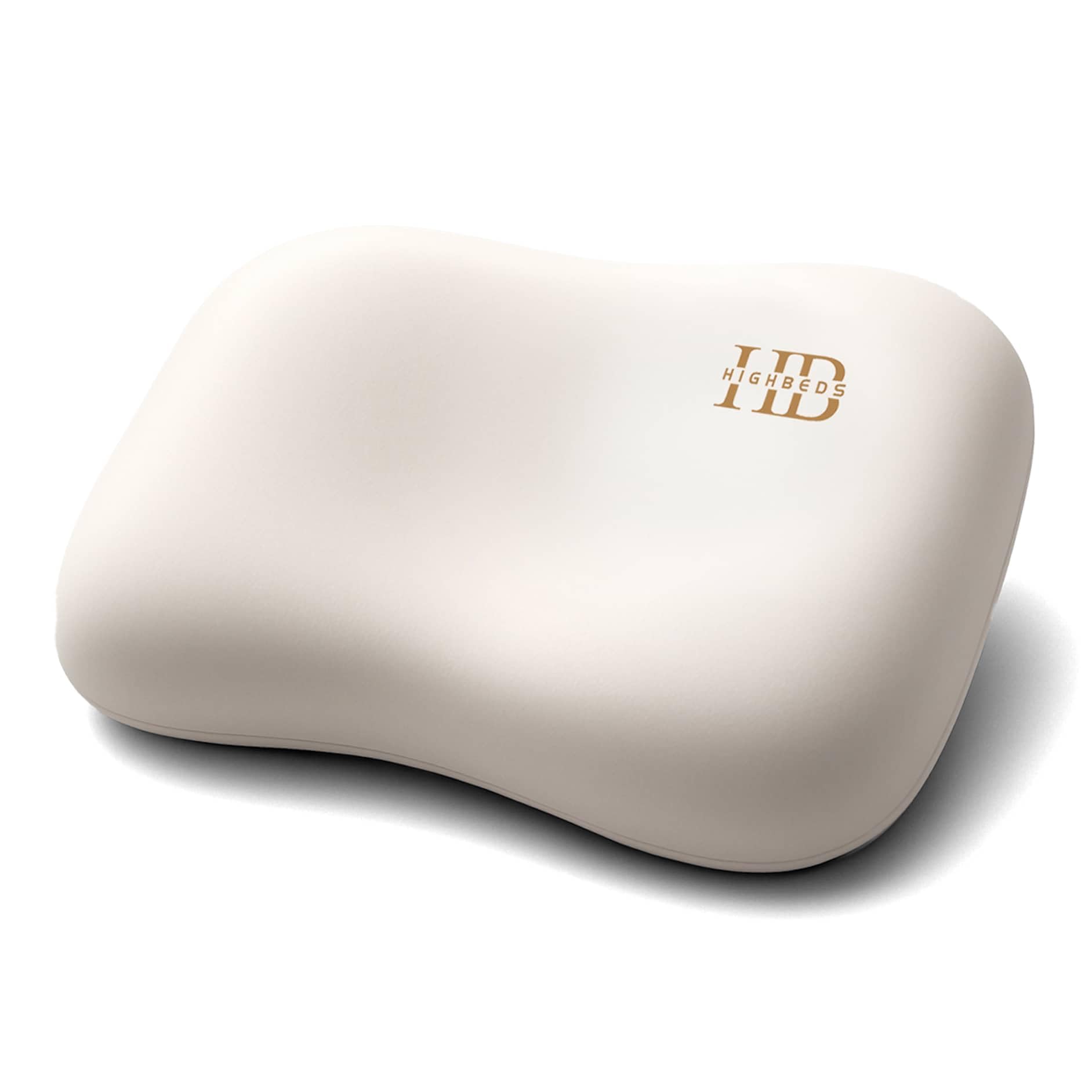
What the Word Cervical Really Means Here
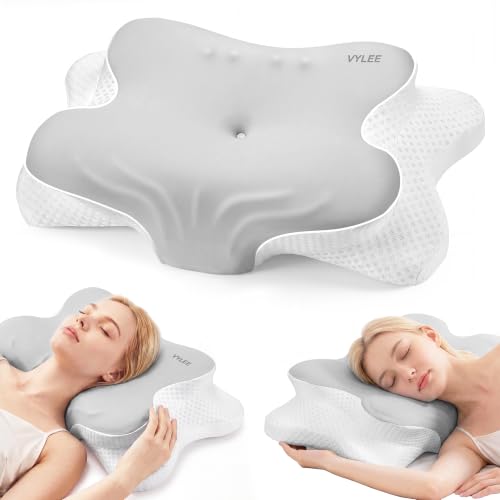
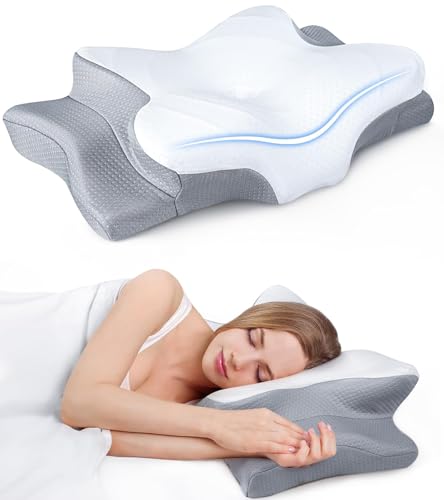
On a pillow listing, cervical is a shape word and a marketing word. It describes a contour molded to fill the curve under your neck while your head rests in a shallower dip, and sellers use it because it sounds clinical. A pillow is bedding, not a treatment: it does not correct spinal alignment in a medical sense, cure neck conditions, or replace care for a diagnosed cervical problem. Contour height matched to your sleep position and shoulder width is a comfort and fit question only.
That boundary changes how the linked guides on this site should be read. Readers comparing the best pillows for cervical neck pain are usually shopping for comfort on difficult nights, and any pillow that helps is helping as bedding, not as therapy. Anyone with a diagnosed neck or spine condition, persistent or worsening neck pain, or numbness, tingling, or weakness running into the arms or hands should follow their clinician guidance on pillow shape first and treat this guide as secondary. A contour that felt wonderful to a reviewer can still be the wrong height for you, and no listing claim overrides that.
Cervical Neck Pillow Types Compared
Contour pillows are one branch of the wider family covered in our guide to the best neck pillows, and within the branch the construction splits four ways. The table summarizes the split, and the sections after it give each type its honest strengths and limits.
| Type | Best For | Pros | Cons | Typical Price |
|---|---|---|---|---|
| Wave contour memory foam | Back sleepers and side sleepers trying a first contour | Two usable heights in one pillow; easy to find; steady feel | Sleeps warm; slow response when you roll over | about $30 to $70 |
| Latex contour | Hot sleepers and people who dislike sinking | Springy and breathable; holds shape for years | Heavy; firm first feel; costs more | about $60 to $120 |
| Adjustable height contour | Combination sleepers and uncertain fits | Height tuned at home by adding or removing layers | Layers can shift; costs more; zippers add bulk | about $50 to $110 |
| Low profile contour | Back sleepers and smaller frames | Gentle lift that never pushes the head forward | Too flat for most side sleepers | about $25 to $60 |
Wave Contour Memory Foam
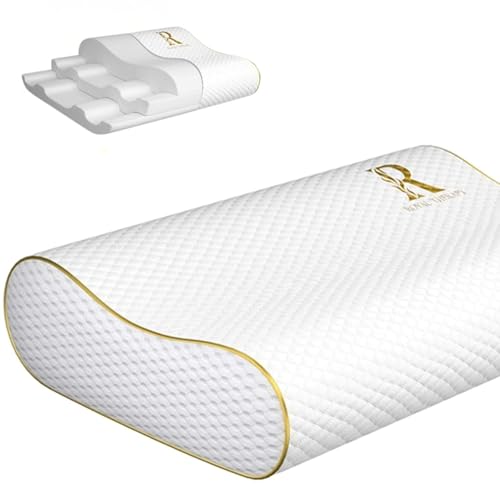
The wave is the classic shape most people picture: one long edge rises higher, the opposite edge lower, with a shallow valley between them. Turning the pillow around swaps the height, so one purchase covers back sleeping on the low edge and side sleeping on the high edge. Typical waves offer a lower edge around 3 to 4 inches and a higher edge around 4 to 5 inches, measured at the peaks.
Memory foam softens where your body warms it and holds the molded shape quietly all night, which suits sleepers who settle in one position. The trade offs are heat and patience: the foam traps warmth more than other fills, and it responds slowly when you roll, so restless sleepers can feel a step behind the pillow. It is the sensible first contour because the two heights forgive an imperfect guess.
Latex Contour
Latex takes the same molded shapes and gives them spring. Instead of sinking and holding, it pushes back gently, so your head sits on the contour rather than in it, and turning over feels instant. The open cell structure also breathes better than memory foam, which makes latex the usual answer for sleepers who run warm and still want a molded neck roll.
The costs are weight, firmness, and price. A latex contour can weigh twice as much as a foam one, the first nights feel firmer than the measurements suggest, and prices sit at the top of the table. It also lasts: latex holds its loft for years where foam slowly tires, so the cost per year often beats a cheaper pillow replaced twice.
Adjustable Height Contour With Removable Layers
Adjustable models stack two or three foam layers inside a zippered cover, sometimes pairing a contour layer with flat inserts or a fiber filled top for softness. Removing a layer drops the height in steps of about half an inch to an inch, which lets one pillow serve a back sleeper, then get rebuilt for side sleeping, without a second purchase. This is the honest answer for combination sleepers whose position changes across the night.
The weakness is movement inside the stack. Layers can creep a little over weeks, the zipper line can be felt through a thin case, and the whole pillow is only as good as the layer you cannot remove, so check the base height before buying. Buyers who enjoy tuning a fit will like the control; buyers who want to forget the pillow exists should pick a fixed shape.
Low Profile and High Loft: The Two Ends of the Range
Loft is the height your head and neck actually rest at, and the two ends of the market serve opposite bodies. Low profile contours, roughly 2 to 3 inches at the neck edge, suit back sleepers and smaller frames, because a taller roll pushes the chin toward the chest and turns support into pressure. Their limit is real too: most side sleepers bottom out on them and wake with a compressed shoulder.
Higher contours, around 5 to 6 inches at the neck edge, exist for side sleepers with broad shoulders, because the pillow has to fill the full gap between the mattress and the side of the head. A high loft on a narrow frame does the opposite damage and tilts the head all night. Treat loft as the first filter in this whole guide: a type you love at the wrong height is still the wrong pillow.
Memory Foam Contour vs Latex Contour: Which Should You Choose?
These two materials dominate the type table, so a direct comparison helps. On feel, memory foam molds and holds while latex springs back, and sleepers who change position often usually prefer the spring. On temperature, latex breathes clearly better, though a cooling cover can narrow the gap for the first part of the night. On durability, latex holds its shape longer, while memory foam slowly softens in the dip where your head rests.
On price, memory foam wins at purchase and often loses across years, because the latex premium buys lifespan. On fit risk, the two height wave in memory foam is more forgiving for a first time contour buyer who is guessing at loft. Choose latex if you sleep hot, move a lot, and already know your height; choose memory foam if this is your first contour and the trial terms are generous.
How to Choose the Best Cervical Neck Pillows
Match Contour Height to Sleep Position and Shoulder Width
Position decides the height before any material question matters. Back sleepers need the neck roll to fill the curve without lifting the head forward, which usually means the low edge of a wave or a dedicated low profile shape. Side sleepers need enough loft to span the shoulder, so measure the distance from your neck to the outside of your shoulder and shop near that number, erring slightly low because foam compresses under weight.
Stomach sleepers are the honest exception in every contour guide: most contours are too tall for a face down position and twist the neck further, so the thinnest low profile shape, or a conventional soft pillow, serves them better. Combination sleepers should start with the height their main position needs and use the second edge of a wave for the rest of the night.
Firmness Is a Comfort Dial, Not a Treatment
Firmness labels on contour pillows describe how much the foam gives under your head, nothing more clinical than that. A firmer contour holds its height through the night and suits heavier heads and broad shoulders, while a softer one lets the head settle deeper and suits lighter sleepers. Neither setting fixes a sore neck, and the roundups of the best pillows for sore neck are best read as comfort comparisons for exactly that reason.
Judge firmness during the trial, not the first night, because new foam of any kind feels firmer than it will after two weeks of use. If a pillow feels promising but slightly hard, a thinner pillowcase and a week of patience often settle it. If it feels wrong in height rather than firmness, no amount of patience fixes the geometry, and that distinction is what the return window is for.
Fill, Covers, and Cooling Claims
Beyond the two headline foams, fills include shredded foam, which behaves like an adjustable pillow and loses the clean contour, and fiber fills, which feel familiar but flatten within months. Covers matter more than the fill labels suggest, because the cover touches your skin all night. Cotton percale covers feel crisp and breathe well, sateen weaves feel smoother and warmer, and bamboo derived knits stretch to follow the contour without bunching.
Cooling claims deserve a discount. Gel infusions and phase change covers can feel cool for the first part of the night, but they store a limited amount of heat and the effect fades, so treat them as a small bonus rather than a reason to pay a premium. Material certifications such as CertiPUR US for foam and OEKO TEX for fabrics at least confirm the fill was checked against a published standard, which is a firmer fact than any cooling slogan.
Size and Fit on the Bed
Contour pillows come in standard, queen, and king widths, and the width mostly decides whether the shape stays under you when you shift toward a partner or the edge of the bed. A standard size suits most single sleepers, while restless sleepers should size up so the neck roll is still there after a roll. Check the depth as well, because a deep contour can push a back sleeper toward the foot of the bed on a short mattress.
Confirm your pillowcases fit before the trial clock starts. Many contour shapes are thicker at the edges than a flat pillow, and a tight case compresses the roll and quietly changes the height you paid for. Makers often include one fitted cover, and using it for the trial nights keeps the comparison fair.
Trial Windows, Returns, and the Adjustment Week
Because fit is personal, the trial terms can outweigh every spec in this guide. Sleep trials for pillows commonly run about 30 to 100 nights, and a contour that suits one sleeper can be wrong for the next at the same height and firmness, so a free return matters more than a small discount. Shoppers working through ongoing discomfort, including readers of the roundups on the best pillows for neck problems, should rank return terms first and remember that a generous trial is a comfort tool, not a medical safeguard.
Expect an adjustment week even when the fit is right. Neck muscles used to a collapsed old pillow often protest for three to seven nights on a firmer contour, so alternate nights with your old pillow if the first nights feel stiff. Anyone managing diagnosed neck issues, of the kind covered in our guide to the best pillows for neck issues, should ask their clinician whether a contour trial makes sense at all before the adjustment week begins. If new numbness or radiating pain appears during a trial, stop and seek care rather than pushing through the window.
Setup and Care for Contour Pillows
Let a new foam pillow air out for a day before the first night, since fresh foam carries a factory smell that fades on its own. Use a protector under the case to keep oils and sweat out of the fill, and wash the removable cover on the same rhythm as your sheets. Memory foam and latex cores should never be soaked or machine washed, because water breaks the cell structure and the pillow never fully dries inside.
Spot clean the core with a barely damp cloth instead, and dry it away from direct heat. Turn the pillow end for end each week if your shape allows it, so wear spreads across both edges of a wave. Replace a contour when the dip no longer springs back within a few seconds of lifting your head, or when you start folding it in half to recover height.
Cervical Neck Pillows: Your Questions Answered
Are cooling cervical neck pillows worth it for hot sleepers?
They help at the margins, because a phase change or gel cover feels cooler for the first hour or so of the night, but the effect fades as the material warms to body temperature. Hot sleepers usually gain more from choosing a latex contour, which breathes all night, than from paying a premium for a cooling layer on memory foam. Room temperature and a breathable cotton cover still do most of the work, so treat cooling claims as a tiebreaker, not the main reason to buy.
How long does it take to get used to a cervical neck pillow?
Most sleepers need about one to two weeks, because the muscles along the neck have adapted to the shape of the old pillow and notice any change at first. Mild stiffness in the first few nights is common and usually fades as the trial goes on. Alternating nights between the new contour and your old pillow can ease the change. If discomfort keeps growing instead of fading, the height is probably wrong, and that is a fit problem to solve with the return window.
Can a cervical neck pillow cure neck pain?
No, it cannot, because a pillow is bedding and bedding does not treat medical conditions. A well fitted contour can make sleep more comfortable, which is a worthwhile goal on its own, but persistent neck pain deserves a proper evaluation rather than a product swap. Numbness, tingling, or weakness in the arms or hands, pain after an injury, or pain that keeps worsening are all reasons to see a clinician promptly. If your clinician suggests a contour shape, this guide can then help you pick the type and height within that advice.
How often should I replace a cervical neck pillow?
Memory foam contours usually serve about two to three years before the dip tires, while latex often lasts four years or longer. The fold check gives a quick answer at home: fold the pillow in half, and if it stays folded or returns only slowly, the fill is spent. Waking with a folded extra pillow or towel under your contour is another sign the height is gone. Replace on condition rather than the calendar, since body weight and sleep position change the pace of wear.
How do I wash a cervical neck pillow safely?
Wash only the removable cover, in warm water with your regular laundry, and keep the foam or latex core out of the machine entirely. Water breaks down the cell structure of foam and a soaked core can take days to dry, growing mildew in the meantime. Spot clean the core with a cloth dampened with mild soapy water, press it with a dry towel, and let it air dry fully away from radiators and direct sun. A washable protector, changed weekly, keeps the core clean enough that deep cleaning rarely comes up.
Final Thoughts
Filter by loft first, pick the type whose feel matches how you sleep, and let the trial terms protect the guess that remains. The product table above gathers the main types in one place for a final comparison of prices and trade offs. For a first purchase, the best cervical neck pillows are the ones whose height fits your position and shoulders, sold by a maker who will take them back if your neck disagrees.


