
Best Cervical Pillow for 2026: A Complete Buying Guide
Disclosure: We may earn a commission when you buy through links on this page, at no extra cost to you. As an Amazon Associate I earn from qualifying purchases. Learn more

Match a cervical pillow to your sleep position with clear guidance on contour height, fill, cooling, sizing and trial terms.
Waking with a stiff neck or sore shoulders often means your pillow holds your head too high, too low, or at an angle your neck cannot relax in. A best cervical pillow search is really a search for the right contour height, firmness, and shape for the way you sleep. This guide explains those fit points in plain terms so you can judge any option with confidence.
A cervical design uses a shaped surface, often with a higher edge under the neck and a lower area for the head, to keep the spine in a straighter line through the night. Use the product table below to check contour height, fill type, and cover details side by side. If you want a broader starting point first, see our guide to the best pillow for standard shapes and fills.

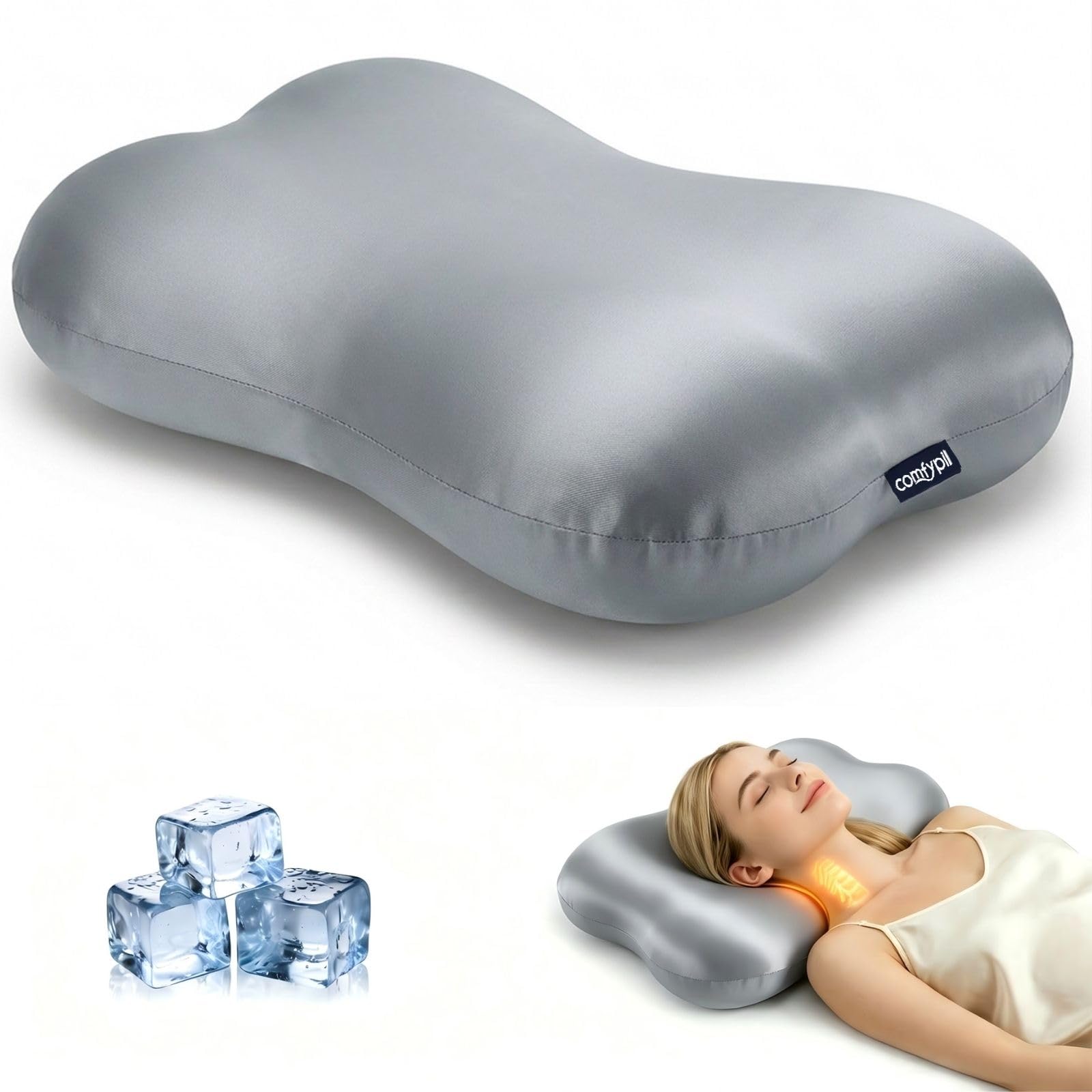
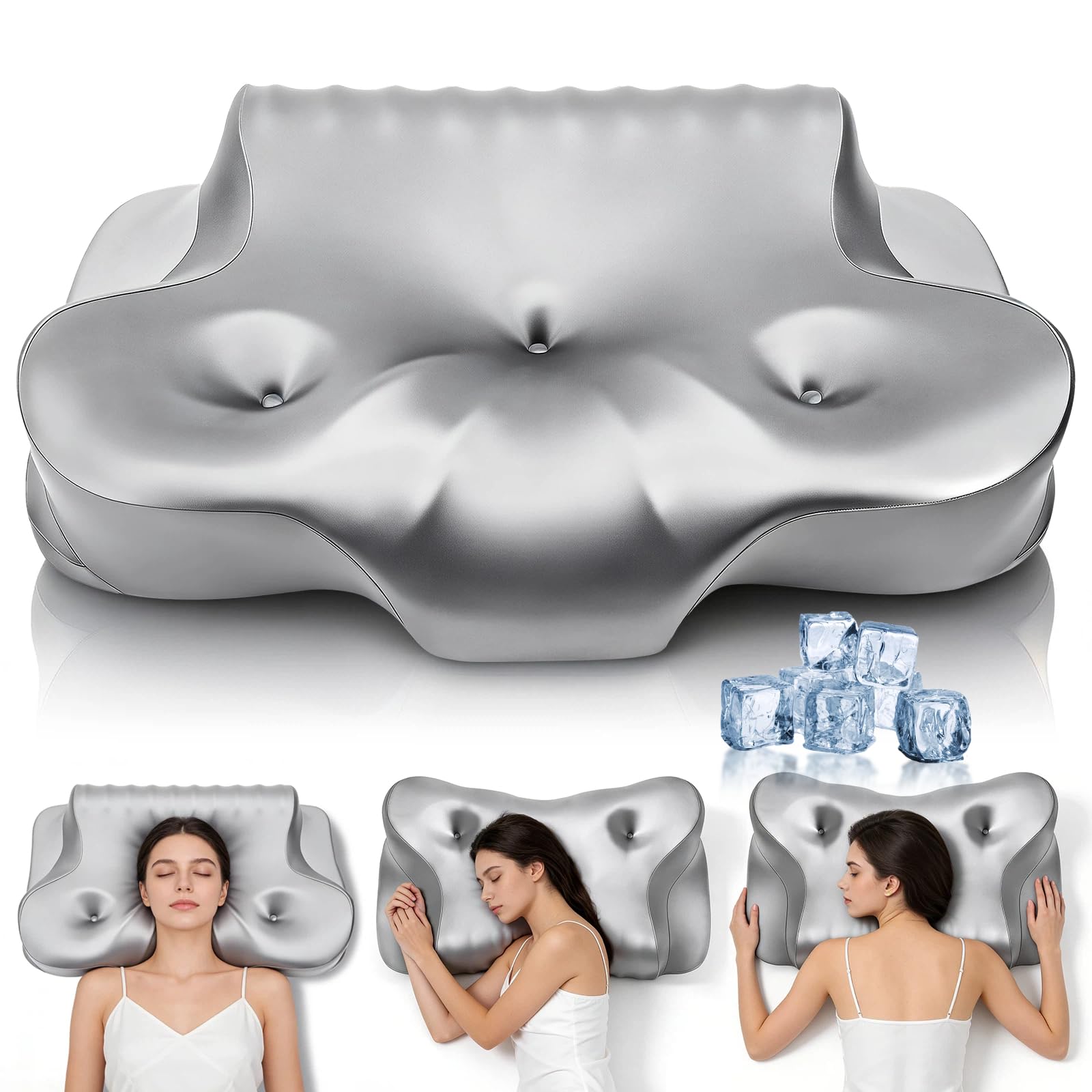

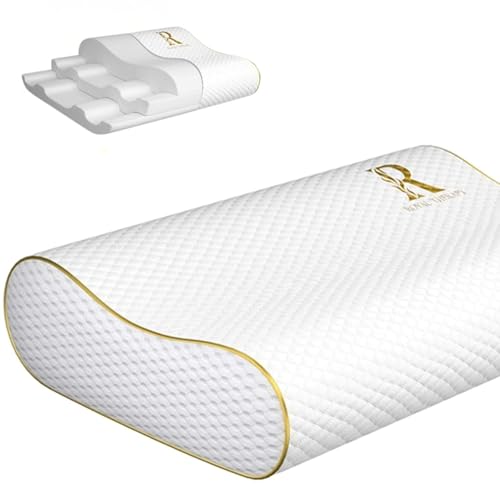
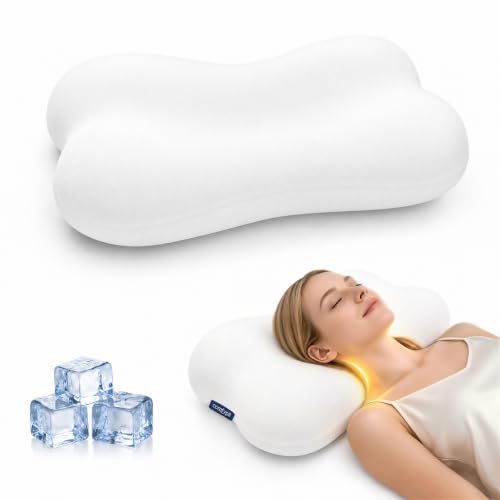
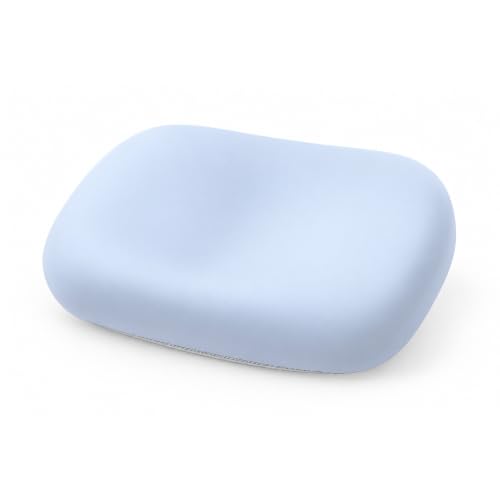
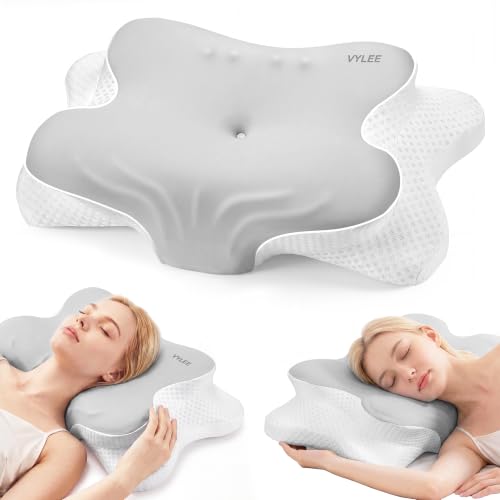

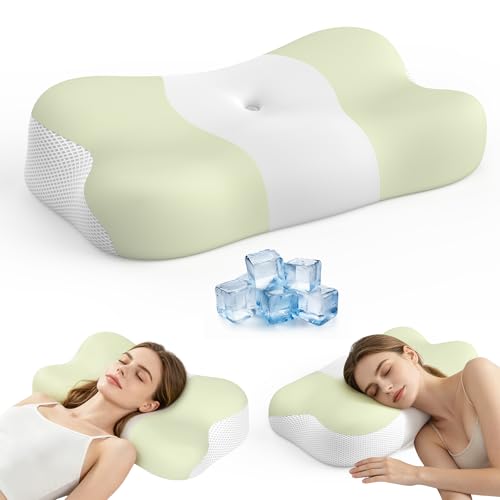
What to Look for at a Glance
Start with three checks before you look at price or extra features. First, match the loft to your main sleep position, since back sleeping and side sleeping need very different heights. Second, confirm the contour feels supportive without pushing your chin toward your chest. Third, check the return terms, because shape is personal and a fair trial matters more than a long feature list.
Comfort and support come first, then materials and certifications, then cooling and value. A pillow that fits your neck well in a simple foam will usually serve you better than a costly design with the wrong height. Keep those priorities in order as you read the profiles and criteria below.
Three Buying Profiles and What to Prioritise
Back Sleepers Who Need Steady Neck Support
If you sleep mostly on your back, prioritise a contour with a clear neck roll and a shallow dip for the back of the head. That shape fills the curve behind your neck while letting your head rest lower, which helps your chin stay level rather than tilted forward. A medium firm feel usually works best here, since a very soft fill can collapse and leave the neck unsupported by morning. Measure the gap between your neck and the mattress when you lie down to judge the height you need.
Side Sleepers With Shoulder Pressure
Side sleepers need more height because the pillow must fill the space from the side of the head to the outer shoulder. Look for a higher edge, a firm enough fill to hold that height all night, and enough width that your head stays on the raised area when you shift. If you wake with an ear ache or a sore shoulder, the loft is often too low or the fill packs down too fast. A shaped edge that supports the jaw without forcing it upward is a useful extra check.
Hot Sleepers and Value Focused Buyers
If you sleep hot, prioritise airflow in the fill and a breathable cover over a thick foam block with no vents or channels. Latex and shredded fills tend to move air more freely than solid memory foam, though your room and bedding also matter. Value focused buyers should spend first on the right height and a washable cover, and skip extras they will not use. A simple contour at about $30 to $50 that fits well beats a premium shape at the wrong loft.
How to Evaluate a Cervical Pillow
Judge every option against the same five criteria so your choice stays grounded in fit rather than marketing claims. Comfort and support mean the neck feels held without pressure points and the head does not roll off the contour. Materials and certifications tell you what the fill is made from and whether it meets a recognised standard. Temperature regulation, durability, and trial and warranty terms then decide how the pillow will perform over months, not just the first night.
Use maker specifications for height, size, and fill, and read buyer comments for patterns about firmness and lasting shape rather than single strong opinions. If neck pain is your main reason for shopping, our guide to the best pillow for neck pain adds helpful context on support and sleep position. No pillow can diagnose or treat a medical condition, so treat comfort claims with care.
How to Choose the Right Cervical Pillow
Size and Form Factor
Standard, queen, and king sizes mainly change width and how the pillow fits your bed and pillowcase, not how the contour supports your neck. A wider size helps restless sleepers who move across the pillow, while a standard size suits a twin or full bed and a single settled position. Travel sizes pack small but often feel too low and narrow for nightly use at home. Sets of two only make sense when both sleepers need a similar height and shape.
Type and Fill
Memory foam contours closely and holds its shape, which many back sleepers like, but solid foam can feel warm and slow to respond when you turn. Latex feels springier and more breathable, with a firmer push back that some side sleepers prefer. Shredded foam and adjustable fills let you add or remove material to fine tune height, which helps if you sit between standard lofts. Buckwheat feels very firm and mouldable, down feels soft but rarely holds a cervical contour, and down alternative sits between those extremes on support.
Features Worth Paying For
A removable and washable cover is worth paying for because it protects the fill and keeps the sleep surface fresh without washing the whole pillow. Adjustable fill is also worthwhile if your ideal height is uncertain or you switch between back and side positions. A cooling cover can help if it uses breathable fibres and a smooth weave, but it cannot fully offset a dense foam core that traps heat. Skip added scents or complex zoned claims that you cannot verify from clear specifications.
Sleep Position and Body Type
Your main position sets the target loft, and your build adjusts it. Broad shoulders raise the height a side sleeper needs, while a narrow frame needs less, and a deep curve at the neck may need a more pronounced roll for back sleeping. If you change positions often, choose a contour with a usable shape on more than one edge so turning does not strand your head on a high ridge. For position specific sizing help, see our guide to the best pillow for side sleepers before you order.
Materials and Certifications
Look for clear fill disclosures and recognised testing labels rather than vague purity claims. CertiPUR US certification for foam means the material meets standards for content, emissions, and durability set by that programme. OEKO TEX labels on covers or fills indicate testing for harmful substances under that system, though the label class and scope vary by product. If you have allergies, favour a washable cover and a fill that does not rely on added fragrance to mask odour.
Cooling and Breathability
Cooling depends on the whole build, not one gel layer. Open cell foam, vent holes, shredded fill, and latex usually allow more air movement than a solid block of dense foam. Covers in cotton, bamboo derived rayon, or other breathable weaves feel cooler than thick synthetic covers with a plastic like finish. If you run warm, also check that the contour shape does not cup your head so closely that air cannot move around your face and neck.
Trial Period and Warranty
A trial of at least a few weeks matters because a new contour can feel strange for the first several nights while your neck adjusts. Read what the trial actually allows, including who pays for return shipping and whether the pillow must be kept clean and undamaged. A warranty should cover defects in materials and workmanship, such as seams failing or foam splitting, rather than normal softening over time. Keep your order details and the care label until you are sure the fit works for you.
How Much Should You Spend?
Under $30, expect basic foam contours with simple covers and shorter trials, which can still work if the height is right. About $30 to $50 is the range where adjustable fill, better covers, and clearer specifications become more common. About $50 to $100 should bring stronger materials, more size choice, and more generous trial terms. Above $100, you are paying for premium fills, refined covers, and brand support, so demand clear measurements and return terms to justify the step up.
Cervical Pillows Compared With Other Pillow Types
A standard rectangular pillow relies on loft and firmness alone, while a cervical design adds a shaped roll and a head dip to guide neck position. That guidance helps many back and side sleepers who find flat pillows leave a gap under the neck. The trade off is fit sensitivity, since a contour at the wrong height can feel worse than a plain pillow that simply compresses. Stomach sleepers often find cervical shapes too high and may do better with a thin, soft pillow or none under the head.
Body pillows and wedges solve different problems, such as supporting the knees or raising the whole upper body, and they do not replace a neck contour for nightly head support. A cervical pillow also will not fix pain that stems from your mattress, your daytime posture, or a medical issue. Seek medical care promptly if you have pain after an injury, numbness or weakness in an arm or hand, trouble moving your neck, or pain that keeps worsening. A clinician or physical therapist can advise whether a contour shape is appropriate for your condition.
Frequently Asked Questions
What is the best cervical pillow?
The right choice is the contour whose height and firmness keep your head and neck level in your main sleep position. No single shape suits every body, so use your shoulder width, neck curve, and trial terms to decide. One extra check many buyers miss is pillow width, since a too narrow contour can leave combination sleepers unsupported when they roll toward the edge during the night.
Are cervical pillows worth buying?
Yes, a cervical pillow is worth buying if a flat pillow leaves a clear gap under your neck or lets your head tilt. The shaped roll can make back and side positions feel steadier and reduce morning stiffness linked to poor pillow fit. It is less worthwhile if you sleep mainly on your stomach or expect it to treat a diagnosed condition, so set expectations around comfort and alignment rather than medical outcomes.
How often should you replace a cervical pillow?
Replace a cervical pillow when the contour no longer returns to shape, the neck roll feels flat, or you wake with new stiffness despite clean bedding and a sound mattress. Foam models often last longer than soft fibre fills, but heavy nightly use shortens any lifespan. For a fuller timeline by fill type, see our guide on how often to replace pillows and note the date you start using yours.
How should you wash a cervical pillow?
Wash the removable cover first and check the fill label before putting any foam or latex in water, since many solid fills should only be spot cleaned. Fibre and shredded fills may allow gentle machine washing if the maker permits it, with full drying before use to prevent odour. For step by step methods by fill, see our guide on how to wash pillows and always follow the care label over general advice.
How do you choose a pillow for neck support?
Choose by matching loft to position first, then firmness, then fill, in that order. Lie on your current pillow and note whether your nose lines up with the centre of your chest for back sleeping, or whether your head tips up or down for side sleeping. A practical extra step is to try folded towels under your head for a few nights to estimate the height that feels level before you buy.
How long does a cervical pillow last?
Most cervical pillows last about one to three years, depending on fill, body weight, and how often they are used. Memory foam and latex tend to hold a contour longer than soft polyester fill, which can clump and flatten sooner. Rotating the pillow end to end if the shape allows it, using a cover, and keeping it out of direct heat can slow wear and help the fill age evenly.
Final Thoughts
The right cervical pillow is a fit decision, not a feature contest. Match the loft to your sleep position, choose a fill you can maintain, confirm the certifications and trial terms, and use the product table above to compare heights and shapes on equal terms. When you find a best cervical pillow option that keeps your neck level through the night, you have found the one worth keeping.


