
Best Bristle Free Grill Brush (2026): Types and Buying Tips
Disclosure: We may earn a commission when you buy through links on this page, at no extra cost to you. As an Amazon Associate I earn from qualifying purchases. Learn more

The best bristle free grill brush cleans without shedding metal bristles: compare coil, steam and wooden scraper designs for your grates.
Picture a Saturday cookout where the burgers are ready to go on, but last week residue is still stuck to the grates. You want a fast cleanup, yet you do not want to worry about a loose metal bristle ending up in someone dinner. Choosing the best bristle free grill brush for your home solves that worry, and the right choice depends on your grate material, your household size, and how often you grill.
This guide walks you through the main designs, what each one costs to own, and which homes each design suits best. Use the comparison table below to scan the options, then read on for details. If you are still weighing the wider category, see our guide to the best grill brush.





Quick Answer: Three Types That Fit Most Homes
Most households end up happy with one of three designs. Each cleans without loose individual bristles, but each works in a different way and suits a different routine.
- Coiled wire brush. A continuous coil of wire scrubs across the grates and wraps around the bars as you push. This is the closest match to the wire brush you may already own, so it suits frequent grillers who want a familiar motion.
- Steam cleaning brush. A water reservoir feeds a thick pad, and heat from the grates turns the water into steam that loosens residue. This suits cooks who clean right after cooking for children or guests.
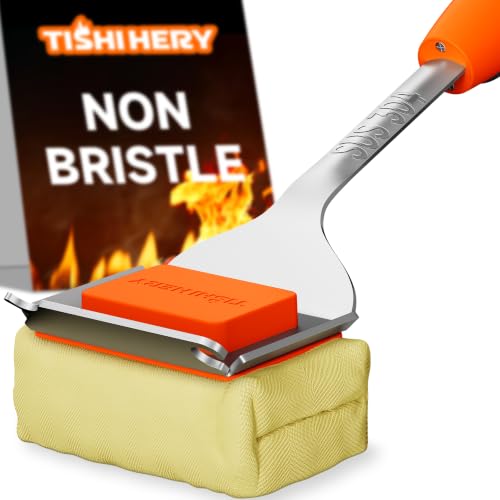
- Wooden scraper. A flat wooden edge slowly forms grooves that match your grates on a hot grill. This suits smaller households, gentle grate coatings, and anyone who wants the simplest tool to maintain.
Whichever type you pick, technique matters as much as the tool. Short strokes along the bars, steady pressure, and a final wipe with a folded cloth clear away loosened debris. Our walkthrough of how to use a grill brush covers stroke direction and pressure in more detail.
Before You Buy: A Quick Checklist for Choosing a Grill Brush
A bristle free label alone does not make a brush right for your grill. Work through the four checks below before you spend anything, because grate material, cleaning habits, and storage space rule out some designs quickly.
Which Type Fits Your Routine
Think about when you actually clean. If you scrub a hot grill right after cooking, a steam brush or a wooden scraper uses that heat well and needs little effort from you. If you usually clean a cold grill the next day, a coiled wire brush gives you the scrubbing force that dried residue demands. If hand strength or wrist comfort limits your scrubbing, a powered option may help, and our guide to the best electric grill brush explains who benefits most.
Materials and Food Safety
The safety case for going bristle free is simple. A traditional wire brush can shed thin metal bristles that stick to the grates, transfer to food, and cause serious injury if swallowed. Coiled designs use one continuous wire with no cut ends to shed, steam brushes use a fabric or sponge pad, and wooden scrapers shed nothing at all. Stainless steel coils resist rust in outdoor storage, while cheaper plated metals can corrode and weaken over a single wet season. If you cook on stainless steel grates, our guide to the best grill brush for stainless steel grates covers which materials protect that finish.
Dishwasher Safe or Hand Wash
Cleaning the brush itself decides how pleasant it is to own. Many coiled wire heads and steam brush pads can go in the dishwasher or soak in hot soapy water, which suits busy families. Wooden scrapers should never soak or go in the dishwasher, since water swells and splits the wood, so they need only a quick wipe and dry storage. Check whether pads and heads detach, because a brush you can clean fully will not carry old grease into your next cookout.
Realistic Budget Ranges
Prices stay modest for this category, but the tiers buy different things. Simple wooden scrapers and basic coiled brushes often cost under $15, and they do the core job well. Designs at about $15 to $30 usually add a sturdier handle, a replaceable head, or a steam reservoir. Options at about $30 to $50 tend to bundle extra pads or heads, which lowers what you spend later on replacements. Judge each tier by cost per season of use rather than by the sticker alone.
Types Compared: How Bristle Free Designs Clean Differently
All three types remove residue without loose bristles, but they remove it in different ways. Matching the cleaning action to your grates prevents both weak results and surface damage.
Coiled Wire Brushes
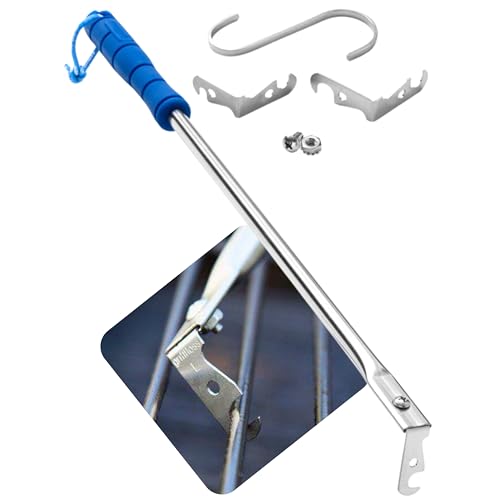
A coiled brush drags a spring of wire across and around each grate bar, so it scrubs the top and sides in one pass. That wraparound action makes it the strongest choice for thick carbon buildup on sturdy grates, and it works on a hot or cold grill. Choose a coil with wide spacing for thick bars and tighter spacing for thin rods, since a poor fit rides over residue instead of lifting it. On cast iron, pair the coil with a light coat of oil after cleaning to protect the seasoning, a point our guide to the best grill brush for cast iron grates develops further.
Steam Cleaning Brushes
A steam brush holds water in a reservoir and releases it into a thick pad as you press down. Heat from the grates turns that water into steam, and the steam softens residue so the pad can wipe it away with light pressure. This design is gentle on porcelain enamel and plated grates that a coil might mark, and it leaves the surface visibly clean rather than merely scraped. Its limit is timing, because it needs a hot grill to work, so it will not rescue a grill you forgot to clean last weekend.
Wooden Scrapers and Pad Scrubbers
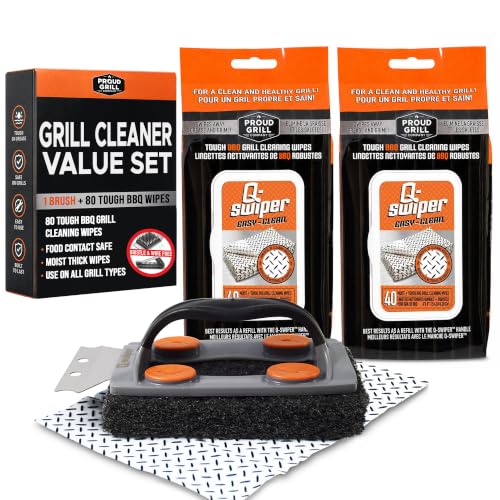
A wooden scraper starts with a flat edge, and repeated passes over hot grates burn and wear custom grooves into that edge. Once the grooves form, the scraper reaches between the bars and pushes residue off with surprising ease. Pad scrubbers use a coarse pad on a handle and rely on your arm pressure, which makes them flexible for flat tops and odd shapes. Both options are quiet, cheap to replace, and safe on delicate coatings, but both clean more slowly than a coil when buildup is heavy.
How to Evaluate a Bristle Free Grill Brush
When you compare listings, score each option on five points drawn from manufacturer specifications and patterns in verified buyer feedback. Ease of use covers handle length, grip comfort, and how much pressure the design needs. Durability covers coil thickness, pad quality, and whether worn parts can be replaced instead of the whole brush. Cleaning performance covers fresh grease and old carbon, and design covers storage. Value ties those points to the price tiers above, so a simple scraper can score as well as a premium steam brush for the right home.
What We Like and What We Do Not Like About Bristle Free Brushes
The clear gain is peace of mind at the table. With no individual bristles to shed, you remove a small but serious risk from every meal, and you no longer need to inspect every grate bar under bright light before cooking. Most designs also last longer than a wire brush, because there are no bristle tips to bend, rust, and break off. For a family that hosts often, that combination of safety and lifespan is the main reason the best bristle free grill brush earns its place in the cabinet.
The trade off is cleaning style. Coiled brushes ask for more strokes than stiff bristles on very old buildup, and steam brushes only shine on a hot grill. Wooden scrapers need several early uses before the grooves fit your grates well, so the first few cleanings feel slow. For most homes the adjustment is minor, but heavy commercial style use may still call for a second tool.
Common Mistakes to Avoid
- Buying by handle length alone. A long handle keeps hands away from heat, but a brush head that does not match your grate spacing will still clean poorly.
- Scrubbing porcelain grates with maximum force. Excess pressure can chip the enamel coating, and chipped spots then rust and stick more with every cook.
- Ignoring replacement parts. A cheap brush with no spare heads or pads costs more over two seasons than a pricier brush you can refresh.
- Storing a wet brush in a closed cabinet. Trapped moisture rusts coils and grows mildew in pads, so a brush stored wet ages in months rather than years.
- Skipping the wipe after scrubbing. Loosened residue left on the grates bakes into a harder layer next time, which doubles your work at the following cleanup.
Cost of Ownership and Care
Ownership costs stay low when you plan for the wear parts. Steam pads and coiled heads are the main consumables, and most households replace them once or twice a year with regular grilling. Wooden scrapers wear at the edge and eventually need a fresh board, though that usually takes several seasons. Rinse the working end after each use and hang the brush where air can reach it. Detailed steps appear in our guide to how to clean a grill brush.
Inspect the brush monthly during grilling season. Retire a coiled brush if the wire stretches, kinks, or shows rust that flakes off, and retire a steam brush if the pad tears or the reservoir cracks. Knowing the warning signs for people matters too. If anyone develops throat pain, trouble swallowing, or chest or stomach pain after eating grilled food, treat it as an emergency and seek medical care promptly, because a swallowed sharp object can injure the throat or digestive tract.
FAQ
Can a wooden grill scraper work on porcelain coated grates?
Yes, and it is one of the gentlest options for that surface. Wood is softer than the enamel coating, so the edge pushes residue off without gouging the finish. Press firmly but let the grooves do the guiding, and avoid twisting the scraper sideways, since a sideways levering motion concentrates force on one small spot of coating.
Do coiled wire grill brushes scratch stainless steel grates?
They can leave faint marks if you press very hard at an angle, but normal strokes along the bars rarely harm solid stainless steel. Test a new coil on a back corner first if your grates have a polished look you care about. Plated grates deserve more caution, because a coil can wear through thin plating over time.
Does a steam grill brush work on a cold grill?
Not well, because the steam comes from your grill heat rather than from the brush itself. On a cold grill the pad only wets the residue, which can smear grease instead of lifting it. For a cold cleanup, loosen the worst buildup with a coiled brush first, then use the steam brush at your next cookout while the grates are still hot.
How often should you replace a bristle free grill brush head?
Frequency of grilling drives the answer more than the calendar does. A household grilling twice a week may wear a pad or coil in about four to six months, while a monthly griller can get well over a year from the same part. Replace the head when cleaning takes noticeably more passes than it did when the part was new.
Is a bristle free grill brush a good gift for someone who grills?
It makes a practical gift because it solves a worry many grill owners already have but have not acted on. Pair it with a note naming their grate type if you know it, since fit matters more than price tier. A wooden scraper suits almost any recipient, because it carries no compatibility surprises and needs no spare parts to start using.
Final Thoughts
The right choice comes down to your grates, your routine, and how much upkeep you will actually do. Frequent grillers on sturdy grates usually land on a coiled brush, cooks who clean while the grill is hot get the most from steam, and smaller households often love the simplicity of wood. Compare your shortlist against the product table above, and you will have a best bristle free grill brush that keeps cookouts relaxed for seasons to come.


