Best Bridge Cameras for Birding 2026: What Actually Matters Before You Buy
Disclosure: We may earn a commission when you buy through links on this page, at no extra cost to you. As an Amazon Associate I earn from qualifying purchases. Learn more
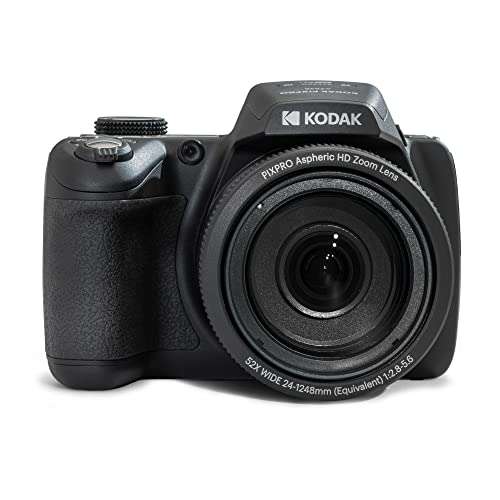
Learn how to choose bridge cameras for birding with a clear checklist covering zoom, sensor size, focus, weather sealing, battery life, and sensible spending.
Choosing best bridge cameras for birding starts with one simple idea: the right camera helps you spot, follow, and photograph birds without carrying a bag full of separate lenses. A bridge camera keeps a long zoom lens built into one body, so you can move from a wide view of a marsh to a close view of a perched bird with one control. That convenience matters when a bird appears for only a few seconds and you do not want to change lenses in the field.
This guide gives plain buying advice. It explains zoom reach, sensor size, focus, handling, battery life, weather sealing, and video in everyday terms, then helps you match those factors to how you actually watch birds. Read through the product table first if you want a quick side by side view, then use the sections that follow to narrow your choice.


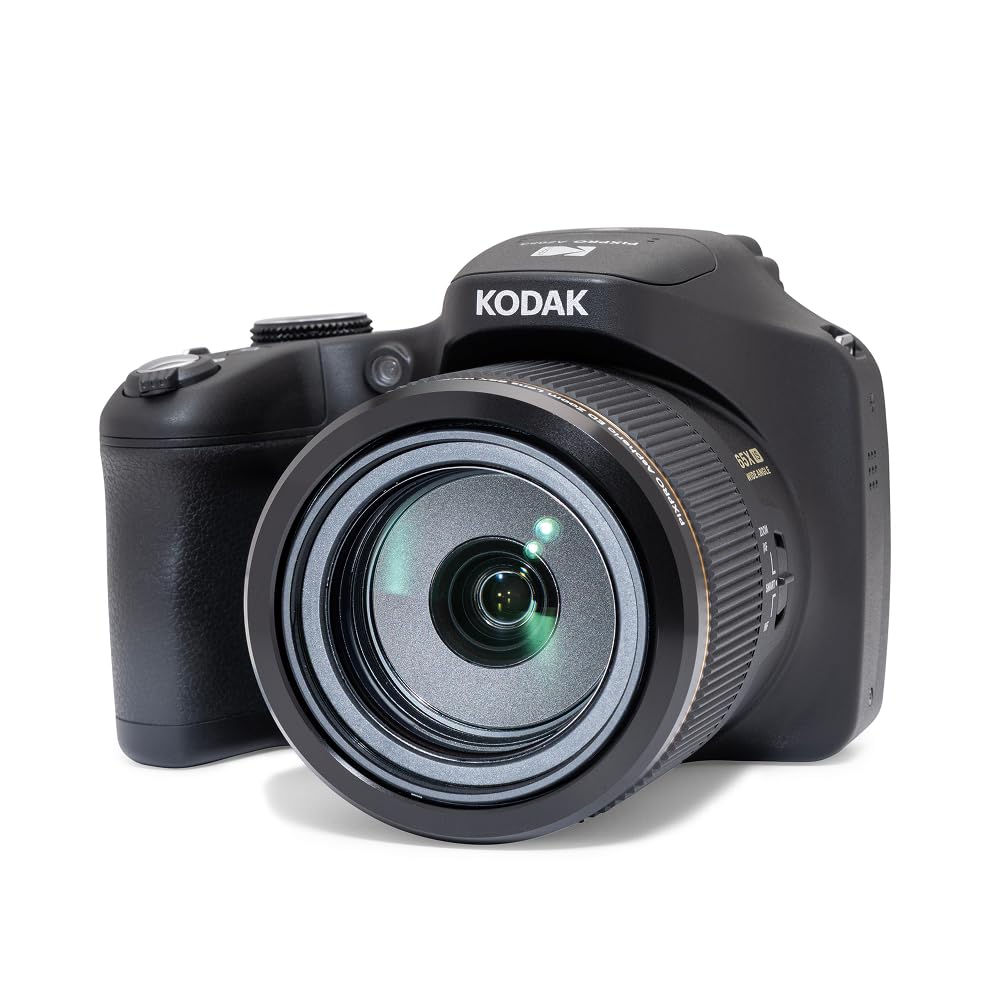


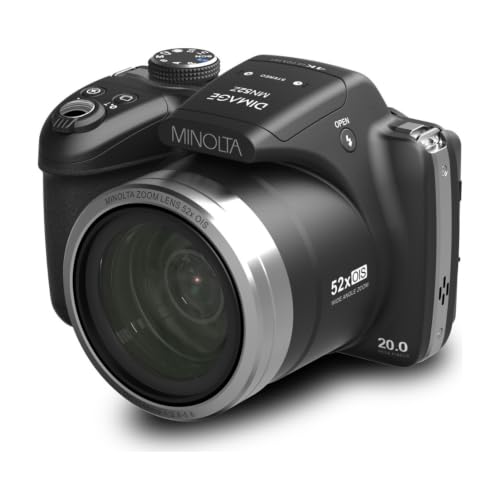
Key Features to Compare
Birding places special demands on a camera, so the best bridge cameras for birding share a few traits. Birds are often small, far away, and quick to move, and light can change fast as clouds pass or as you move from open water into trees. The factors below work as a neutral checklist, not as a scorecard. Use them to compare cameras on paper and, when possible, to check how a camera feels in your hands before you buy.
Features That Matter for Birding
Birding rewards reach, speed, and stability above all else. A long optical zoom lets you fill the frame without walking closer and disturbing the bird, while fast autofocus helps you lock onto a moving subject before it leaves the frame. Image stabilization matters just as much, because small hand movements grow larger as zoom increases.
For a wider view of the category, see our guide to best superzoom bridge cameras. Look also for a clear viewfinder for bright days, a screen you can read in sunlight, and controls you can reach without taking your eyes off the bird.
Sensor Size and Image Quality
Sensor size affects how much light a camera gathers and how clean an image looks in dim light. A larger sensor usually gives cleaner results at dawn, in shade, or on overcast days, which are common birding conditions. Megapixel count alone does not tell the whole story, because a small sensor packed with many pixels can still struggle in low light.
Compare sensor size together with lens brightness and the highest sensitivity you would actually use, and remember that a sharp, well exposed photo at a sensible size beats a noisy photo at full resolution. For a broader sensor comparison, see our guide to best digital cameras.
Size, Weight, and Ergonomics
A bridge camera should feel comfortable after hours in the field, not just for a few minutes in a shop. Check grip shape, button placement, and whether the lens barrel feels balanced when fully extended. A camera that is too heavy may stay at home, while a very small body may feel cramped if you wear gloves.
Try holding the camera with the strap around your neck and your eye to the viewfinder, and notice whether your thumb naturally finds the zoom and focus controls. For travel, also check bag size and whether the camera fits the pocket or pouch you already use.
Battery Life and Charging
Battery life shapes how freely you can shoot during a long walk or a full day at a reserve. Published shot counts vary with zoom use, screen use, and temperature, so treat them as a rough guide rather than a promise. A spare battery is a practical addition for birding trips, especially in cold weather, when batteries drain faster.
Charging through a common USB C connection can be handy on the road, because you can top up from a portable charger between walks. Pack the charger and a spare battery the night before, and keep the spare warm in an inside pocket on cold days.
Durability and Weather Sealing
Outdoor use means dust, drizzle, and sudden showers, so build quality deserves real attention. Some bridge cameras offer weather sealing around buttons and joints, while others need more care in wet conditions. Sealing reduces risk, but it does not make a camera waterproof, so keep a rain cover or a simple plastic sleeve in your bag for heavy rain.
A lens hood can help in drizzle and also cuts glare, and a soft cloth in a pocket lets you wipe mist from the front element without scratching it. Store the camera in a dry, padded bag when you are not using it. If wildlife is your main subject, see our guide to best bridge cameras for wildlife for field specific notes.
Video Capabilities
Video can capture bird song, flight, and behavior that a still photo misses. If video matters to you, check frame rate, stabilization, and whether an external microphone input is available for clearer sound in wind. A flip screen helps when filming at low angles near water or from a hide.
Keep in mind that long video clips drain the battery faster and fill memory cards sooner, so carry a spare card if you plan to film often. For most bird watchers, steady video at a common resolution is more useful than the highest resolution setting on paper.
Spending Levels to Consider
Instead of ranking individual products, it helps to think in spending levels. At an entry level, around $300 to $500, you can find a long zoom, simple controls, and solid image quality in good light, which suits a first birding camera or a casual walker. A middle level, about $500 to $900, usually adds a larger sensor, faster focus, better stabilization, and stronger weather sealing for regular use in varied light.
At a higher level, about $900 to $1,500, you may gain the longest reach, the fastest focus, and the best low light performance, which suits dedicated birders who shoot often. Match the level to how often you go out, not to the longest spec list you can afford. Start with our guide to best bridge cameras if you want a general overview before choosing a level.
When comparing levels, weigh the features you will actually notice. A longer zoom helps only if stabilization and focus keep up, and a larger sensor helps only if you shoot in dim light often. If you mostly photograph birds in bright parks, an entry level camera with a comfortable grip may serve you better than a heavier higher level model.
If you photograph warblers in deep shade, sensor size and focus speed may matter more than extra zoom. Spend first on the factor that limits your current photos, and treat the rest as a bonus.
Quick Buyer Checklist
Use these questions before you order, and answer each one honestly:
- Does the optical zoom reach far enough for the birds you usually photograph?
- Can the autofocus follow a moving bird without hunting back and forth?
- Is stabilization strong enough for handheld shooting at full zoom?
- Does the camera feel balanced and comfortable for a long walk?
- Will the battery last for your usual outing, or will you carry a spare?
- Is the body sealed well enough for the weather you shoot in?
- Can you read the screen and viewfinder clearly in bright sunlight?
- Does the total cost, including a spare battery and memory card, fit your budget?
Red Flags to Watch For
Watch for vague claims that hide weak specs. A listing that boasts a huge zoom number without stating whether it is optical or digital zoom deserves a closer look, because digital zoom only crops the image and lowers quality. Missing details about sensor size, focus points, or battery life can also signal a weak product, as can a very short warranty or unclear support.
Be cautious about listings with many near identical short comments and few detailed owner notes, and about prices that seem far below similar cameras without a clear reason. When in doubt, compare the full spec sheet from the maker before you buy.
Care and Maintenance Tips
Simple care keeps a bridge camera ready for the next outing. Use a lens cloth, not your shirt, to clean the front element, because fabric and grit can scratch coatings over time. Carry a spare battery and a spare memory card in a small pouch, and store the camera in a dry, padded bag away from damp gear.
After a wet walk, wipe the body dry and let it air out before closing the bag. Check the lens cap, strap, and battery door now and then, since a loose cap or a worn strap can cause a costly drop in the field.
Frequently Asked Questions
What features matter most in bridge cameras for birding?
Optical zoom reach, fast autofocus, and effective stabilization matter most, because birds are small, distant, and quick. A clear viewfinder and comfortable handling also matter, since you may track a bird for several minutes in bright light. Sensor size becomes more important in dim light, while video features matter only if you plan to film behavior or song. Start with reach and focus, then add sensor size and weather sealing based on where and when you shoot.
Which bridge camera is better for low light birding?
A camera with a larger sensor and a brighter lens usually performs better in low light, because it gathers more light before noise appears. Look for clean results at higher sensitivity settings rather than the highest number on the spec sheet. A lens that stays bright at long zoom also helps, since a dim lens forces slower shutter speeds that blur moving birds. For dawn and dusk shooting, pair a larger sensor with steady handheld technique or a light monopod for extra support.
How much should I spend on my first bridge camera for birding?
Most first time birders can start at about $300 to $500 and get a long zoom, simple controls, and good results in bright light. Spending more usually buys faster focus, better stabilization, and cleaner low light images, which matter more as you shoot more often. Before raising your budget, decide whether your current limit is reach, focus speed, or low light performance. A camera that matches your most common conditions will feel like better value than a dearer model with features you rarely use.
Is a smartphone enough instead of a bridge camera for birding?
A smartphone works well for nearby birds, landscapes, and quick records, but its short zoom and small sensor limit distant detail. A bridge camera adds real optical reach, a viewfinder for bright days, and faster focus for moving subjects. If you mostly photograph birds at a feeder a few steps away, a phone may be enough. If you want feather detail on a bird across a lake, a bridge camera gives you a clear advantage that cropping a phone photo cannot match.
What does 8x42 or 10x42 mean for birding optics?
Those numbers describe binoculars, not bridge cameras, so they do not apply directly to a camera spec sheet. In binocular terms, the first number is magnification and the second is the front lens diameter in millimeters. For a bridge camera, the useful equivalents are optical zoom range, lens brightness, and sensor size, which together shape reach and low light performance. If a camera listing quotes binocular numbers, treat it as a sign to check the real camera specs from the maker.
What specs matter most for beginners choosing a bridge camera?
Beginners should focus on optical zoom range, simple autofocus modes, and comfortable handling, because those three factors shape most early photos. A clear automatic mode, a helpful viewfinder, and a screen that stays readable outdoors make learning easier. Sensor size and video settings can wait until you know whether you shoot often in dim light or film regularly. Choose a camera you enjoy carrying, since the best camera for a beginner is the one that actually goes on the walk.
Final Thoughts
The best choice balances zoom reach, focus speed, and handling for the places you visit most. A larger sensor helps in dim light, strong stabilization helps at full zoom, and a comfortable grip helps on long walks, so weigh those three factors before chasing the longest zoom number. Check the product table once more, compare total cost including a spare battery and card, and pick the level that fits your outings. When you find a camera that feels right in your hands, best bridge cameras for birding becomes a practical decision, not just a spec comparison.