Best Bridge Cameras for Wildlife Photography Made Simple: A Clear Buying Guide for 2026
Disclosure: We may earn a commission when you buy through links on this page, at no extra cost to you. As an Amazon Associate I earn from qualifying purchases. Learn more
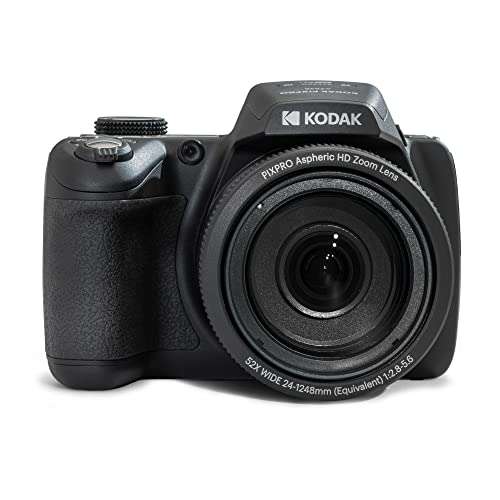
Compare the best bridge cameras for wildlife photography by zoom reach, sensor size, autofocus and stabilisation, with clear tips for first time buyers.
A bridge camera sits between a simple compact and a camera with interchangeable lenses, and that middle ground suits wildlife beginners well. The best bridge cameras for wildlife photography pair a very long zoom with a body you can carry all day, so distant birds and shy deer fill the frame without a bag of lenses. One fixed lens also means no sensor dust and no lens swaps in the field.
This guide is written for first time buyers. It explains the class in plain terms, then works through reach, sensor size, autofocus and stabilization, the four specs that decide most wildlife results. The product table lines the main types up side by side, so keep it in mind as you read.


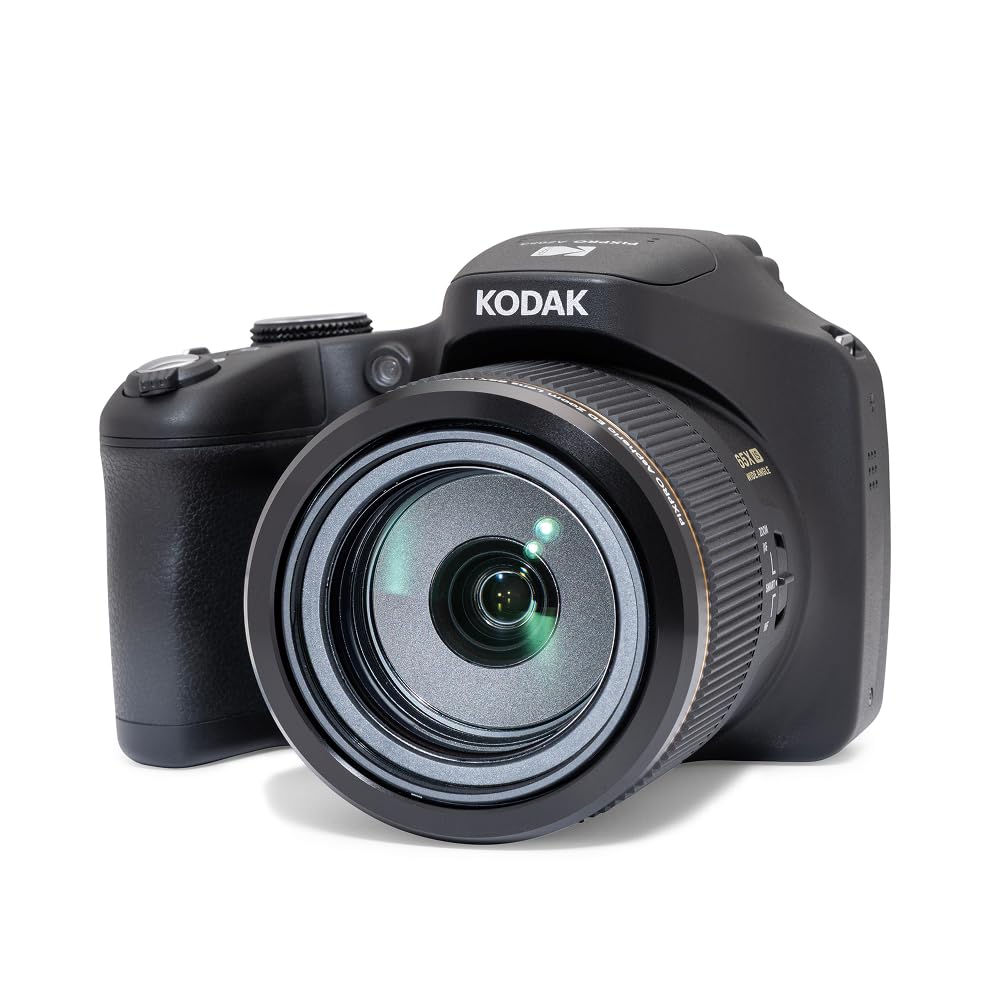

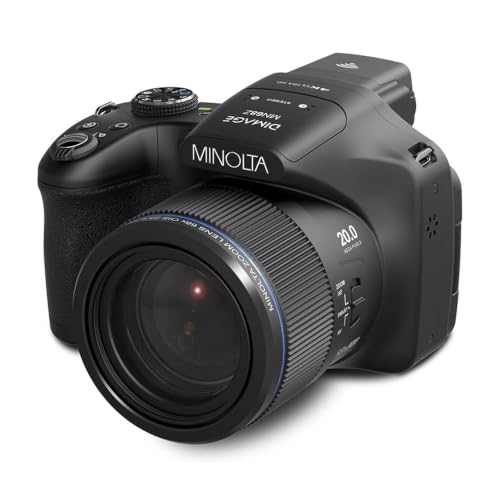


Bridge Cameras 101: The Basics
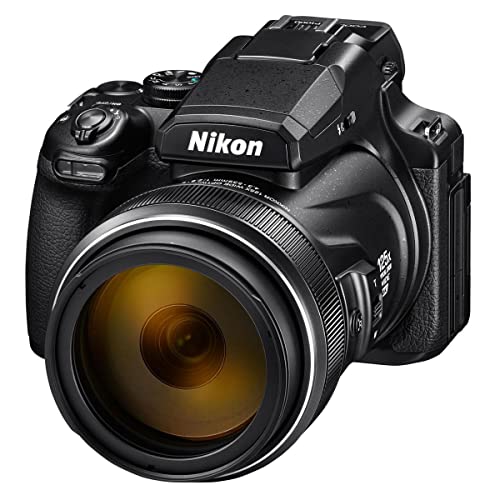
A bridge camera is a fixed lens camera: the lens is built in and never comes off, and its zoom range is the reach of the whole camera. Entry models start wide for scenery and zoom to the equivalent of about 600 mm, while long reach models extend to about 1200 to 2000 mm equivalents, far beyond what a phone or a basic compact can frame.
The name comes from the way the class bridges two worlds. You get a deep grip, an electronic viewfinder and manual controls like a larger camera, with the simplicity of a single lens. The wider field of best cameras for wildlife photography also includes interchangeable lens bodies, which cost more and weigh more but grow with you. A bridge camera trades that growth path for reach per dollar and a lighter bag.
Two neighboring guides help you place the class. Readers comparing formats often look at best dslr cameras for wildlife photography, whose larger sensors and swappable lenses cost and weigh considerably more. If the longest zooms are overkill for garden birds and zoo visits, our guide to best bridge cameras for wildlife covers the same class with a closer range focus.
Key Specs Explained in Plain English
Four specs decide most of your results, and a fifth shapes daily comfort. Read them in this order: reach first, then the sensor, then focusing, then steadiness.
Zoom Reach: The Spec That Defines the Class
Zoom badges can mislead, so compare the millimeter equivalents instead of the big times figure on the box when choosing the best bridge cameras for wildlife photography. For birds and wary mammals, an equivalent reach of about 600 mm is a practical starting point, and about 1200 mm or more helps with small birds across a field or a pond. Digital zoom only crops the picture and throws away detail, so ignore it when you compare models. The wide end still matters for habitat scenes, and guides to best cameras for landscape and wildlife photography show how wide angle needs pull the choice the other way.
Sensor Size and Image Quality
Most bridge cameras use a small sensor class, and a premium step up class uses a larger 1 inch sensor. The sensor size governs two things you will feel in wildlife work: how much light the camera gathers at dawn and dusk, and how much room you have to crop a shot and still keep feather detail. Small sensors are fine in bright light and keep the lens compact, but their images soften sooner as light falls. Megapixels matter less than sensor size, because twenty megapixels on a tiny sensor still gather little light per pixel.
Autofocus and Burst Speed
Wildlife moves, so focusing speed earns its keep. Look for autofocus that tracks a subject across the frame and an eye detection mode tuned for animals or birds, which holds focus on the head where viewers look first. Burst rates of about 5 to 10 frames per second raise your chances during a wing stretch or a sudden takeoff. Pre focusing on a perch or a trail crossing, so the camera hunts less, is a habit worth building from day one.
Stabilization at Long Zoom
At 600 mm and beyond, tiny hand movements become big frame movements, so stabilization governs how many long zoom shots stay sharp. Optical stabilization rated at about 3 to 5 stops lets you hand hold slower shutter speeds than the old one over focal length rule suggests. It cannot freeze a moving animal, though: shutter speed still does that job. Bracing your elbows, leaning on a fence, or resting the lens barrel on a beanbag adds steadiness that no rating can match, so treat stabilization as help, not a guarantee.
Viewfinder, Grip and Weight
An electronic viewfinder matters outdoors because bright sun washes out rear screens, and holding the camera to your eye also steadies it. A deep grip helps when one hand supports the lens barrel at full zoom. Weight runs from about 1 to 3 pounds across the class: lighter bodies suit long walks to a hide, while heavier ones can feel steadier in wind. Check the battery rating too, because a day of bursts and zooming drains more than casual shooting.
Video Capabilities
Most current models record 4K video, which is plenty for behavior clips and nest watching. A microphone socket, found on some step up models, improves bird song recording far more than any internal microphone. Slow motion modes help you study wingbeats and feeding action. Treat video as a bonus rather than a reason to buy, because reach and focusing still decide your still photographs.
Rookie Mistakes to Avoid
Five mistakes catch most first time buyers in this class:
- Buying by the zoom number alone. A 60x badge says nothing until you check the millimeter equivalents at both ends.
- Expecting miracles in dim light. Small sensors soften quickly at dawn, so plan your hours and your expectations accordingly.
- Ignoring the wide end. A camera that starts too narrow makes group shots and habitat scenes hard work.
- Forgetting spare power and cards. Long zooms and bursts fill cards and drain batteries faster than vacation snapshots do.
- Skipping the viewfinder check. A dim or low resolution finder makes bright days and fine focusing frustrating.
Getting Started: Setup and First Use
Charge the battery fully and format the memory card in the camera before your first outing. Set the largest image size, turn on stabilization, and set the focus mode to continuous tracking so the camera follows a moving subject. Practice on patient subjects first: garden birds at a feeder, squirrels in a park, or zoo animals in open enclosures.
Use a lens cloth, not your shirt, to clear the front element, because grit caught in fabric can scratch coatings. Carry a spare battery in an inside pocket in cold weather, since chilled batteries show empty sooner than warm ones. End each outing by backing up the card and noting which settings worked, so the next trip starts smarter.
Frequently Asked Questions
What features matter most in bridge cameras for wildlife photography?
Reach, autofocus speed and stabilization matter most, in that order. One factor listings rarely stress is shutter lag, the tiny delay between pressing the button and the exposure: short lag matters because animals rarely hold a pose. Also check how fast the camera wakes from sleep, since a slow start loses the deer that steps out at the trail edge. Zoom and megapixel figures look bigger on the box, but these response times decide how many moments you actually catch.
Are bridge cameras good for wildlife photos in low light?
They are workable in low light, but they are not low light specialists. At dawn and dusk a small sensor needs higher sensitivity settings, and fine feather detail gives way to grain sooner than it would on a larger sensor. Shooting in raw format helps, because raw files let you soften that grain later without smearing detail. The practical answer is to work the brighter edges of the day, position yourself so the light falls on the animal, and accept silhouettes when the light is gone.
Can a smartphone replace a bridge camera for wildlife photography?
For distant wildlife, no, because a phone reaches the subject by cropping, and the detail runs out long before a 600 mm equivalent lens does. Phones do well with tame subjects at close range, such as ducks at a park pond or goats at a petting fence. They also win on convenience, since the camera in your pocket is sometimes the only one you have with you. Treat the phone as your wide angle and backup tool, and the bridge camera as the reach tool.
How much should I spend on a first bridge camera for wildlife photography?
Plan on about $250 to $450 for a small sensor model with reach near 600 mm, and about $450 to $900 for models with better stabilization and a viewfinder; the 1 inch sensor class costs well above $1,000 but gives cleaner images at dawn and dusk. Reserve about $40 to $80 of the budget for a padded case, a spare battery and two fast memory cards, since those items decide whether the camera is ready on the day. Spending more mainly buys a larger sensor and a better viewfinder, not more zoom, so set your budget by the light you shoot in.
What does the zoom number on a bridge camera actually mean?
The zoom number is the longest focal length divided by the widest, so a 60x camera starting at 24 mm reaches about 1440 mm. Two cameras can share a 60x badge and behave differently if one starts at 28 mm, because it frames wider scenes less easily while reaching the same far point. That is why the millimeter equivalents, printed in every full spec list, are the honest comparison. For wildlife, judge a camera by its long end first and its wide end second.
The Bottom Line
For most beginners the decision reduces to three checks: enough reach for your subjects, a sensor size that matches your light, and focusing that keeps up with movement. Choose the best bridge cameras for wildlife photography that balance those three inside your budget, and you will spend your time watching animals instead of fighting settings. The product table gathers the leading types in one view, and readers planning to branch out beyond wildlife can compare the wider market in our guide to best cameras for photography.