Best Bridesmaid Shoes for Outdoor Wedding by Price in 2026: What Your Money Gets You
Disclosure: We may earn a commission when you buy through links on this page, at no extra cost to you. As an Amazon Associate I earn from qualifying purchases. Learn more

Price tiers for the best bridesmaid shoes for outdoor wedding days: heel shapes, grip and comfort for grass, gravel and stone.
Prices for bridesmaid shoes run from under $30 to well over $200, and the gap is not just about looks. Outdoors, your shoes meet grass, gravel, stone, and heat, so the wrong pair sinks, slips, or rubs long before the reception. Finding the best bridesmaid shoes for outdoor wedding days means knowing which upgrades protect you outside.
This guide breaks the market into clear price tiers, then shows which features deserve money at each level. Use it beside the product table, and match every option to your actual venue surface before anything else.


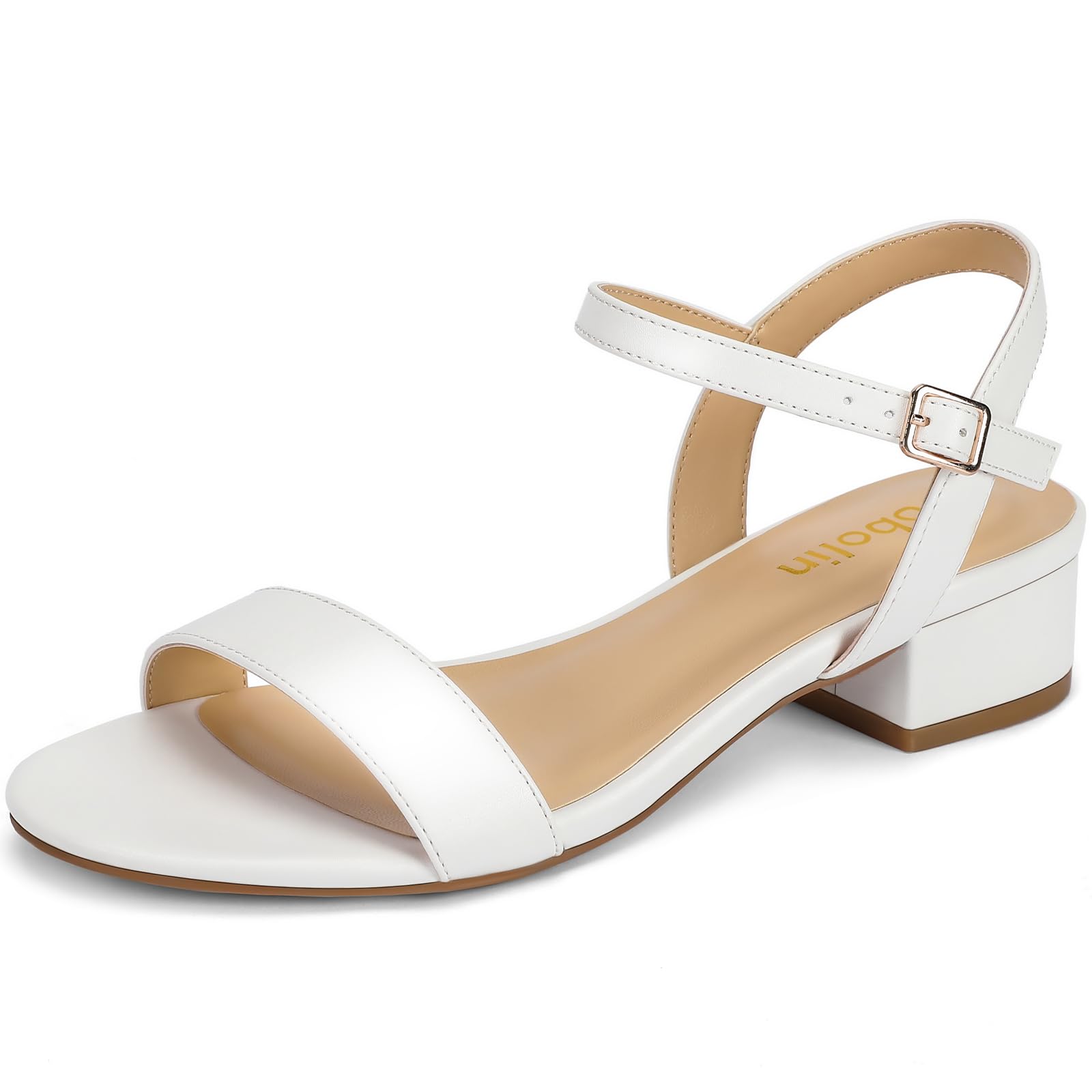
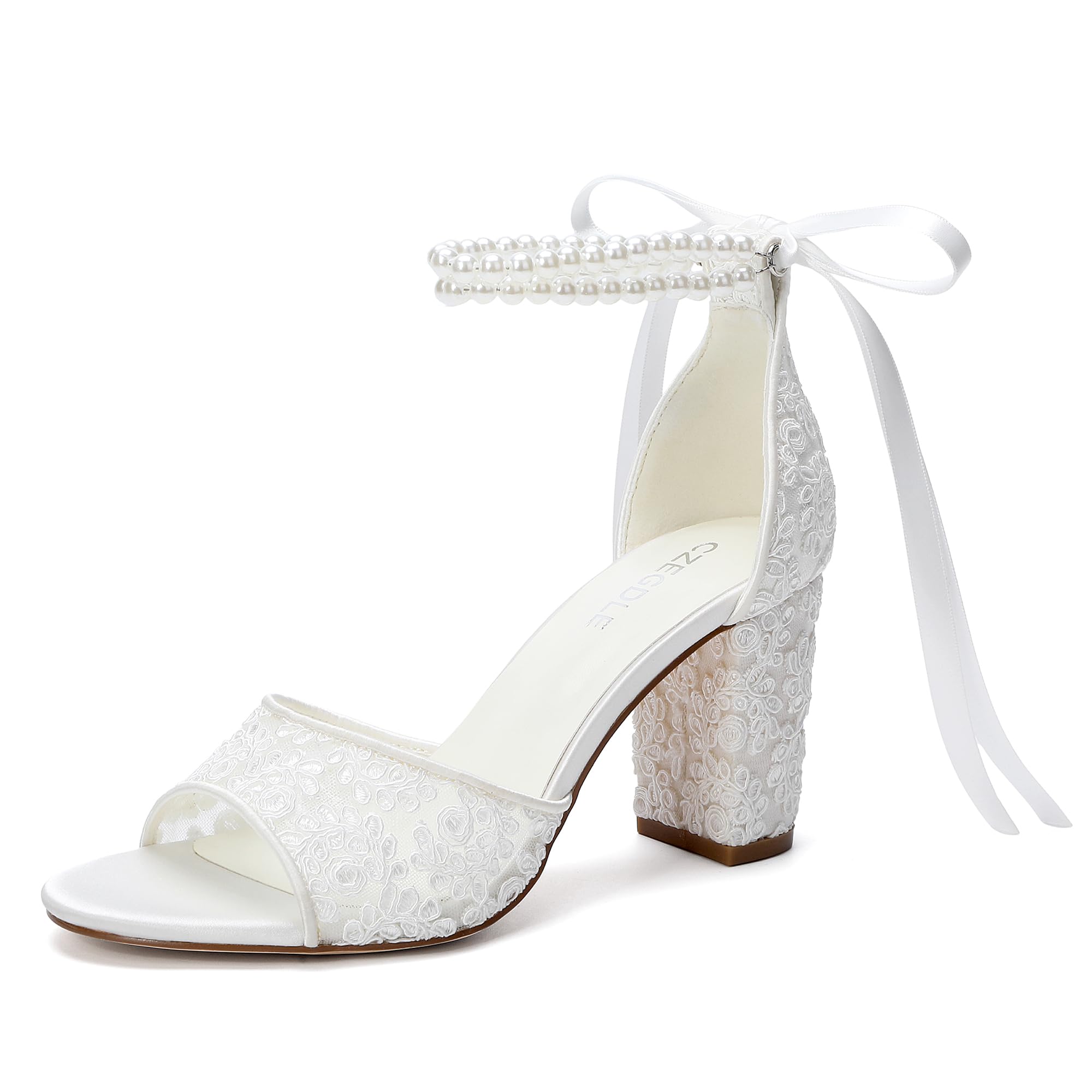
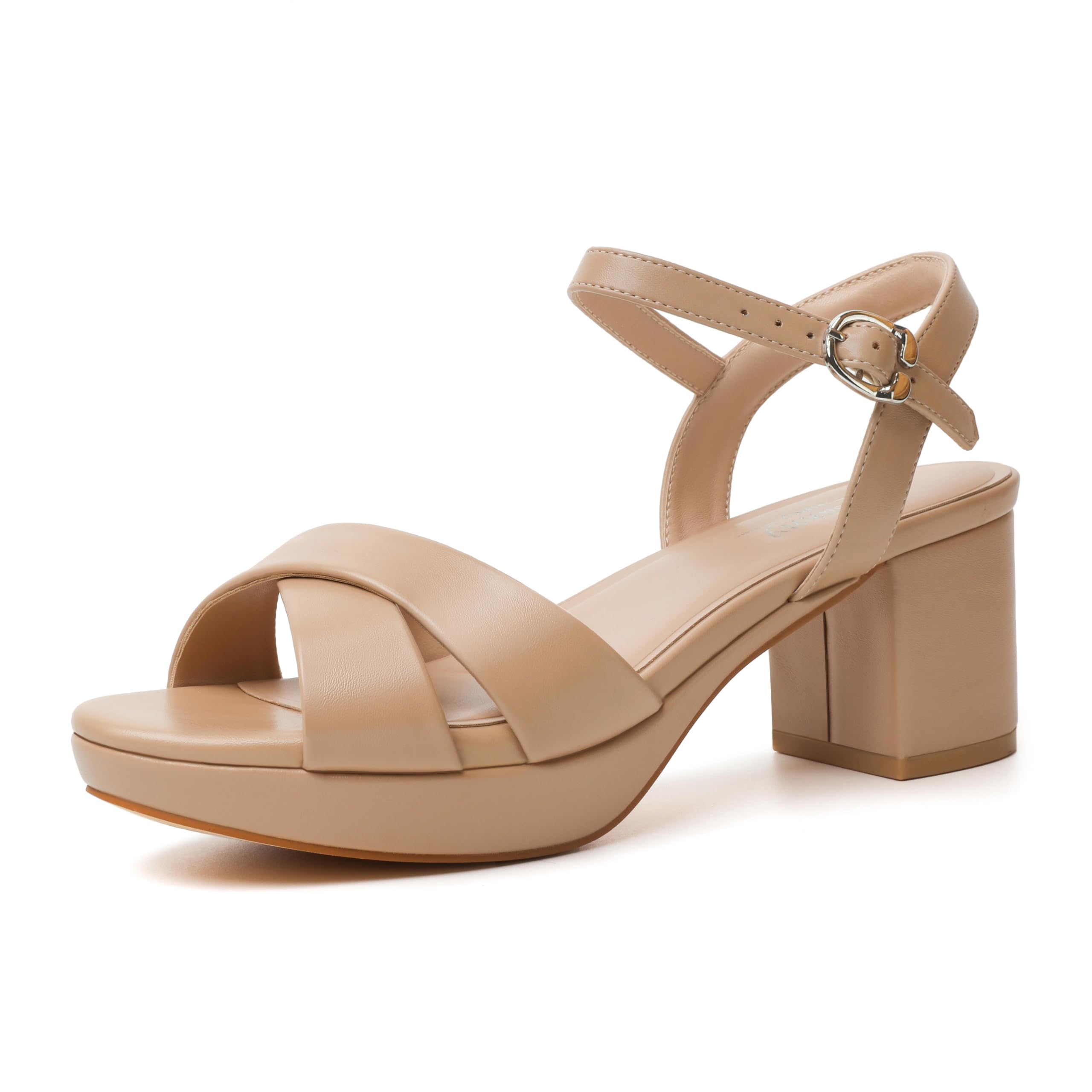

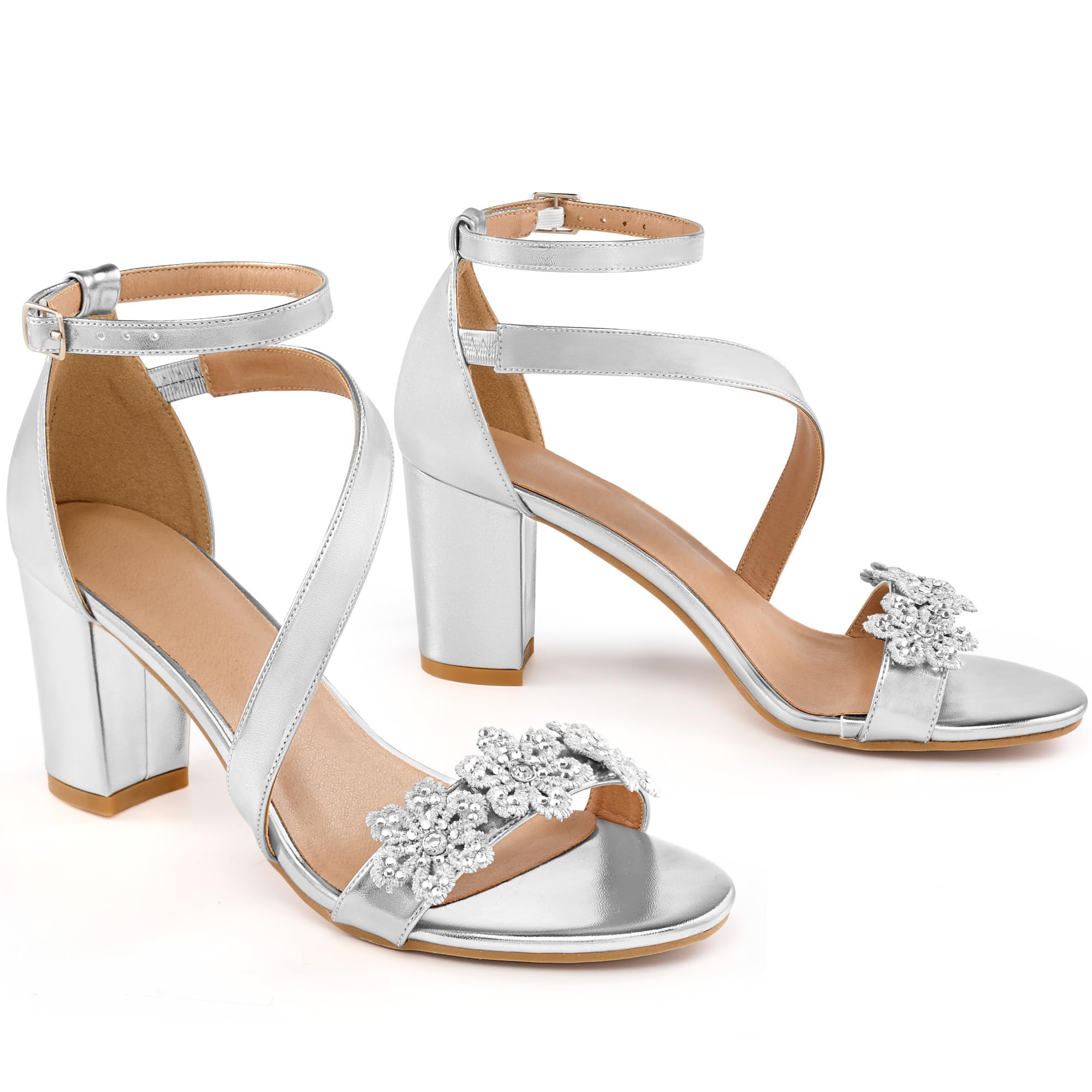
Three Budget Groups for Outdoor Wedding Bridesmaid Shoes
This section describes the shoe profile that usually wins at each budget. Check the product table for current options that match each profile, then judge them with the tier guide that follows.
Best Budget Profile
At around $30 to $50, look for a low block heel or a sturdy wedge with a synthetic upper and a rubber outsole. The block or wedge base is the whole point outdoors, because it spreads weight on grass instead of punching into it like a slim heel. Padding will be basic, so plan on adding slim gel insoles. This profile suits attendants who will change into flats for dancing and venues with short grass walks. Accept simpler finishing and less arch support at this price, but never accept a smooth sole. Grip is a safety feature, not a luxury. The best bridesmaid shoes for outdoor wedding venues live or die by this one point.
Best Midrange Profile
Around $60 to $110, expect softer uppers, often leather or quality fabric, a padded footbed, and an ankle strap that truly adjusts. This is the profile most bridesmaids should aim for. It handles a full outdoor day, from lawn ceremony to patio reception, without a shoe change. Heel shapes widen too, with elegant block heels and dressy wedges that still read formal in photos. The limit at this tier is usually color range in some styles and moderate rather than excellent arch support. For most groups, though, this balance of comfort, looks, and price is the practical winner.
Best Premium Profile
Above around $120, money should buy premium leather, a shaped and cushioned footbed, refined strap finishing with no rough edges, and a sole built for grip as well as looks. Premium pairs also tend to offer wider width options, which matters when a whole party must match. These shoes earn their price when attendants will rewear them to future formal events. Be honest about value, though. A premium slim stiletto still sinks into lawn, so shape beats price outdoors. Our guide to the best shoes for outdoor wedding events explains heel shapes for lawn venues in more detail.
What Your Money Gets You at Each Price Tier
Budget Tier: What to Expect
Budget shoes rely on synthetic uppers, thinner padding, and simpler construction. They can look lovely in photos and survive the day, especially with insoles added, but edges may rub and finishes scuff easily. Quality varies a lot between listings at this level, so order early, inspect straps and soles on arrival, and keep the return window in mind. Budget pairs make the most sense for very large parties, short ceremonies, or attendants who rarely wear heels and prefer to spend less on a single day style.
Midrange Tier: The Sweet Spot for Most Buyers
Midrange is where construction improves in ways your feet can feel. Uppers soften and shape to the foot, footbeds gain real padding under the ball of the foot, and ankle straps sit where they should instead of cutting into bone. Outsoles at this tier usually carry proper texture for stone and tile. For a mixed indoor and outdoor venue, this tier removes most compromises. It is also where dyeable and wide width options become more common, which helps parties matching one style across very different feet.
Premium Tier: When Spending More Pays Off
Premium spending pays off in edge finishing, footbed shaping, and materials that still look fresh at the tenth hour. Leather that breathes, straps lined so they never saw at the skin, and balanced heels that feel steadier than their height suggests. It also pays off after the wedding, since these pairs transition to guest wear for years. The same logic guides the bride herself, and our notes on the best bridal shoes for outdoor wedding days show where premium construction matters most on lawns and gravel.
Features Worth Paying For (and Ones to Skip)
Fit, Sizing, and Toe Box
Feet swell in heat and after hours of standing, so try shoes on in the evening and walk on a hard floor, not only carpet. Toes need room to lie flat without spilling past the sole edge, and straps should hold the midfoot without squeezing the toe joint. If the party wears one shared style, confirm that half sizes and wide widths exist before committing. A practical trick is to order two sizes for the attendant with the hardest to fit feet first, confirm the style works, then place the group order with confidence.
Upper Materials and Breathability
Outdoor heat makes breathability a comfort feature, not a detail. Leather and woven fabric uppers let some air move and tend to soften at rub points, while stiff synthetic straps can stay harsh all day. Satin looks classic but shows grass stains and water marks quickly, so it suits dry patios better than lawns. Open designs dry faster after a surprise shower and feel cooler in summer. Whatever the material, check inner strap edges with a fingertip. Roughness you can feel with a hand will feel much worse against skin at hour five.
Break In Period and Comfort Out of the Box
No outdoor wedding shoe should debut on the wedding day. Plan three home sessions across two weeks, including a walk on the closest surface to your venue that you can find, such as a lawn or a stone path. Good shoes feel secure right away and merely soften with wear. Pain that starts sharp, at a strap edge or the big toe joint, rarely improves and usually signals a size or shape problem. Solve it with padding, a size swap, or a different heel shape while exchanges are still easy and stress free.
Durability and Expected Lifespan
Outdoor wear is hard on dress shoes. Gravel scuffs heels, grass stains light colors, and damp ground tests glue joints. Check that straps anchor firmly, heel tips sit tight, and the outsole bonds cleanly with no gaps at the edges. A pair built well enough for one wedding often serves for seasons of parties afterward, while a fragile pair may not survive the walk to the reception. After the event, brush off grit, let shoes dry away from direct heat, and store them stuffed softly so straps keep their shape.
Features That Matter for Outdoor Wedding Days
Three features decide outdoor success. First, heel base width. Choose block heels, wedges, or flared heels over slim stilettos on any soft ground. Second, sole grip. Rubber with texture beats smooth leather on wet stone every time. Third, a secure ankle or midfoot strap, because outdoor ground is uneven and a loose shoe turns an ankle far more easily than a held one. Heel height around one to three inches suits most attendants for a full day. Our broader guide to the best wedding shoes can help attendants who also need an indoor backup style.
Long Term Costs to Factor In
The sticker price is only part of the real cost. Add slim insoles or gel pads at around $10 to $20, heel protectors for grass at a few dollars per pair, and possibly a dye or cleaning service after the event. A midrange pair that needs no fixes can cost less overall than a budget pair plus rescue accessories and a last minute replacement. Consider cost per wear too. Shoes in a neutral tone that attendants can rewear to other events spread their price across many days, while a very specific color worn once carries its full cost in a single afternoon.
Frequently Asked Questions
What features matter most in bridesmaid shoes for an outdoor wedding?
Heel base width, sole grip, and a secure strap matter most, in that order. A wide base stops sinking on grass, a textured rubber sole prevents slips on stone, and a strap keeps the foot stable on uneven ground. Padding comes next, because outdoor days involve more standing on hard patio surfaces than most people expect.
How should bridesmaid shoes fit?
They should hold the midfoot and heel securely while toes lie flat with a small amount of room ahead of the longest toe. Try them in the evening, walk on hard floors, and test a gentle slope if you can. Any heel slipping or toe pinching in the shop will grow worse across a full wedding day outdoors.
How often should I replace my bridesmaid shoes?
Replace them when heel tips wear unevenly, the footbed stays flattened, or straps stretch so the foot slides forward. Dress shoes worn a few times a year can last for years with basic care, but inspect before every event. A worn smooth sole is the clearest sign to retire a pair you plan to wear on wet stone or grass.
How long is the break in period for outdoor wedding shoes?
Allow about two weeks and at least three wear sessions at home. Begin on carpet, move to hard floors, and finish with a short walk on grass or gravel in dry weather. Leather uppers usually soften by the second or third session. If a hot spot appears in the same place every time, address it early with padding or a size change.
Do I need waterproof shoes for an outdoor wedding?
No, true waterproof dress shoes are rare and usually too casual in style. You need water awareness instead. Pick uppers that tolerate a brief shower, avoid satin on wet lawns, and choose rubber soles for grip on damp stone. Keep a towel in the getting ready kit to dry soles before indoor floors, which is where most slips actually happen.
Can I wear bridesmaid shoes all day at an outdoor wedding?
Yes, with the right heel shape and a real break in period, most attendants manage the full day well. A block heel under three inches, a padded footbed, and a secure strap make the biggest difference. Pack simple flats for late dancing if you like, but treat them as a bonus rather than a rescue plan for shoes that hurt by noon.
Are expensive bridesmaid shoes worth it?
They are worth it when the higher price buys softer leather, a shaped footbed, and clean strap finishing, and when the attendant will rewear them. Price cannot fix a poor outdoor shape, though. A midrange block heel will outperform a costly stiletto on grass every time, so judge the design for your venue first and the price tag second.
Final Thoughts
Outdoors, shape and grip beat price and sparkle. Pick a heel base your venue surface can support, spend midrange money if you can, and break the shoes in on real ground before the day. Compare your shortlist against the product table, and the best bridesmaid shoes for outdoor wedding plans will be the pair your whole party can stand, walk, and dance in without thinking about their feet.