Best Bridal Shoes for Outdoor Wedding Buying Guide 2026
Disclosure: We may earn a commission when you buy through links on this page, at no extra cost to you. As an Amazon Associate I earn from qualifying purchases. Learn more

Learn how to choose best bridal shoes for outdoor wedding with confidence. Compare types, features, and value, check fit and compatibility, and avoid common.
Grass, gravel, sand, and uneven stone paths do not forgive a thin stiletto. The best bridal shoes for outdoor wedding days combine a stable heel, a grippy sole, and enough cushioning to last through photos, greetings, and dancing. Use the comparison table below to shortlist options, then read on to match a style to your venue.
Start with the ground you will actually walk on. A lawn ceremony, a beach, a vineyard path, and a wooden deck each call for a slightly different shoe, and the same pair rarely suits all four.



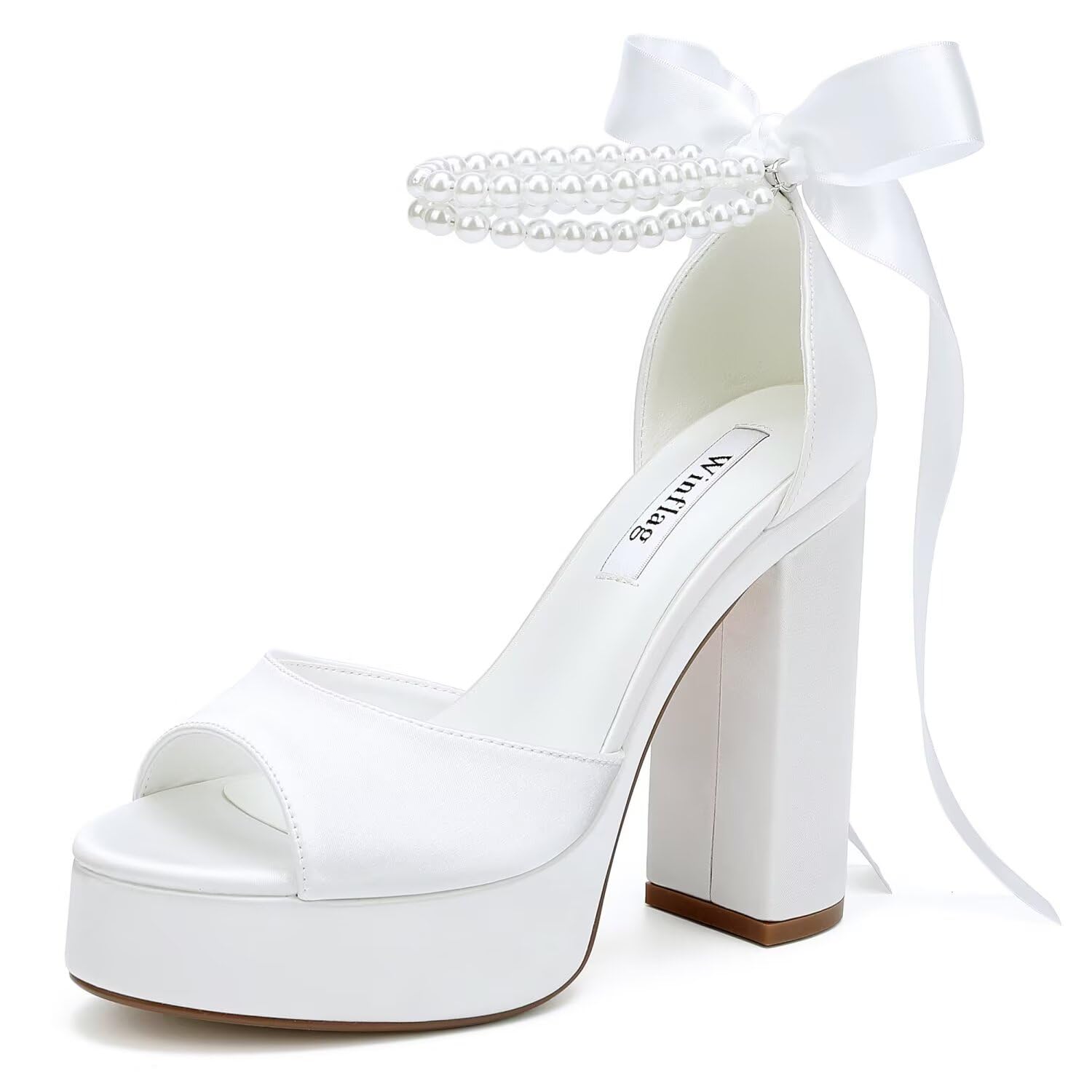

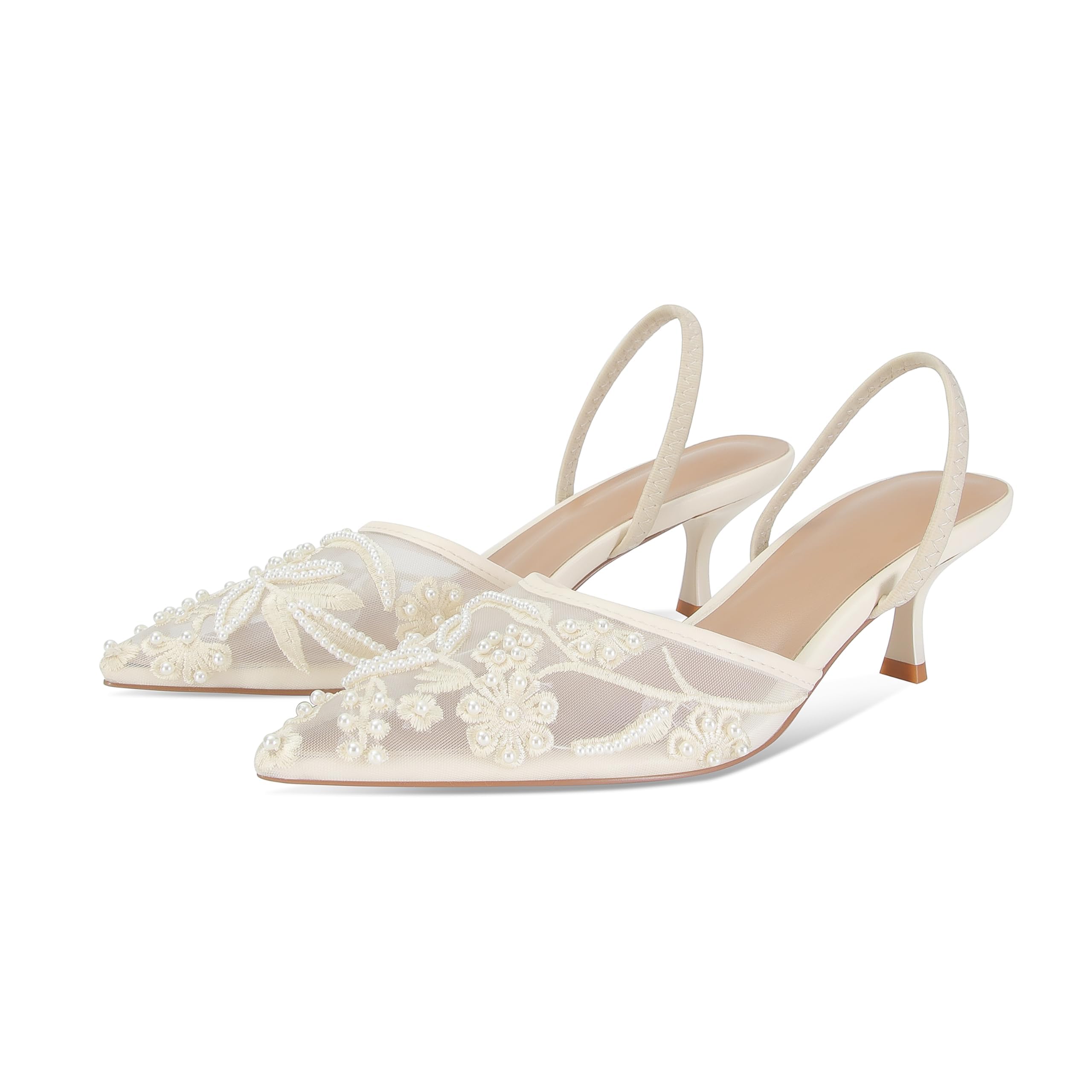
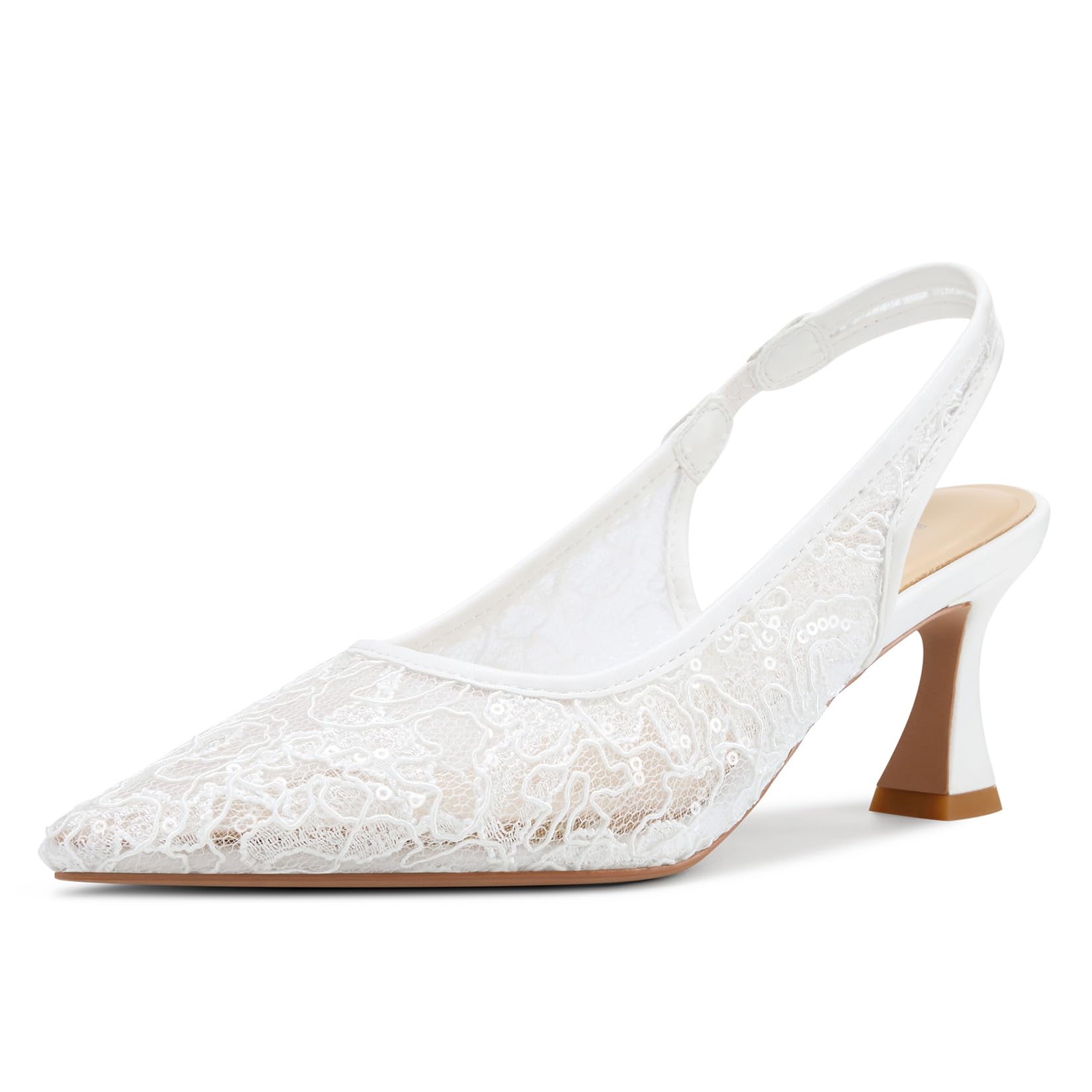
Match the Shoe to Your Venue
Grass and Garden Ceremonies
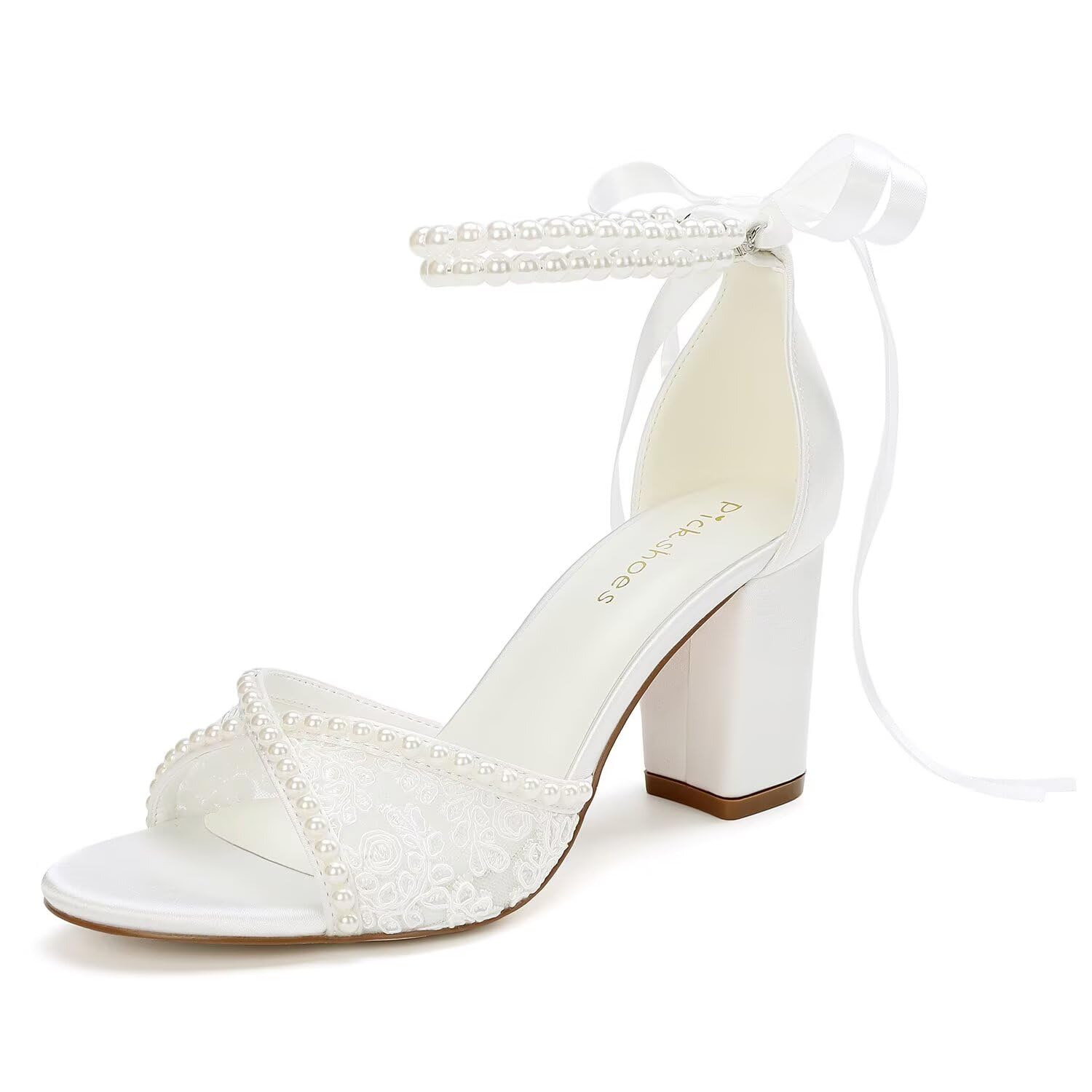
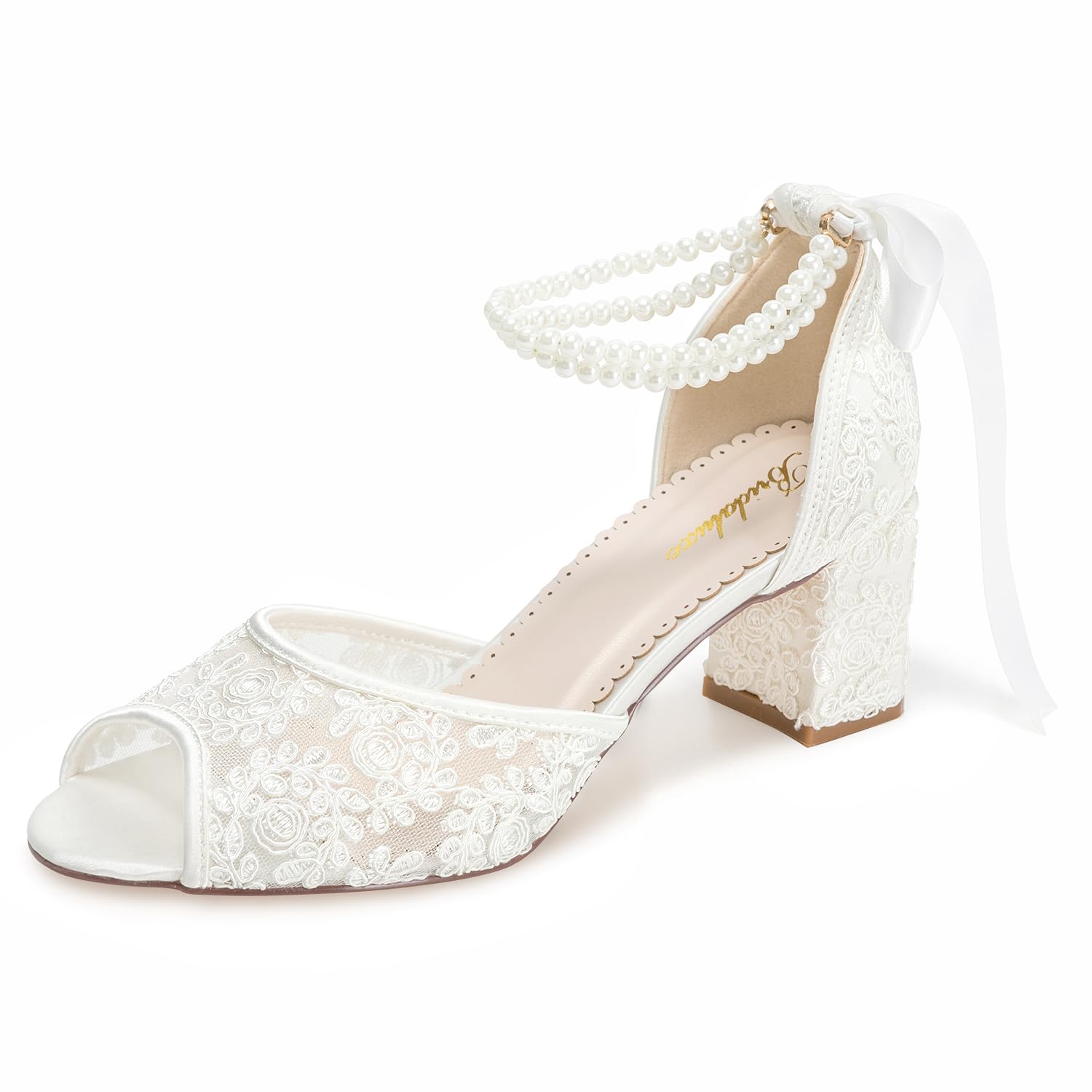
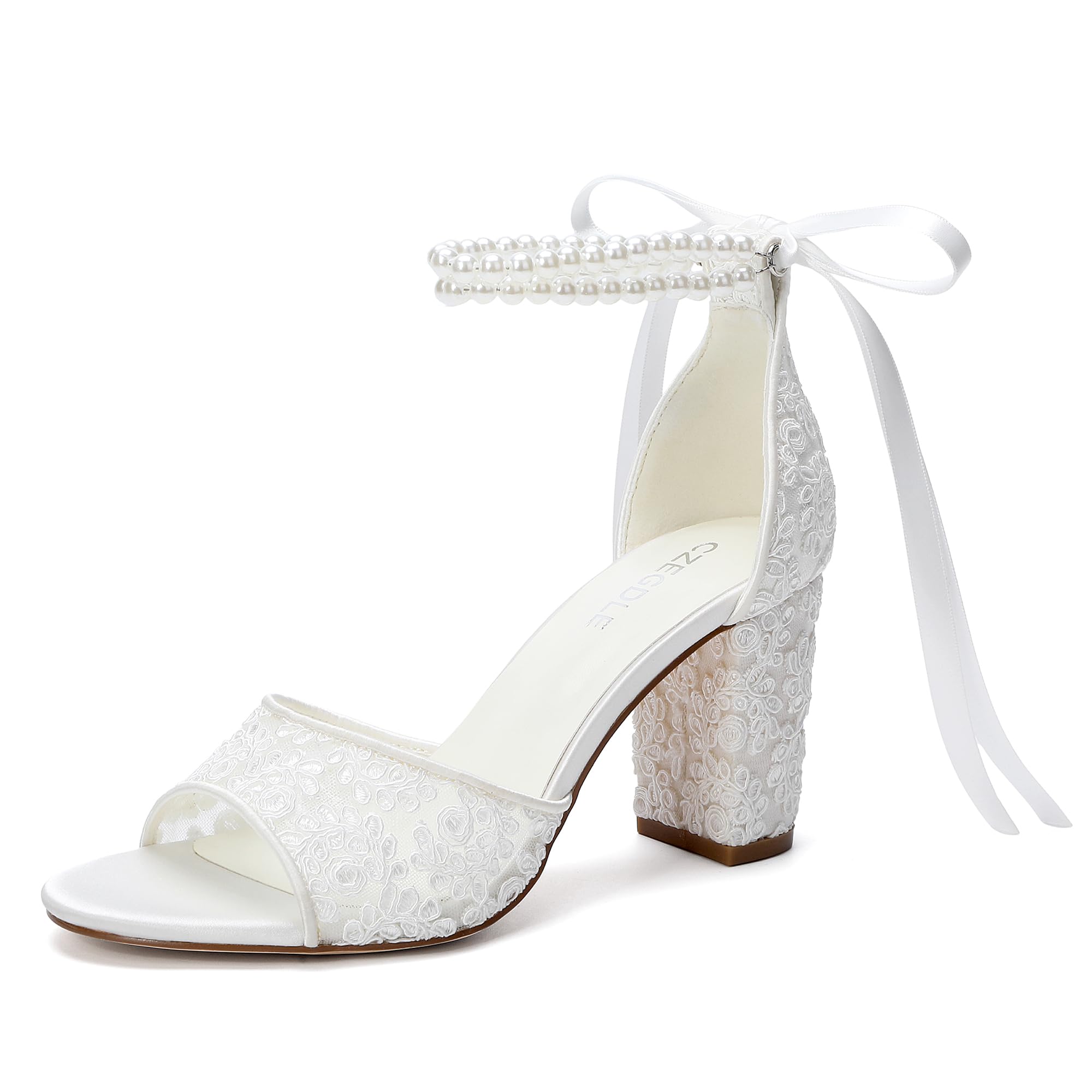
Narrow heels sink into soft ground and make every step wobbly. A block heel, wedge, or platform spreads your weight and keeps you steady. If you love the look of a slim heel, consider heel stoppers or covers made for lawns, and practice walking in them first.
Beach and Sand Weddings
Barefoot sandals, flat sandals, and lightweight wedges work best on sand. Closed shoes fill with sand and trap heat, so open styles with adjustable straps are usually more comfortable. Avoid heavy leather soles that sink and drag.
Barns, Vineyards, and Gravel Paths
Rustic venues often mix gravel, dirt, and wood floors. A low block heel or wedge with a textured rubber outsole gives the best grip and ankle stability across all three surfaces.
Decks and Boards
Gaps between boards catch narrow heels. A wedge, platform, or flat sandal is safest, and a wide heel base keeps you from slipping through.
Key Features to Compare
Heel Type and Height
A lower, wider heel is easier on uneven ground than a tall, narrow one. Heels around 1 to 3 inches with a wide base are a good balance for most brides. Wedges and platforms give height without the sinking problem.
Outsole Grip
Look for rubber or textured soles. Smooth leather soles can be slick on dew covered grass or polished floors at the reception. Thin stick on sole pads can add grip if you fall in love with a smooth pair.
Cushioning and Arch Support
Padding under the heel and ball of the foot matters when you stand for hours. A footbed that follows the arch spreads your weight and delays fatigue. If you already wear insoles daily, check that the shoe has room for them.
Materials and Weather
Satin and silk look beautiful but stain from damp grass and water spots. Leather, faux leather, and lace over a sturdy base cope better with outdoor conditions. If rain is possible, plan a backup pair and keep the main pair dry until you reach cover.
Straps and Fit
An ankle strap or secure heel strap keeps your foot from sliding forward on uneven ground. Try shoes in the evening, when feet are at their largest, and leave room for the swelling that comes from hours of standing in warm weather.
Style and Dress Pairing
The shoe should suit the dress as well as the ground. A long gown with a train hides almost any shoe, so comfort can lead the decision, while a tea length or short dress shows the shoe in every photo and deserves a little more attention to color and shape. Ivory, champagne, and blush tones are common choices for bridal shoes, and a pair slightly warmer than the dress often photographs better than a stark white that clashes with the fabric.
Think about the mood of the day too. Lace and pearl details suit a garden wedding, woven or cork wedges feel natural for a beach, and a simple leather sandal fits a rustic barn. Keep decoration modest if the shoes will see grass and dirt, because delicate beading catches and snags on rough ground.
Fit and Break In
Wear the shoes around your home for short sessions in the weeks before the wedding, first on carpet, then on a hard floor, and if possible on grass. Wear the same hosiery or go barefoot as you will on the day. Watch for rubbing at the heel and big toe joint, and add blister pads or strap cushions where needed. A shoe that hurts after thirty minutes will hurt more after six hours.
Heel Protectors and Small Extras
Clear heel protectors slip over narrow heels and stop them sinking into lawns, and they cost very little. Stick on sole grips add traction under smooth leather, and moleskin or gel strap cushions prevent rubbing before it starts. Fit all of these at least a week early and walk in them, so nothing feels strange on the day.
A Backup Plan for the Day
Pack a second pair of flat sandals or soft flats for the reception and late dancing. Many brides switch after the ceremony and photos, which keeps feet comfortable without changing the look of the dress, especially under a long hem. Add a small kit with blister pads, a spare strap, and clear cushions for the heels.
Timeline for Buying
Order shoes at least two months before the wedding so there is time to exchange sizes and break them in. Bring them to your dress fittings so the hem is set at the right height, and practice walking and turning in them with the dress on.
Care After the Wedding
Wipe the soles clean and let the shoes dry away from direct heat. Stuff the toes softly to hold the shape, and store them in a cloth bag away from damp air. Satin pairs can be spot cleaned gently, while leather benefits from a soft cloth and a suitable conditioner.
Budget Guide
Bridal shoes for outdoor settings commonly cost about $60 to $250. Spending more tends to buy better padding, cleaner strap finishing, and sturdier construction, but fit matters more than price. Choose the pair that stays stable on your venue surface and feels comfortable at hour six.
Related Guides
For more ideas, see our guides to the best shoes for outdoor wedding, the best bridesmaid shoes for outdoor wedding, and the best wedding shoes.
Frequently Asked Questions
What heel is best for an outdoor wedding?
A block heel, wedge, or platform with a wide base is best for grass, gravel, and decks. Narrow stilettos sink into soft ground and can catch in gaps.
Should bridal shoes be waterproof?
Most dress shoes are not waterproof, and that is fine for most days. A rubber outsole for grip and a backup pair for wet ground protect both your safety and the look of your main pair.
Are flat sandals acceptable for a bridal outfit?
Yes. Flat and low heel sandals are popular for beach and garden weddings, and a long gown hides them well. Choose cushioned footbeds rather than paper thin soles.
How long should I break in bridal shoes?
Plan on three to five short sessions across one to two weeks. Start on carpet, move to hard floors, and wear the same hosiery you will have on the day.
Can I wear bridal shoes all day?
Yes, if the heel height is one you already tolerate, the footbed is padded, and you have broken them in. Keep a flat backup pair for late dancing.
Final Thoughts
Match the heel to the ground, check grip and cushioning, and practice in the shoes before the day. Compare your finalists in the product table above, and the best bridal shoes for outdoor wedding celebrations will keep you steady from the aisle to the last dance.