Best Bridesmaid Shoes: A Long Wedding Day Guide for 2026
Disclosure: We may earn a commission when you buy through links on this page, at no extra cost to you. As an Amazon Associate I earn from qualifying purchases. Learn more

How to choose bridesmaid shoes for a long wedding day: heel height, venue surfaces, comfort, color matching and break in tips.
Bridesmaid shoes must do two jobs at once: look right in photos and feel tolerable through a ceremony, photos, dinner, and dancing. The best bridesmaid shoes balance heel height, venue surface, and comfort, because a beautiful pair that hurts by midday will distract you from the celebration itself. The product table gives a quick side by side view, and this guide explains how to choose for a full wedding day, not just for the first hour.
Wedding days are long, surfaces vary, and bridesmaids often stand for extended periods. Planning for those realities, rather than choosing on appearance alone, is the difference between shoes you forget and shoes you count down the hours in. A little preparation before the day pays off enormously.




Start With the Venue Surface
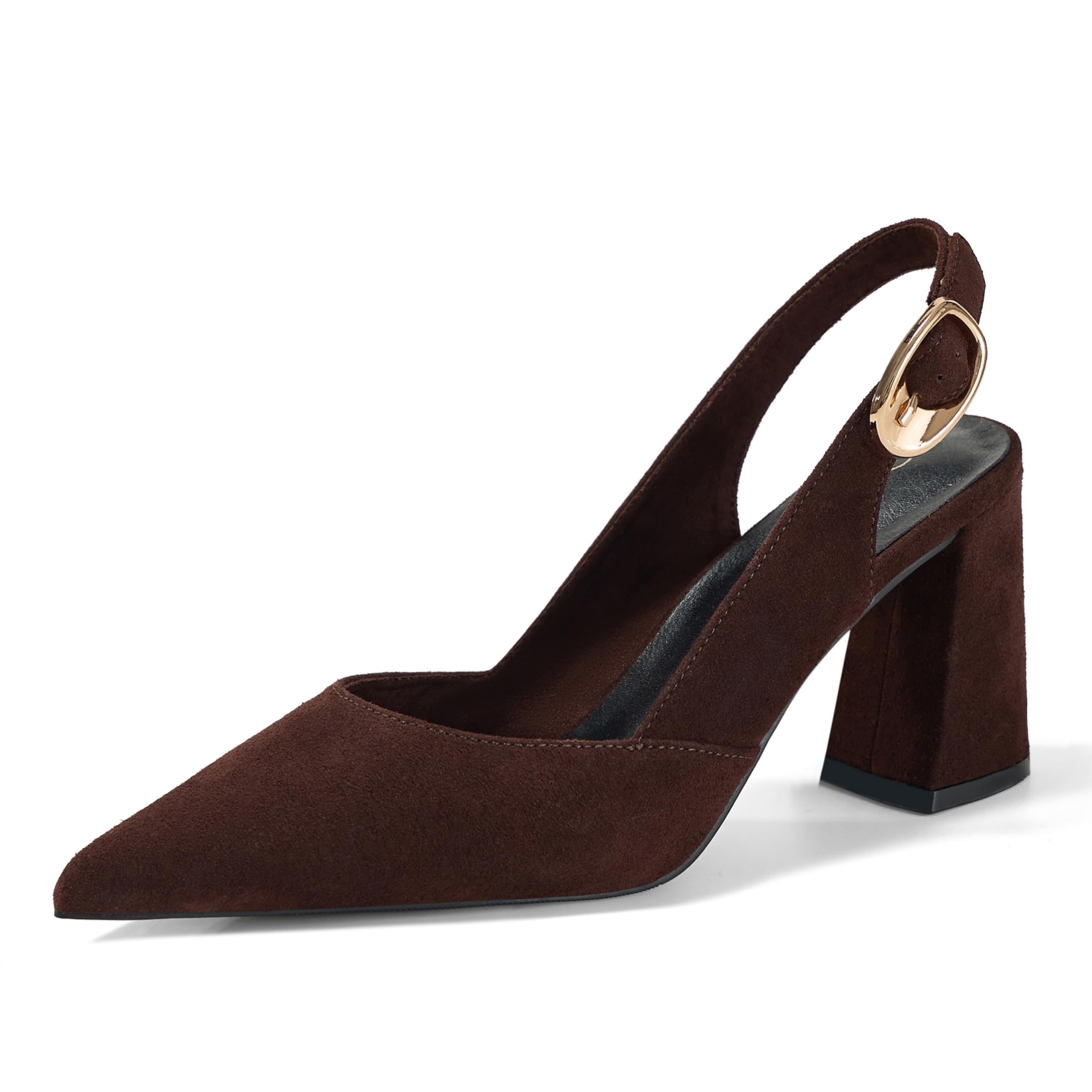
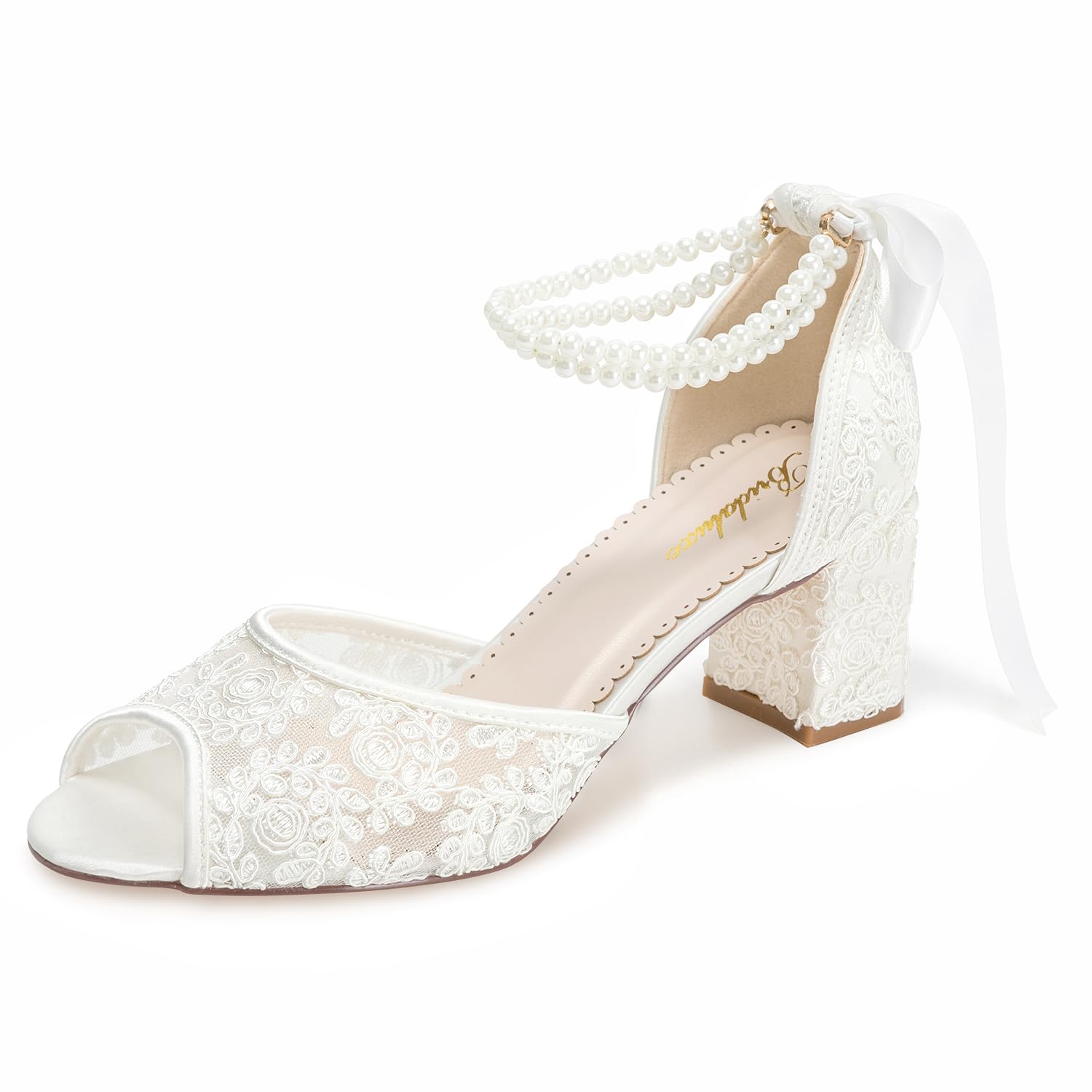
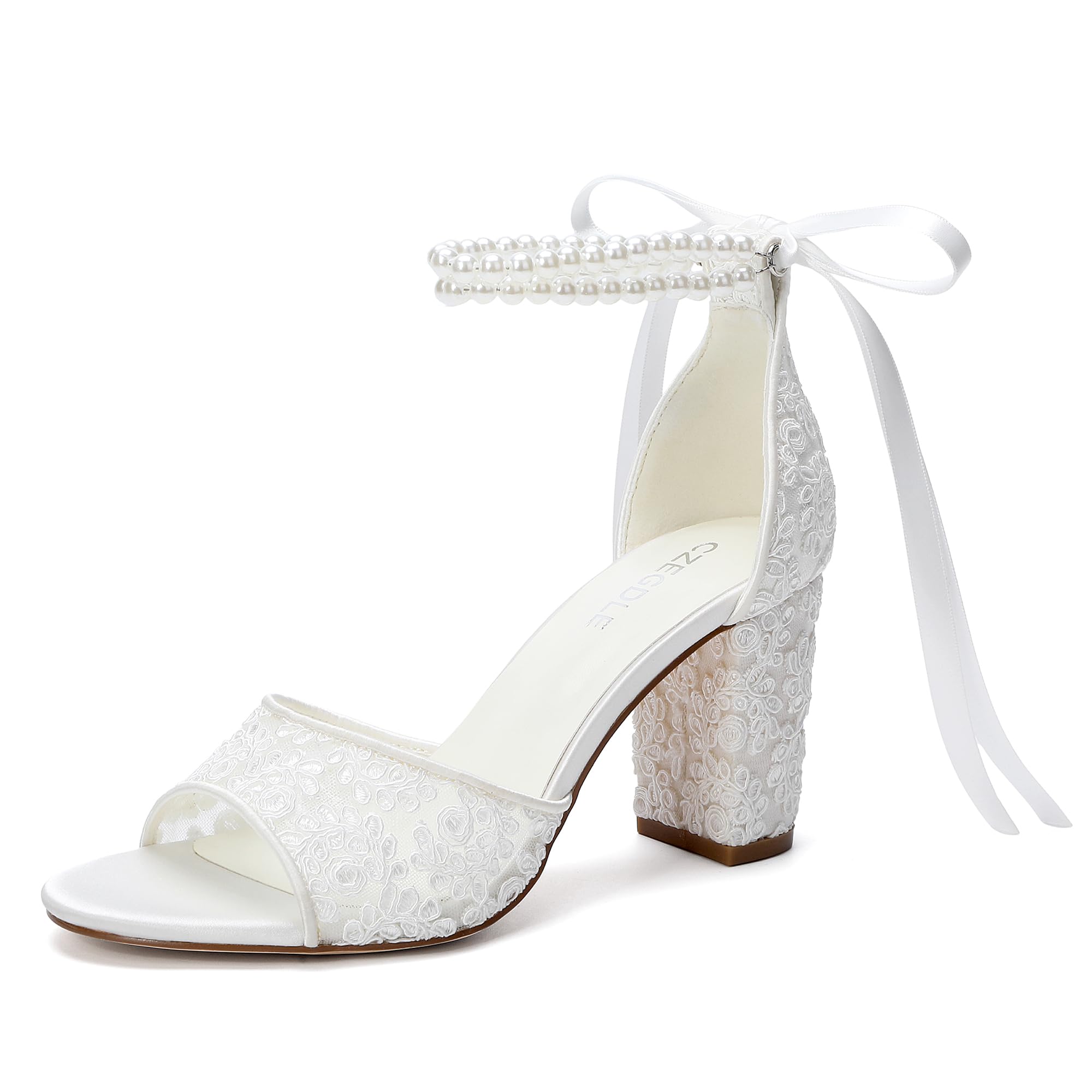
Venue surface should drive heel choice more than any other factor. Grass, gravel, sand, and uneven stone all punish narrow stilettos, which sink, catch, and tire feet quickly. Block heels, wedges, and wider heel bases distribute weight better and stay stable on soft or uneven ground. For indoor venues with smooth floors, a narrower heel becomes practical, provided the sole grips rather than slips.
Ask the couple or venue about surfaces for the ceremony, photo locations, and reception, since each stage may differ. A garden ceremony followed by an indoor reception may need a heel protector or a second pair for dancing. Planning for the trickiest surface, not the easiest, keeps you comfortable through every part of the day. Outdoor wedding options are compared in our guide to best bridesmaid shoes for outdoor wedding.
Heel Height and All Day Comfort
Heel height is a trade off between look and endurance, so the best bridesmaid shoes for a long day pick moderate height. A moderate heel of about two inches usually feels sustainable for many hours, while a very high heel demands strong calves, good balance, and regular breaks. If you rarely wear heels, choose a lower, wider heel even if the dress code allows higher, since comfort will show in your posture and energy far more than heel height will.
Break in matters as much as height. Wear the shoes at home for several short sessions, on surfaces similar to the venue, and with the hosiery or socks you plan to wear. Note pressure points early, and use padding, gel insoles, or heel grips where needed. A pair that feels fine for twenty minutes in a shop may still hurt after four hours, so longer home trials give a truer picture.
Color, Dress, and Photo Coordination
Color matching should consider the dress, the lighting, and the photos. A shoe color that matches the dress exactly can look elegant, while a neutral metallic or nude tone often photographs well across different dresses and skin tones. If the bridal party wears different dress colors, a shared neutral shoe color can unify the group without forcing an exact match.
Also consider hem length and shoe visibility. A long dress may hide most of the shoe, making comfort the priority, while a shorter dress puts shoes on display and raises the importance of style. Discuss the plan with the bride early, since a shared decision prevents last minute shopping stress. The focus should stay on the couple, and a calm, agreed shoe choice helps everyone relax.
Backup Plans for Dancing and Late Hours
A backup pair transforms the late hours of a wedding. A comfortable flat or low block heel kept in a small bag lets you dance freely once formal photos end, without abandoning the main pair entirely. Many bridesmaids change after dinner, and that change often marks the moment the party truly starts.
Pack blister plasters, a small shoe bag, and any padding you used during break in, so the backup plan is ready rather than improvised. If the venue involves a long walk between ceremony and reception, consider comfortable shoes for transit and the main pair for key moments. Those practical touches keep the day enjoyable rather than endurance focused.
Fit, Sizing, and Trying Before the Day
Fit for a wedding day deserves more attention than a normal purchase, since feet swell over hours of standing and heat. Try shoes later in the day, when feet are slightly larger, and walk, stand, and climb stairs in them. Check heel slip, toe pinching, and arch support, since each problem grows worse over a long day rather than better.
If ordering online, allow time for exchanges and a full break in period, ideally several weeks before the wedding. Avoid a brand new pair on the wedding morning, no matter how beautiful, since untested shoes are the most common cause of wedding day foot pain. A calm fitting schedule protects both comfort and confidence.
A Final Check Before the Day
Before the wedding, confirm the venue surfaces, break the shoes in over several sessions, and pack your backup pair and blister care. Walk the planned route in your mind: ceremony standing, photo locations, dinner seating, and dancing, and check that your shoes suit each stage.
On the day, pace standing time where possible, sit during breaks, and change into backups when formal duties end. Those habits, plus a well chosen pair, let you focus on celebrating rather than enduring. The product table shows current shoe shapes, and your venue plus comfort priorities will narrow them to the right pair.
Shoes for Different Dress Lengths
Dress length changes shoe priorities in ways worth planning. Floor length dresses hide most of the shoe, so comfort, stability, and a secure fit matter more than intricate design, and a slightly lower heel often goes unnoticed in photos. Focus on a shoe you can stand in for hours, with a sole that grips the venue floor, since the dress does most of the visual work.
Midi and knee length dresses put shoes on display, so style, color, and proportion matter more. A shoe that complements the dress silhouette, whether a classic court shoe, a block heel, or an elegant sandal, completes the outfit visibly. Try the full outfit together before the day, including hosiery, since a shoe that looks perfect alone may clash with the dress hem or leg line.
Jumpsuits and shorter styles sit between those cases: shoes remain visible but the overall look is more modern and relaxed. A polished flat, a low block heel, or a stylish sandal often suits jumpsuits better than a very high heel, which can look overly formal against relaxed tailoring. Whatever the length, walk, stand, and sit in the full outfit during trials, since comfort and appearance must work together.
Trying the full outfit together before the day, including dress, hosiery, and shoes, reveals problems that trying shoes alone can hide. Walk up and down stairs, sit and stand several times, and practice the first dance steps if you can. Those rehearsals build confidence in the shoes and let you adjust padding or straps while there is still time to fix them.
Frequently Asked Questions
What heel height is best for a long wedding day?
A moderate, wider heel usually sustains comfort best over many hours, while very high narrow heels tire feet quickly. If you rarely wear heels, choose lower and wider even when higher heels are allowed. Break in and venue surface matter as much as height itself.
How do I choose shoes for a grass wedding?
Choose block heels, wedges, or wider heel bases that distribute weight and resist sinking into grass. Narrow stilettos sink and catch on uneven ground. Heel protectors can help, but a wider base from the start is more reliable for garden ceremonies and photos.
Should bridesmaid shoes match the dress exactly?
An exact match looks elegant, but a neutral metallic or nude tone often photographs well and unifies a party in different dress colors. Long dresses hide shoes, making comfort the priority, while shorter dresses put shoes on display.
How should I break in bridesmaid shoes?
Wear them at home for several short sessions on surfaces similar to the venue, with the hosiery you plan to wear. Note pressure points early and add padding or gel insoles where needed. Allow several weeks before the wedding so fit problems surface while they can still be fixed.
Is a backup pair worth packing?
Yes, a comfortable flat or low block heel for dancing transforms late hours and prevents sore feet from cutting the celebration short. Pack blister plasters and a small shoe bag, and change after formal photos end. Many bridesmaids find the backup pair essential.
Final Thoughts
Bridesmaid shoes should serve the whole wedding day, from ceremony standing to late dancing, not just the first photograph. Venue surface, moderate heel height, thorough break in, and a backup pair together prevent most wedding day foot pain. The product table lists current options, and those practical checks will point to the right pair.
Choose comfort you can sustain, coordinate color calmly with the bride, and pack for the late hours. With those habits, your shoes will support the celebration rather than distract from it, which is exactly what the best bridesmaid shoes should do on such an important day.