
Best Bricklaying Trowel in 2026: Which Type Is Right for You?
Disclosure: We may earn a commission when you buy through links on this page, at no extra cost to you. As an Amazon Associate I earn from qualifying purchases. Learn more
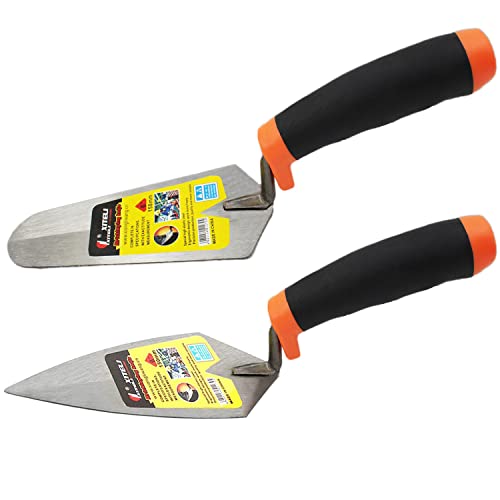
Compare bricklaying trowel types by blade shape, size, handle, and price, and learn which style suits brick, block, pointing, and repair work best.
Choosing a best bricklaying trowel can feel confusing because the blades look similar at first glance, yet small differences in shape, length, and balance change how mortar spreads, how joints fill, and how tired your wrist feels after a long session. This guide compares the main types in plain terms so you can match a trowel to the work in front of you. Use the comparison table below to see the main types side by side before you read the detail.
The right choice depends more on the size of the units you lay and the joints you finish than on price alone. A wide blade moves mortar quickly on large block work, while a narrow blade gives better control for pointing and repair.


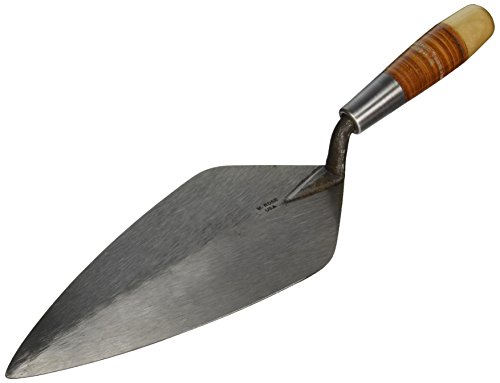


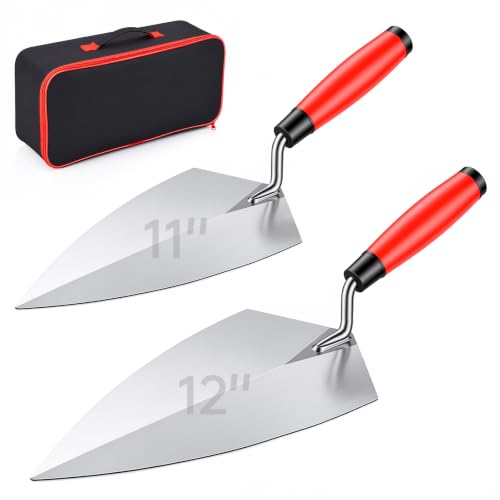
Types of Bricklaying Trowels Compared
The table below gives a quick overview of the main blade styles, and the sections that follow explain where each works best.
| Type | Best For | Pros | Cons | Typical Price |
|---|---|---|---|---|
| Brick trowel | Laying brick and block | Moves mortar fast, good reach | Less control in tight joints | About $20 to $60 |
| Pointing trowel | Filling and finishing joints | Precise, easy in narrow gaps | Too small for spreading large beds | About $15 to $40 |
| Margin trowel | Small repairs and corners | Excellent control, fits tight spots | Slow on large walls | About $12 to $35 |
| Buttering trowel | Applying mortar to unit ends | Even coverage, clean edges | Not a general spreading tool | About $15 to $40 |
Mid Range Options
Mid range trowels usually pair a forged steel blade with a comfortable wood or cushioned handle and a shank that holds its shape under load. They suit regular home and site work where you want steady balance, clean mortar release, and a blade that stays flat through repeated use. Expect a blade length near 11 inches for general brick work, with a handle that lets you grip firmly without squeezing hard. These are a sensible starting point if you lay brick often but do not need a specialist tool for every task.
At this level, check the neck and handle joint closely, since that is where cheaper tools flex or loosen first. A well fitted handle should feel secure with no wobble, and the blade should spring back rather than bend. For many buyers, this tier gives the best balance of durability, comfort, and price.
Compact Options
Compact trowels use shorter or narrower blades, often near 5 to 7 inches, and they shine where a full size blade cannot move freely. They are useful for pointing, patching, tuck pointing, and working around corners, pipes, and window openings. The smaller blade gives you finer control over how much mortar you pick up and where you place it, which matters when a joint is narrow or the surrounding brick must stay clean.
The trade off is speed, since a compact blade covers less area per stroke and is a poor choice for long mortar beds. If you buy only one compact tool, a pointing trowel is usually the most useful, followed by a margin trowel for small repairs.
Budget Options
Budget trowels can work well for occasional use, such as a single garden wall, a small repair, or a first project where you are still learning technique. At this level you will often find a thinner blade and a simpler handle, which keeps the price low but can mean more flex and faster wear. For light work, that trade off is acceptable, and a budget tool lets you learn what blade length and handle shape suit your hand before you spend more.
Before you buy at this level, check that the blade is reasonably flat and the handle is firmly attached. A blade that rocks will make mortar work harder than it needs to be. If you plan to lay brick every weekend, move up a tier rather than replacing a budget tool twice.
Premium Options
Premium trowels usually use a thicker forged blade, a carefully shaped shank, and a handle designed for long sessions. They hold an edge well, release mortar cleanly, and keep their balance even after years of use. Professionals who lay brick daily often value this consistency, because a tool that behaves the same way on the first course and the last course makes joints easier to keep level and neat.
The higher price is hardest to justify for a single small job, but it makes sense when the trowel is in your hand for hours at a time. Look for a comfortable grip, a blade finish that resists sticking, and a warranty covering handle and shank defects.
Mid Range Options vs Compact Options: Which Should You Choose?
Choose a mid range trowel when your main job is laying brick or block and you want one tool that can spread, butter, and cut mortar with reasonable speed. Its longer blade covers more area, and its stronger shank handles the weight of a full load without flexing. Choose a compact trowel when your main job is finishing, pointing, or repair, where control matters more than speed. Many experienced builders own both, using the larger blade for laying and the smaller blade for joints and detail work.
Consider your work mix before you decide. If most of your time goes to building walls, start with a mid range brick trowel and add a pointing trowel later. If most of your time goes to repointing, start with a compact set instead.
How to Choose the Right Bricklaying Trowel
Intended Use and Who It Is For
Start by naming the job. A builder laying standard brick needs a brick trowel near 11 inches, while someone repointing a garden wall needs a pointing trowel and perhaps a margin trowel. Matching the blade to unit size and joint width will do more for your results than any single feature claim.
Ease of Use and Setup
A trowel needs no assembly, but ease of use still depends on balance, grip, and blade finish. Hold the tool as you would in use and check that it does not feel head heavy or twist. A smooth blade releases mortar cleanly, while a rough blade drags and leaves extra mortar on the brick face.
Maintenance and Long Term Costs
Long term cost depends mainly on cleaning and storage. Rinse or wipe the blade after each session, dry it fully, and store it where it will not bang against other tools. With that routine, a mid range or premium trowel can last for years, while a neglected tool can fail much sooner.
Price vs Value
Budget tools cost about $12 to $25 and suit occasional work. Mid range tools cost about $25 to $60 and suit regular use with better balance and durability. Premium tools cost about $60 to $120 and suit daily professional use where consistency matters most. Value is not the lowest price but the tool that matches your workload, fits your hand, and lasts long enough to make the cost per job reasonable.
For related garden work, see our guide to best gardening trowels, which covers smaller blades suited to soil and planting rather than mortar and brick.
Tips to Get the Most From Your Bricklaying Trowel
- Read the maker manual before first use, and follow its guidance on cleaning and handle care.
- Clean and inspect the blade regularly, and remove dried mortar before it hardens and pits the surface.
- Store the trowel in a dry place, with the blade protected so the edge stays smooth and safe.
- Keep sharp edges away from children, and store the tool where it cannot fall onto feet or hands.
Bricklaying Trowels: Your Questions Answered
What features matter most when buying bricklaying trowels?
Blade shape, length, and flatness matter most, followed by handle comfort and shank strength. A flat blade spreads mortar evenly, a length matched to your unit size controls speed and precision, and a firm handle reduces wrist strain. Also check that the blade releases mortar cleanly. Check edge finish too, since a smooth edge keeps joints cleaner.
Are expensive bricklaying trowels worth it?
Expensive trowels are worth it when you lay brick often or for long sessions, because a forged blade, better balance, and a secure handle make joints easier to keep neat. For a single small repair, a budget or mid range tool usually gives a similar result at a lower cost.
How long does a bricklaying trowel last?
A well cared for trowel can last for many years, while a neglected one can rust or loosen within a single season. Rinse off mortar, dry the blade, and keep it in a dry place to slow rust and protect the handle joint. Replace the tool when the blade bends or the handle wobbles.
How do I maintain a bricklaying trowel?
Clean the blade after each session by scraping off wet mortar, washing with water, and drying it fully before storage. Inspect the handle joint and shank for looseness, and tighten or replace parts as the maker directs. Never leave the blade sitting in wet mortar overnight. Store it dry after cleaning to slow rust.
How much should I spend on a bricklaying trowel?
Most home buyers spend about $20 to $60 for a reliable general purpose trowel, with compact pointing tools adding about $15 to $40. Buy the blade type you need first, then choose a price tier that matches how often you will use it. Check handle fit as well, since comfort affects control on long jobs.
Our Verdict
Start with blade type, then handle comfort, then price tier. A mid range brick trowel suits most laying work, a pointing trowel handles joints and repairs, and careful cleaning protects either investment for years. Check the product table above once more, match the blade to your unit size and joint width, and choose the tool you will reach for with confidence. A well chosen best bricklaying trowel makes mortar work cleaner, faster, and easier on your wrist.


