
Best Bow Saws for Cutting Trees 2026: Manual Cutting Guide
Disclosure: We may earn a commission when you buy through links on this page, at no extra cost to you. As an Amazon Associate I earn from qualifying purchases. Learn more

Choose a bow saw for cutting trees by blade length, tooth pattern, frame strength, and safety so yard work stays efficient, safe, and controlled.
Choosing the best bow saws for cutting trees matters because a bow saw is a simple tool that must do hard work: cutting limbs, clearing brush, and trimming trees without power. The right saw cuts fast, stays sharp, and feels safe in your hands through a long session. The comparison table below helps you compare blade length, tooth design, and frame type.
Start by naming the job: pruning small branches, clearing fallen limbs, or cutting firewood rounds, since each job favors a different blade. Also note how far you carry the saw, because a folding or takedown frame suits trail work better than a fixed frame. Size the saw to your wood, not to your ambition.
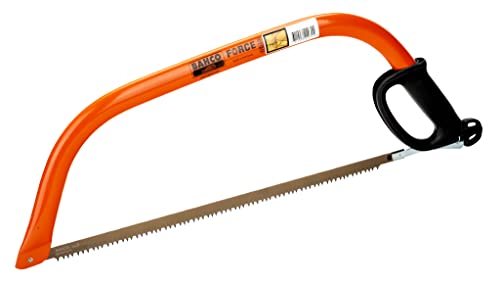

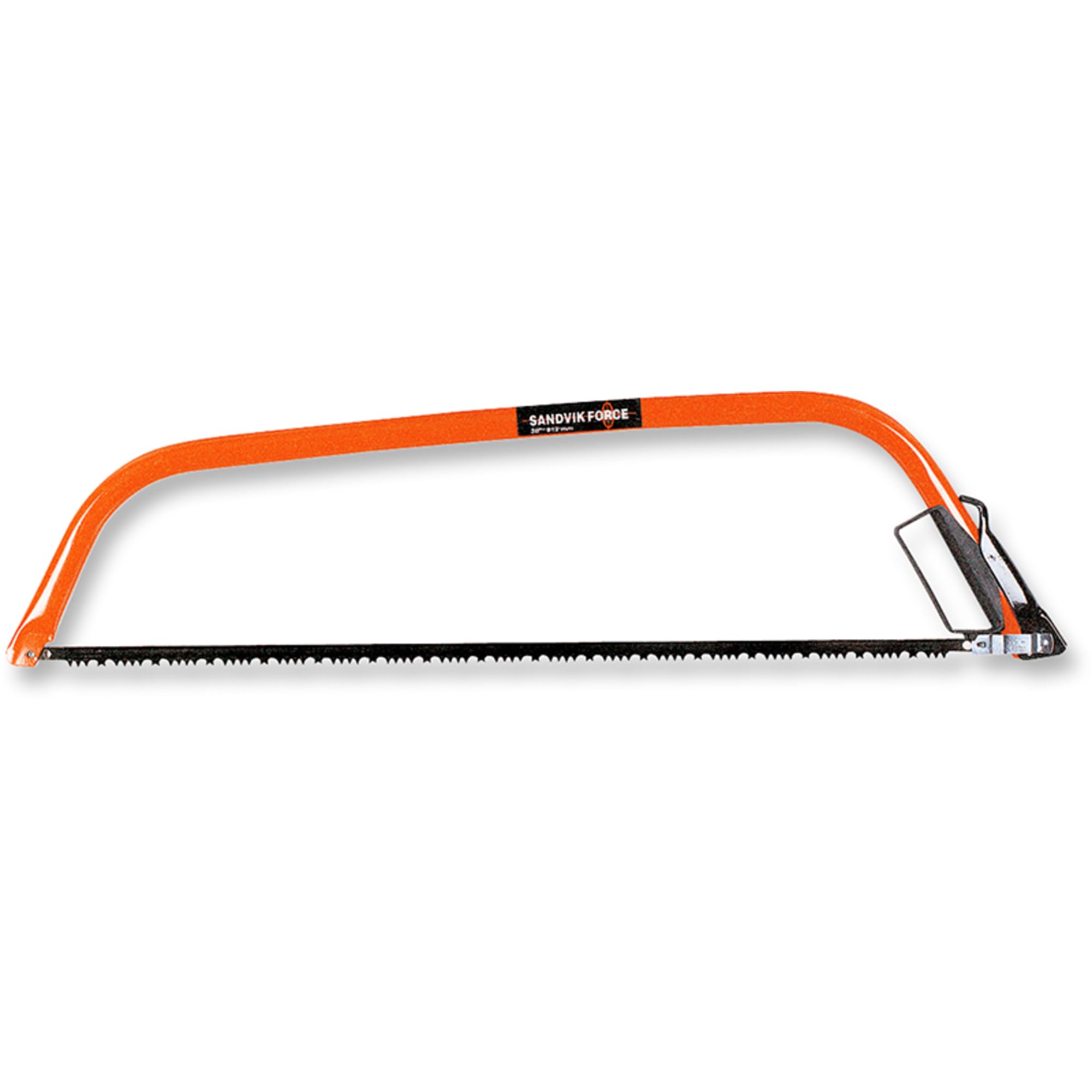


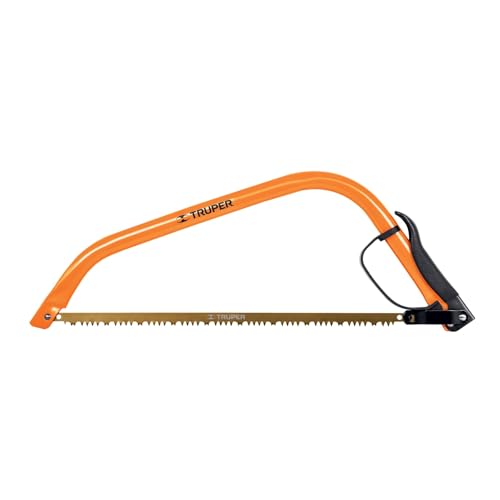
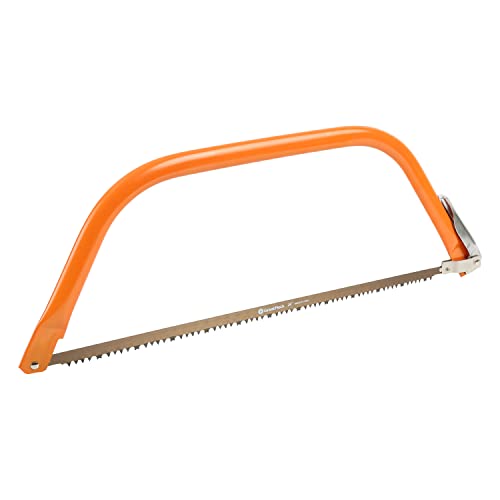

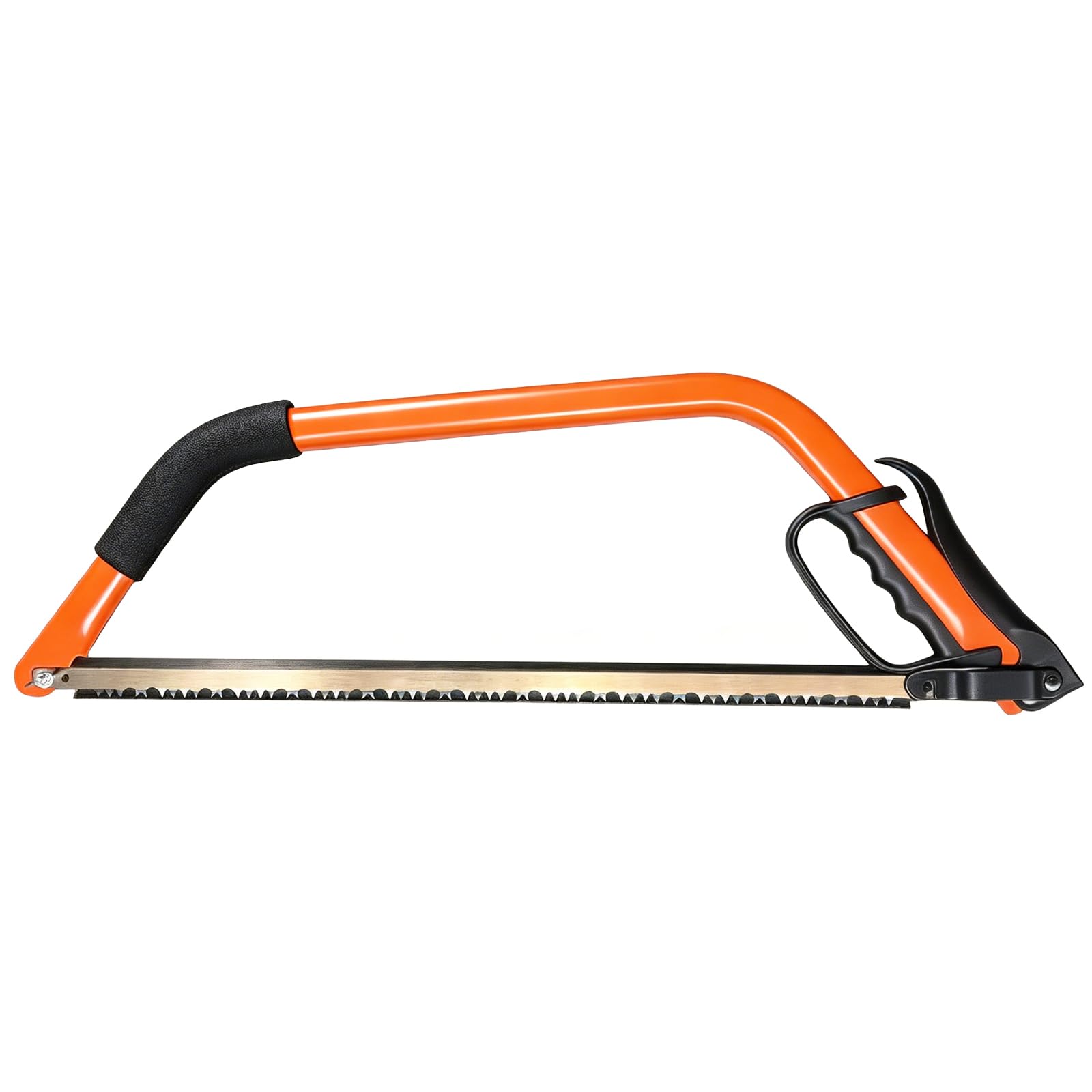

Blade Length and Tooth Pattern
Blade length should match the wood diameter you cut most often, with a blade longer than the thickest limb so the full stroke works. A 21 inch blade suits general pruning and small trees, while a 24 or 30 inch blade handles larger limbs and firewood. A blade too short forces short, tiring strokes, while a blade too long feels unwieldy on small branches.
Tooth pattern shapes cutting speed and smoothness. Large, aggressive teeth cut green wood fast but leave a rough surface, while finer teeth cut slower and smoother. Green wood teeth with deep gullets clear wet sawdust better than dry wood teeth. Match the tooth pattern to green or dry wood for the fastest, easiest cutting.
Frame Strength and Tension
The frame holds the blade under tension, and a weak frame lets the blade flex, wander, and bind in the cut. Tubular steel frames are light and strong for most yard work, while heavier frames suit large blades and tough wood. Check that the tensioning mechanism locks firmly and is easy to adjust with gloves on.
Blade tension should feel firm with a slight ping when plucked, not slack or overly tight. A slack blade wanders and can kink, while an overtight blade can snap or stress the frame. Learn to tension and release your saw, since releasing tension during storage extends blade life and keeps the frame true.
Handle Comfort and Control
Handles should fit your hand with gloves on and offer a secure grip when wet with sap or rain. A full grip handle gives two hand control for large cuts, while a pistol grip suits one hand pruning. Look for a handle that keeps knuckles clear of branches and lets you guide the blade without forcing it.
Balance matters on long sessions: a saw that feels nose heavy tires your wrist and reduces control. Hold the saw in the cutting position before buying when possible, and check that the blade guard or cover protects the teeth during carry and storage. Comfort is safety, since a tired hand makes mistakes.
Cutting Technique and Safety
Let the blade do the work with long, steady strokes, and keep the wood supported so the cut does not pinch the blade. For limbs, use a three cut method: an undercut, a top cut beyond it, then a clean final cut at the branch collar, which prevents bark tearing. Never cut above shoulder height or while standing on a ladder, since loss of balance with a saw is dangerous.
Wear eye protection, gloves, and sturdy boots, and keep bystanders clear of falling limbs. Check overhead for power lines before cutting any tree, and call a professional for large trees, storm damaged limbs, or anything near wires. A bow saw suits small to medium yard work, not hazardous tree removal.
Care, Blades, and Storage
Clean blades after use with a brush and a light oil wipe to prevent rust and sap buildup. Replace blades when teeth dull, chip, or bend, since a dull blade forces harder strokes and binds more often. Keep spare blades in a cover, since exposed teeth damage gear and cut hands in storage.
Store the saw dry with tension released and the blade covered, away from children. A well kept frame lasts for years while blades remain a consumable cost. Compare blade prices before buying a saw, since cheap saws with expensive blades cost more over time than a slightly pricier saw with affordable blades.
Related Guides to Read Next
If you want to compare nearby options, these related guides can help: best saws for cutting trees, best hand saws for cutting trees, best bow saws, best tree saws, best saws for cutting wood. Each one covers a different angle, so start with the guide that matches your room, your budget, or your next question.
Living With a Bow Saw
A bow saw becomes a trusted yard tool once you learn its rhythm, with long steady strokes that let the teeth cut without forcing. Beginners often push too hard and tire quickly, while experienced users relax, keep the blade straight, and let weight and tooth design do the work. Practice on small branches first, and notice how a sharp blade sounds and feels different from a dull one.
Seasonal yard work gives a bow saw steady use, from spring pruning and summer clearing to fall storm cleanup and winter firewood cutting. Keep spare blades for green wood and dry wood if you cut both, since tooth patterns differ and the right blade halves the effort. Label blades clearly so you reach for the correct one without guessing.
Over years, a good frame lasts while blades come and go, which makes the frame a long term investment worth choosing carefully. Check tension mechanisms, handle comfort, and blade availability before buying, since those factors decide daily satisfaction more than brand alone. A well kept bow saw repays care with quiet, reliable cutting season after season.
Frequently Asked Questions
What size bow saw is best for pruning?
A 21 inch blade suits most pruning and small tree work, giving a good balance of reach and control. Smaller blades suit tight shrubs and one hand use, while larger blades suit firewood and thick limbs. Match blade length to the thickest wood you cut regularly, with the blade longer than the wood diameter. A general yard saw around 21 inches covers most home needs.
How do I stop a bow saw from binding?
Binding usually means the wood is pinching the blade, so support the wood properly and keep the cut open with a wedge if needed. Use long, steady strokes and let the teeth cut without forcing the saw. For limbs, use the three cut method so the limb weight does not pinch the final cut. A sharp blade with the right tooth pattern also binds less.
Are bow saws safe for beginners?
Yes, bow saws are a good beginner cutting tool when used with eye protection, gloves, and proper technique. They cut slower than chainsaws and give more control, which suits learning. Never cut overhead or on a ladder, and keep hands clear of the blade path. Start with small branches and build skill before tackling larger limbs.
How often should I replace a bow saw blade?
Replace a blade when teeth dull, chip, or bend, or when cutting takes noticeably more effort than before. Heavy users may replace blades each season, while occasional users may get several years from one blade. Cleaning and oiling after use extends blade life. Keep a spare blade ready so a dull blade does not tempt you to force cuts.
Can a bow saw cut firewood?
Yes, a bow saw with a 24 or 30 inch blade cuts firewood rounds well, though it takes more effort than a chainsaw for large volumes. It suits occasional firewood cutting, camping, and quiet work where power tools are impractical. Use a dry wood tooth pattern for seasoned logs and a green wood pattern for fresh limbs. For large firewood piles, a chainsaw saves far more time.
Final Thoughts
The product table above helps you compare blade and frame options, but the best saw is the one that matches your wood, your strength, and your safety habits. Size the blade to your limbs, keep it sharp and tensioned, and respect the limits of hand cutting. With best bow saws for cutting trees chosen this way, yard work stays productive, quiet, and under your control.


